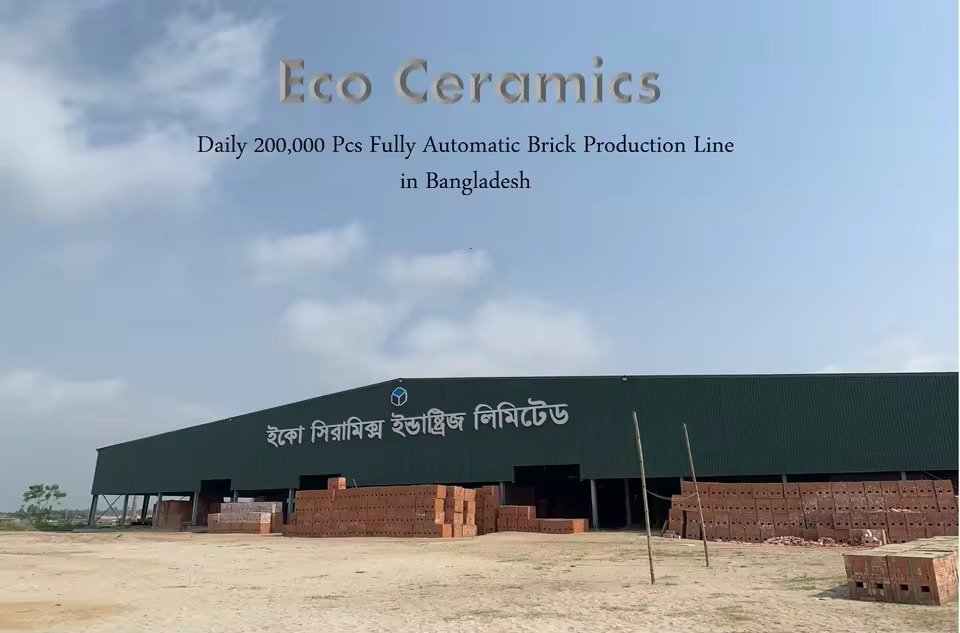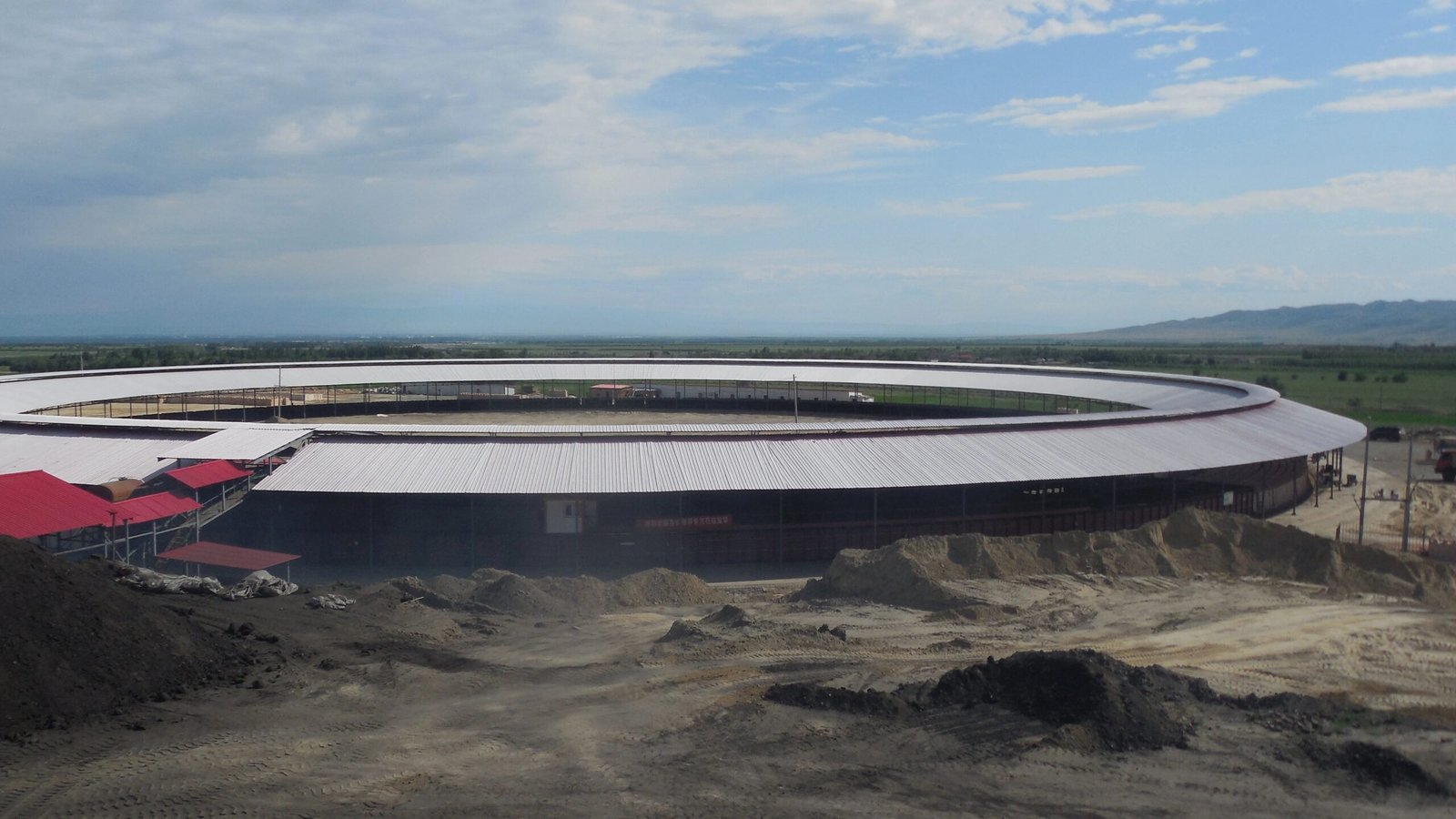
Earth Brick Making Machine: Complete Selection Guide for South African Construction Projects
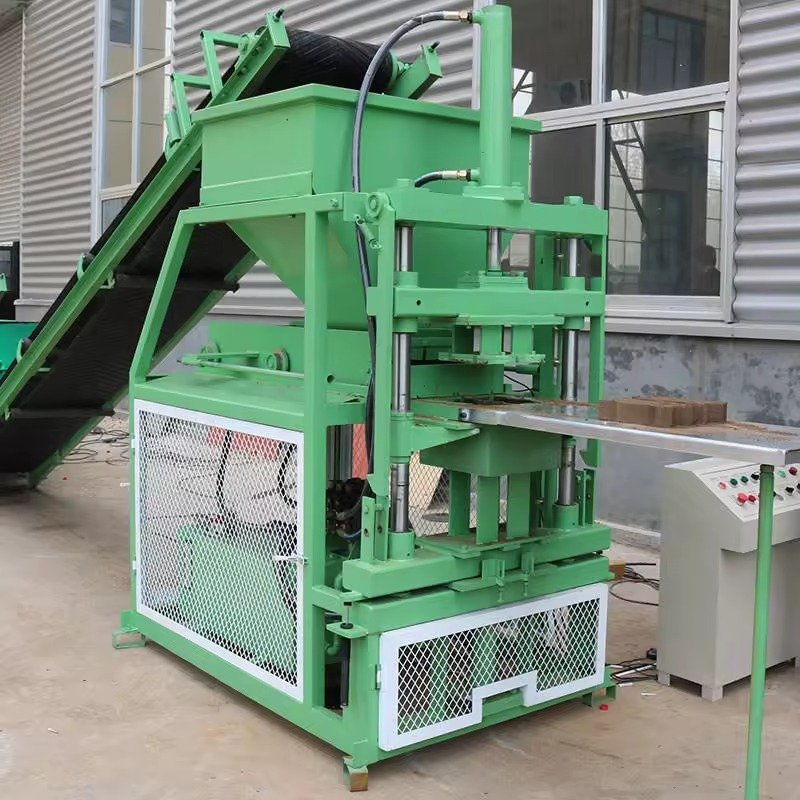
Choosing the right earth brick making machine can determine whether your construction project succeeds or faces costly delays. South African builders face unique challenges when selecting equipment for compressed earth block production.
Raw material availability varies across provinces. Climate conditions affect curing processes. Initial investment costs must balance against long-term production capacity needs.
This comprehensive guide addresses every technical consideration. You will discover how earth material composition influences machine selection. Production capacity calculations become straightforward. Equipment specifications match your specific project requirements.
Need immediate technical guidance? Our engineers provide free consultation.
Understanding Earth Brick Making Machine Technology and Applications
An earth brick making machine transforms raw soil materials into durable construction blocks through compression. Unlike traditional fired clay bricks, earth blocks utilize hydraulic pressure to achieve structural integrity.
How Compressed Earth Block Production Works
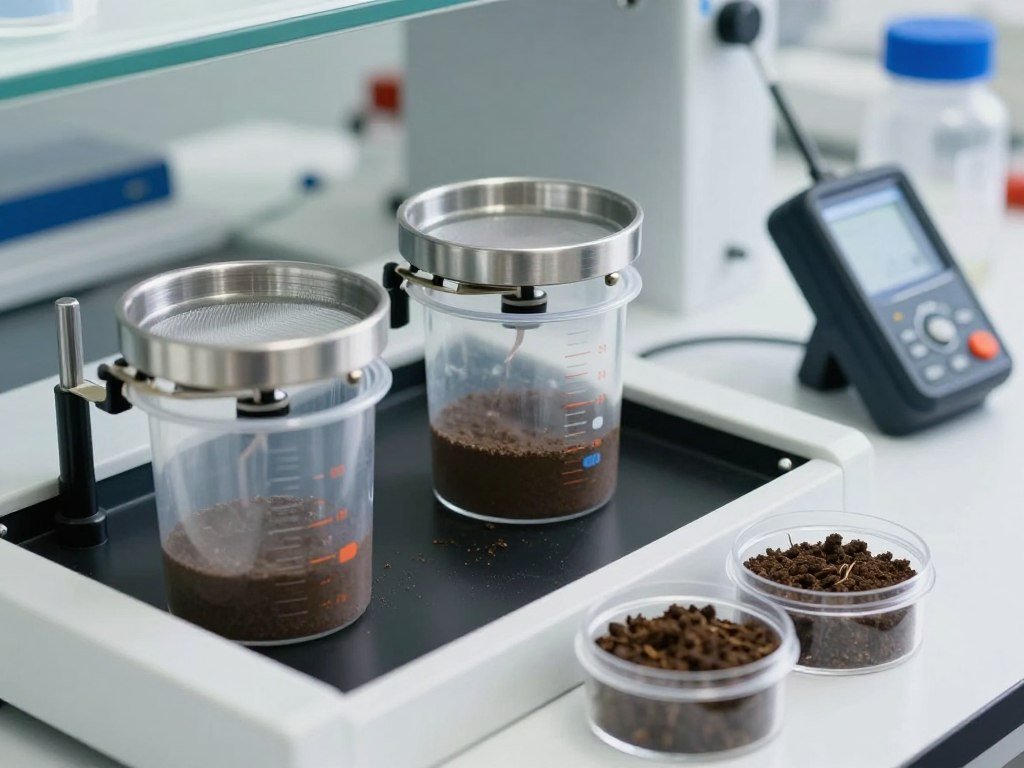
The production process begins with material preparation. Raw earth undergoes screening to remove organic matter and oversized particles. Moisture content adjustment ensures optimal compression.
Measured material feeds into the brick machine hopper. The distribution system spreads material evenly across the mold cavity. Hydraulic cylinders generate 80-100 KN of compression force.
This intense pressure binds soil particles without requiring heat. Chemical stabilizers like cement or lime enhance strength properties. The finished blocks eject onto pallets for curing.
Manual Earth Block Systems
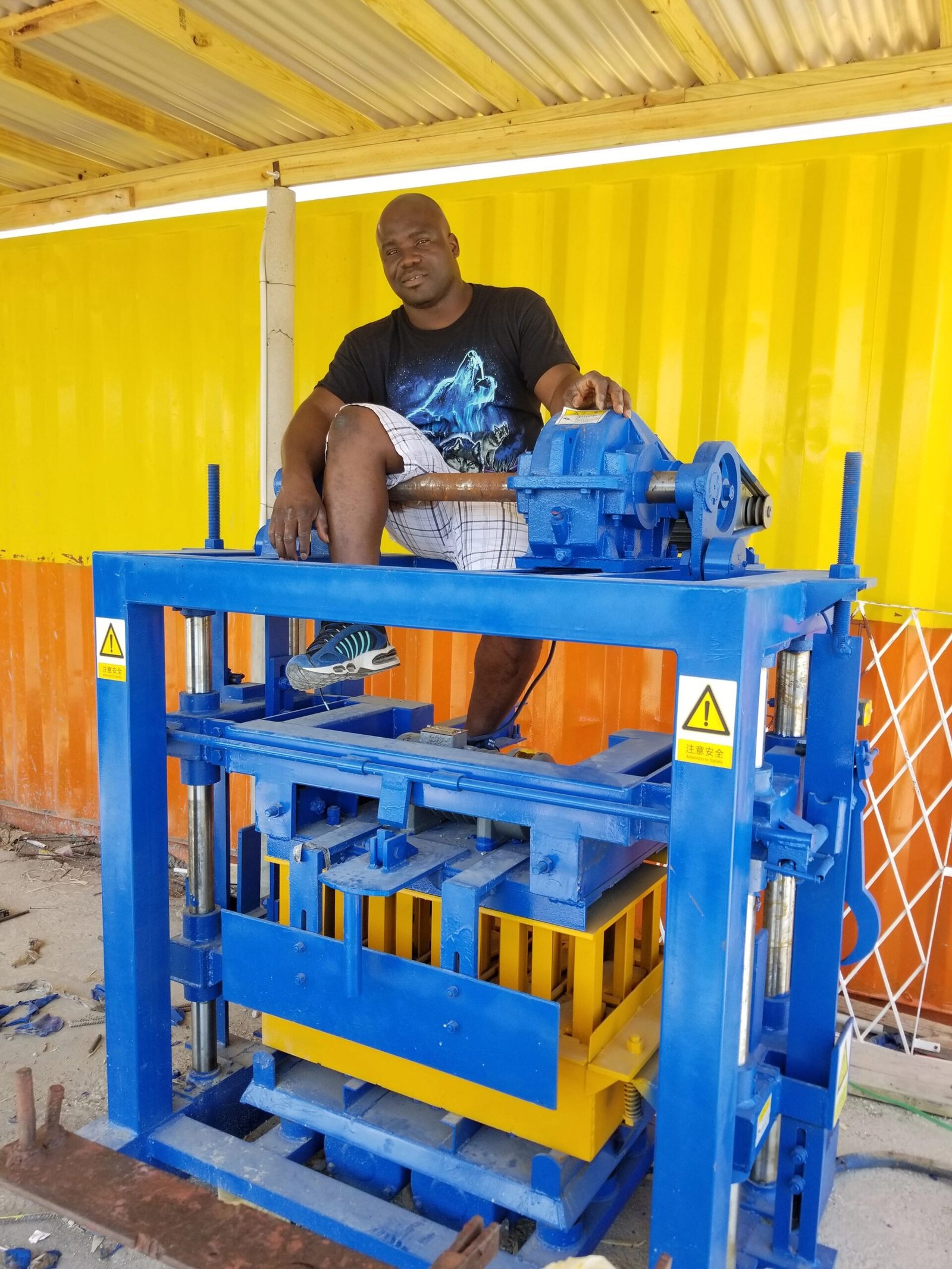
Manual brick making machines suit small-scale projects and rural applications. Operators control the pressing cycle through mechanical levers.
- Production capacity: 500-1200 blocks per 8-hour shift
- Initial investment: R45,000-R120,000
- Labor requirement: 3-4 workers minimum
- Power supply: None required for basic models
- Portability: Can relocate to different work sites
Automatic Production Systems
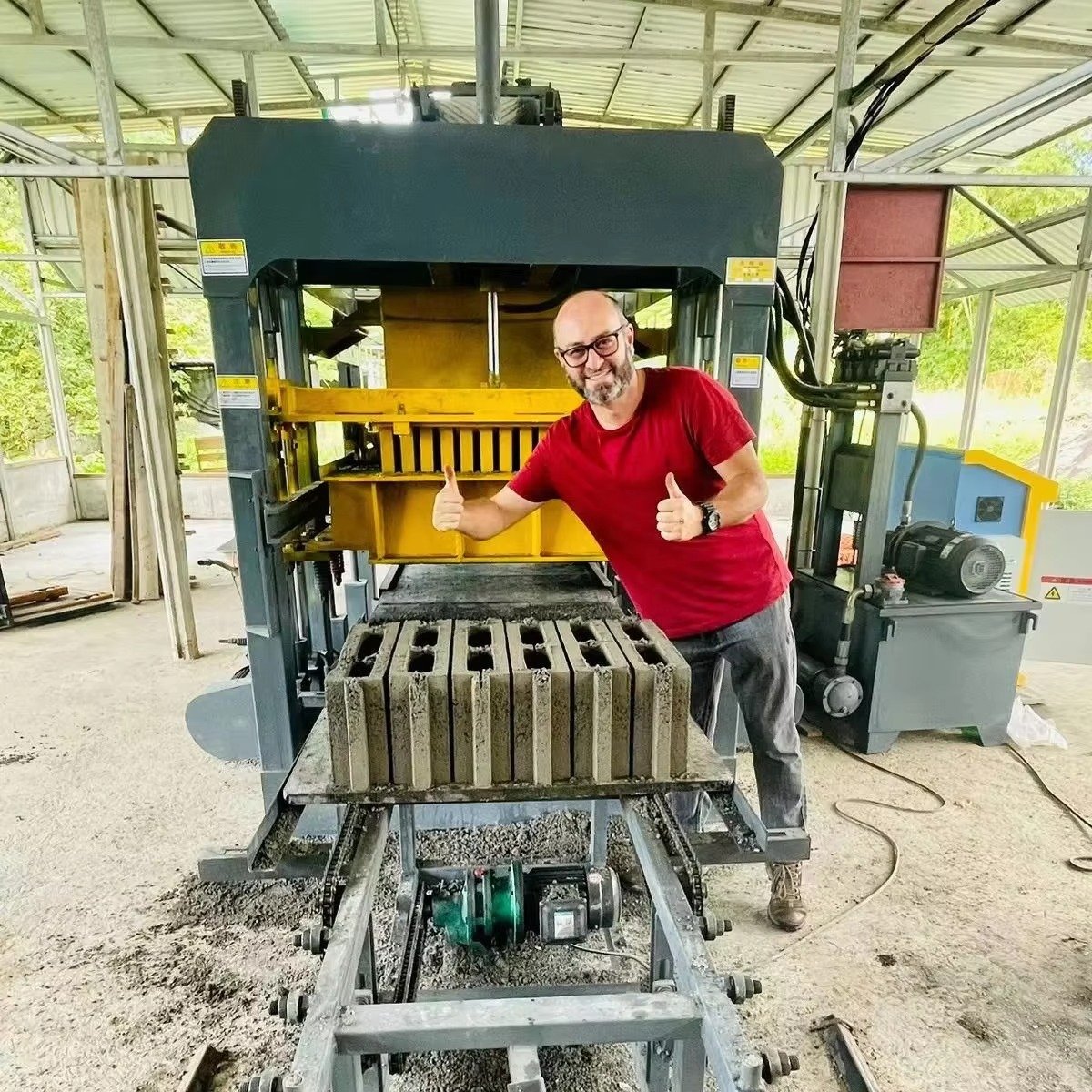
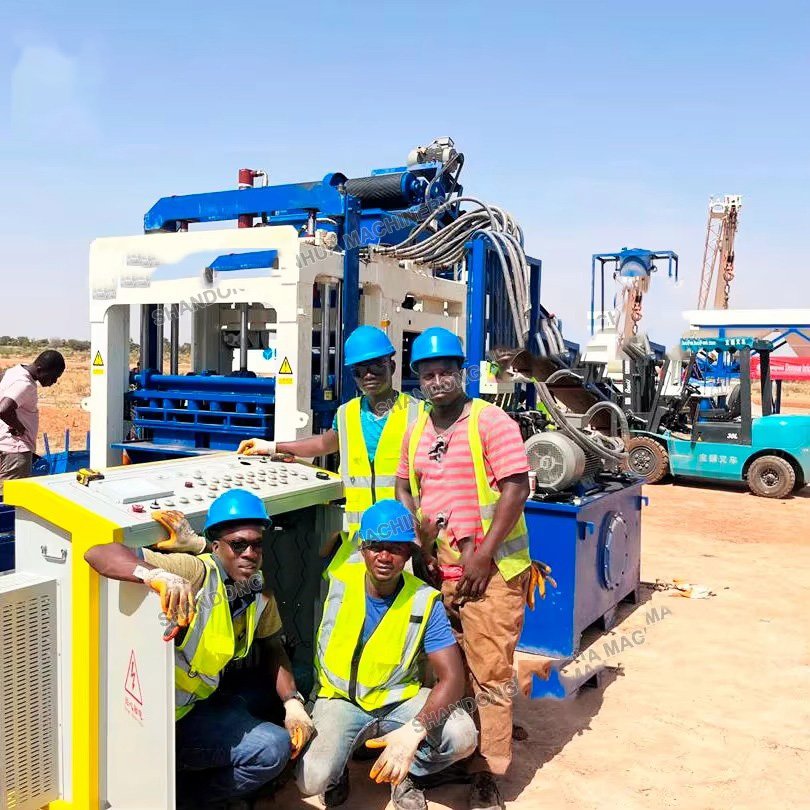
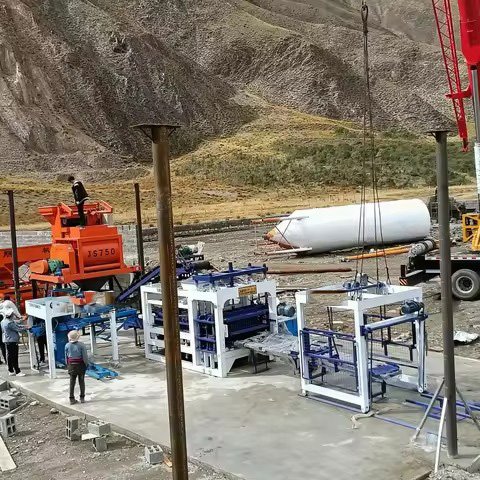
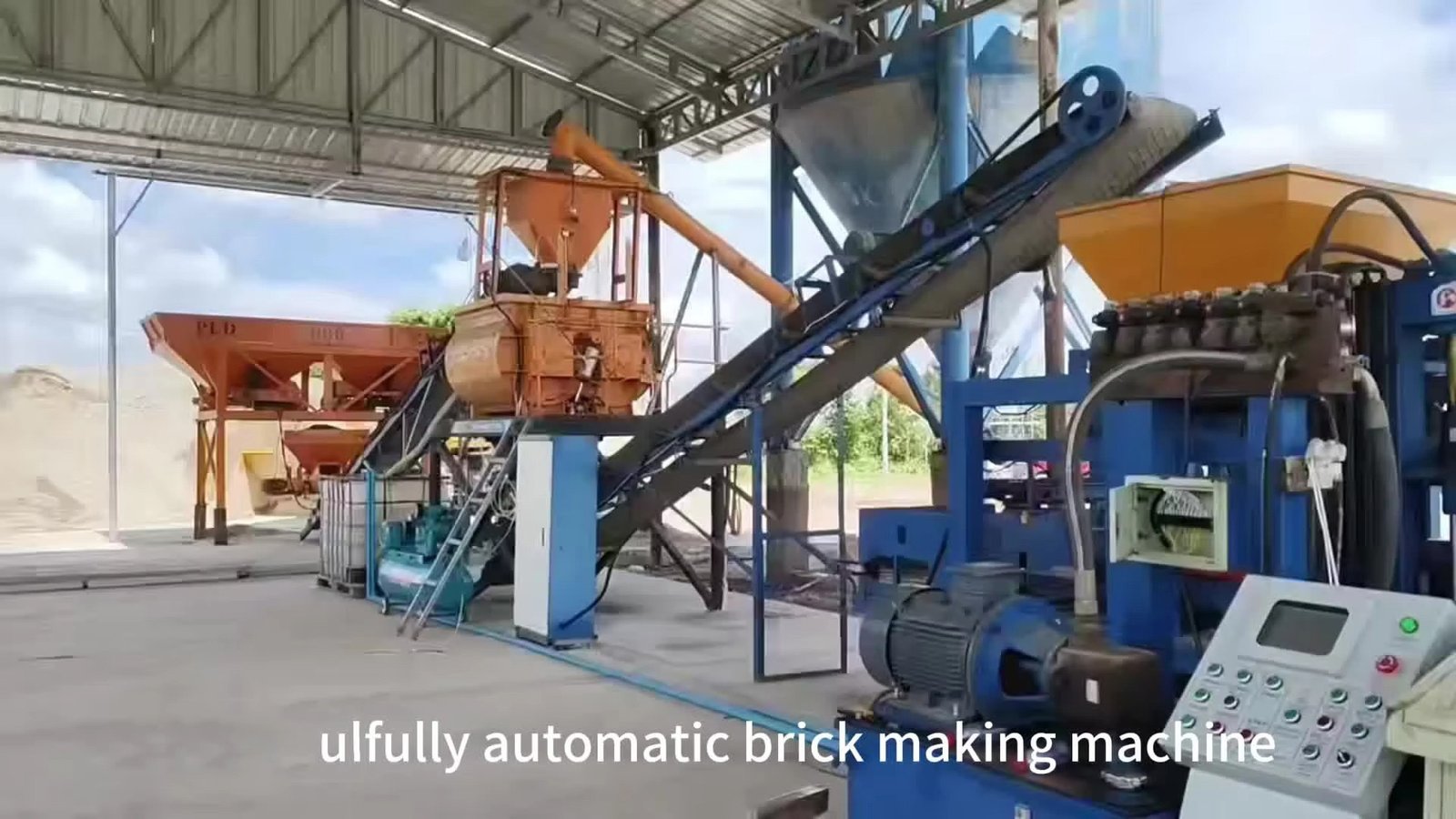
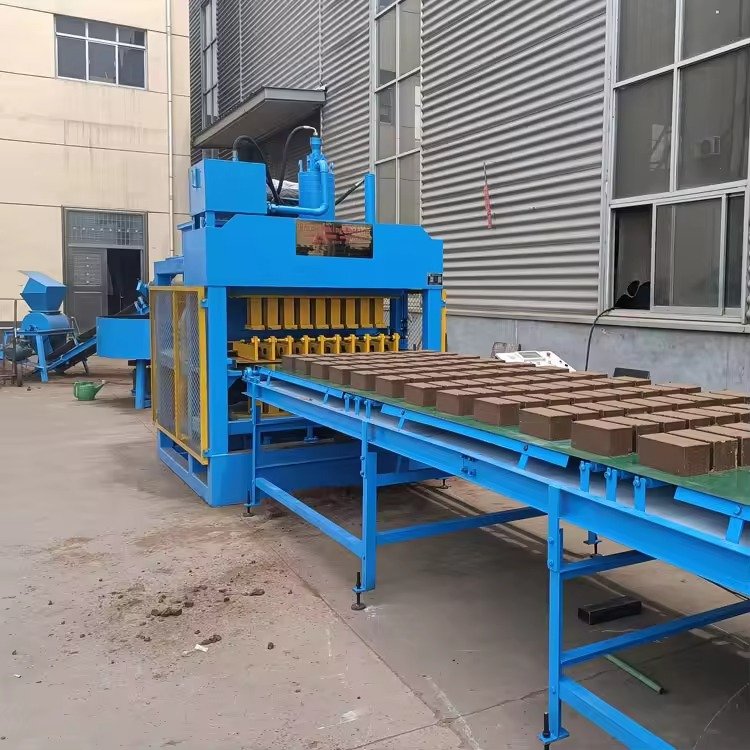
Automatic brick making machines deliver industrial-scale output with minimal labor. PLC control panels manage the entire production cycle.
- Production capacity: 15,360 blocks per day
- Initial investment: R675,000-R1,050,000
- Labor requirement: 6 workers for full line
- Power supply: 380V/415V three-phase required
- Space requirement: 2500-6500 square meters
Applications Across Construction Sectors
Residential housing projects represent the primary application. Earth blocks provide excellent thermal mass properties. Wall construction costs decrease by 30-40% compared to conventional materials.
Commercial buildings benefit from sustainability credentials. Earth blocks meet green building certification requirements. Sound insulation properties suit office environments and educational facilities.
Agricultural structures utilize earth blocks for storage buildings. The material withstands moisture fluctuations better than timber. Livestock housing maintains stable internal temperatures.
Residential Projects
Housing developments utilize earth blocks for cost-effective construction while maintaining quality standards.
- Single-family homes and townhouse complexes
- Social housing and RDP project extensions
- Estate boundary walls and garden structures
- Interior partition walls in mixed construction
Commercial Buildings
Business facilities leverage earth block properties for environmental and operational benefits.
- Office complexes and retail centers
- Schools and educational institutions
- Healthcare clinics and community centers
- Warehouses and light industrial facilities
Agricultural Structures
Farm buildings require durable, cost-effective materials that withstand varied conditions.
- Equipment storage sheds and workshops
- Livestock housing and dairy facilities
- Grain storage and processing buildings
- Worker accommodation structures
Infrastructure Projects
Public works incorporate earth blocks where sustainability and local material use are priorities.
- Public toilet blocks and ablution facilities
- Bus shelters and transport infrastructure
- Park amenity buildings and pavilions
- Security guard houses and gateways
Raw Material Requirements for Earth Brick Making Machine Operations
Material composition directly impacts block quality and machine performance. Understanding soil characteristics prevents production failures and equipment damage.
Optimal Soil Composition Standards
Clay content should range between 15-30% for proper particle binding. Excessive clay causes cracking during curing. Insufficient clay results in weak structural integrity.
Sand and gravel fractions provide bulk material volume. Particle size distribution affects compaction density. Gradation testing ensures appropriate material ratios.
| Material Component | Optimal Percentage | Function in Block | Testing Method |
| Clay Fraction | 15-30% | Particle binding and cohesion | Sedimentation test |
| Silt Content | 10-25% | Workability enhancement | Sedimentation test |
| Sand Fraction | 40-60% | Structural stability and volume | Sieve analysis |
| Gravel Content | 5-15% | Aggregate reinforcement | Sieve analysis |
| Organic Matter | Less than 2% | Must be minimized | Visual inspection and burn test |
| Moisture Content | 8-14% | Compression optimization | Oven drying method |
Stabilizer Selection and Ratios
Portland cement remains the most common stabilizer for earth blocks. Addition rates of 5-10% significantly improve compressive strength. Water resistance characteristics enhance with cement stabilization.
Hydrated lime offers an alternative stabilizer option. Lime-stabilized blocks develop strength more gradually than cement. Long-term durability matches cement stabilization at lower cost.
Combined cement-lime formulations balance immediate and long-term strength development. Typical ratios use 3-5% cement with 2-3% lime addition. This combination optimizes both performance and economics.
Material Testing Recommendation: Before investing in an earth brick making machine, conduct soil analysis from your intended production site. MAIKONG technical team provides free consultation on material suitability. Contact our engineers via WhatsApp at +86 158-1555-6422 to discuss your soil test results.
Regional Material Availability in South Africa
Western Cape regions offer excellent decomposed granite soils. These materials require minimal processing for block production. Clay content naturally falls within optimal ranges.
Gauteng areas feature iron-rich soils with moderate clay fractions. Stabilizer requirements may increase slightly. Material screening removes excess gravel content.
KwaZulu-Natal coastal zones present challenges with high organic content. Topsoil removal exposes suitable subsoil layers. Additional processing may be necessary for consistent quality.
Critical Earth Brick Making Machine Specifications for South African Projects
Technical specifications determine production efficiency and block quality. Understanding these parameters ensures appropriate equipment selection.
Hydraulic Pressure System Requirements
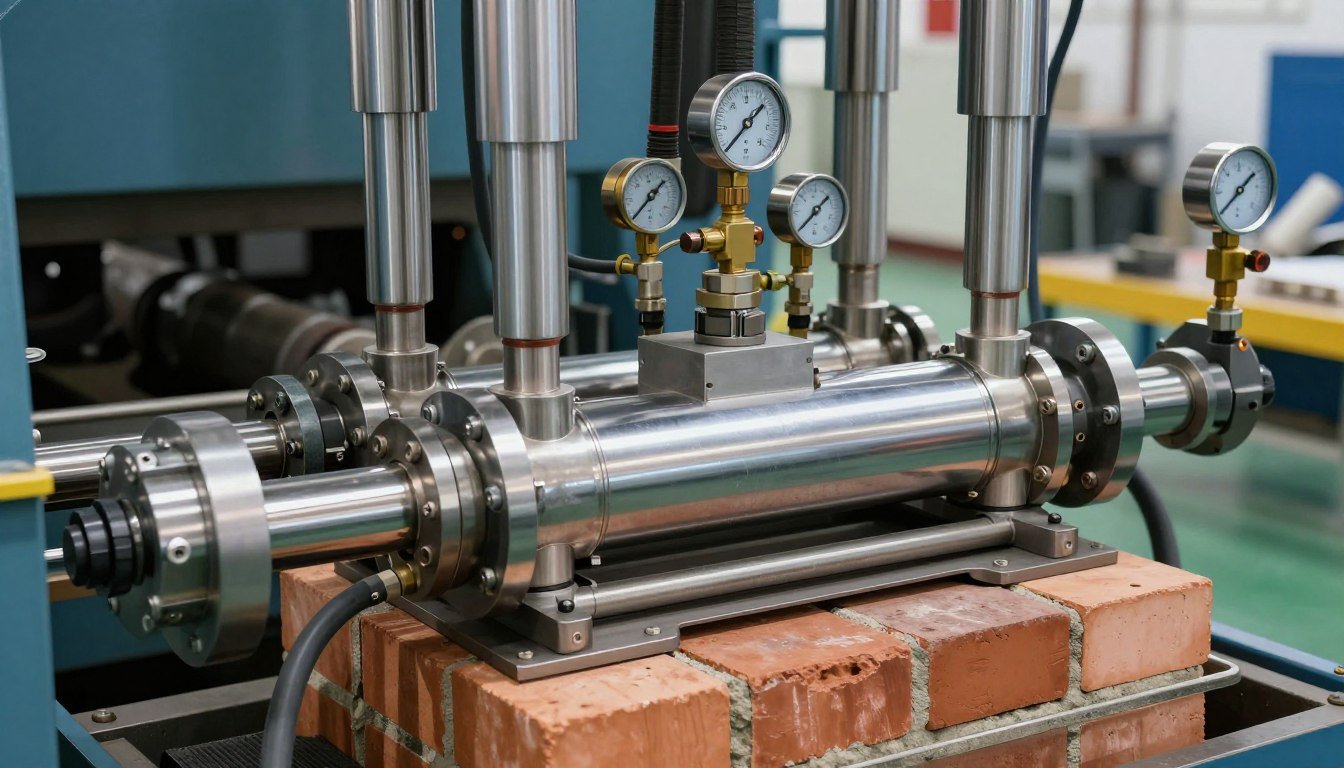
Compression force directly affects block density and strength. Concrete block making machines adapted for earth materials require 80-100 KN minimum pressure.
Vibration frequency works in combination with hydraulic pressure. Optimal frequency ranges between 4,600-5,200 vibrations per minute. This rapid vibration eliminates air pockets during compression.
Production Capacity Calculations
Molding cycle time establishes maximum daily output. Efficient systems complete one cycle every 12-20 seconds. This timing includes material distribution, compression, and block ejection.
The MAIKONG QT8-15 model produces 15,360 standard blocks per 8-hour shift. This capacity assumes continuous operation with proper material preparation. Labor teams of 6 workers maintain this production rate.
| Machine Model | Cycle Time | Blocks Per Hour | Daily Capacity (8hrs) | Labor Required |
| Manual Press (Basic) | 45-60 seconds | 60-80 pcs | 480-640 blocks | 3 workers |
| Manual Press (Advanced) | 30-40 seconds | 90-120 pcs | 720-960 blocks | 4 workers |
| Semi-Automatic System | 20-25 seconds | 240-300 pcs | 1,920-2,400 blocks | 5 workers |
| MAIKONG QT8-15 Automatic | 12-15 seconds | 1,920 pcs | 15,360 blocks | 6 workers |
Mold Configuration Options
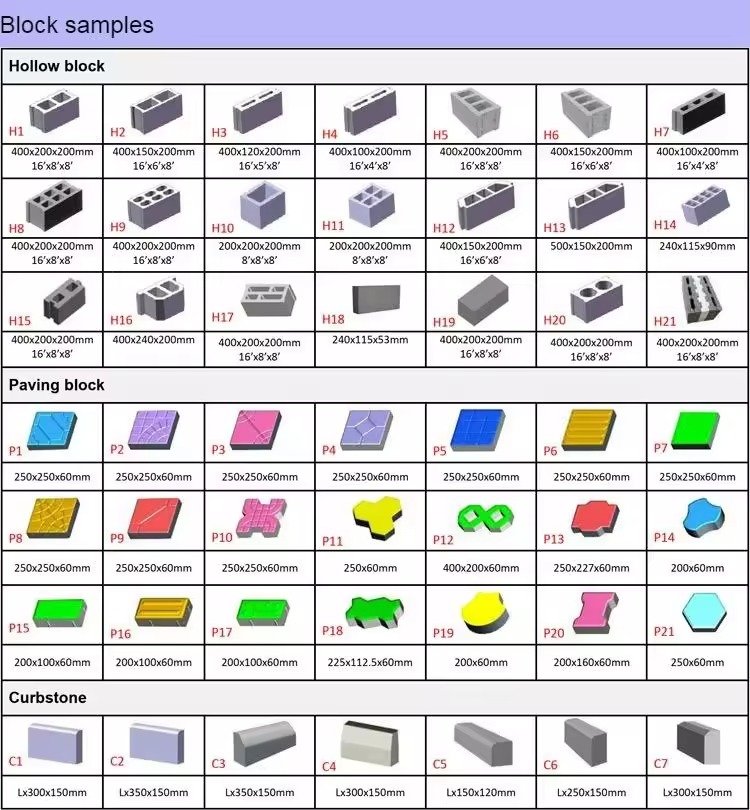
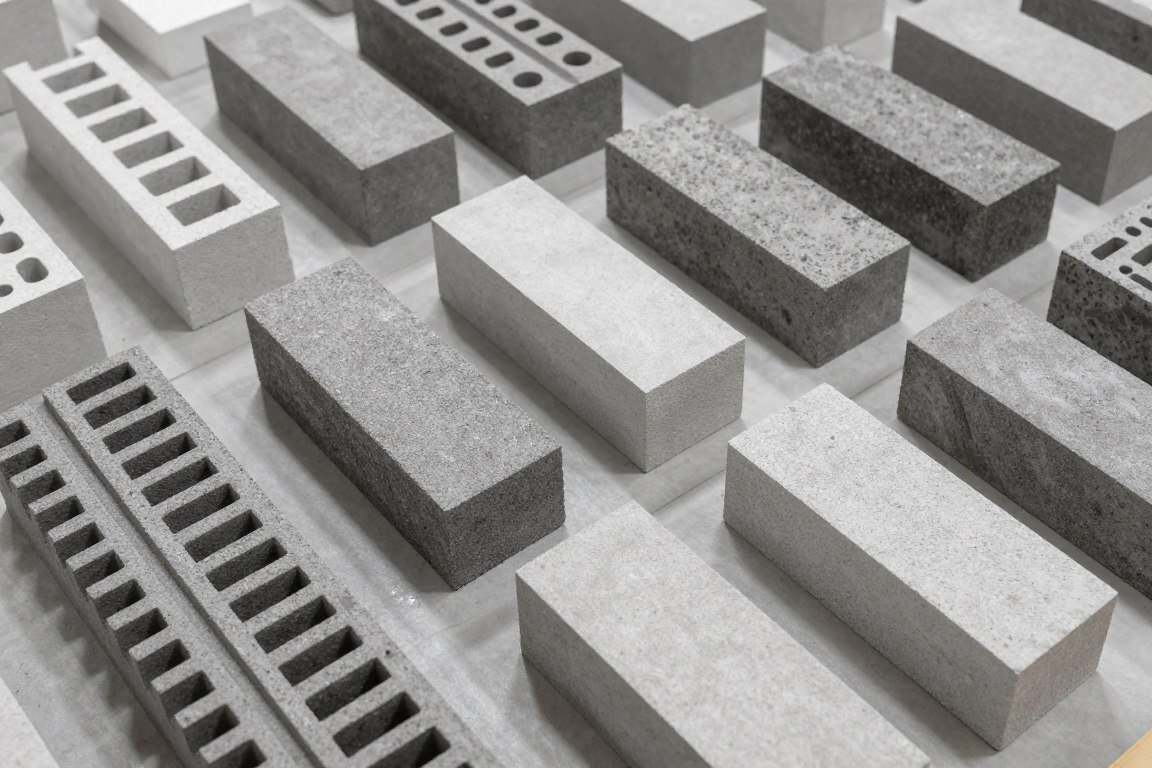
Block dimensions vary according to construction requirements. Standard sizes include 390×190×190mm for load-bearing walls. Interlocking designs eliminate mortar requirements in certain applications.
The brick moulding machine platform accommodates multiple mold sets. Quick-change systems allow production switching between block types. Total changeover time requires approximately 30-45 minutes.
Standard Block Dimensions
- 390×190×190mm (standard hollow block)
- 400×200×200mm (heavy-duty block)
- 400×100×200mm (partition block)
- 300×150×100mm (paving block)
- 240×115×90mm (traditional brick size)
Specialized Block Types
- Interlocking blocks (mortar-free construction)
- Insulated cavity blocks (thermal performance)
- Decorative facade blocks (architectural finish)
- Curbstone and edging blocks (landscaping)
- Custom dimensions (project-specific requirements)
Power Supply and Energy Consumption
Electrical requirements vary significantly between manual and automatic systems. Small brick making machines may operate without external power. Large-scale production demands three-phase electricity.
The MAIKONG QT8-15 system requires 76.8 KW total power capacity. Daily energy consumption reaches 614.4 KWH during full production. Solar power integration becomes feasible for daytime operations.
South African Power Compatibility: MAIKONG equipment configures for 380V or 415V supply at 50Hz frequency. Our factory in GD, SZ manufactures machines compatible with South African electrical standards. Discuss your site’s power infrastructure with our technical team before ordering.
Frame Construction and Durability
Machine frame quality determines operational lifespan. MAIKONG utilizes high-strength square steel construction. Special welding technology ensures rigidity under continuous compression cycles.
Guide pillars receive chrome plating for friction resistance. Four-pillar guide systems maintain precise alignment between press head and mold. Expected frame life exceeds 15 years under proper maintenance conditions.
Comparing Automation Levels: Manual vs. Automatic Earth Brick Making Machines
Automation selection impacts initial investment, operational costs, and production scalability. Each approach suits different project scales and business models.
Manual and Semi-Automatic Systems
Manual systems minimize capital investment for small producers. A basic rammed earth brick machine costs between R45,000-R120,000. Operators develop skills quickly with minimal training requirements.
Production flexibility allows adjustment to variable demand. Equipment relocates easily between job sites. Maintenance requirements remain simple with basic mechanical components.
Fully Automatic Production Lines
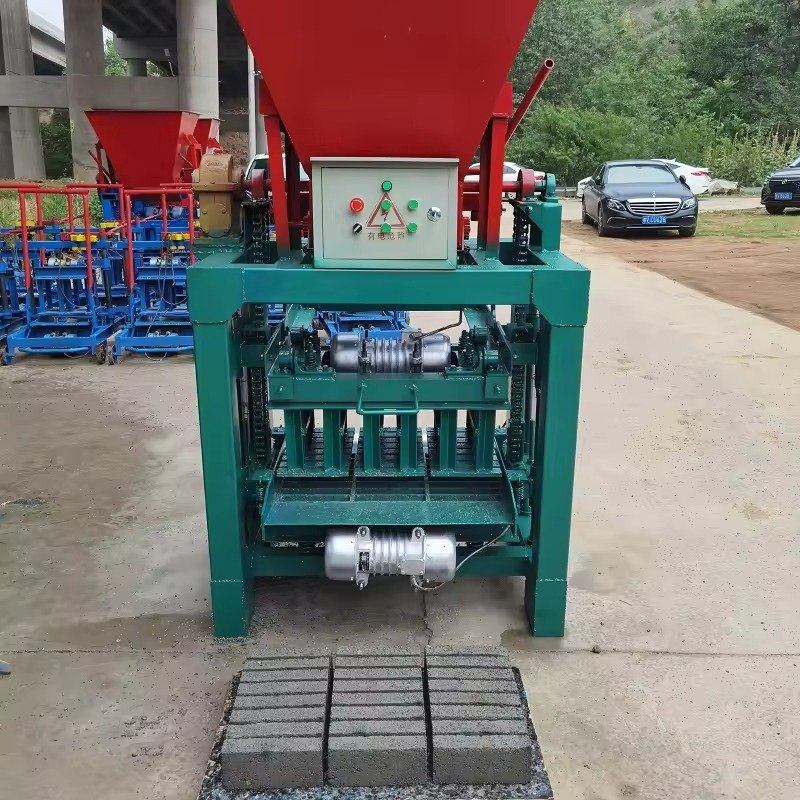
Automatic systems deliver consistent quality through computer control. PLC panels manage material distribution, compression timing, and block ejection. Production rates increase by 15-20 times compared to manual operation.
The automatic brick production line integrates multiple process stages. Raw material batching systems ensure formula consistency. Automatic stackers organize finished blocks on pallets.
| Comparison Factor | Manual Systems | Semi-Automatic | Fully Automatic |
| Initial Investment | R45,000-R120,000 | R220,000-R380,000 | R675,000-R1,050,000 |
| Daily Production | 500-1,200 blocks | 2,000-3,500 blocks | 12,000-18,000 blocks |
| Labor Requirement | 3-4 workers | 5-6 workers | 6-8 workers |
| Power Consumption | None or minimal | 180-250 KWH/day | 550-650 KWH/day |
| Quality Consistency | Variable (operator dependent) | Good (some variation) | Excellent (very consistent) |
| Maintenance Complexity | Simple (basic tools) | Moderate (some technical skill) | Advanced (specialized knowledge) |
| Portability | High (truck transportable) | Medium (requires setup time) | Low (permanent installation) |
| Payback Period | 6-12 months | 18-30 months | 36-48 months |
Hybrid Production Strategies
Some operations begin with manual equipment and scale gradually. Initial profits fund automatic system acquisition. This phased approach minimizes financial risk.
Combining manual and automatic lines serves diverse market segments. Manual equipment produces specialty blocks in small quantities. Automatic systems handle high-volume standard products.
Unsure Which Automation Level Suits Your Project?
MAIKONG technical advisors analyze your production requirements, budget constraints, and growth plans. We recommend equipment configurations that optimize your return on investment. Our GD, SZ factory produces both manual and automatic systems to match every project scale.
Mold Selection and Customization for Earth Brick Making Machine Applications
Mold quality and design flexibility determine the range of products your machine can produce. Understanding mold specifications prevents costly production limitations.
Standard Mold Configurations
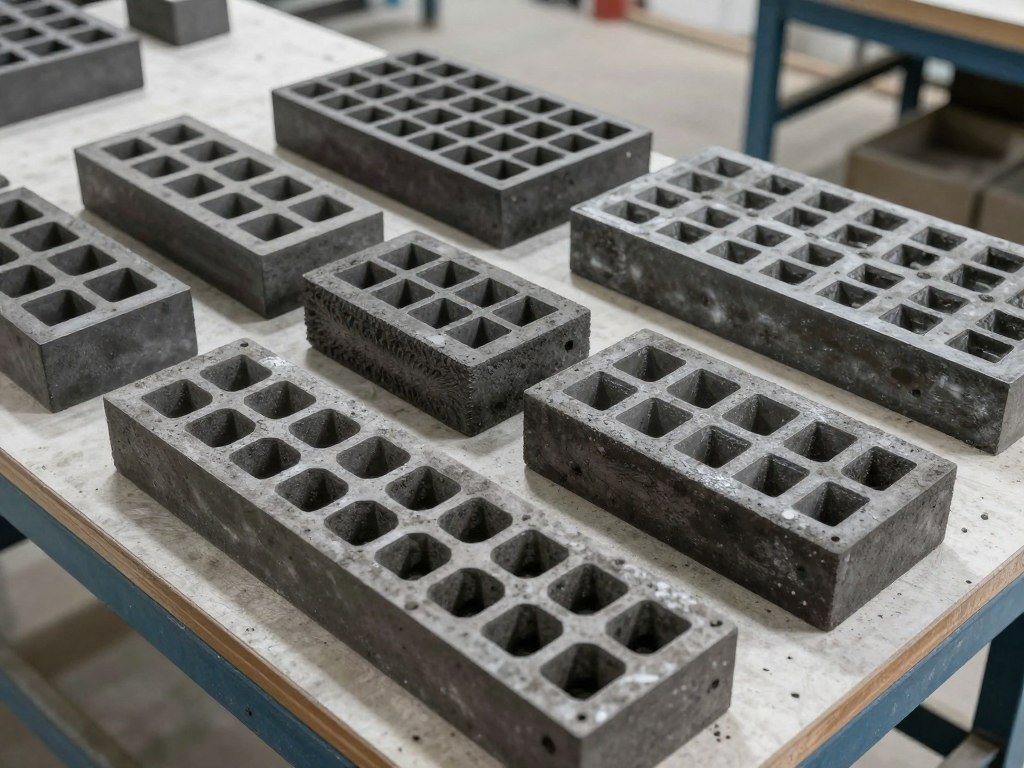
Load-bearing wall blocks represent the most common production requirement. Standard hollow block molds create the 390×190×190mm dimensions used throughout South African construction. Two or three cavities form in each compression cycle.
Solid block molds suit applications requiring maximum strength. These configurations consume more raw material per block. Production costs increase but load-bearing capacity improves significantly.
Interlocking Block Mold Systems
Interlocking designs eliminate mortar requirements during construction. Special mold profiles create tongue-and-groove connections. Wall assembly speed increases dramatically with these systems.
The Hydraform bricks machine style represents a popular interlocking format. These blocks stack dry during construction. Stability develops through friction and geometric locking.
Custom Mold Development
Architectural projects may require unique block dimensions or surface patterns. MAIKONG engineering team designs custom molds matching exact specifications. Development timeline spans 4-6 weeks from approval to delivery.
Decorative surface textures add aesthetic value to finished walls. Mold faces incorporate patterns ranging from simple geometric designs to complex relief work. These specialized molds command premium pricing in the market.
Mold Material and Heat Treatment
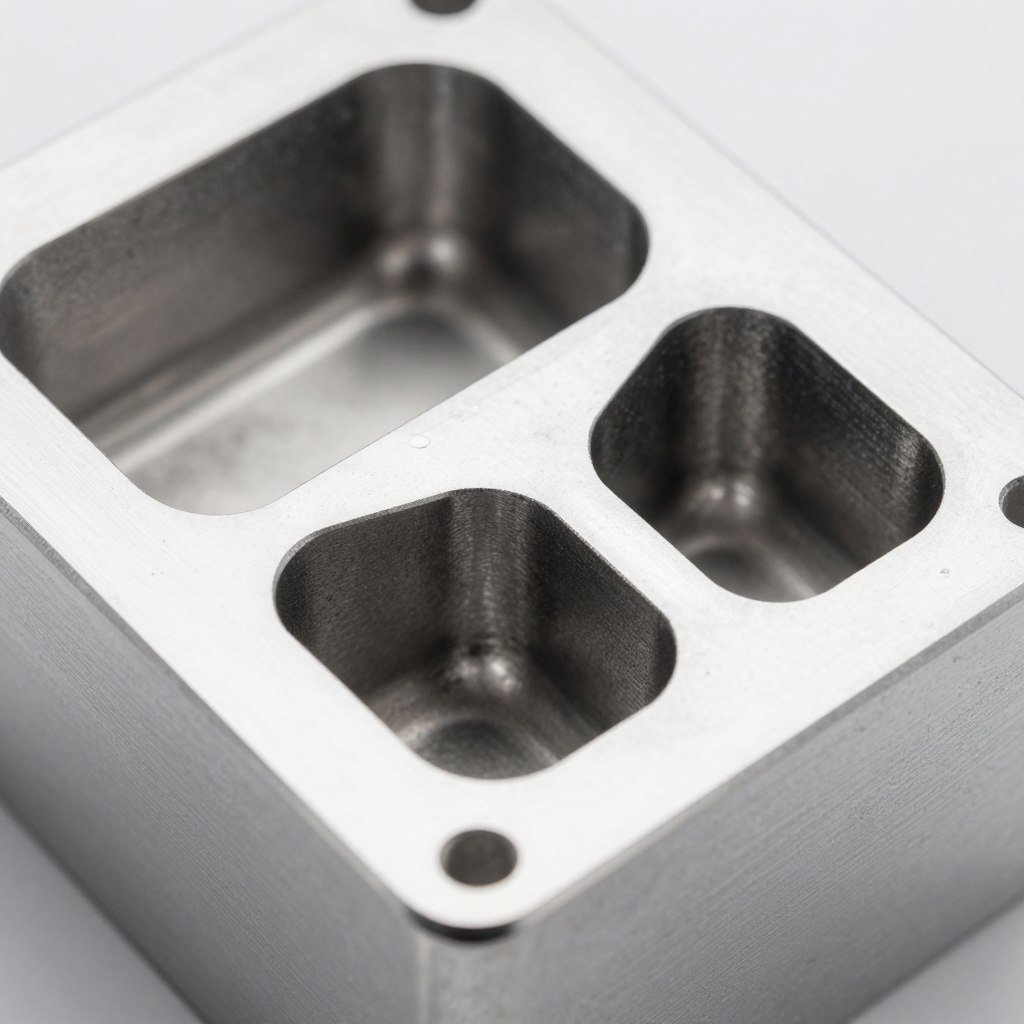
Professional molds undergo 900-degree Celsius heat treatment. This carburizing process hardens the steel surface while maintaining core flexibility. Properly treated molds produce 500,000-800,000 blocks before replacement becomes necessary.
Chrome plating reduces friction between mold and compressed material. This surface treatment prevents material adhesion. Block ejection occurs smoothly without damage to edges or corners.
Regular maintenance extends mold lifespan significantly. Daily cleaning removes residual earth material. Monthly inspection identifies wear patterns before quality issues develop.
Multi-Block Production Capabilities
Advanced machines accommodate multiple cavity molds. A single compression cycle produces 2-8 blocks simultaneously. This multiplication effect dramatically increases hourly output.
Pallet size constraints limit maximum mold dimensions. Standard 950×900mm pallets suit most multi-cavity configurations. Larger pallets require custom handling equipment.
South African Earth Brick Making Machine Project Implementation Scenarios
Real-world applications demonstrate how different equipment configurations solve specific construction challenges across South Africa.
Small-Scale Rural Housing Project
A community development organization in Limpopo Province required 50,000 blocks for social housing. Budget constraints limited initial capital investment. Site access prevented delivery of large equipment.
Solution: Two MAIKONG manual hydraulic presses provided adequate capacity. Production teams worked in rotation across 8 weeks. Total equipment investment remained under R150,000.
Results: Block production cost averaged R2.40 per unit including labor and materials. Comparable commercial blocks cost R5.20 delivered to site. The project saved over R140,000 in material costs.
Commercial Estate Development
A Western Cape property developer planned 120 residential units. Load-bearing earth block walls formed the primary construction method. Timeline demanded production of 800,000 blocks within 6 months.
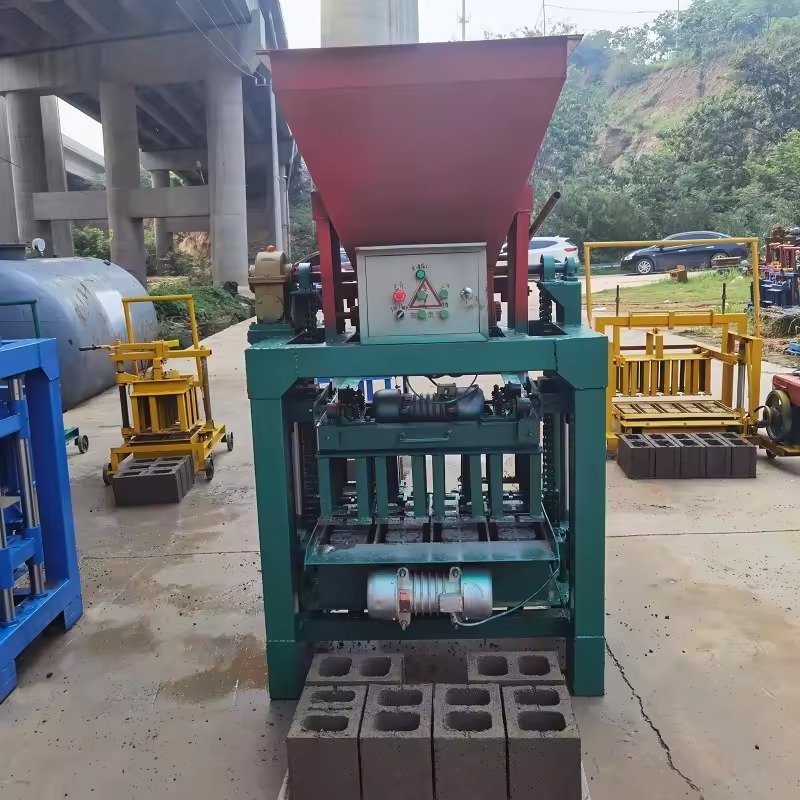
Solution: MAIKONG QT8-15 automatic production line with dual mold configuration. Six-person crew maintained continuous operation across single shift. Secondary curing area accommodated 14-day strength development.
Results: Average daily production reached 14,200 blocks. Total production completed ahead of schedule in 4.5 months. Equipment cost recovered within 18 months through reduced material expenses.
Brick Production Business Startup
An entrepreneur in KwaZulu-Natal identified market demand for earth blocks. Local construction activity created steady customer base. Business plan projected sales of 200,000 blocks annually.
Solution: Semi-automatic cement block making machine adapted for earth production. This configuration balanced output capacity against investment requirements. Land lease minimized initial property costs.
Results: Production capacity of 2,400 blocks daily met market demand with buffer capacity. Sales revenue exceeded projections by 30% within first year. Profits funded second production line acquisition in year two.
Municipal Infrastructure
Small municipalities utilize earth blocks for public facilities construction. Budget optimization drives material selection.
- Public toilet block construction
- Community center facilities
- Municipal office buildings
- Parks and recreation structures
Typical Scale: 30,000-100,000 blocks per project
Recommended Equipment: Manual or semi-automatic systems
Agricultural Operations
Farms require cost-effective building materials for various structures. On-site production eliminates transport costs.
- Storage building construction
- Livestock housing facilities
- Worker accommodation blocks
- Workshop and equipment sheds
Typical Scale: 10,000-50,000 blocks per project
Recommended Equipment: Manual portable systems
Commercial Production
Dedicated block manufacturers supply regional construction markets. Consistent quality and volume define success.
- Regional builder supply contracts
- Retail yard distribution
- Large development projects
- Export to neighboring regions
Typical Scale: 500,000+ blocks annually
Recommended Equipment: Automatic production lines
Site Infrastructure Requirements
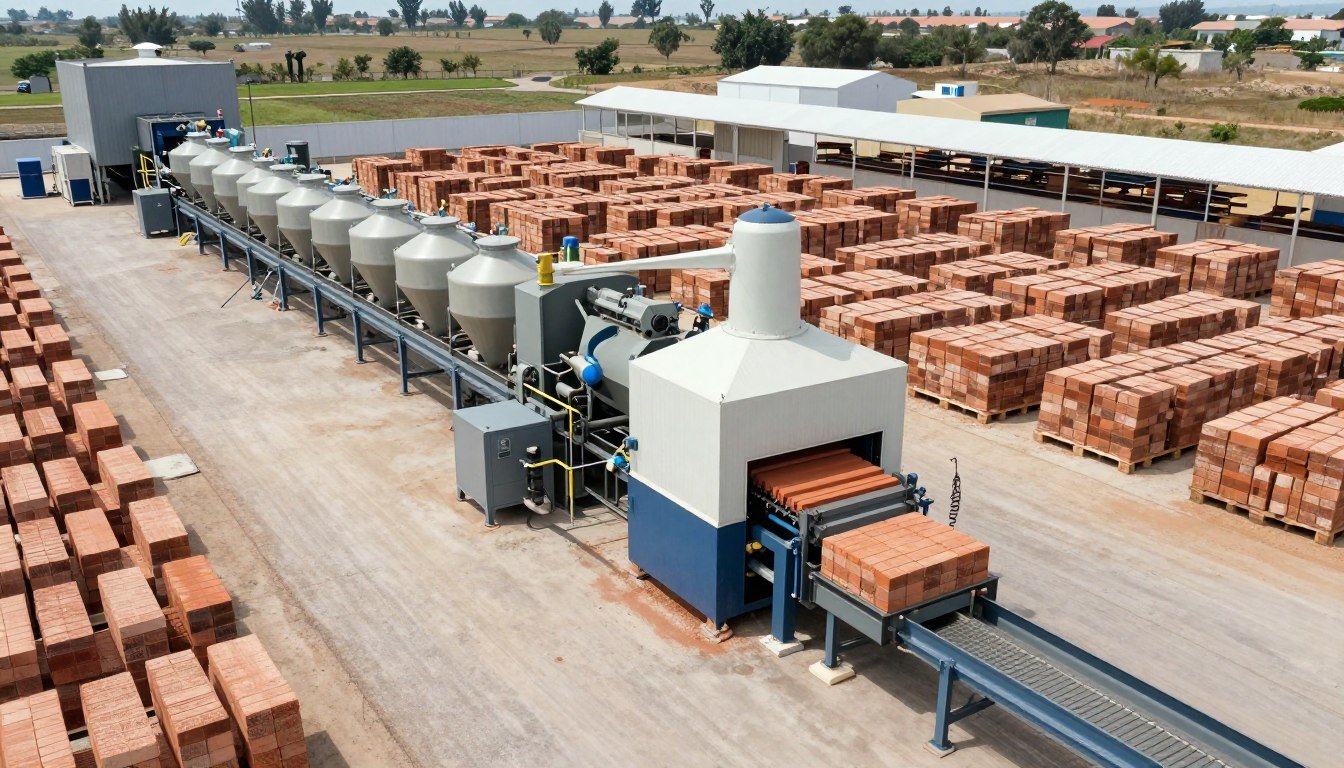
Successful earth block production requires appropriate facility planning. Land area calculations depend on production volume and curing time requirements.
The MAIKONG QT8-15 system operates efficiently on 2,500-6,500 square meters. This footprint accommodates raw material storage, production area, and curing yard. Covered workspace protects equipment from weather exposure.
| Infrastructure Element | Manual System | Semi-Automatic | Automatic Line |
| Total Land Area | 300-800 m² | 1,200-2,000 m² | 2,500-6,500 m² |
| Covered Production Area | 50-100 m² | 120-180 m² | 200-300 m² |
| Raw Material Storage | 80-150 m² | 250-400 m² | 600-1,000 m² |
| Curing Yard Space | 150-400 m² | 700-1,200 m² | 1,500-4,500 m² |
| Water Storage Capacity | 1,000-2,000 liters | 3,000-5,000 liters | 10,000-15,000 liters |
| Power Supply Required | None or single-phase | Three-phase 30 KW | Three-phase 80 KW |
Earth Brick Making Machine Pricing and Investment Return Analysis
Equipment pricing varies according to automation level, production capacity, and included features. Understanding total investment requirements prevents budget surprises.
Equipment Price Ranges
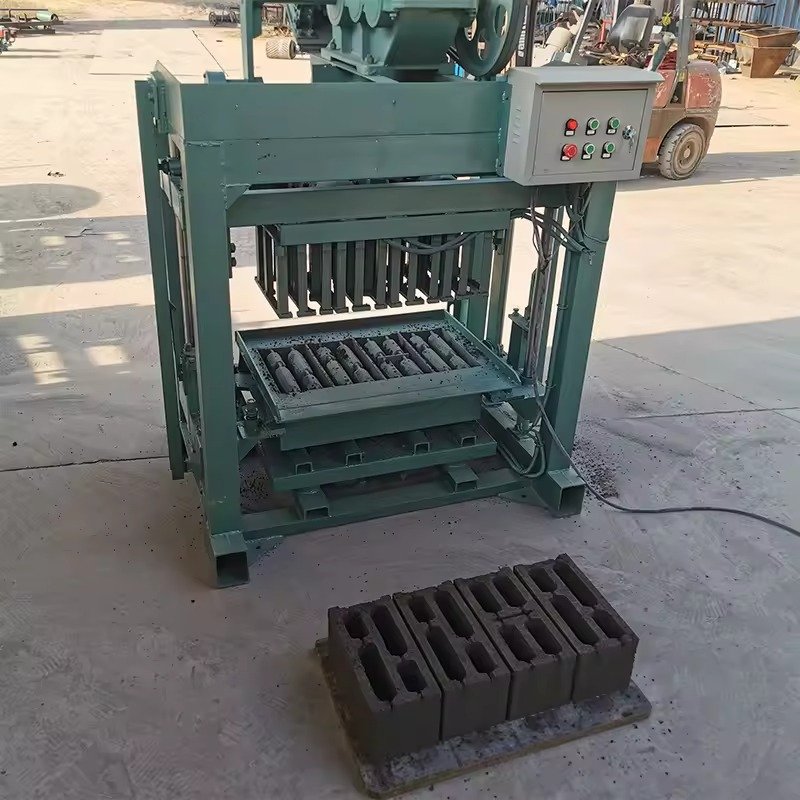
Manual systems start at approximately R45,000 for basic models. Advanced manual presses with improved compression systems cost R90,000-R120,000. These prices include standard mold sets and basic tooling.
The MAIKONG QT8-15 automatic production line ranges from USD 45,000 to USD 70,000 (approximately R675,000-R1,050,000 at current exchange rates). This investment includes complete production equipment, standard molds, and commissioning support.
Additional Investment Components
Site preparation costs vary significantly by location. Concrete foundation slabs for automatic equipment require R25,000-R45,000 investment. Manual systems operate on compacted earth with minimal preparation.
Three-phase electrical installation adds R15,000-R35,000 to project budgets. Solar power systems offset ongoing energy costs but increase initial investment by R180,000-R280,000 for adequate capacity.
Material handling equipment supports efficient production. Wheelbarrows and shovels suffice for manual operations. Automatic lines benefit from front-end loaders or conveyor systems costing R120,000-R350,000.
Manual System Investment
- Machine equipment: R45,000-R120,000
- Additional molds: R8,000-R15,000
- Basic tools and equipment: R5,000-R12,000
- Site preparation: R8,000-R20,000
- Initial material stock: R15,000-R25,000
- Working capital (3 months): R35,000-R60,000
- Total Investment: R116,000-R252,000
Semi-Automatic Investment
- Machine equipment: R220,000-R380,000
- Additional molds: R15,000-R30,000
- Electrical installation: R12,000-R25,000
- Site preparation: R18,000-R35,000
- Material handling equipment: R25,000-R50,000
- Initial material stock: R30,000-R50,000
- Working capital (3 months): R80,000-R140,000
- Total Investment: R400,000-R710,000
Automatic Line Investment
- Machine equipment: R675,000-R1,050,000
- Additional molds: R35,000-R60,000
- Electrical installation: R25,000-R45,000
- Site preparation: R35,000-R65,000
- Material handling equipment: R120,000-R280,000
- Initial material stock: R60,000-R100,000
- Working capital (6 months): R180,000-R320,000
- Total Investment: R1,130,000-R1,920,000
Production Cost Analysis
Raw material costs dominate per-block expenses. Earth sourcing depends on site location. On-site soil eliminates purchase and transport costs. Commercial earth suppliers charge R180-R320 per ton delivered.
Cement stabilizer at 7% addition rate consumes approximately 14 kg per cubic meter of blocks. Current Portland cement prices of R1,650 per ton translate to roughly R0.23 cement cost per standard block.
| Cost Component | Manual Production | Semi-Automatic | Automatic Production |
| Raw Earth Material | R0.60-R1.20 per block | R0.55-R1.10 per block | R0.50-R1.00 per block |
| Cement Stabilizer (7%) | R0.23 per block | R0.23 per block | R0.23 per block |
| Water Consumption | R0.02 per block | R0.02 per block | R0.02 per block |
| Labor Cost | R0.85-R1.20 per block | R0.40-R0.65 per block | R0.18-R0.30 per block |
| Energy Cost | Negligible | R0.08-R0.12 per block | R0.05-R0.08 per block |
| Equipment Depreciation | R0.12-R0.18 per block | R0.15-R0.22 per block | R0.08-R0.12 per block |
| Total Production Cost | R1.82-R2.85 per block | R1.43-R2.34 per block | R1.06-R1.75 per block |
Return on Investment Calculations
Market prices for earth blocks range from R4.50 to R6.80 per unit depending on location and quality. Production cost advantages create attractive profit margins.
A manual operation producing 800 blocks daily generates R1,600-R3,200 gross profit per working day. Monthly revenue potential reaches R35,200-R70,400 with 22 working days. Equipment investment recovers within 4-8 months.
Automatic production economics improve at scale. Daily output of 14,000 blocks at R3.50 average margin yields R49,000 profit per day. Monthly gross profits exceed R1,078,000. Capital recovery occurs within 13-18 months despite higher initial investment.
Get Customized Project Cost Analysis
MAIKONG financial planning team prepares detailed investment and return projections specific to your production plans. We analyze your local material costs, market prices, and production targets. Our calculations help secure financing and validate business feasibility.
Prefer to discuss by phone?
Delivery, Installation, and After-Sales Support for South African Customers
MAIKONG maintains comprehensive support infrastructure for South African clients. From initial order through years of operation, our team ensures production success.
Shipping and Customs Clearance
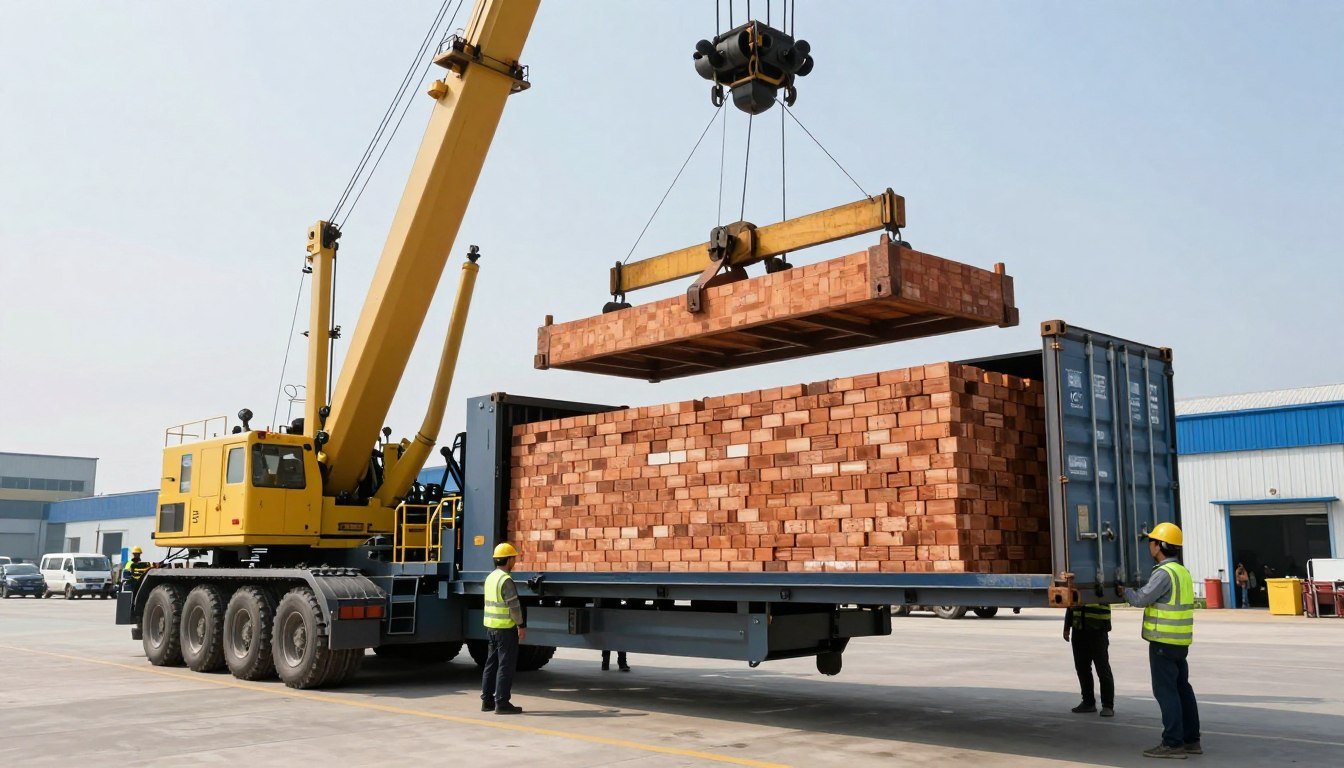
Equipment ships from our GD, SZ manufacturing facility to South African ports. Standard sea freight transit requires 18-25 days to Durban or Cape Town. Express shipping options reduce delivery time to 12-15 days at additional cost.
Documentation packages include commercial invoices, packing lists, and certificates of origin. Our export department coordinates with South African customs brokers. Duty and VAT calculations precede shipment to prevent surprise costs.
Installation and Commissioning Services
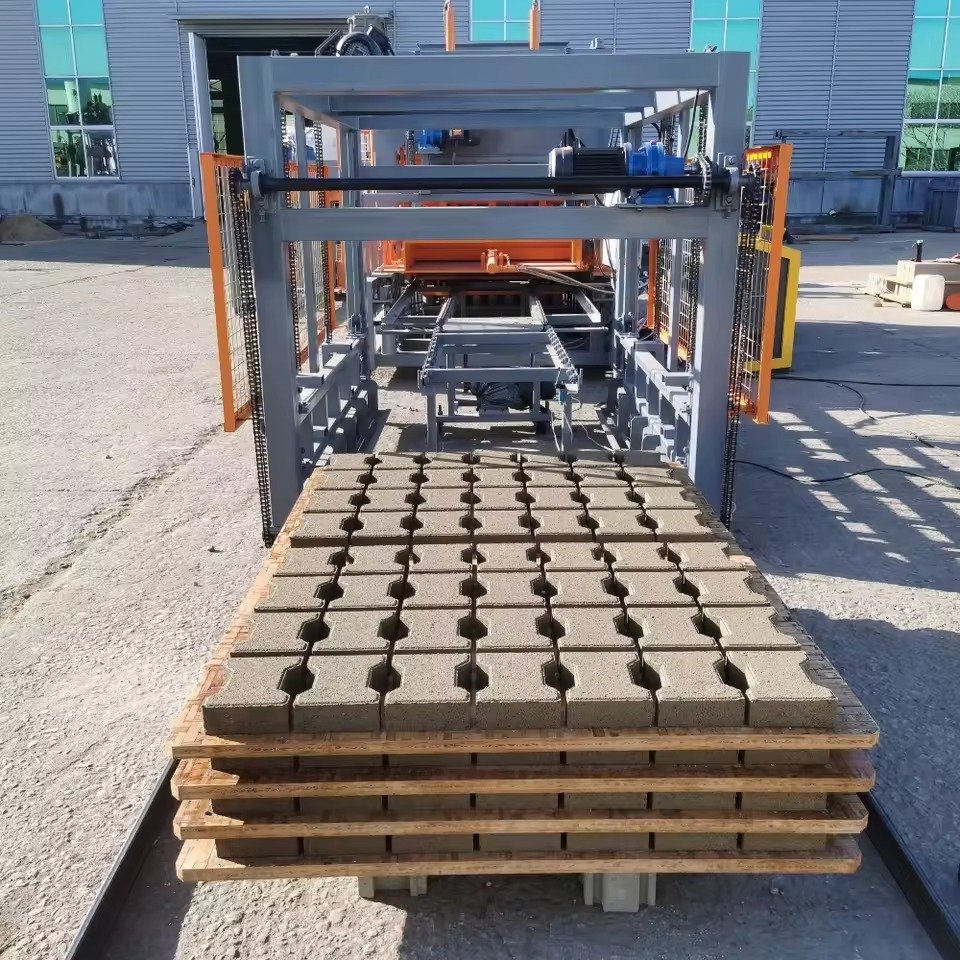
Automatic production lines include installation supervision. MAIKONG technicians travel to your South African site for equipment assembly. Typical installation duration spans 5-7 working days for complete lines.
Commissioning process verifies all system functions. Initial production runs establish baseline performance metrics. Operators receive hands-on training during this phase.
Manual and semi-automatic systems ship with detailed assembly manuals. Video guidance supplements written instructions. Remote technical support via WhatsApp assists with setup questions.
Installation Services Included
- Equipment uncrating and component inventory
- Mechanical assembly and alignment verification
- Electrical connection supervision and testing
- Hydraulic system pressure calibration
- Control panel programming and setup
- Initial production test runs and adjustments
- Operator training on all functions
- Preventive maintenance instruction
- Documentation package delivery
Post-Installation Support
- 24/7 WhatsApp technical support line
- Email support with 12-hour response time
- Video call troubleshooting sessions
- Spare parts identification assistance
- Production optimization recommendations
- Quality issue diagnosis and resolution
- Upgrade and expansion consultation
- Warranty claim processing and support
Training Programs
Comprehensive operator training ensures production efficiency. Training covers machine operation, quality control procedures, and routine maintenance tasks. Programs adapt to equipment complexity and operator experience levels.
Basic manual press training requires 1-2 days. Operators learn material preparation, mold filling techniques, and compression cycle execution. Quality standards and safety procedures receive emphasis.
Automatic system training extends across 4-5 days. PLC operation, sensor adjustment, and troubleshooting procedures form core curriculum. Advanced topics include production scheduling and efficiency optimization.
Warranty Coverage and Terms
MAIKONG provides 12-month warranty coverage from commissioning date. This protection covers manufacturing defects and material failures. Normal wear items like molds and seals have separate warranty terms.
Warranty claims process through our South African support email. Photographic documentation and operational logs expedite assessment. Approved claims receive replacement parts via express shipping.
Extended warranty options available at purchase. These programs extend coverage to 24 or 36 months. Premium service packages include annual inspection visits and priority parts supply.
Spare Parts Availability
Critical spare parts stock in our regional distribution network. Common wear items ship within 3-5 business days to South African addresses. Emergency replacement parts qualify for overnight courier service.
Recommended spare parts packages ensure production continuity. Initial orders include hydraulic seals, electrical contactors, and sensor components. This inventory prevents extended downtime during repairs.
| Spare Part Category | Replacement Interval | Stock Recommendation | Average Cost Range |
| Hydraulic Seals Kit | 12-18 months | 1 complete kit | R2,200-R3,800 |
| Vibration Motor | 24-36 months | 1 unit | R8,500-R12,000 |
| Proximity Sensors | 18-24 months | 2 units | R850-R1,400 each |
| Solenoid Valves | 24-30 months | 1 set (4 units) | R4,200-R6,800 |
| Mold Inserts | 500,000-800,000 blocks | 1 spare set | R12,000-R28,000 |
| Control Panel Components | 36-48 months | Critical backups only | R3,500-R15,000 |
Frequently Asked Questions About Earth Brick Making Machines
What is the difference between an earth brick making machine and a standard concrete block making machine?
Earth brick machines optimize for natural soil materials with minimal cement content. Standard concrete machines require higher cement ratios and different compression profiles.
The primary difference lies in material distribution systems. Earth machines incorporate specialized distributors that handle variable moisture content and particle sizes. Vibration frequencies adjust to compact earth effectively without segregation.
Mold designs also differ significantly. Earth brick molds accommodate larger particles and natural material variations. Surface finish requirements differ from smooth concrete blocks.
However, many modern machines like MAIKONG systems handle both material types. Adjustable parameters allow production switching between earth and concrete blocks using the same equipment platform.
How much does an earth brick making machine for sale in Cape Town typically cost?
Pricing varies significantly based on automation level and production capacity. Manual systems available in Cape Town range from R45,000 to R120,000 for basic to advanced models.
Semi-automatic equipment costs between R220,000 and R380,000 including standard features. These systems balance initial investment against improved productivity.
Fully automatic production lines represent the highest investment at R675,000 to R1,050,000. This pricing includes complete production equipment but excludes site preparation and auxiliary equipment.
Contact MAIKONG for specific quotations based on your production requirements. Our team provides detailed cost breakdowns including delivery to Cape Town, installation, and training. Email Lucy@ibrickmakingmachine.co.za or WhatsApp +86 158-1555-6422 for personalized pricing.
Can I use a rammed earth brick machine to produce interlocking blocks?
Yes, modern hydraulic earth brick machines accommodate interlocking mold configurations. The key requirement is sufficient compression force to create precise interlocking profiles.
MAIKONG machines generate 80-100 KN hydraulic pressure suitable for interlocking block production. Mold tolerances must be extremely precise to ensure proper fit during construction.
Interlocking molds cost approximately 40-60% more than standard block molds due to complexity. However, the market premium for interlocking blocks justifies this additional investment.
Production speed may decrease slightly with interlocking molds. The complex geometry requires careful ejection to prevent edge damage. Operators require additional training for quality control procedures.
What power supply do I need for an automatic earth brick making machine?
Automatic systems require three-phase electrical supply at 380V or 415V. South African standard 415V three-phase works perfectly with MAIKONG equipment configured for your market.
Total power capacity needs range from 50-80 KW depending on production line configuration. The MAIKONG QT8-15 model consumes 76.8 KW maximum during full operation.
If three-phase power is unavailable at your site, diesel generator alternatives are feasible. A 100 KVA generator provides adequate capacity for continuous operation. Generator costs add R180,000-R280,000 to initial investment.
Solar power integration is increasingly popular for daytime production. Hybrid solar-grid systems reduce ongoing energy costs significantly. Our engineering team can design solar solutions matched to your production schedule.
How long do earth blocks need to cure before use in construction?
Minimum curing time is 7 days before handling and transport. Blocks achieve approximately 70% of final strength during this initial week. Moisture protection during curing prevents surface damage.
Full structural strength develops over 28 days similar to conventional concrete. Construction can commence at 14 days for non-load-bearing applications. Load-bearing walls should use blocks with full 28-day cure.
Curing conditions significantly impact strength development. Maintaining moisture through regular water spray for the first 7 days optimizes strength gain. Protection from direct sun and wind prevents premature drying.
Blocks produced with earth brick making machines and proper cement stabilization continue gaining strength beyond 28 days. Testing at 90 days often shows 10-15% additional strength compared to 28-day values.
What maintenance does an earth brick making machine require?
Daily maintenance includes cleaning material residue from molds and distribution systems. Hydraulic oil levels require checking before each production shift. Lubrication points need greasing according to manufacturer schedules.
Weekly tasks involve inspecting hydraulic hoses for wear or damage. Vibration system bolts need torque verification. Electrical connections undergo visual inspection for looseness or corrosion.
Monthly maintenance includes hydraulic filter changes and oil quality testing. Mold alignment verification ensures quality consistency. Sensor calibration prevents production interruptions.
Annual service should involve complete hydraulic system overhaul. Professional inspection identifies wear before failures occur. MAIKONG offers annual service contracts for automatic systems including on-site technician visits.
Can I produce different block sizes with one machine?
Yes, most block making machines accept multiple mold sets. Changing between standard sizes requires 30-45 minutes for manual mold replacement.
MAIKONG equipment accommodates various mold dimensions within the machine’s maximum capacity. Common sizes include 390×190×190mm, 400×200×200mm, and 240×115×90mm. Custom dimensions are available through mold customization.
Investment in multiple mold sets increases initial costs but provides market flexibility. Producers can switch between block types based on current demand. This adaptability improves equipment utilization rates.
Some advanced systems feature quick-change mold plates reducing changeover to 10-15 minutes. This feature suits operations producing multiple block types daily. Discuss quick-change options with our technical team during equipment selection.
How do I order an earth brick making machine from MAIKONG?
The ordering process begins with a consultation to understand your specific requirements. Contact our team via email at Lucy@ibrickmakingmachine.co.za or WhatsApp at +86 158-1555-6422. We discuss your production goals, budget, and site conditions.
Following consultation, we prepare a detailed quotation including equipment specifications, pricing, delivery timeline, and payment terms. Quotations remain valid for 30 days allowing time for financing arrangements.
Upon order confirmation, production scheduling occurs at our GD, SZ factory. Manufacturing lead time varies from 15-45 days depending on equipment complexity and current production queue.
Payment typically structures as 30% deposit with order confirmation and 70% before shipping. Alternative payment arrangements can be discussed for large orders. Visit our order process page for detailed information.
Is financing available for earth brick making machine purchases?
MAIKONG does not directly provide financing but works with South African financial institutions familiar with equipment leasing. We provide detailed financial projections and equipment specifications to support your financing applications.
Many South African development banks offer equipment financing for manufacturing startups. Government-backed SME financing programs may cover earth brick production equipment. Our business case documentation assists with these applications.
Lease-to-own arrangements through third-party finance companies represent another option. These programs typically require 20-30% down payment with monthly installments over 36-60 months.
For guidance on financing options suitable to your situation, contact our sales team. We share experiences from similar projects and can introduce financing contacts where appropriate.
Start Your Earth Brick Making Machine Project with MAIKONG
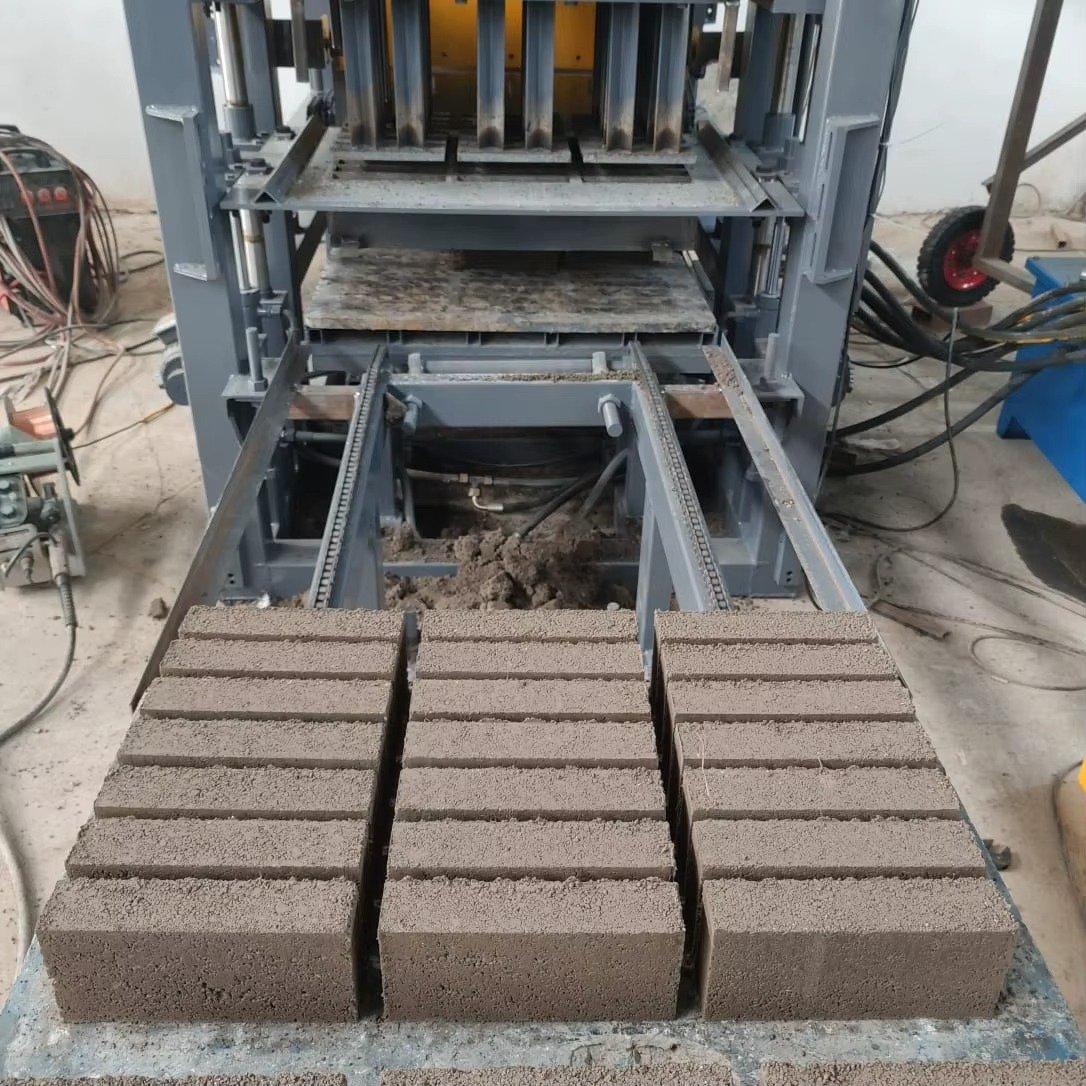
MAIKONG serves South African construction professionals with reliable equipment and comprehensive support. Our GD, SZ manufacturing facility produces machines meeting international quality standards.
Over 15 years of engineering experience informs our product development. Thousands of installations across diverse climates prove equipment durability. South African customers benefit from our understanding of regional construction requirements.
Why Choose MAIKONG Equipment?
Technical Excellence
- 900°C heat-treated molds for extended lifespan
- Chrome-plated guide pillars ensuring precision alignment
- Schneider PLC control systems for reliability
- Proportional hydraulic valves for smooth operation
- Dual vibration system for optimal compaction
- 15+ year frame lifespan with proper maintenance
Customer Support
- 24/7 WhatsApp technical support in English
- 12-month comprehensive warranty coverage
- On-site installation and commissioning service
- Operator training programs included
- Spare parts availability within 3-5 days
- Free production formula consultation
Request Your Customized Quotation
Every project has unique requirements. MAIKONG engineering team prepares equipment recommendations matched to your specific needs. We consider production targets, budget constraints, site conditions, and growth plans.
Prefer Direct Communication?
Our technical team responds immediately via WhatsApp during business hours (GMT+8, Monday-Saturday). Phone consultations provide detailed discussion of your specific requirements.
Email: Lucy@ibrickmakingmachine.co.za
Website: ibrickmakingmachine.co.za
Additional Resources
Explore our comprehensive product range and company information:
Product Categories
Specialized Equipment
Company Information
Making the Right Earth Brick Making Machine Investment
Selecting appropriate earth brick production equipment determines project success. Technical specifications must match material characteristics and production requirements. Investment levels should align with business scale and growth projections.
South African construction markets offer significant opportunities for earth brick producers. Demand continues growing across residential, commercial, and infrastructure sectors. Cost advantages over conventional materials create attractive profit margins.
MAIKONG equipment provides reliable production solutions for every project scale. From manual systems suited to small builders through to automatic lines serving large manufacturers, our product range covers all requirements.
Technical support continues throughout equipment lifespan. Our commitment extends beyond initial sale through installation, training, maintenance support, and parts supply. South African customers receive the same comprehensive service as domestic clients.
Begin your earth brick production journey with confidence. Contact MAIKONG today for expert consultation and detailed equipment recommendations specific to your project.