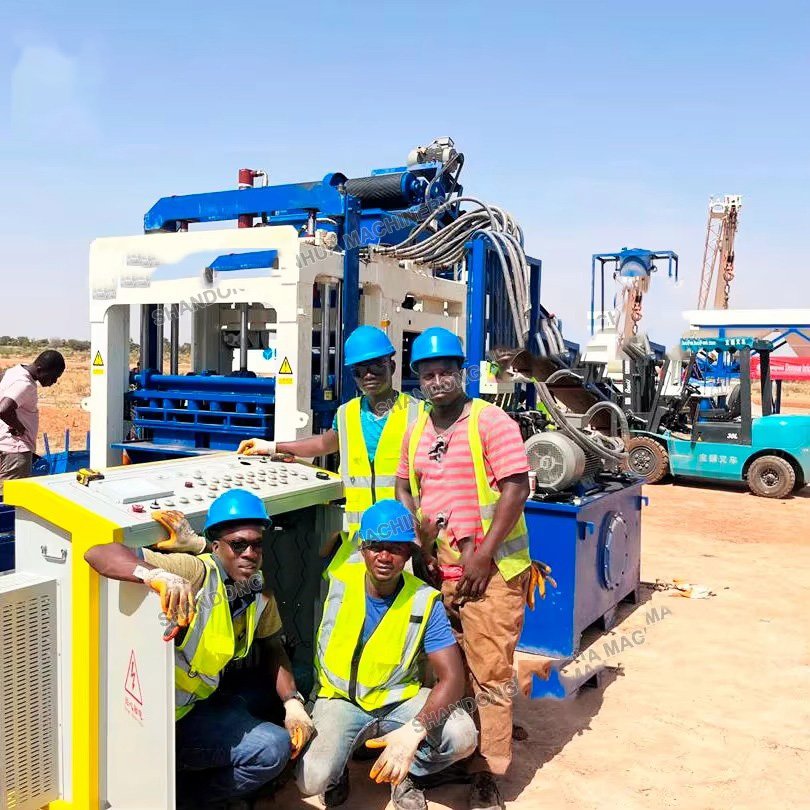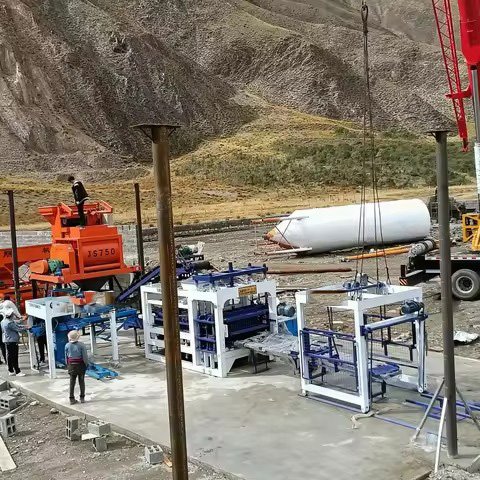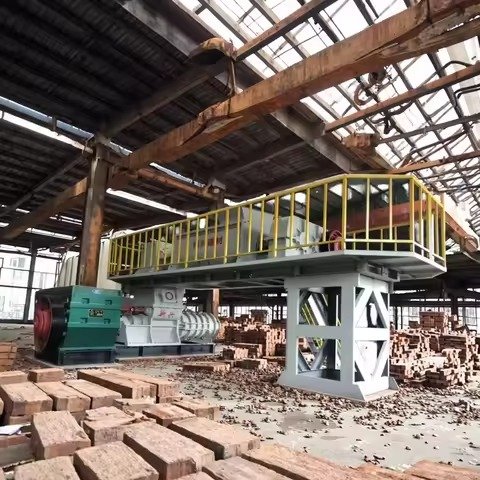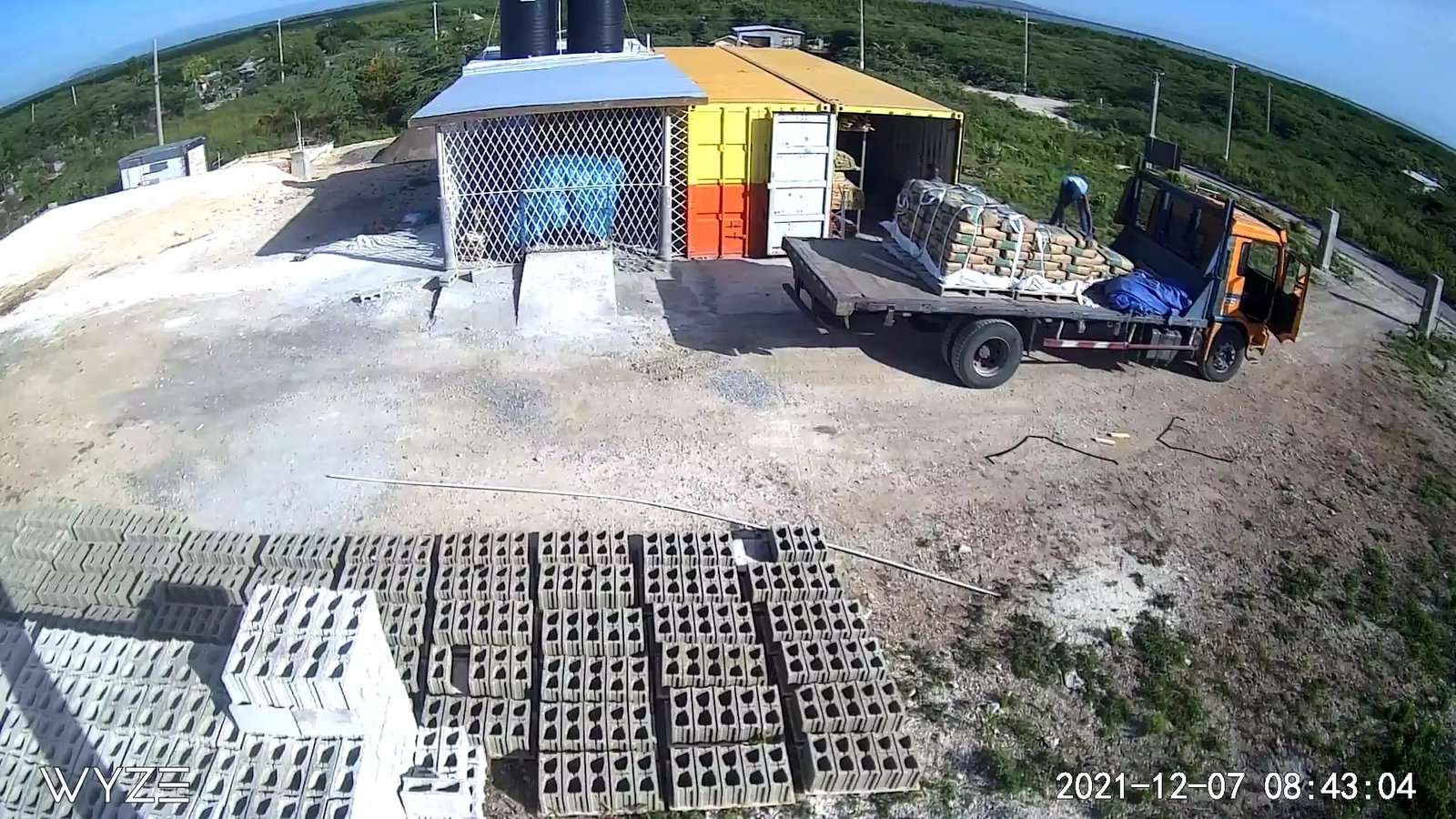
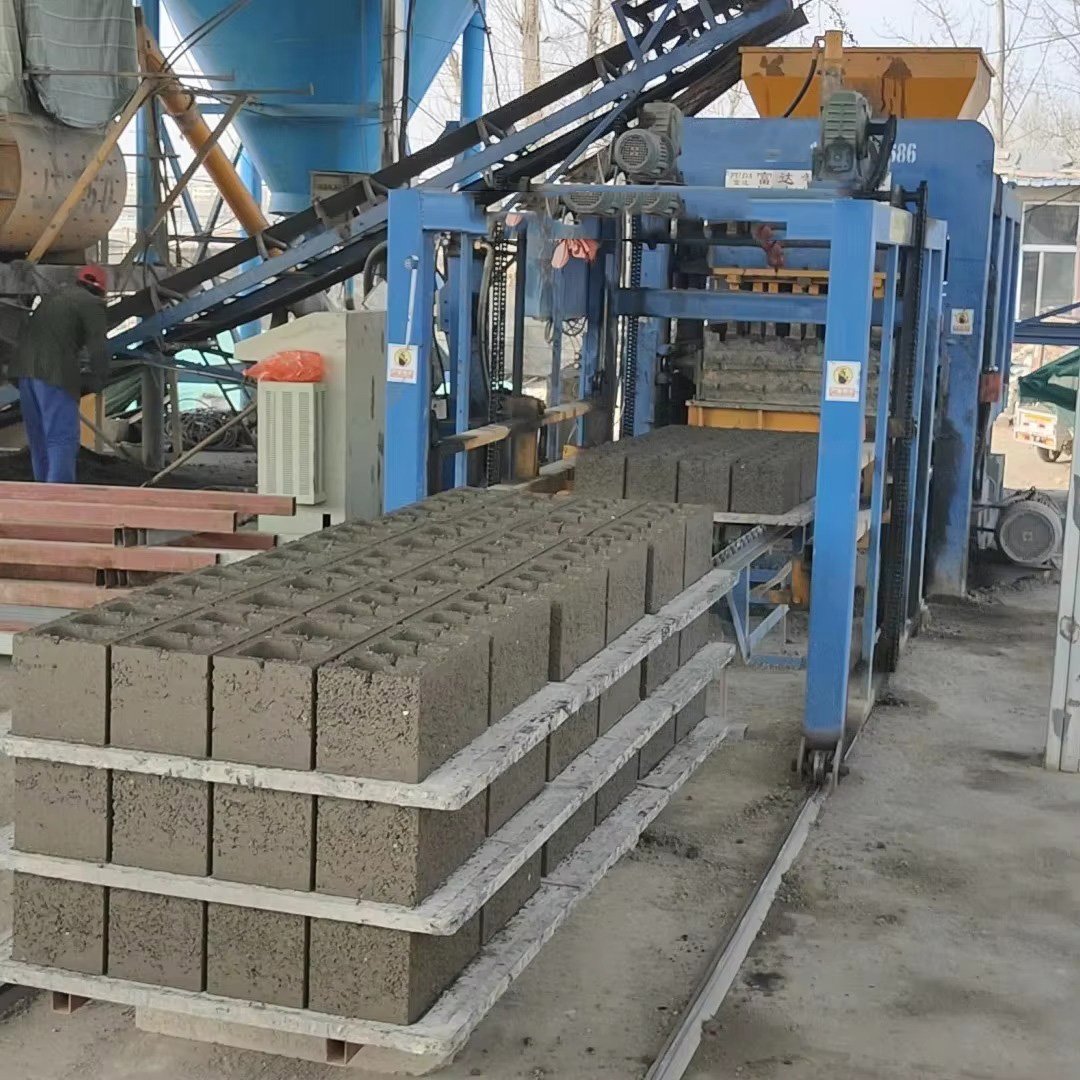
This guide examines everything South African buyers need to know. You’ll discover machine types, production capacities, pricing structures, and operational requirements. Whether you run an established brick factory in Pretoria or plan to start a small operation in Port Elizabeth, understanding your equipment options determines your business success.
Modern brick making machines have transformed production efficiency. Manual methods that once produced 500 bricks daily now compete with automated systems generating 3,000 pieces in the same timeframe. The technology has become more accessible, reliable, and cost-effective for South African markets.
Understanding Different Brick Making Machine Categories
South African buyers encounter several distinct machine categories. Each type serves specific production needs and budget levels.
Manual Brick Making Machines
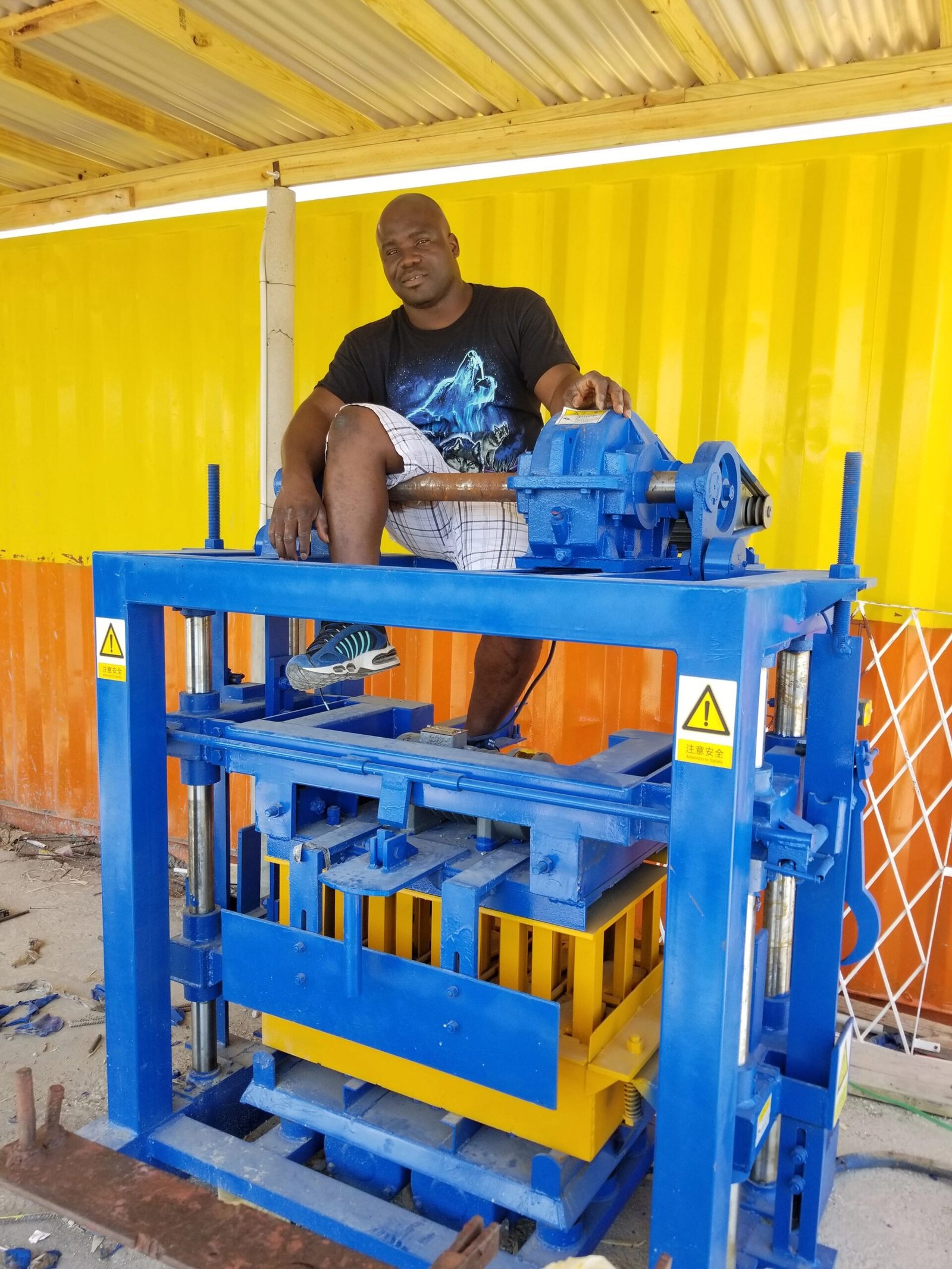
Manual systems require human operators to control the molding process. Workers load raw materials, operate the compression mechanism, and remove finished bricks. These manual brick making machines suit small workshops and startup operations.
Production capacity typically ranges from 400 to 800 bricks per eight-hour shift. The lower output makes manual machines ideal for personal projects, farm construction needs, or testing brick production before scaling up operations.
Manual Machine Advantages
- Lower initial investment (R15,000 – R45,000 range)
- Minimal electricity requirements
- Simple maintenance procedures
- Portable between job sites
- No specialized technical training needed
Operational Considerations
- Higher labor costs per brick produced
- Slower production speeds
- Physical demands on operators
- Limited to basic brick designs
- Inconsistent brick quality without skilled workers
Semi-Automatic Systems
Semi-automatic machines combine mechanical assistance with human oversight. Motors power the compression and molding processes while operators manage material feeding and brick removal. These systems represent the middle ground for growing businesses.
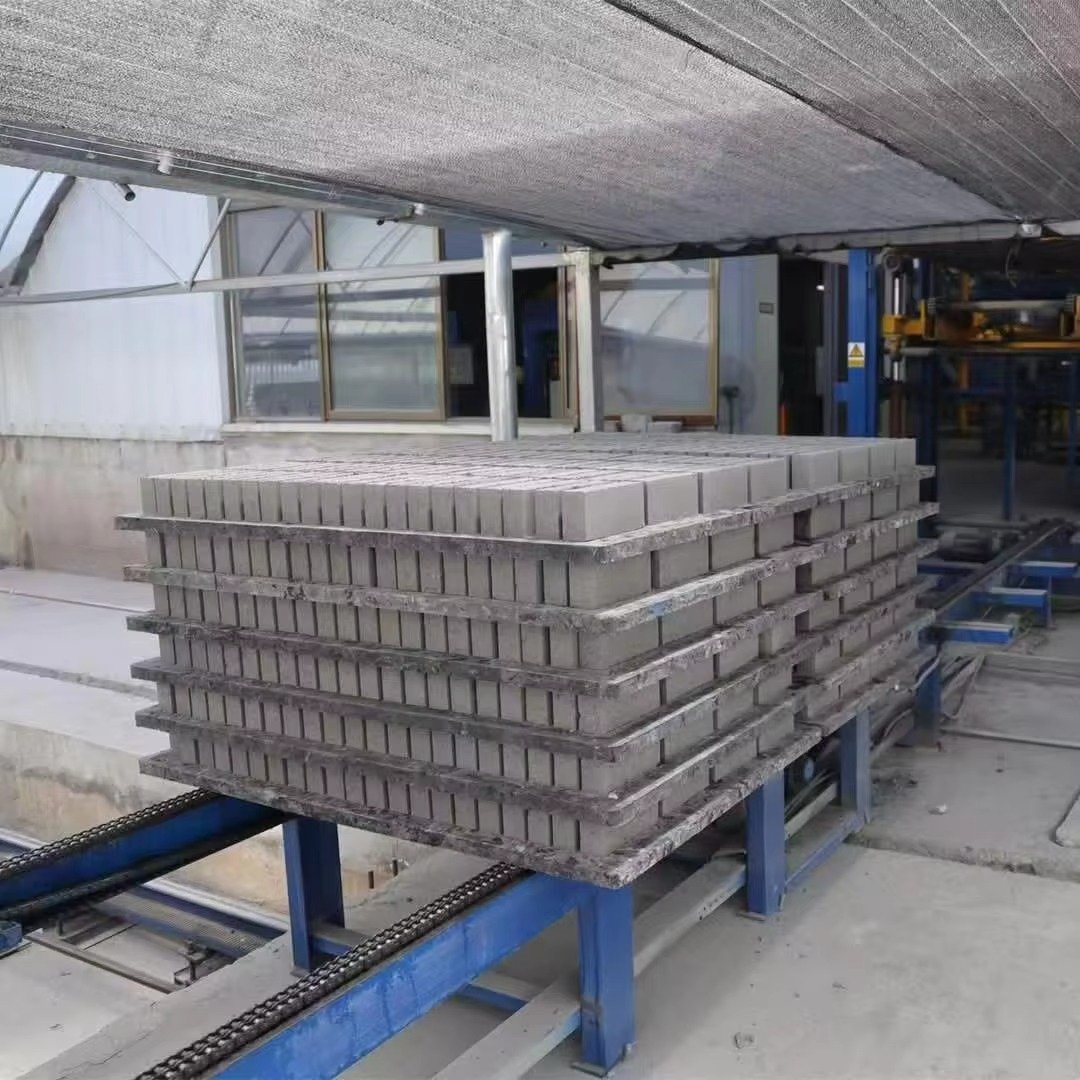
Daily production reaches 2,000 to 3,000 bricks with proper operation. The brick machine handles the demanding physical work while workers focus on quality control and material management.
Fully Automatic Production Lines
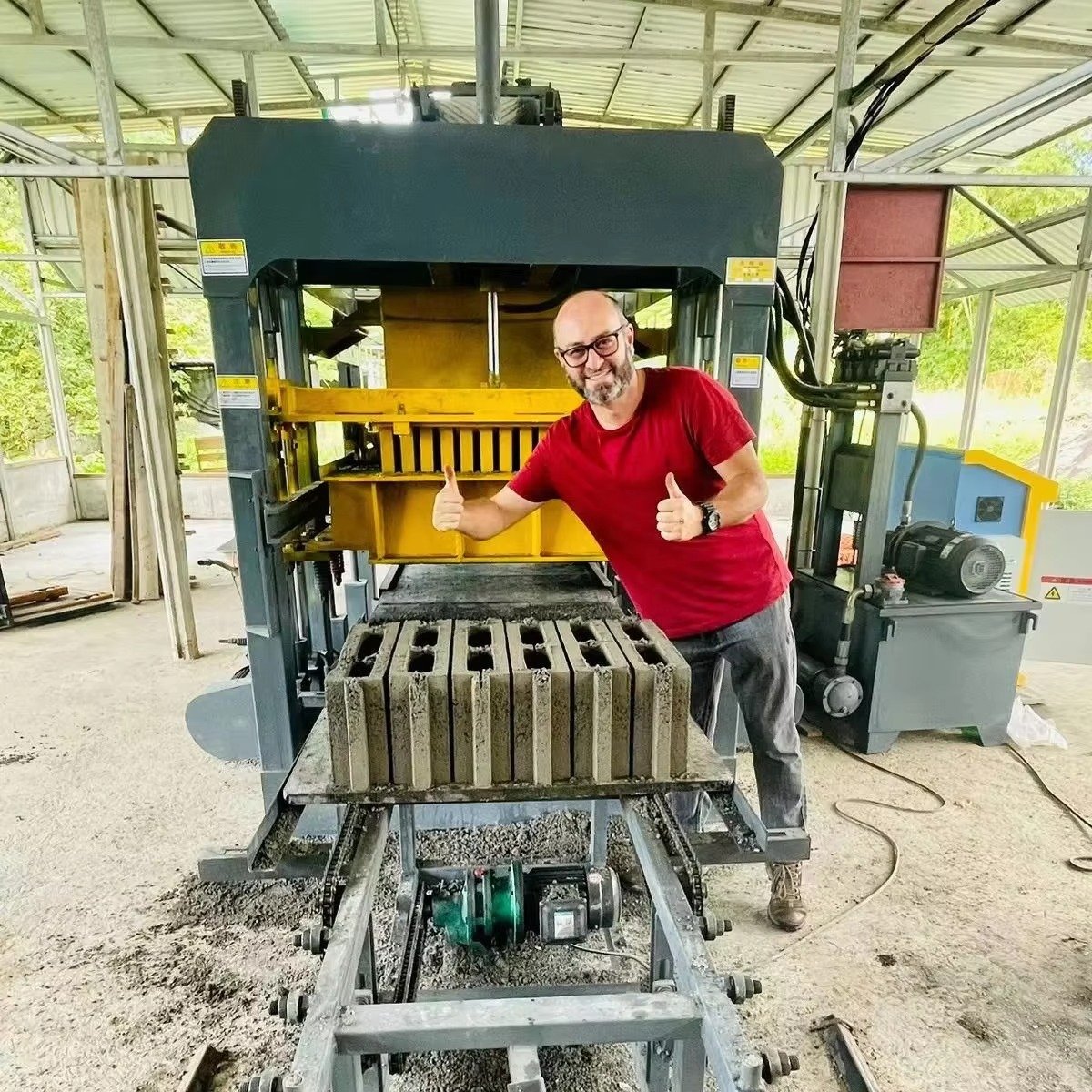
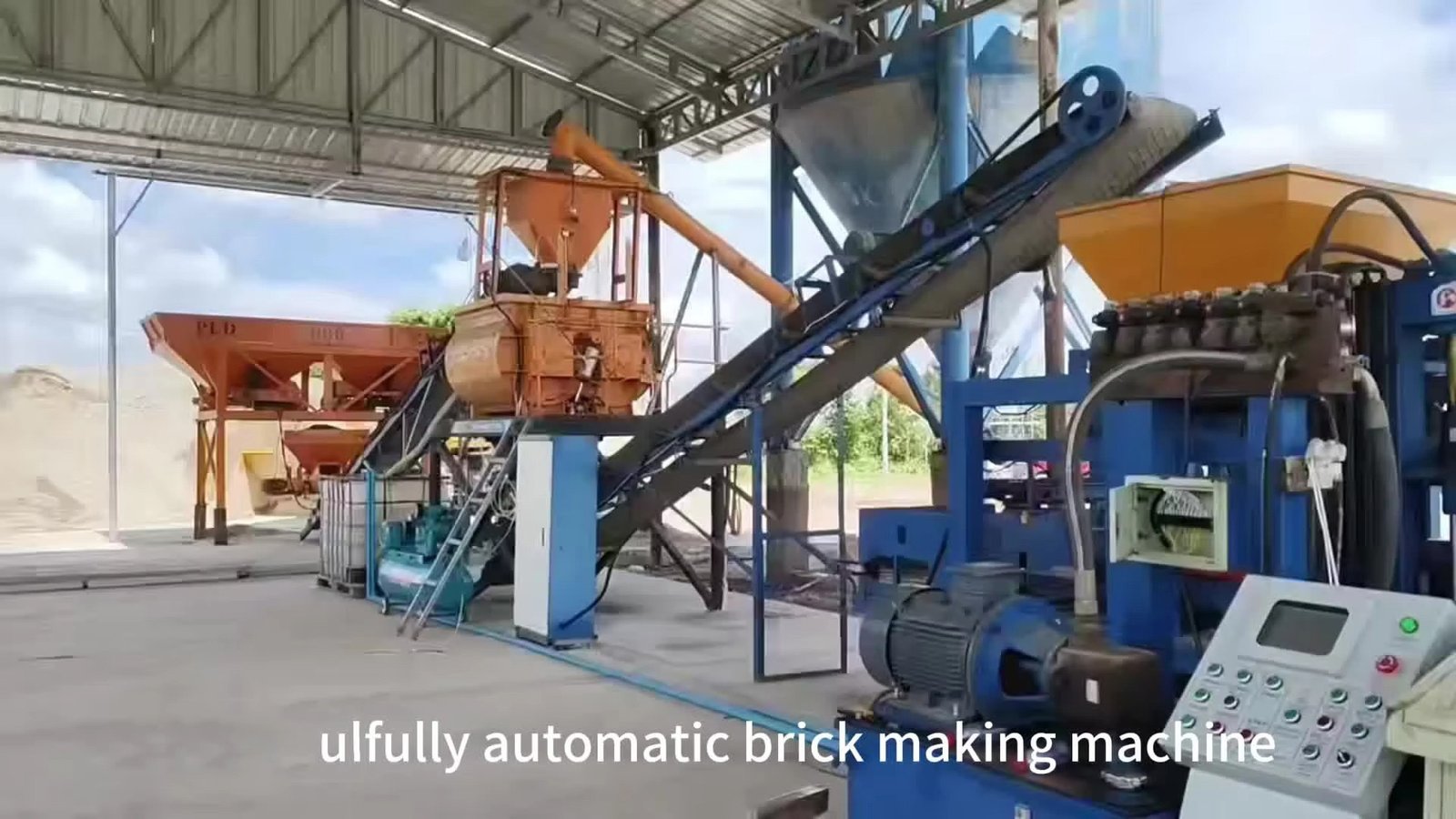
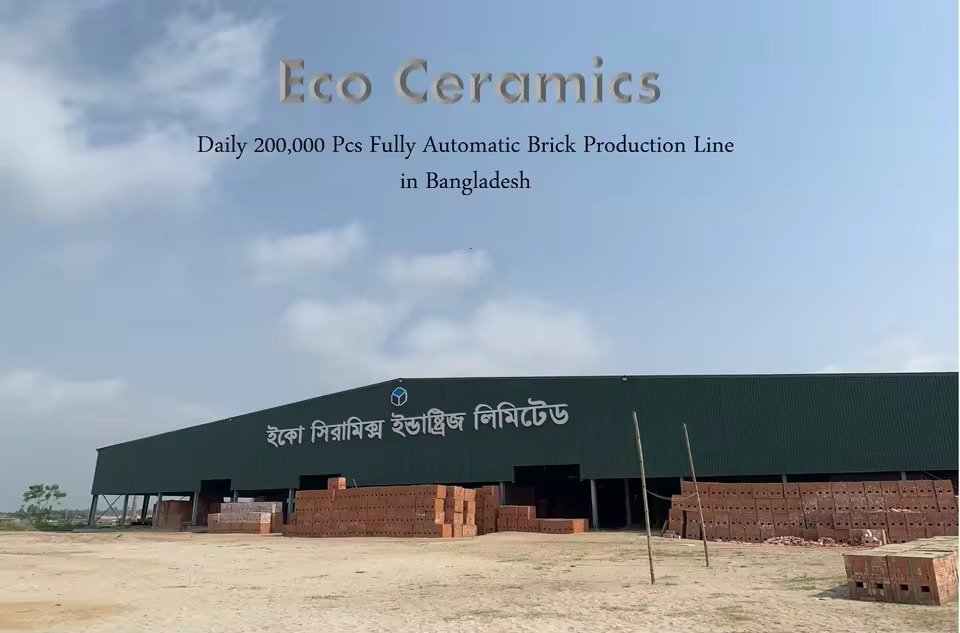
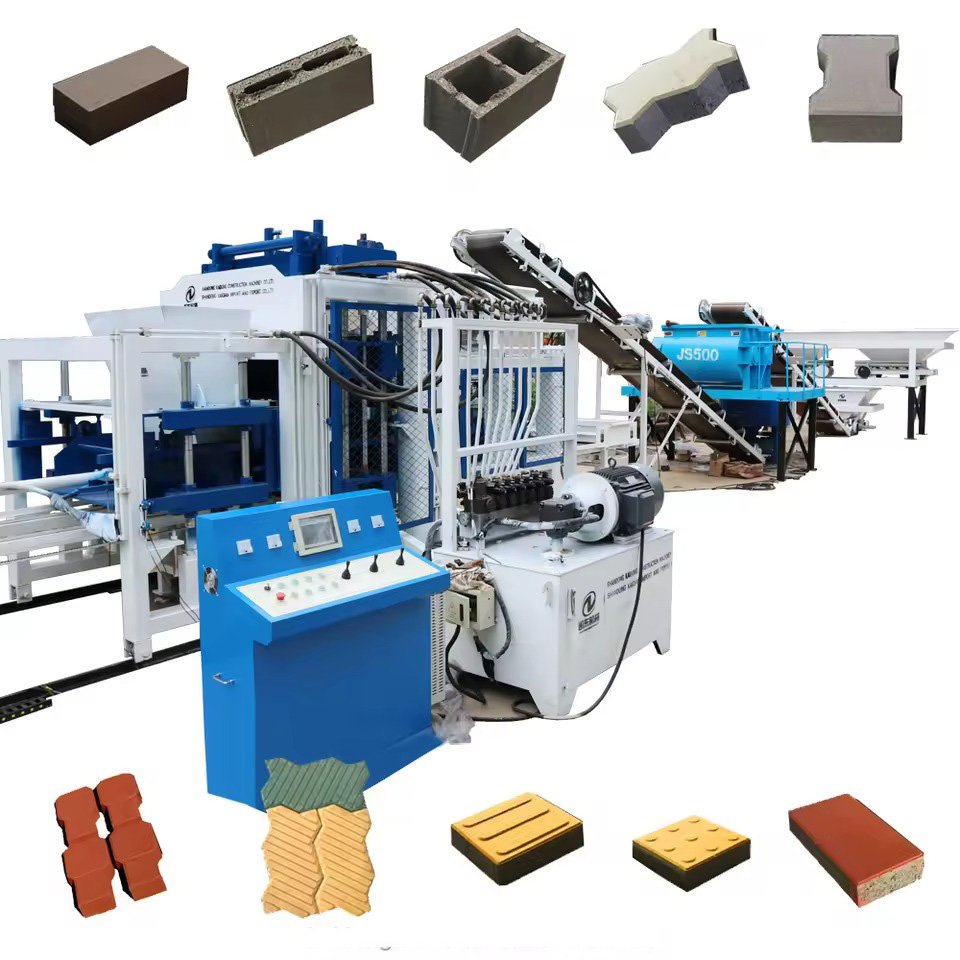
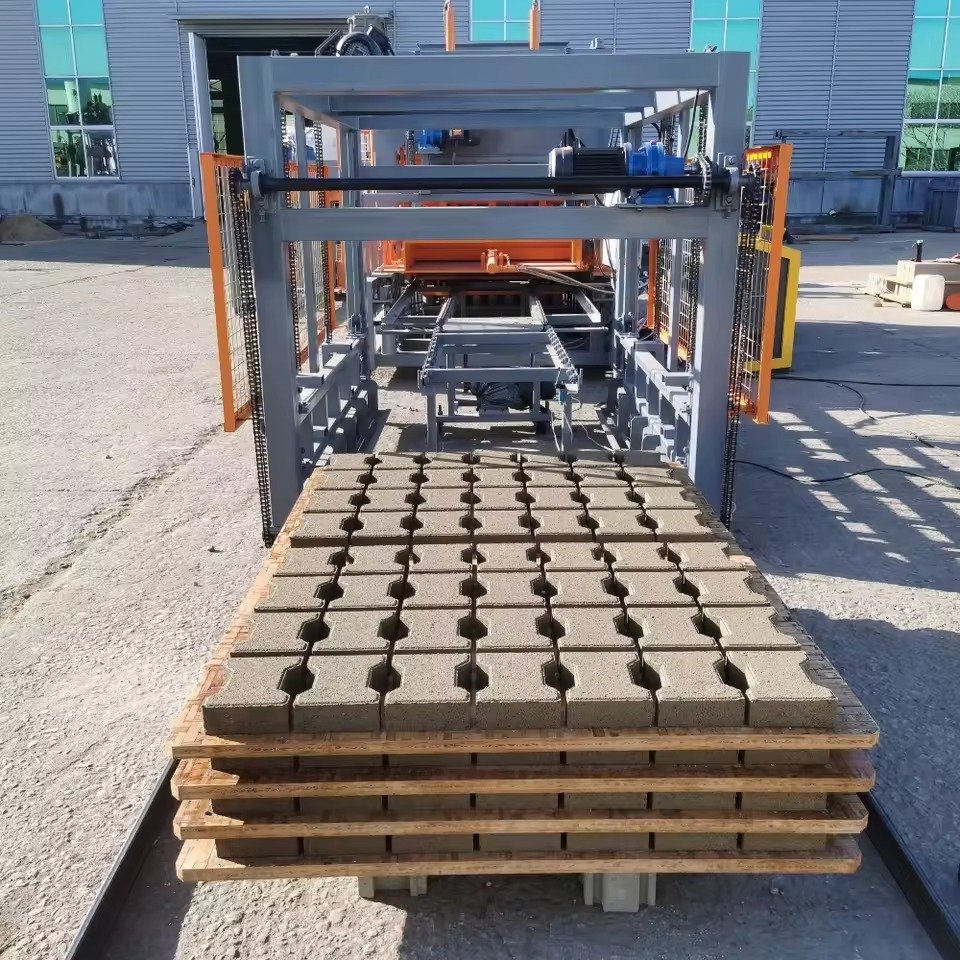
Automatic systems manage the entire production process from material mixing through finished brick output. These automatic brick making machines include batching plants, mixers, molding equipment, and curing systems.
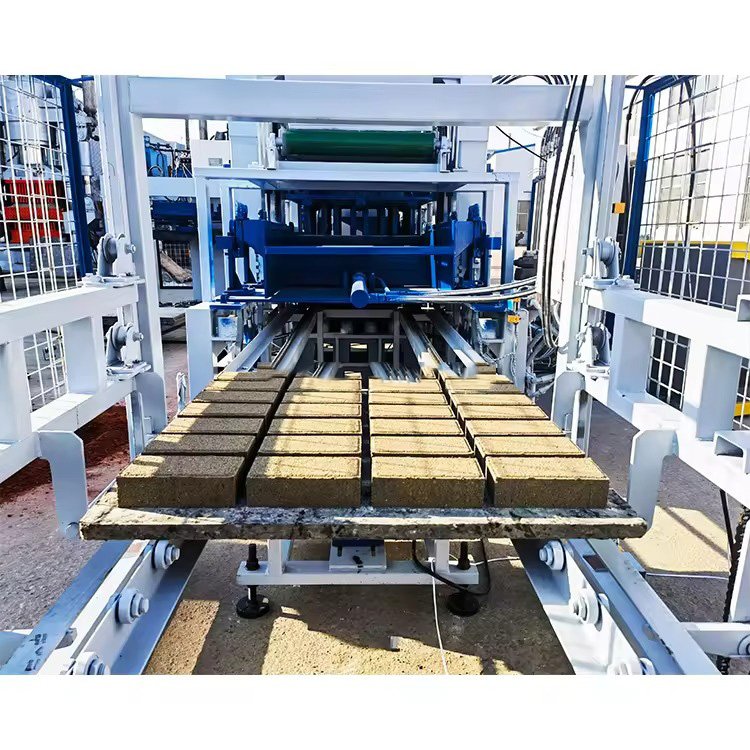
Production capacity ranges from 10,000 to 50,000 bricks daily depending on configuration. Large construction companies, municipal suppliers, and major brick manufacturers operate these systems for high-volume requirements.
Get Expert Guidance on Machine Selection
Our technical team helps South African buyers match equipment to their specific production needs and budget. Receive a customized recommendation based on your capacity requirements, available space, and growth plans.
Critical Specifications for Brick Making Machine Selection
Technical specifications determine whether a machine meets your production requirements. South African buyers should evaluate several key parameters before making purchase decisions.
Production Capacity Analysis
Manufacturers rate machines by daily production capacity. However, actual output depends on multiple factors including raw material quality, operator skill, and maintenance schedules.
| Machine Type | Hourly Capacity | Daily Output (8 Hours) | Optimal Crew Size | Power Requirements |
| Manual 5-Drop Maxi | 50-75 bricks | 400-600 bricks | 2 workers | None |
| Electric Manual | 80-120 bricks | 640-960 bricks | 2 workers | 220V/3kW |
| Semi-Automatic QT4-26 | 250-350 bricks | 2,000-2,800 bricks | 2-3 workers | 380V/12.35kW |
| Automatic Production Line | 1,250-2,000 bricks | 10,000-16,000 bricks | 4-6 workers | 380V/45kW+ |
Brick Size Versatility
Different construction projects require various brick dimensions. Versatile machines accommodate multiple mold sizes without extensive reconfiguration.
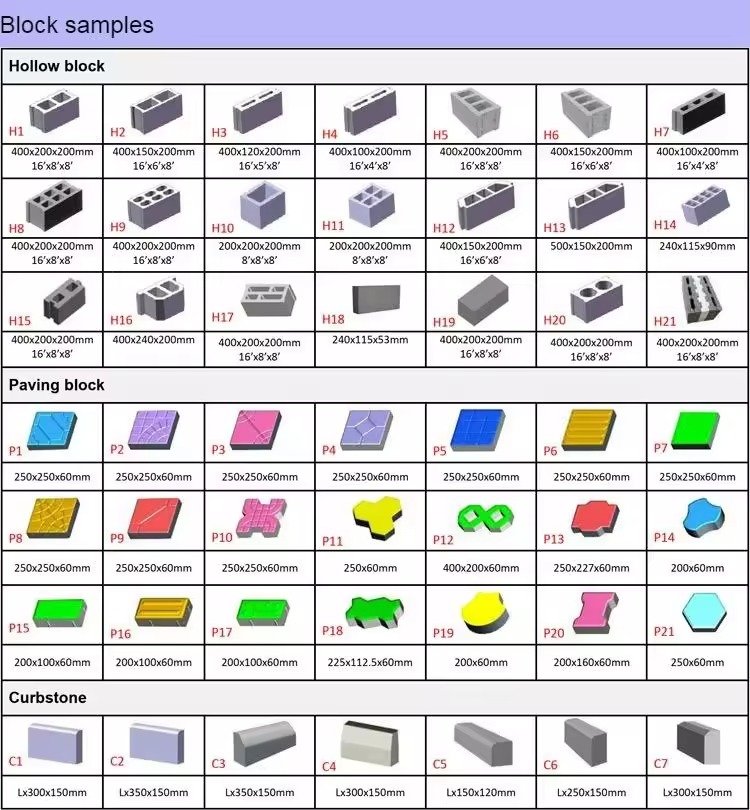
Standard South African brick sizes include 222×106×73mm for stock bricks and 290×140×90mm for maxi bricks. Quality brick making machines allow mold changes to produce hollow blocks (400×200×200mm), paving blocks (200×100×60mm), and specialized shapes.
Power and Voltage Requirements
South African electrical systems typically provide 220V single-phase or 380V three-phase power. Industrial concrete block making machines usually require three-phase connections for optimal motor performance.
Verify your facility’s electrical infrastructure before equipment purchase. Upgrading power supply adds R25,000-R75,000 to project costs depending on distance from distribution points and required capacity.
Physical Footprint and Space Planning
Production equipment requires adequate workspace for operation, maintenance, and material storage. Calculate total facility needs including:
- Machine installation area (typically 40-120 square meters)
- Raw material storage zones for cement, sand, and aggregates
- Curing space for finished bricks (14-28 day periods)
- Pallet storage (600-1,000 pallets for semi-automatic operations)
- Equipment maintenance and repair space
- Loading and unloading zones for delivery vehicles
A semi-automatic system producing 2,500 bricks daily needs minimum 200 square meters. This includes the machine, immediate work areas, and short-term brick storage before transport to curing zones.
Brick Making Machine Price Guide for South Africa
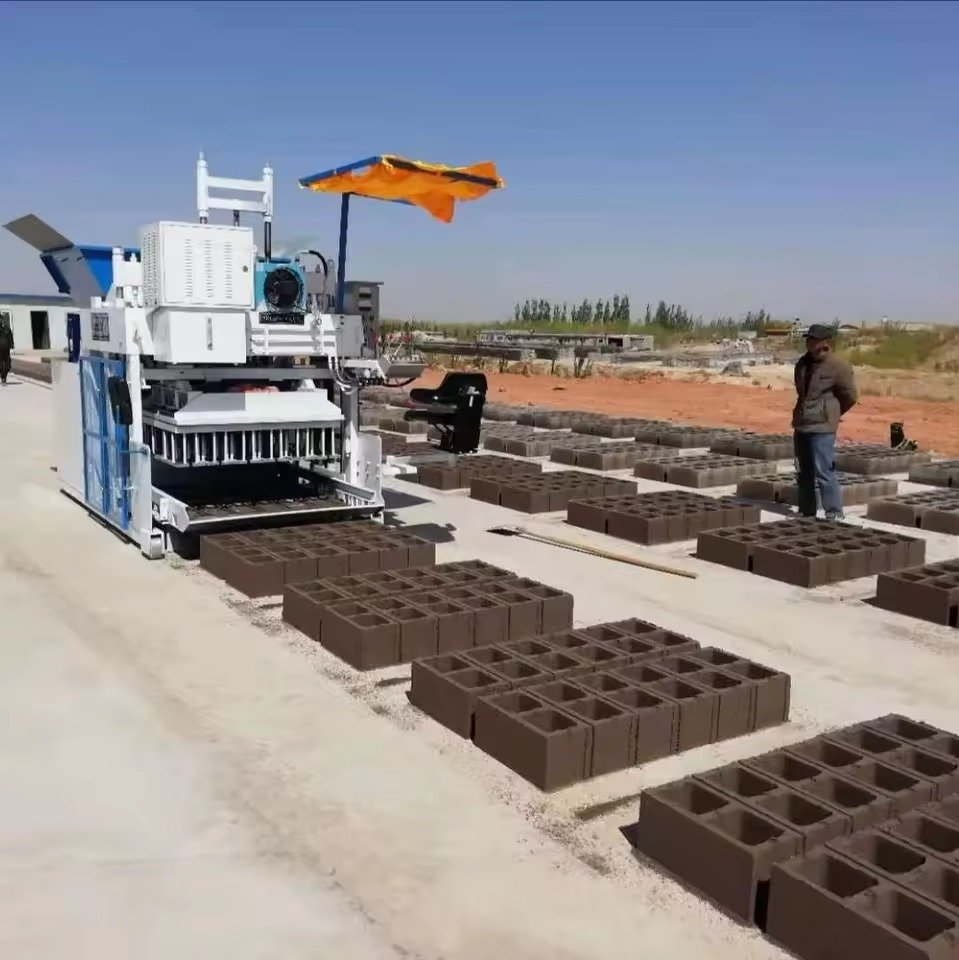
Equipment costs vary significantly based on automation level, capacity, and included features. Understanding the complete investment picture helps businesses plan accurately.
Initial Equipment Costs
Machine purchase represents the most visible expense. Current South African market prices reflect import costs, shipping, and local distributor margins.
Entry-Level Manual
R15,000 – R45,000
- Basic manual operation
- Single mold configuration
- Limited daily capacity
- Minimal maintenance needs
Semi-Automatic Systems
R180,000 – R450,000
- Motorized compression
- Multiple mold options
- Medium production volume
- 2-year warranty coverage
Automatic Production Lines
R850,000 – R3,500,000+
- Complete automation
- High-volume output
- Integrated batching plants
- Advanced PLC controls
Hidden Costs and Additional Investments
The machine purchase price represents only part of total project costs. Smart buyers budget for complete operational readiness.
Setup and Installation
- Shipping and customs clearance (8-15% of machine cost)
- Foundation and installation (R15,000-R85,000)
- Electrical infrastructure upgrades
- Initial mold set purchase
- Testing and commissioning
Operational Requirements
- Raw material inventory (cement, sand, aggregates)
- Pallet sets (600-1,000 units minimum)
- Material handling equipment
- Water supply systems
- Quality testing equipment
Finding Second Hand Brick Making Machine Sale Options
Used equipment offers lower entry costs for budget-conscious buyers. However, several factors require careful evaluation before purchasing pre-owned machines.
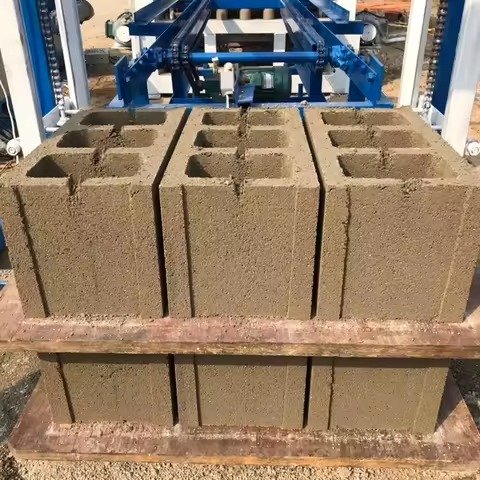
Inspect machines thoroughly for wear on critical components. Hydraulic systems, molds, and vibration motors experience the most stress. Request maintenance records and production history to assess remaining useful life.
Popular platforms for second hand brick making machine sale in South Africa include:
- Machinery resellers in Johannesburg and Durban
- Auction houses handling factory liquidations
- Online marketplaces (verify seller credibility)
- Direct purchases from upgrading manufacturers
Used machine prices range from 40-65% of new equipment costs. Factor in refurbishment expenses, replacement parts, and lack of warranty coverage when evaluating deals.
Calculate Your Complete Investment
Receive a detailed cost breakdown for your specific production requirements. Our analysis includes machine costs, installation, operational expenses, and projected ROI based on your local market conditions.
How Brick Making Machines Transform Raw Materials into Products
Understanding the production process helps operators maximize efficiency and quality. Modern machines automate many steps while maintaining precise control over critical parameters.
Material Preparation and Batching
Consistent brick quality starts with accurate material proportioning. Typical mix ratios combine cement, sand, crushed stone, and water in precise quantities.
A standard stock brick formula uses:
- 1 part cement (42.5 grade Portland cement)
- 6-8 parts aggregate (combination of sand and 6mm stone)
- Water to achieve 8-12% moisture content
- Optional additives for color or water resistance
Semi-automatic and automatic brick production lines include batching plants that measure materials by weight. This ensures consistent strength across all bricks.
Compression and Molding
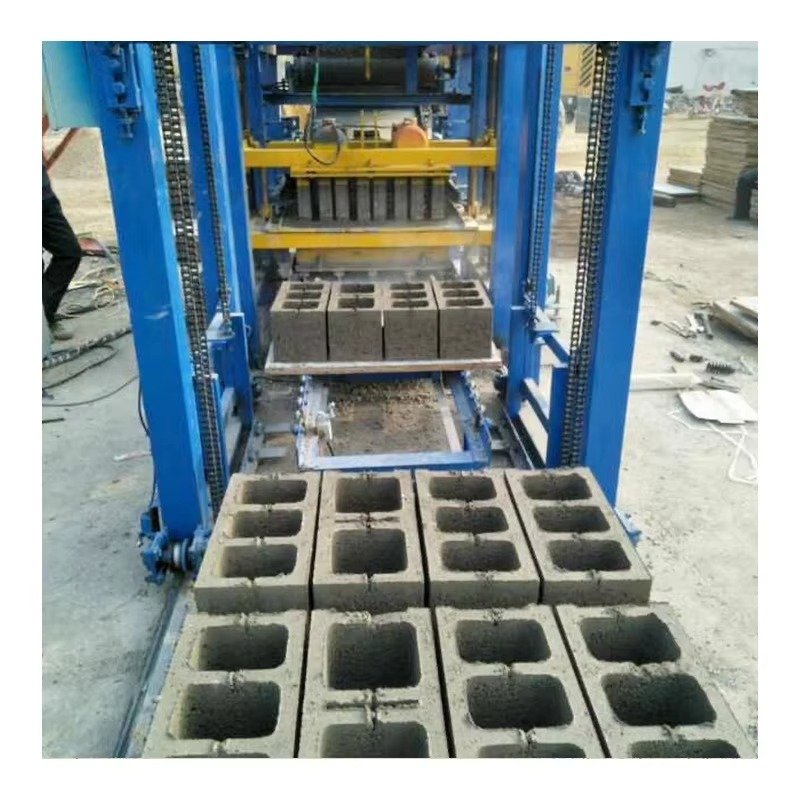
The brick moulding machine compresses prepared material under high pressure (15-25 MPa typically). This removes air pockets and achieves target density.
Modern machines use vibration combined with pressure. The vibration box generates rapid oscillations while hydraulic cylinders apply downward force. This dual-action process creates stronger, more uniform bricks than pressure alone.
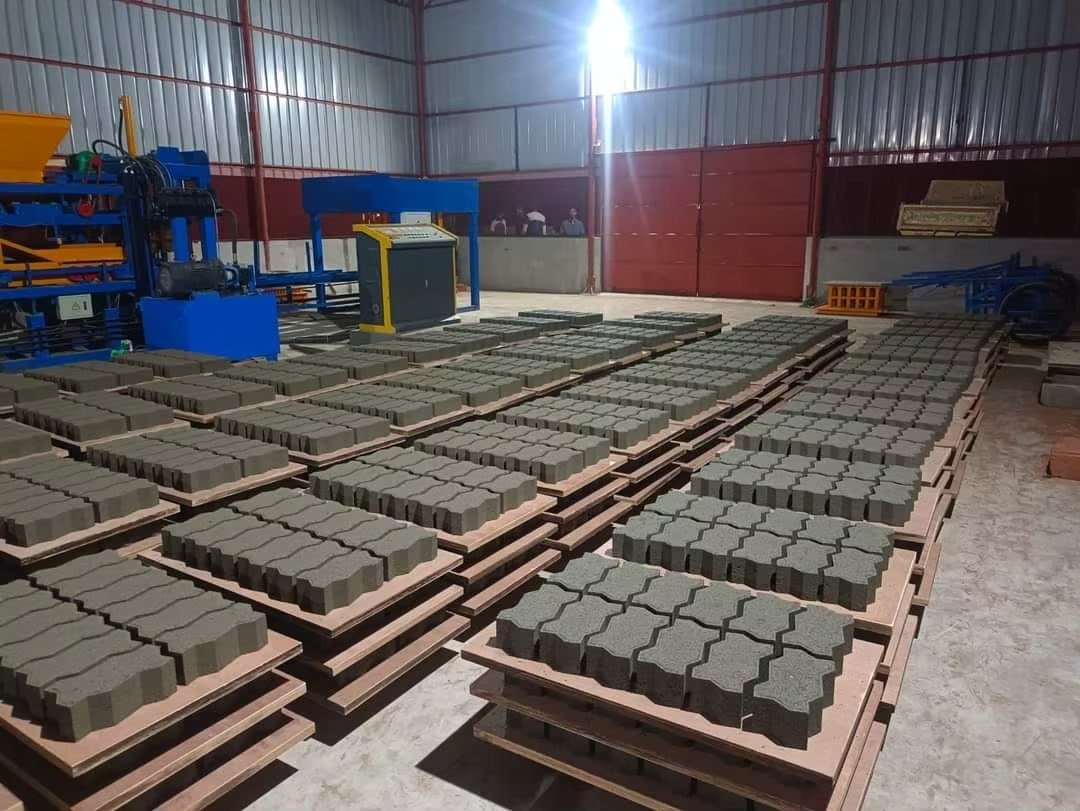
Forming cycles range from 25-30 seconds for semi-automatic equipment. Automatic systems achieve 15-20 second cycles through optimized hydraulic systems and faster mold changes.
Curing and Strength Development
Freshly molded bricks require controlled curing to develop full strength. Cement hydration continues for 28 days, though bricks achieve handling strength within 24-48 hours.
Proper curing methods include:
- Water spraying 3-4 times daily for first week
- Plastic sheeting coverage to retain moisture
- Shade structures preventing rapid drying
- Temperature maintenance between 15-30°C
South African climate conditions affect curing schedules. Hot, dry regions require more frequent watering. Coastal areas with higher humidity need less intervention.
Key Features That Define Quality Brick Machines
Superior machines incorporate design elements that improve productivity, reduce maintenance, and extend operational life.
Vibration System Technology
The vibration mechanism directly impacts brick density and strength. High-quality systems use specially designed vibration boxes with heavy-duty motors.
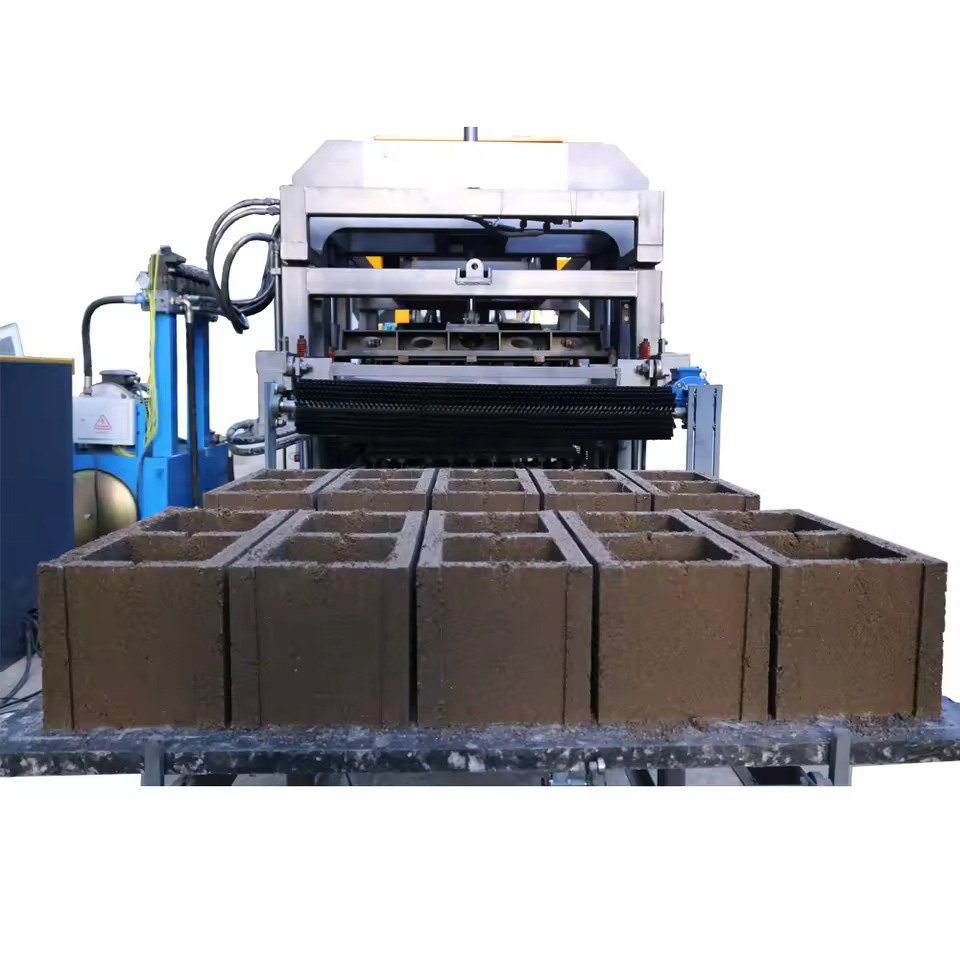
MAIKONG brick making machines feature four-column guiding designs. This ensures even pressure distribution across the mold area. The result: consistent brick dimensions and strength throughout production runs.
Mold Quick-Change Systems
Production flexibility requires fast mold changeovers. Advanced machines allow switching between brick types in 15-30 minutes rather than hours.
Quick-change features include:
- Tool-free mold mounting systems
- Standardized mold dimensions
- Integrated alignment guides
- Push-pull die mechanisms
This versatility lets factories produce hollow blocks for structural applications during peak building seasons, then switch to paving blocks or face bricks when demand shifts.
Control Systems and Automation
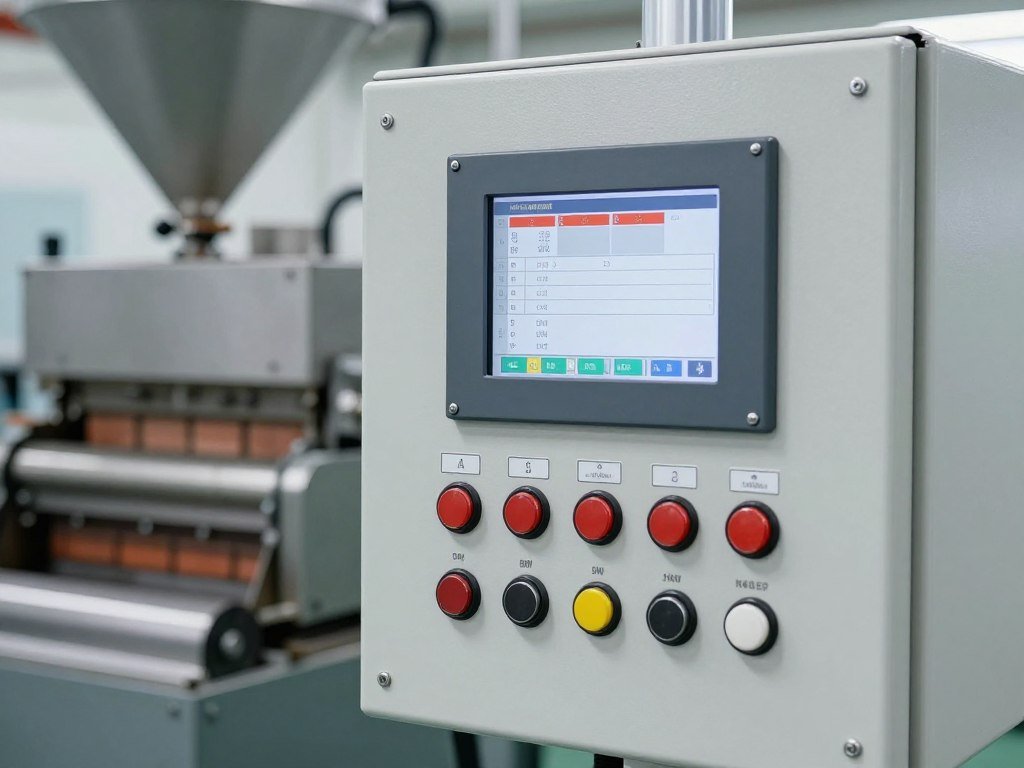
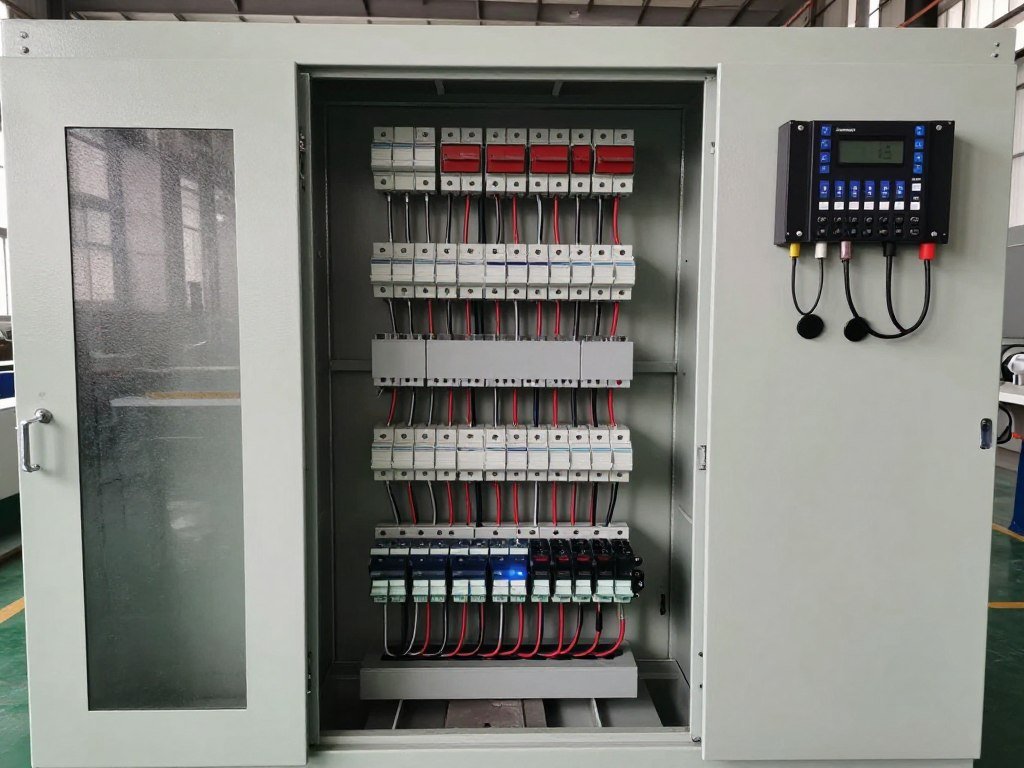
Modern machines incorporate PLC (Programmable Logic Controller) systems for precise operation control. Operators set parameters through touchscreen interfaces rather than manual adjustments.
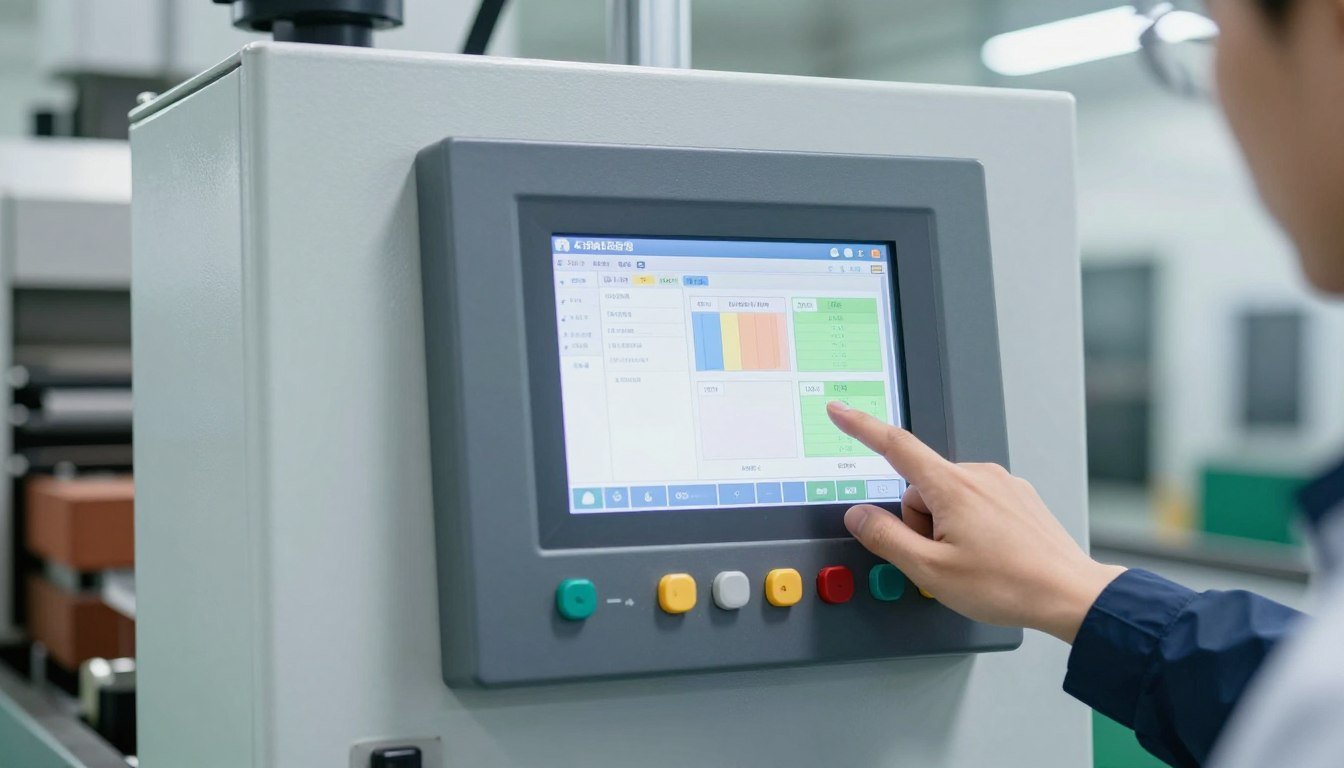
Automated functions include:
- Material feed timing and quantities
- Compression pressure monitoring
- Vibration frequency and duration control
- Mold movement sequencing
- Production counting and tracking
- Fault detection and safety shutdowns
These systems reduce operator error and maintain consistent quality even with less experienced workers.
Choosing the Right Brick Making Machine Supplier
The supplier relationship extends far beyond initial equipment purchase. After-sales support, spare parts availability, and technical expertise determine long-term success.
Local Support Infrastructure
International equipment suppliers must provide local service networks. When machines malfunction, response time determines production downtime costs.
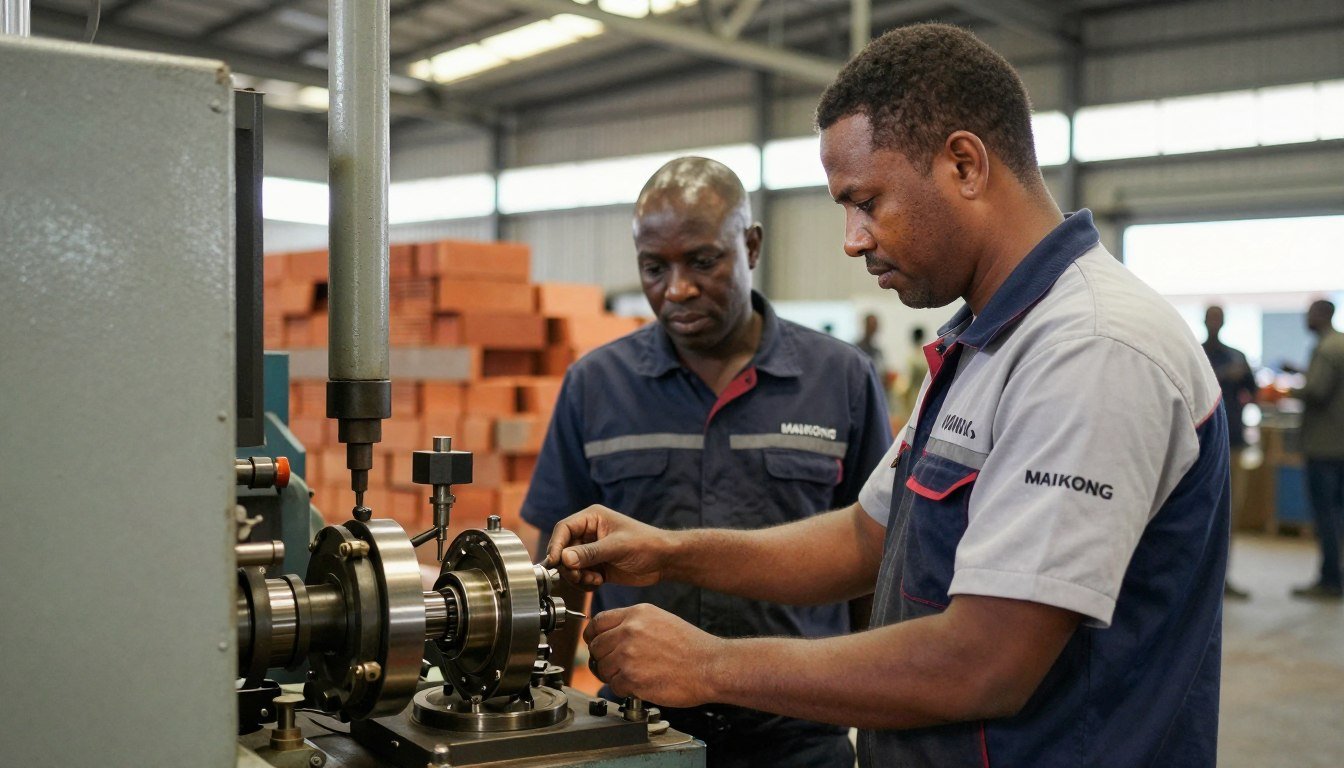
MAIKONG maintains technical support teams familiar with South African operating conditions. Our WhatsApp support channel (+86-135-1090-7401) provides immediate assistance for troubleshooting and operational questions.
Spare Parts Availability
Critical wear components require periodic replacement. Suppliers should maintain regional parts inventory to minimize wait times.
Essential spare parts to verify availability:
- Molds for different brick types
- Hydraulic seals and cylinders
- Vibration motors and bearings
- Control system components
- Pneumatic valves and fittings
Establish parts delivery timeframes before purchase. Same-day delivery for common items prevents extended production stoppages.
Training and Knowledge Transfer
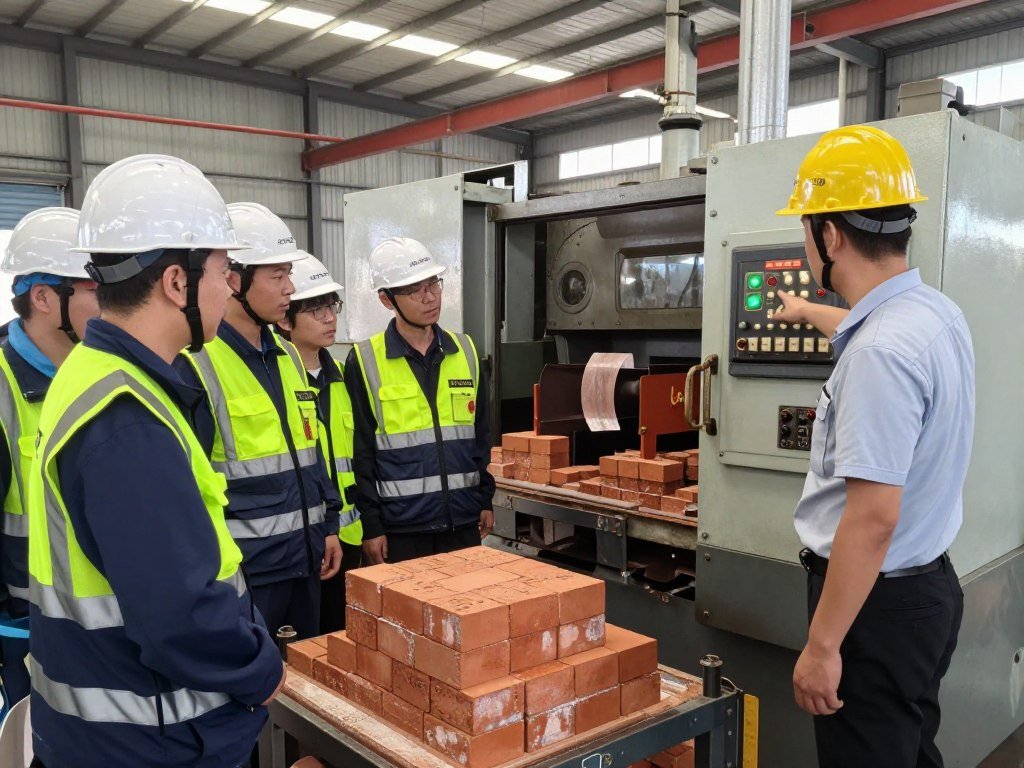
Comprehensive operator training maximizes equipment ROI. Quality suppliers provide on-site instruction covering operation, maintenance, and troubleshooting.
MAIKONG training programs include:
- Equipment operation procedures
- Material mix optimization
- Quality control testing methods
- Preventive maintenance schedules
- Common problem diagnosis
- Safety protocols and procedures
Warranty Coverage and Terms
Standard warranties cover manufacturing defects for 12-24 months. Extended coverage and service contracts provide additional protection.
Review warranty terms carefully. Understand what components receive coverage, exclusions for misuse or improper maintenance, and procedures for warranty claims.
Partner with Experienced Manufacturer
MAIKONG brings 26 years of brick making equipment manufacturing experience. We support over 100 countries with reliable machinery and local service networks. Our South African partners benefit from responsive technical support, readily available spare parts, and comprehensive training programs.
Return on Investment for Brick Making Machine Operations
Financial viability depends on accurate cost analysis and realistic revenue projections. South African market conditions influence profitability significantly.
Production Cost Breakdown
Understanding per-brick costs helps establish competitive pricing while maintaining profit margins.
| Cost Component | Amount per 1000 Bricks | Percentage of Total |
| Raw Materials (cement, sand, aggregate) | R850 – R1,100 | 45-50% |
| Labor (operators, helpers) | R280 – R420 | 15-20% |
| Electricity and Water | R95 – R145 | 5-7% |
| Equipment Depreciation | R180 – R280 | 10-12% |
| Maintenance and Repairs | R85 – R125 | 4-6% |
| Transportation and Overhead | R210 – R320 | 10-15% |
| Total Production Cost | R1,700 – R2,390 | 100% |
Revenue Potential Analysis
South African brick prices vary by region, brick type, and market conditions. Current wholesale prices provide reference for projections.
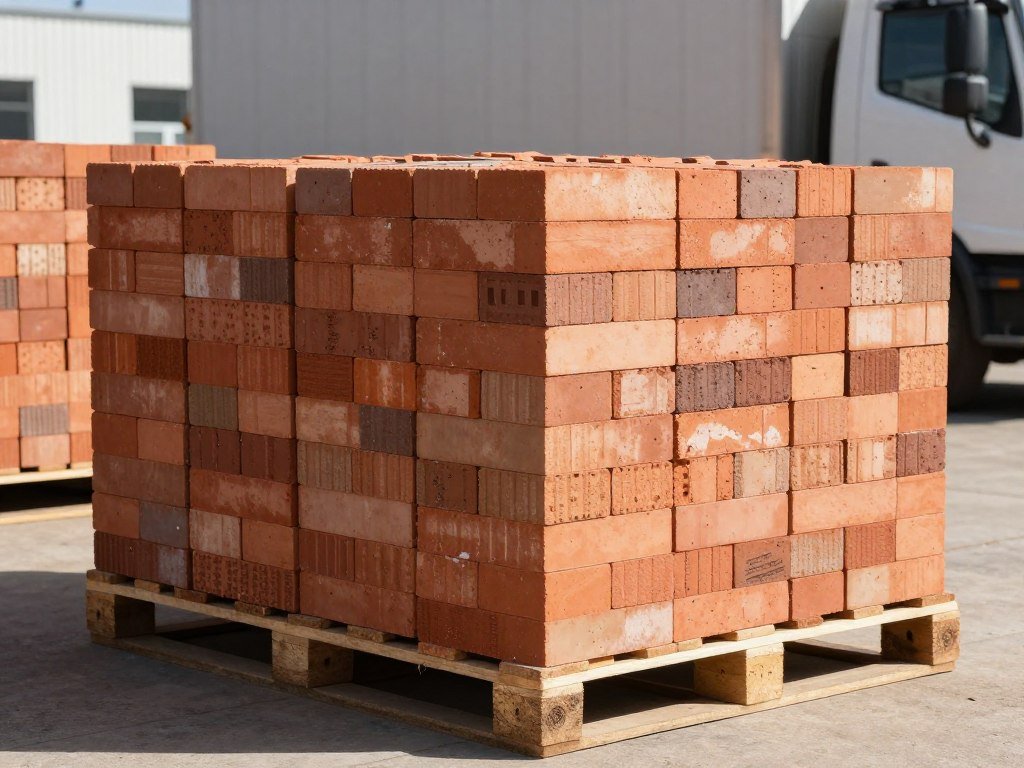
- Stock bricks: R2,800 – R3,500 per 1,000 units (wholesale)
- Maxi bricks: R3,200 – R4,100 per 1,000 units
- Hollow blocks: R4,500 – R6,200 per 1,000 units
- Paving blocks: R5,800 – R8,500 per 1,000 units
- Face bricks: R6,500 – R9,200 per 1,000 units
A semi-automatic operation producing 2,500 stock bricks daily generates monthly revenue of R175,000 – R218,750 (based on 25 working days). Subtract production costs of R106,250 – R149,375 to calculate gross profit of R68,750 – R69,375 monthly.
Payback Period Calculations
Equipment investment recovery time depends on production volume and profit margins.
Example Calculation – Semi-Automatic System:
- Total Investment: R320,000 (machine + installation + working capital)
- Monthly Gross Profit: R69,000 (average)
- Payback Period: 4.6 months of operation
Conservative projections extend payback to 6-8 months accounting for market variations and initial production inefficiencies. Most operators achieve full investment recovery within the first year.
Brick Making Machine Considerations for South African Regions
Different provinces present unique challenges and opportunities for brick production operations.
Gauteng Province (Johannesburg, Pretoria)
The economic heart of South Africa offers the largest construction market. High building activity drives strong brick demand year-round.

Operators searching for brick making machine Pretoria options benefit from competitive supplier presence. Multiple equipment dealers offer comparison shopping and after-sales support.
Challenges include higher electricity costs and competitive market pressures. Focus on efficiency and quality differentiation to maintain margins.
Eastern Cape (Port Elizabeth, East London)
The Eastern Cape combines industrial centers with rural development needs. Government housing initiatives create steady demand.
Buyers seeking brick making machine Port Elizabeth suppliers should verify local service availability. Distance from Johannesburg can delay spare parts delivery without regional inventory.
The coastal climate requires rust prevention measures for equipment. Regular maintenance and protective coatings extend machine life in humid conditions.
KwaZulu-Natal (Durban, Pietermaritzburg)
Durban’s port facilitates equipment imports and raw material access. The province’s growing construction sector supports brick manufacturing expansion.
Humidity and seasonal rainfall affect outdoor curing operations. Covered curing areas or accelerated curing methods maintain production schedules during wet periods.
Western Cape (Cape Town, Stellenbosch)
Premium construction markets in the Western Cape pay higher prices for quality bricks. Face brick and specialized products command strong margins.
Water restrictions impact production planning. Efficient water recycling systems and moisture control become essential for sustainable operations.
Technical Resources for Brick Machine Operators
Successful operations require ongoing technical knowledge development. Multiple resources help operators optimize production and solve challenges.
Video Training Materials
Visual learning aids help operators understand complex procedures. Searching for brick making machine video content reveals installation guides, operation tutorials, and maintenance instructions.
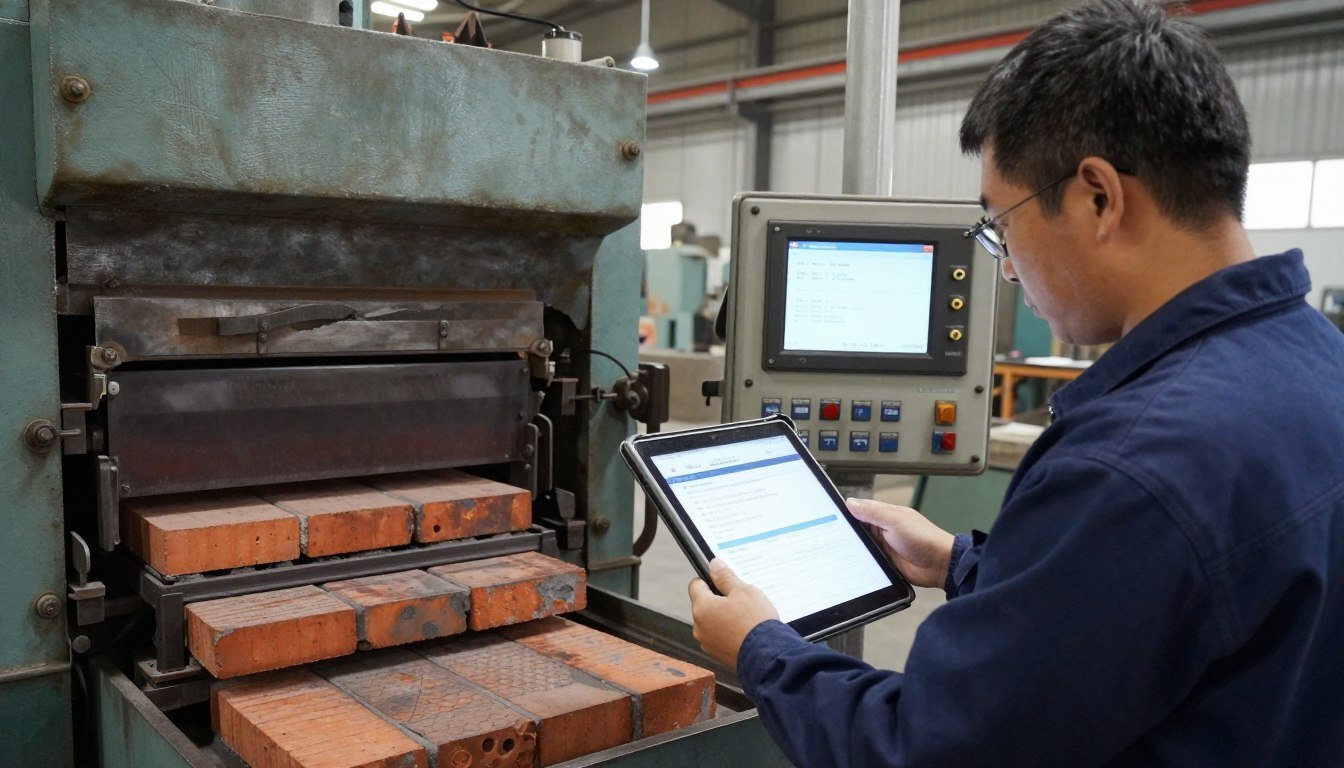
MAIKONG provides comprehensive video libraries covering:
- Initial machine setup and commissioning
- Daily operation procedures and best practices
- Preventive maintenance task demonstrations
- Troubleshooting common problems
- Mold changing and adjustment procedures
- Safety protocols and emergency procedures
DIY Construction Guides
Some entrepreneurs investigate build your own brick making machine pdf resources to create custom equipment. While possible for simple manual machines, professional manufacturing delivers superior results.
Commercial machines offer advantages DIY projects cannot match:
- Precision engineering for consistent brick quality
- Durable components withstanding production demands
- Safety features protecting operators
- Technical support and warranty coverage
- Proven designs optimized through years of testing
For serious production operations, purchasing manufactured equipment provides better long-term value than homemade alternatives.
Specialized Machine Types
Different construction materials require adapted equipment designs.
Clay brick making machines differ significantly from concrete equipment. Clay processing requires extrusion systems, cutting mechanisms, and kiln firing rather than compression molding and curing.
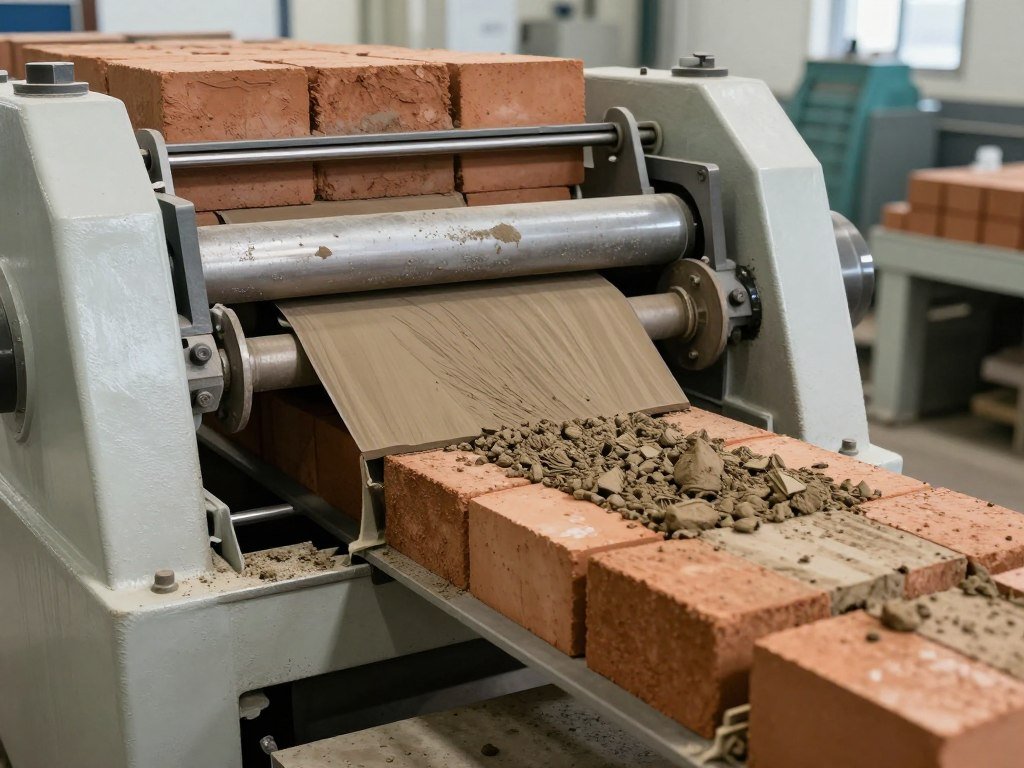
South African buyers primarily need concrete brick machines due to raw material availability and market preferences. Clay brick production requires specialized clay deposits and firing infrastructure less common in modern operations.
Diesel brick making machines serve remote locations without reliable electricity. These systems use diesel engines to power hydraulic pumps and vibration motors.
Electric brick making machines dominate established factory settings. They offer lower operating costs, quieter operation, and reduced maintenance compared to diesel alternatives.
Quality Standards for Brick Production
Meeting South African building codes requires consistent brick quality. Proper testing and quality control procedures ensure compliance.
Compressive Strength Testing
SANS 227 specifications define minimum strength requirements for different brick classes. Regular testing confirms production meets standards.
| Brick Class | Minimum Compressive Strength | Typical Applications |
| Class A | 20 MPa | General building, non-load bearing |
| Class B | 15 MPa | Internal walls, low-rise structures |
| Class C | 10 MPa | Garden walls, non-structural uses |
| Maxi Bricks | 6-7 MPa | Residential construction |
Test samples at 7-day and 28-day intervals. Seven-day results predict final strength, allowing early problem detection.
Dimensional Accuracy
Brick dimensions affect construction efficiency and material usage. Quality brick making machines maintain tolerances within ±2mm for length and width, ±3mm for height.
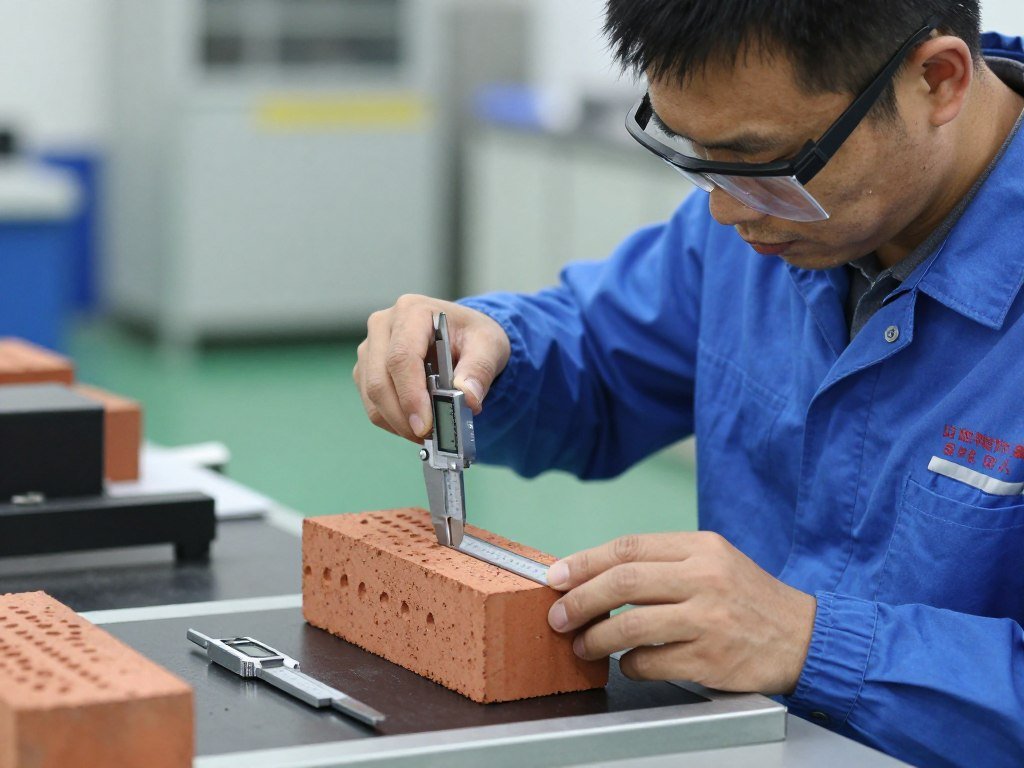
Regular mold inspection prevents dimensional drift. Wear on mold surfaces gradually changes brick size over thousands of cycles.
Absorption and Durability
Water absorption rates indicate brick density and potential freeze-thaw durability. Lower absorption generally indicates higher quality and longer service life.
Target absorption rates under 10% by mass for exterior applications. Interior bricks may accept higher absorption levels without performance issues.
Environmental and Sustainability Factors
Modern brick production balances efficiency with environmental responsibility. South African operators increasingly adopt sustainable practices.
Material Waste Reduction
Optimized mix designs minimize cement consumption while maintaining strength. Each 1% cement reduction per brick significantly impacts costs and carbon footprint.
Recycling reject bricks back into aggregate reduces landfill waste. Crushed defective bricks replace virgin stone aggregate in new batches.
Energy Efficiency
Equipment selection affects long-term energy consumption. Efficient motors, optimized vibration systems, and automated controls reduce power usage per brick produced.
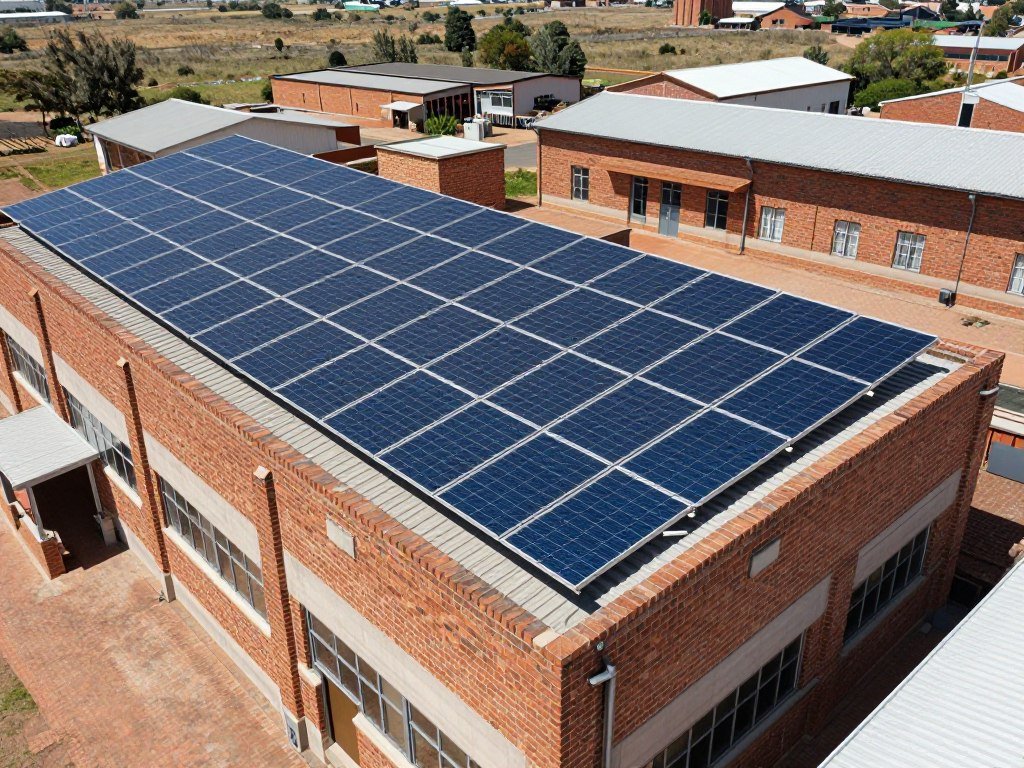
Some South African brick factories integrate solar power to offset electricity costs. The initial investment provides long-term operating expense reduction.
Water Conservation
Closed-loop water systems recycle curing water and equipment cleaning water. This reduces fresh water consumption by 60-80% compared to open systems.
Water-efficient practices become increasingly important as South African regions face periodic drought conditions.
MAIKONG Global Production Line Success Stories
Real-world installations demonstrate equipment performance across diverse operating conditions. MAIKONG supports brick manufacturers on four continents.
African Installation – Lagos, Nigeria
A Nigerian construction materials supplier installed a MAIKONG automatic production line in 2022. The facility produces 15,000 hollow blocks daily for the booming Lagos construction market.
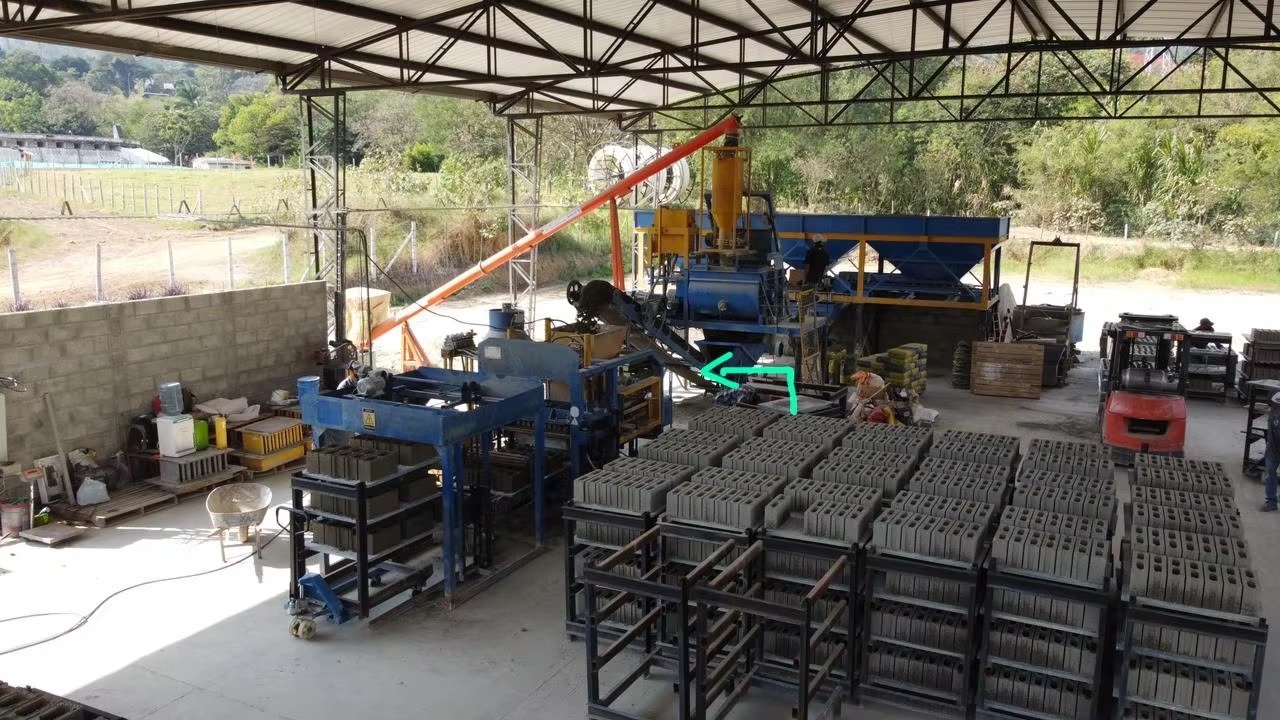
Key results after 18 months operation:
- 98.7% equipment uptime (exceeding expectations)
- Consistent product quality meeting local standards
- 12-month payback period achieved
- Expansion to second production line planned for 2026
The client emphasized MAIKONG’s responsive technical support despite geographic distance. WhatsApp troubleshooting resolved minor issues within hours rather than days.
Asian Installation – Mumbai, India
An Indian brick manufacturer upgraded from manual operations to MAIKONG semi-automatic systems in 2021. Production capacity increased from 800 to 2,500 bricks daily while reducing labor requirements.
The operator reports reduced material waste through consistent compression and improved brick uniformity. Customer complaints about dimensional variations dropped 85% post-installation.
European Installation – Bucharest, Romania
A Romanian building materials company operates three MAIKONG production lines producing paving blocks for infrastructure projects. The equipment runs three shifts daily, 360 days annually.
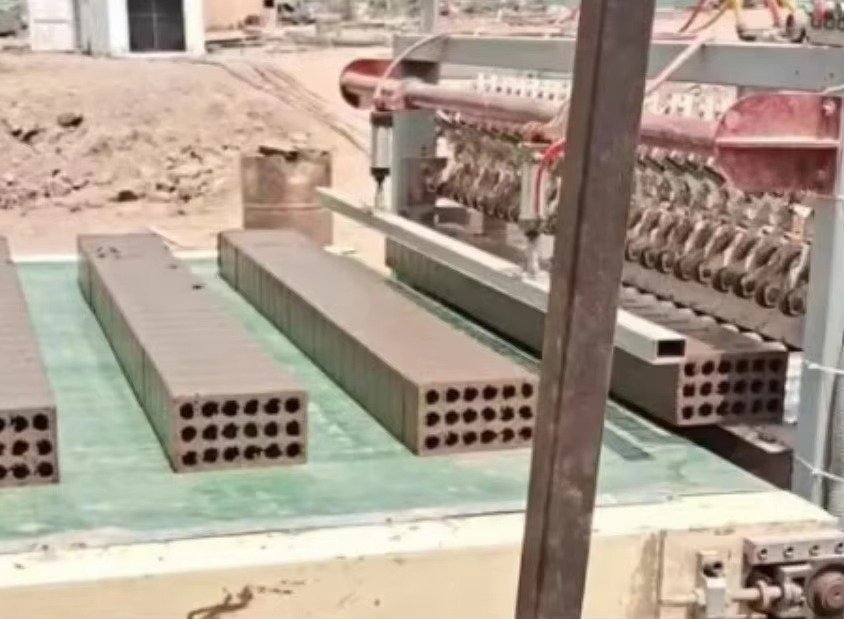
Harsh European winters test equipment durability. The machines maintain performance despite temperature variations from -15°C to +35°C across operating seasons.
South American Installation – São Paulo, Brazil
A Brazilian contractor invested in MAIKONG equipment to supply bricks for government housing projects. The máquina de fazer blocos de concreto (concrete block making machine) produces both structural blocks and decorative elements.
Language support proved critical for this installation. MAIKONG provided Portuguese documentation and training materials, facilitating smooth operator training and ongoing support.
Join Our Global Network of Successful Operators
MAIKONG equipment serves brick manufacturers across 100+ countries. Our proven technology, comprehensive support, and flexible financing options help South African businesses enter or expand brick production profitably.
Making Your Brick Making Machine Investment Decision
South African brick manufacturers face significant opportunities in the growing construction sector. Selecting appropriate equipment determines business success and profitability.
This guide covered essential considerations from machine types through operational requirements, pricing structures, and quality standards. Armed with this information, buyers can evaluate options confidently.
Remember these key decision factors:
- Match production capacity to realistic market demand
- Budget for complete project costs, not just machine purchase
- Prioritize suppliers with local support infrastructure
- Verify spare parts availability and delivery timeframes
- Calculate ROI based on conservative revenue projections
- Consider climate and regional operating conditions
- Invest in proper operator training for maximum efficiency
MAIKONG brings 26 years manufacturing experience to the South African market. Our equipment serves small workshops through large industrial operations across diverse global markets.

Whether you need a small brick making machine for startup operations or a complete automatic brick production line for industrial-scale manufacturing, our technical team provides expert guidance.
We welcome partnerships with South African distributors and agents. Our comprehensive support programs help local partners build profitable brick equipment businesses while serving their regional markets effectively.
Contact our team today to discuss your specific requirements. We’ll provide detailed technical specifications, accurate pricing, and realistic production projections based on your operating conditions.
Email: Lucy@ibrickmakingmachine.co.za
Website: https://ibrickmakingmachine.co.za
Your brick production success starts with the right equipment partner. Let MAIKONG’s proven technology and committed support team help you build a profitable brick manufacturing operation in South Africa.