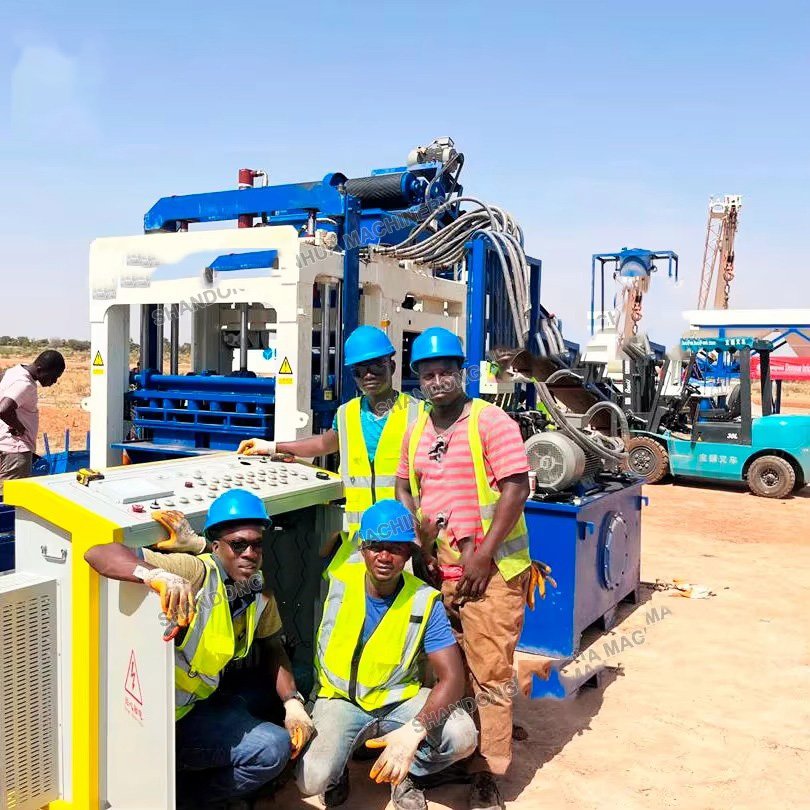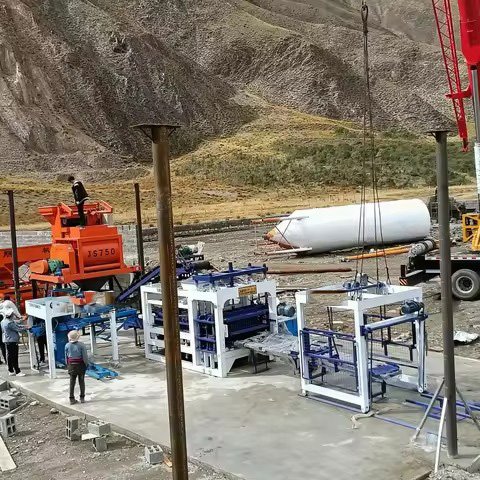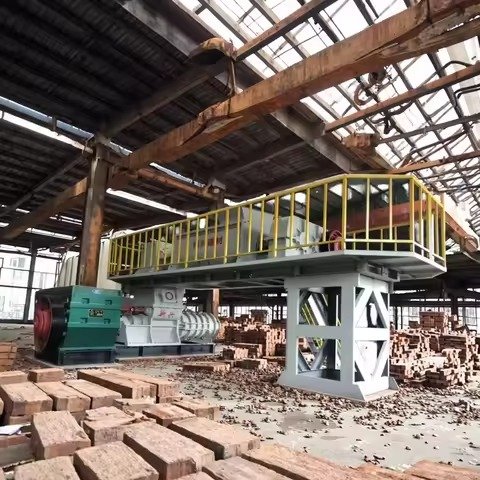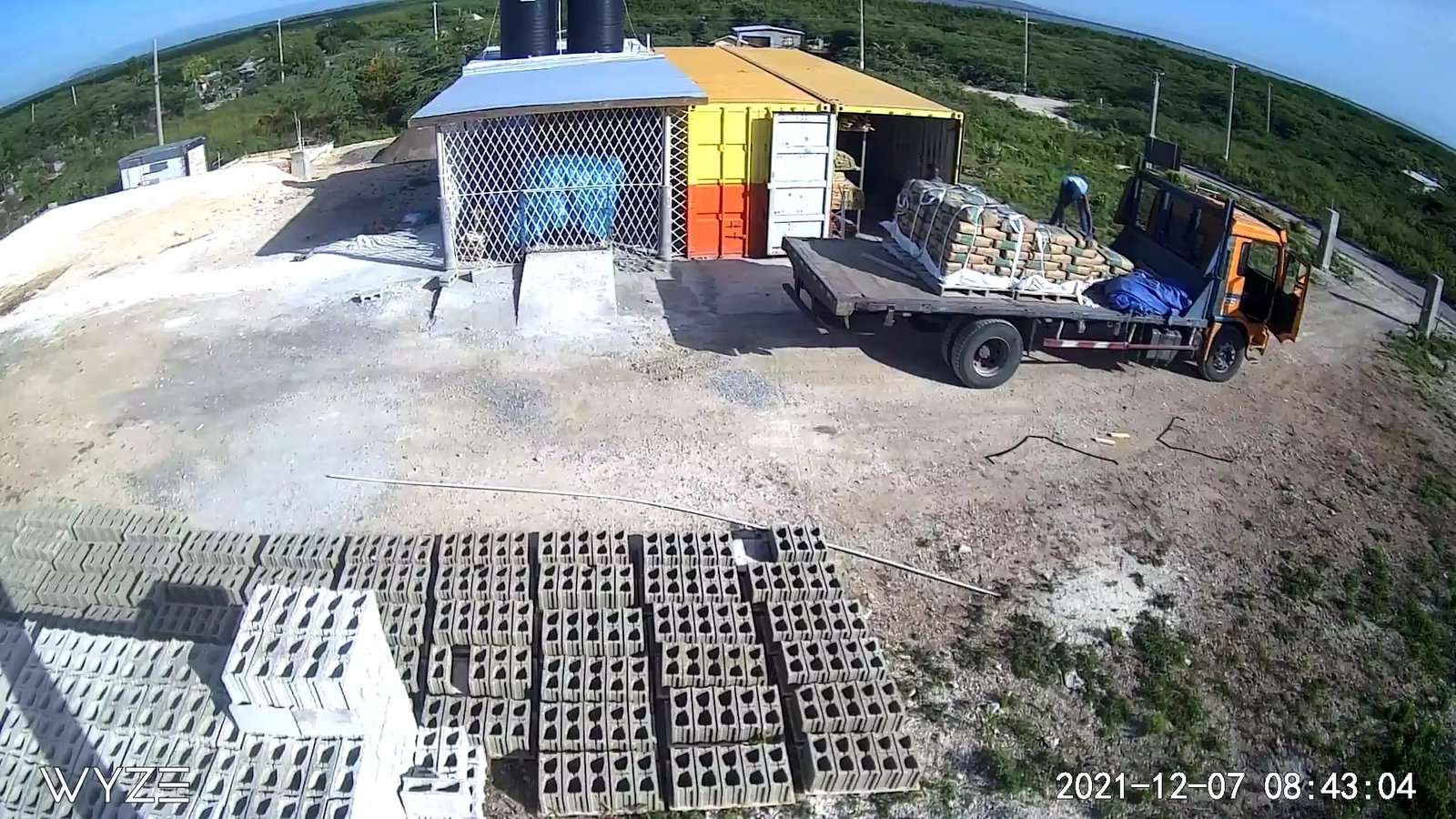
Need Immediate Technical Support?
Our team provides instant assistance for all portable brick machines inquiries. Connect with our South African technical experts now.
Why Portable Brick Machines Transform Rural Construction
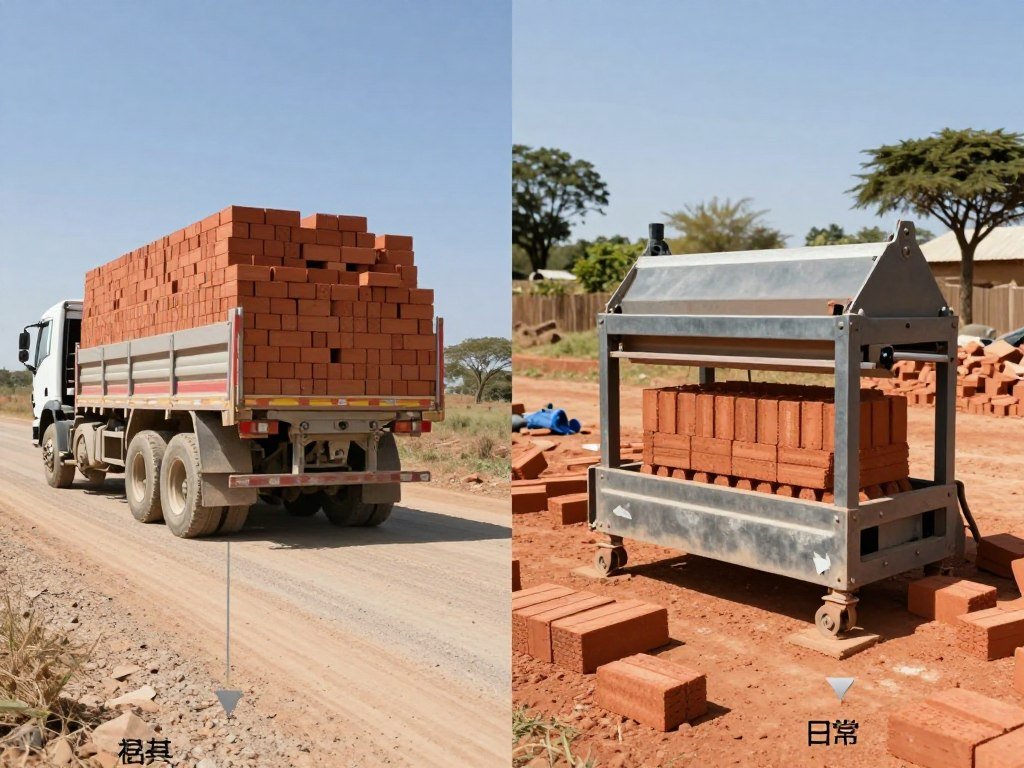
Traditional construction in remote areas faces serious obstacles. Transportation costs for building materials often exceed the material cost itself. Roads may be impassable during rainy seasons. Portable brick machines eliminate these barriers completely.
On-site production changes everything. A single brick making machine produces thousands of quality bricks daily. Raw materials like soil and cement are abundant locally. This approach cuts project costs by up to 60% compared to transported materials.
Key Advantages for Remote Projects
Economic Benefits
- Eliminate transportation expenses for finished products
- Use locally available raw materials
- Create immediate employment opportunities
- Reduce overall project budgets significantly
- Lower carbon footprint through reduced transport
Operational Advantages
- Production begins immediately upon machine arrival
- No dependency on external supply chains
- Weather-independent material availability
- Adaptable to various brick specifications
- Minimal infrastructure requirements
Rural communities gain self-sufficiency. When a block making machine operates locally, skills transfer occurs. Workers learn valuable manufacturing techniques. This knowledge remains in the community long after project completion.
MAIKONG Portable Brick Machines: Engineering for Difficult Terrain
Our GD, SZ-manufactured equipment withstands harsh conditions. Every brick machine undergoes rigorous testing before deployment. South African climates demand robust construction and reliable performance.
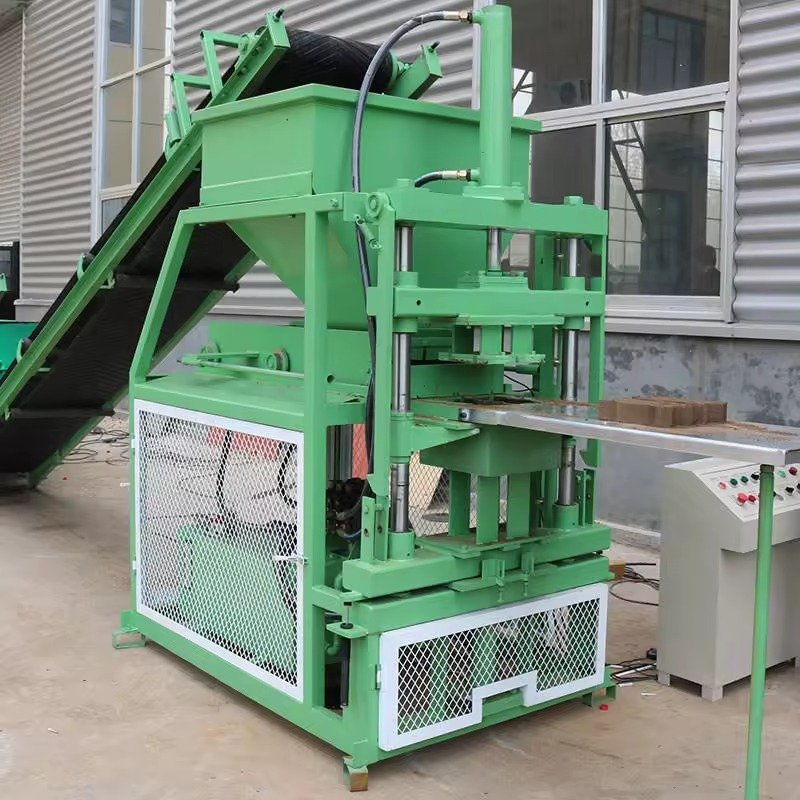
Technical Specifications for Rural Applications
| Specification | Value | Rural Advantage |
| Daily Production Capacity | 2000-3000 pieces | Sufficient for medium-scale projects |
| Power Requirement | 380V/220V AC (12.35 KW) | Compatible with generators |
| Labor Required | 2-3 operators | Creates local employment |
| Workshop Space | 40 square meters | Minimal land requirements |
| Machine Weight | 1700 kg | Transportable by standard truck |
| Production Cycle | 25-30 seconds | Fast output for urgent timelines |
| Water Consumption | 3-5 tons daily | Manageable with local water sources |
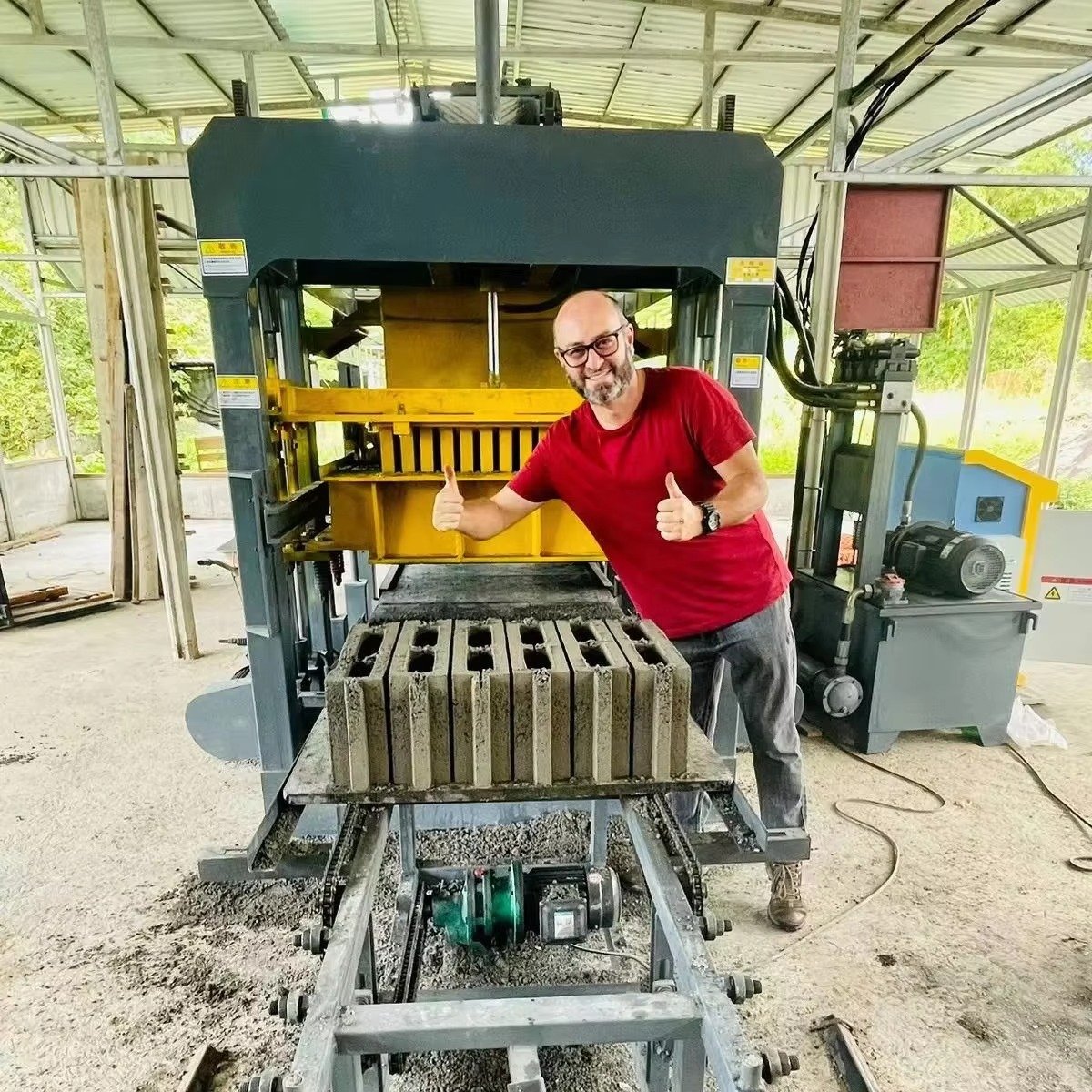
The four-column guiding design ensures stability on uneven ground. Our specially developed vibration box delivers consistent brick quality. Even inexperienced operators achieve professional results after minimal training.
Adaptability Across Brick Types
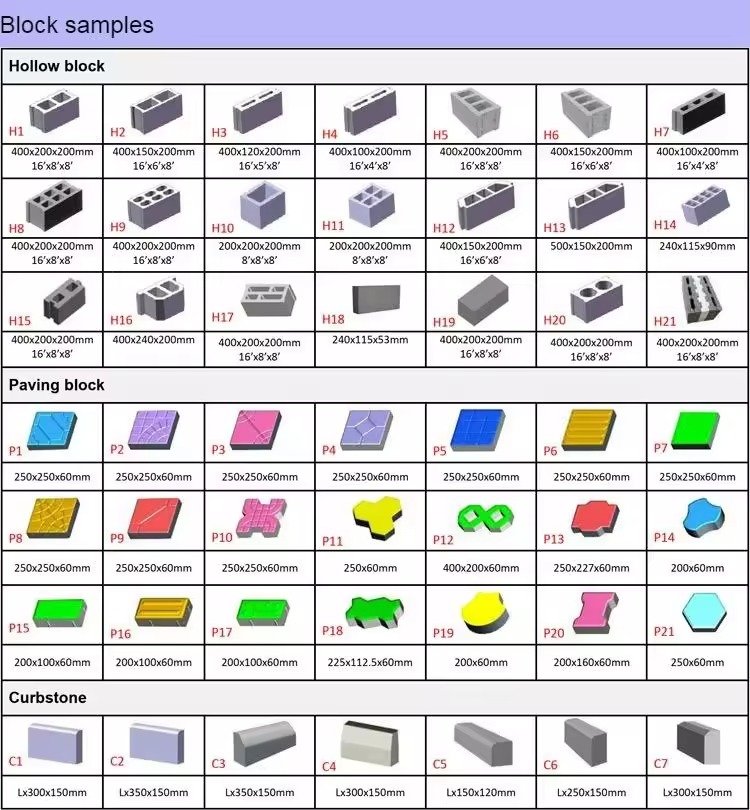
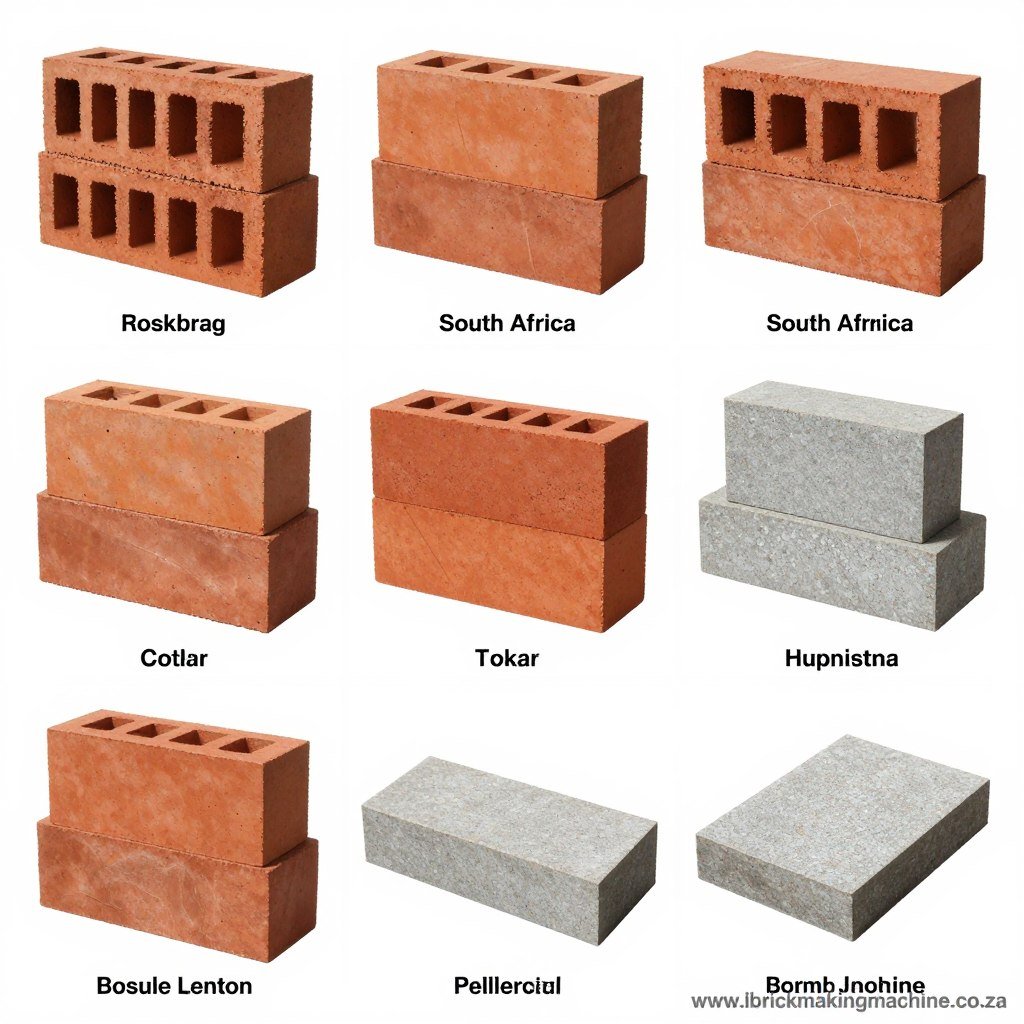
Projects have different requirements. A single brick moulding machine handles multiple specifications. Changing molds takes under 30 minutes. This flexibility makes our equipment ideal for diverse construction needs.
Hollow Blocks
Standard sizes: 400×200×200mm, 400×150×200mm, 400×120×200mm
Perfect for structural walls in residential and commercial buildings.
Solid Bricks
Common dimensions: 240×115×90mm, 200×100×60mm
Ideal for load-bearing walls and foundations in rural construction.
Paving Blocks
Various interlocking designs available
Suitable for pathways, courtyards, and community spaces.
Get Detailed Specifications for Your Project
Every rural project has unique requirements. Our technical team provides customized specifications and production estimates for your specific location and needs.
Brick Making Machine Manufacturers: MAIKONG’s South African Commitment
Quality manufacturing requires decades of refinement. MAIKONG brings over 20 years of expertise to South African markets. As leading brick making machine manufacturers in south africa, we understand local conditions intimately.
Our GD, SZ facilities produce equipment specifically for African environments. Dust resistance, temperature tolerance, and humidity management are engineered into every component. This isn’t generic equipment adapted for South Africa—it’s designed for your conditions.
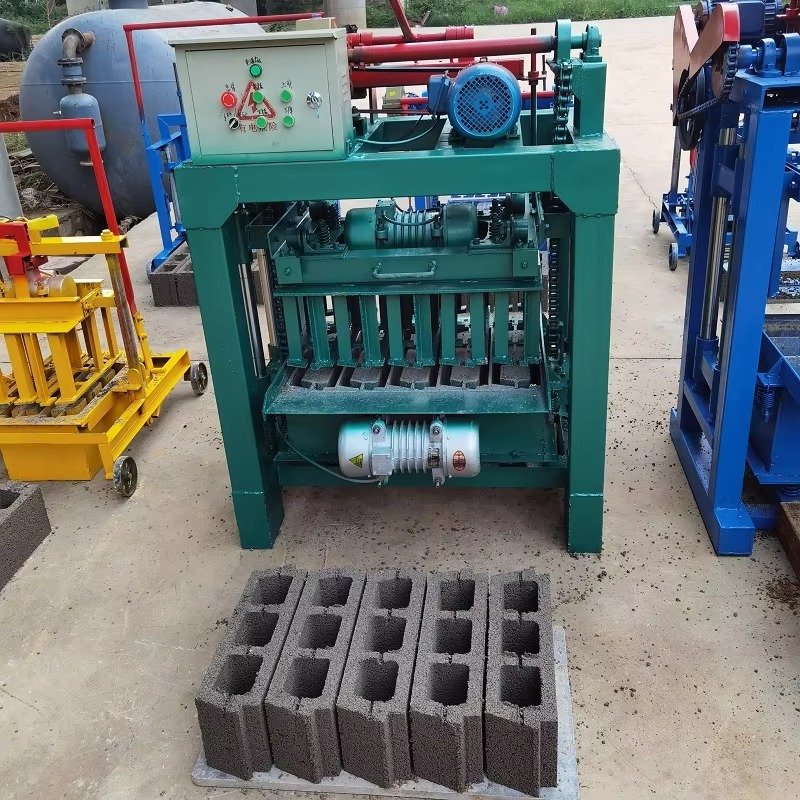
Why Brick Making Machine Manufacturers in South Africa Choose MAIKONG
MAIKONG Advantages
- Two-year comprehensive warranty coverage
- 24/7 WhatsApp technical support
- Pre-production samples and testing
- Final inspection before every shipment
- Video technical support available
- Local distributor network across South Africa
- Customization options for specific projects
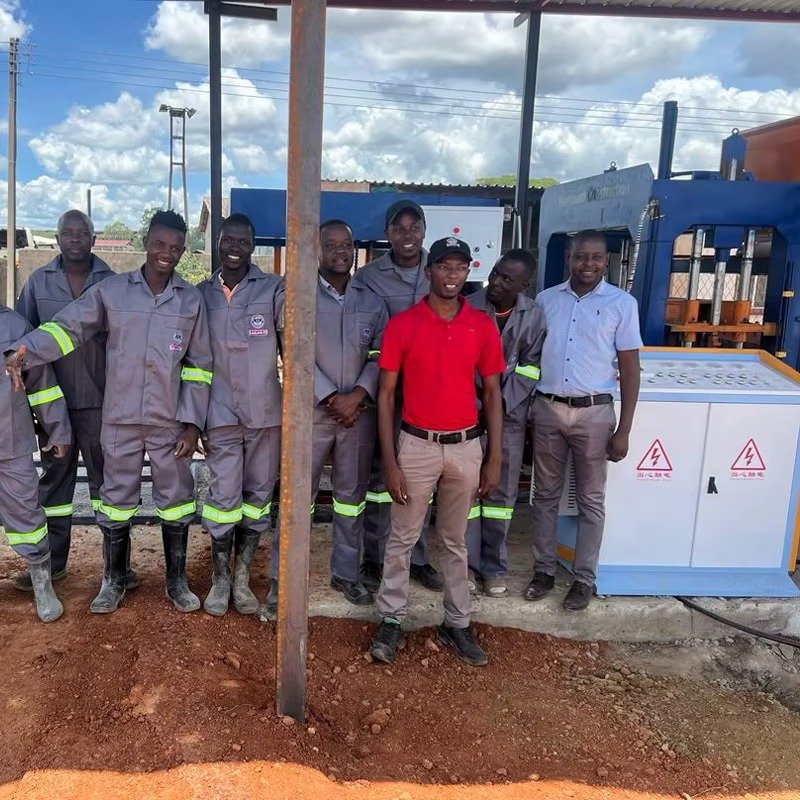
- Training programs for operators
Common Competitor Limitations
- Limited or no local support presence
- Generic equipment not climate-optimized
- Lengthy response times for technical issues
- No customization flexibility
- Minimal operator training provided
- Spare parts availability challenges
- Language barriers in support
Understanding Brick Making Machine HS Code for Imports
International procurement requires proper documentation. The brick making machine hs code classification determines customs duties and import procedures. Our export team handles all compliance requirements for South African imports.
Standard classification falls under HS Code 8474.20 for crushing or grinding machines. Specific subcategories depend on machine type and automation level. MAIKONG provides complete documentation including machinery test reports and video outgoing inspections.
Import Tip: Work with experienced brick making machine manufacturers who understand South African customs requirements. MAIKONG provides all necessary certificates, test reports, and technical documentation to ensure smooth customs clearance.
Brick Making Machine in Pretoria and Regional Distribution
Strategic location matters for ongoing support. Our distributor network covers major South African regions. Whether you need a brick making machine in pretoria or equipment for brick making machine polokwane projects, local support is available.
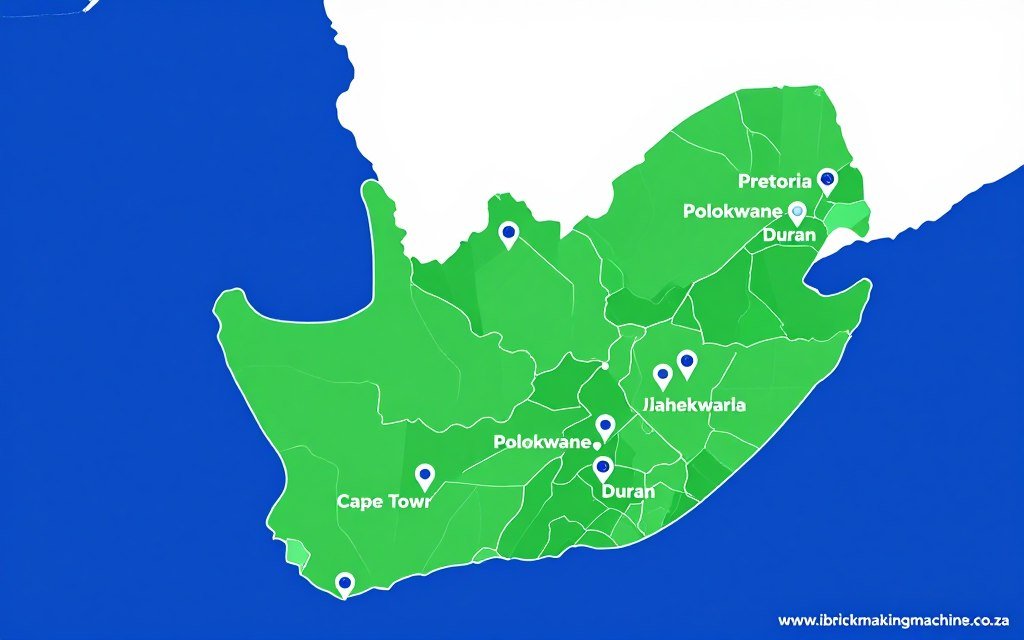
Regional Service Coverage
Gauteng Region
Pretoria serves as a key distribution hub. Quick access to equipment and spare parts ensures minimal downtime. Technical support visits within 24-48 hours for urgent needs.
- Equipment showroom available
- Hands-on training facilities
- Spare parts inventory on-site
Limpopo Province
Polokwane distribution center supports northern rural projects. Understanding local conditions helps us provide relevant solutions. Many successful installations across Limpopo province.
- Regional technical support team
- Local language assistance
- Rural project specialists
Eastern Cape & Beyond
Our network extends to underserved regions. From coastal areas to inland provinces, MAIKONG equipment reaches where it’s needed. Mobile support units serve remote locations.
- Mobile service vehicles
- Remote diagnostics capability
- Emergency parts delivery
Local presence means faster problem resolution. When issues arise—and in rural conditions, they will—having nearby support makes the difference between minor delays and project failures.
Become a MAIKONG Distributor in South Africa
We’re expanding our network of regional partners. Join South Africa’s leading portable brick machines distribution network. Exclusive territories available in key regions.
Distributor benefits include: exclusive territories, marketing support, technical training, competitive pricing, and ongoing business development assistance.
Complete Range of Brick Making Machine Solutions
Different projects demand different equipment. MAIKONG offers comprehensive options from manual brick making machine models to fully automatic brick making machine production lines. Understanding your specific needs determines the right solution.
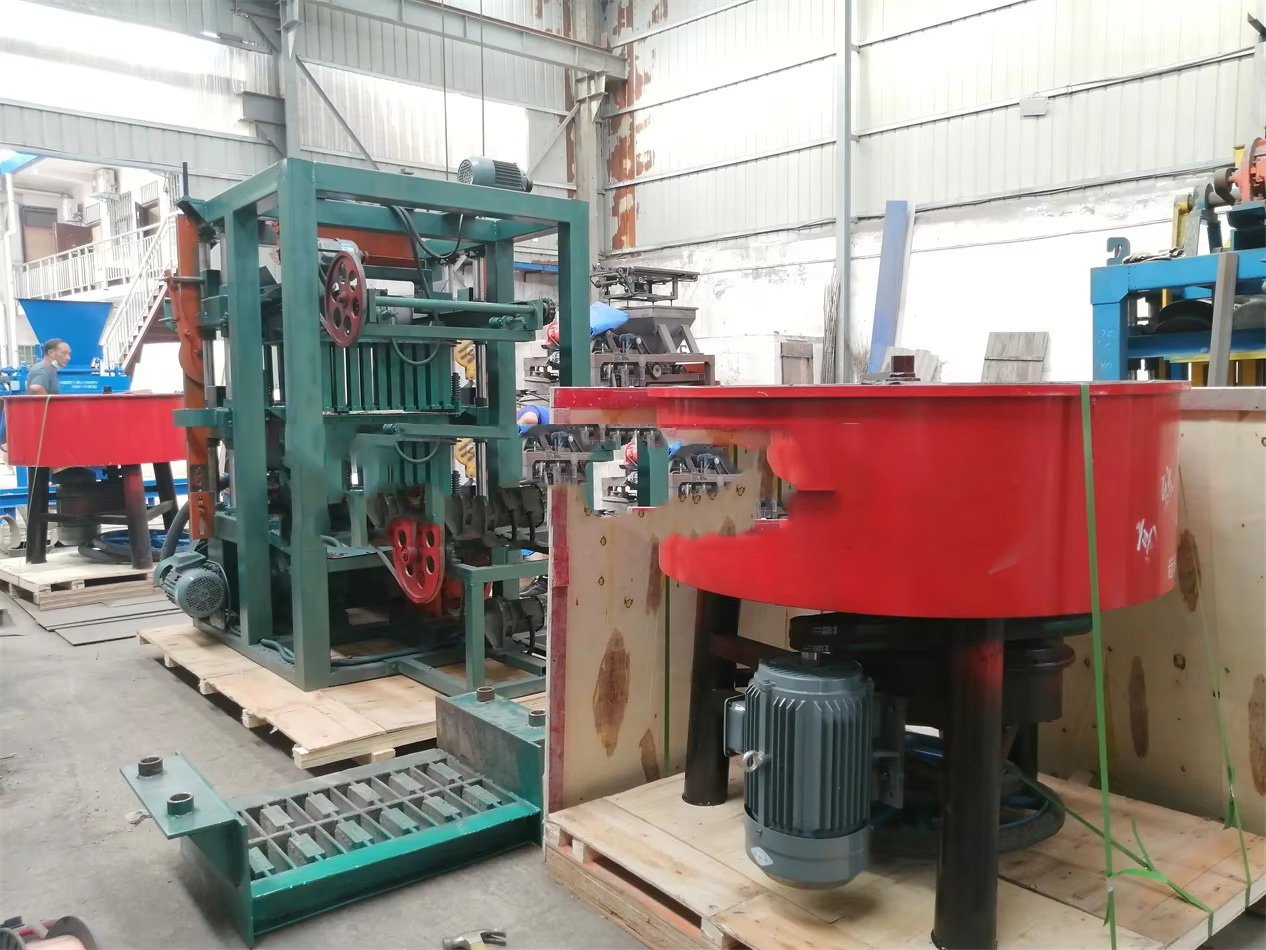
Manual and Semi-Automatic Options
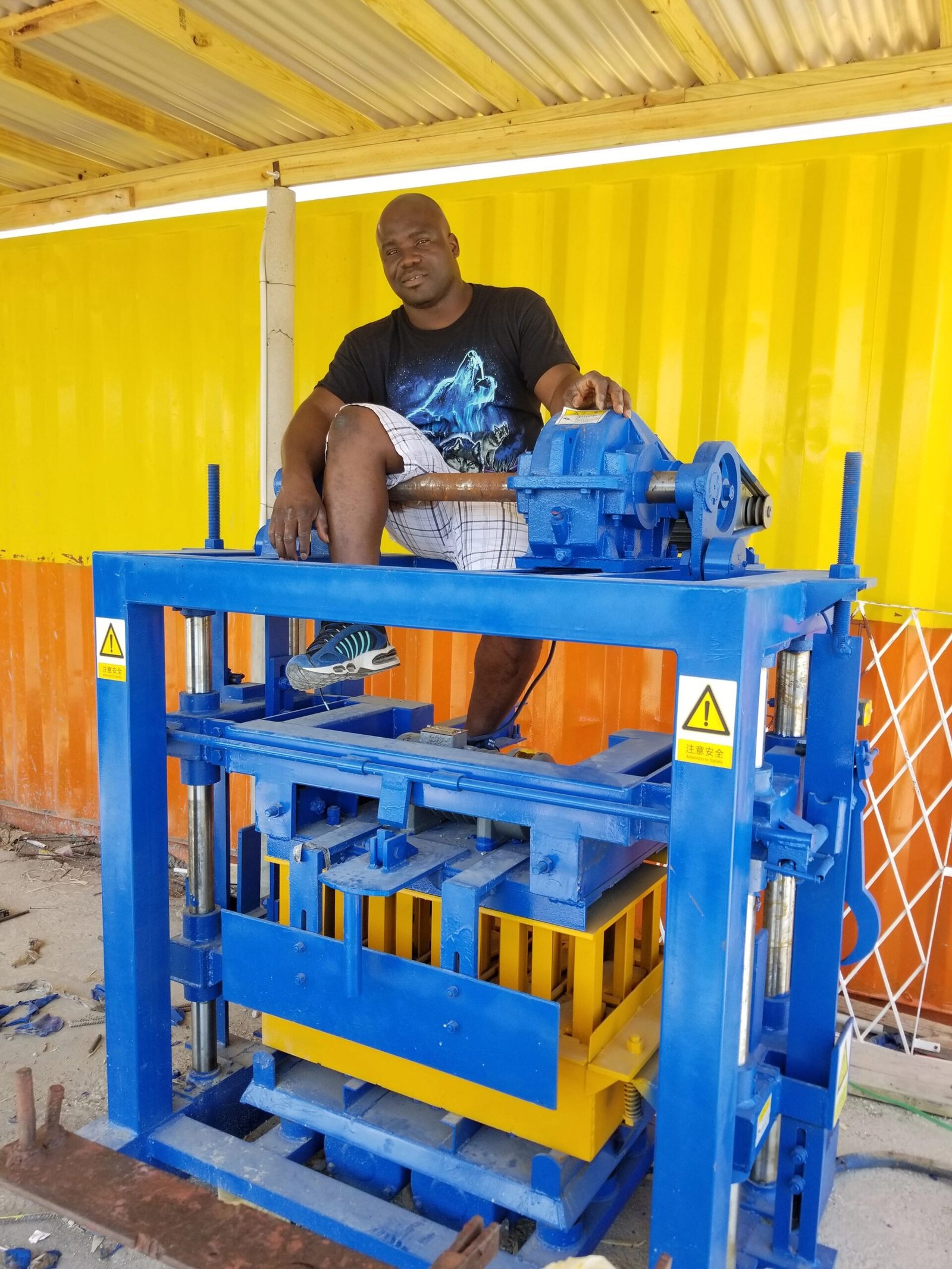
Entry-level projects benefit from manual brick making machine technology. These systems require minimal power and offer maximum portability. Ideal for very remote locations or pilot projects testing local markets.
Manual Systems
Hand-operated brick machine models produce 500-800 bricks daily. No electrical power required. Two operators can run production efficiently. Perfect for community-scale projects.
- Zero electricity requirements
- Extremely low operating costs
- Easily transportable by pickup truck
- Minimal training needed
- Suitable for micro-enterprises
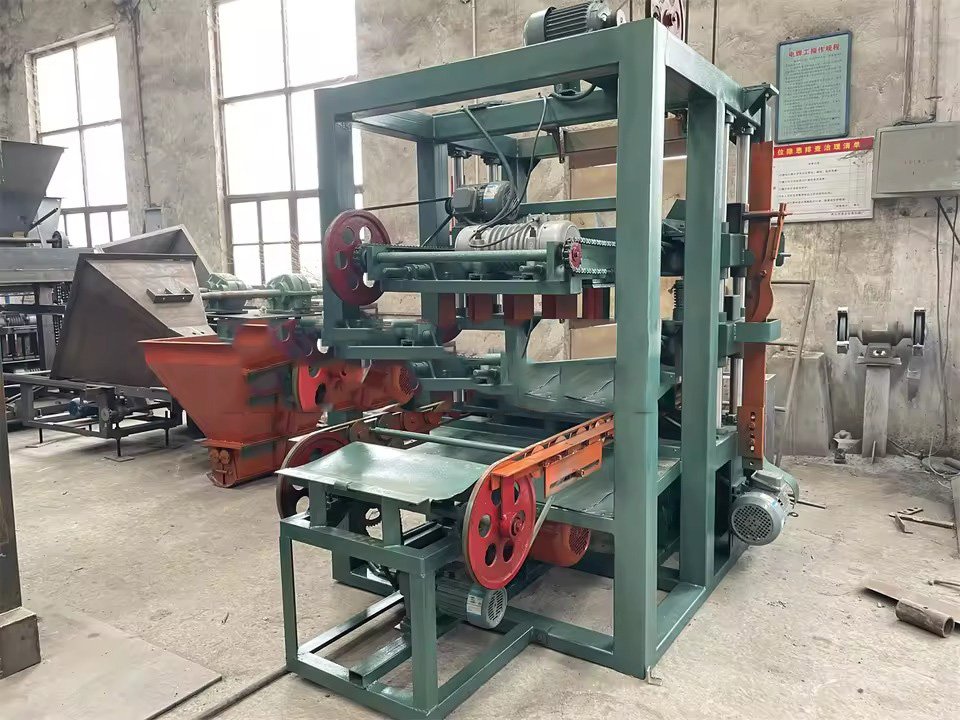
Semi-Automatic Production
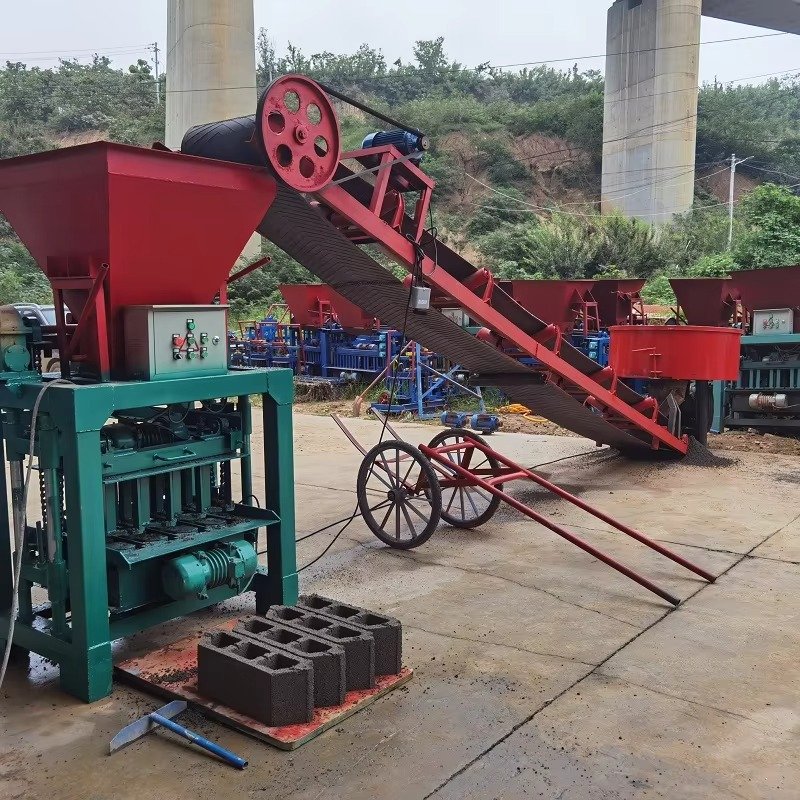
The Qt4-26 model represents our most popular portable brick machines category. Semi-automatic operation balances productivity with affordability. This equipment class dominates rural project installations.
Automatic material dropping, push-pull die design, and automated brick discharging improve efficiency dramatically. Production reaches 2000-3000 pieces daily with just 2-3 operators. The system adapts to generator power in off-grid locations.
Fully Automatic Production Lines
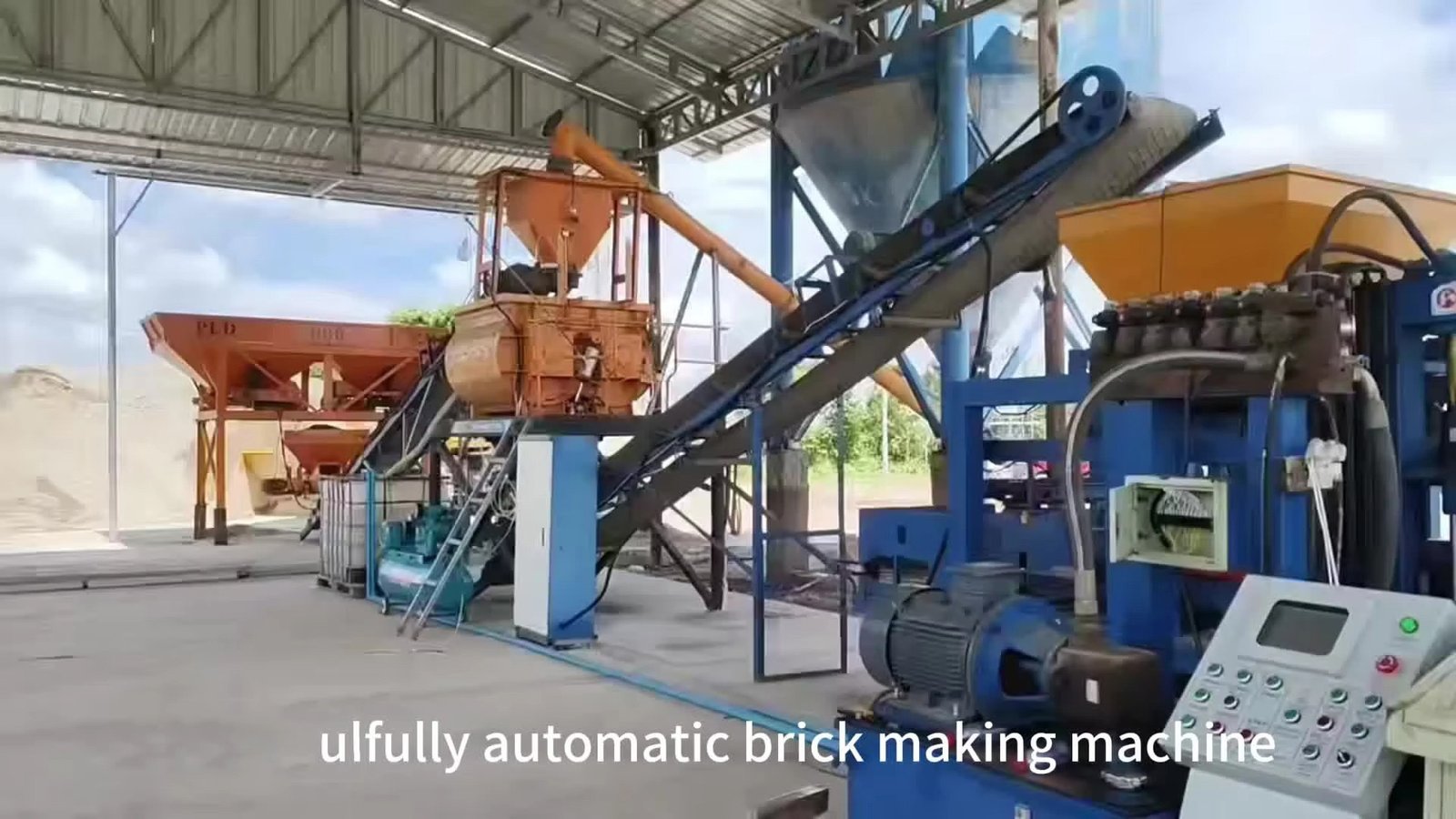
Large-scale rural development projects require maximum efficiency. Our automatic brick making machine systems integrate batching plants, mixers, and automated handling. Production capacities exceed 10,000 pieces daily.
These installations suit government infrastructure programs or commercial developments. While less portable than smaller units, they provide unmatched output. Consider automatic systems when project duration exceeds six months and daily requirements surpass 5,000 bricks.
Manual Brick Making Machine
Entry-level solution for small projects. Zero electricity, maximum portability. Produces 500-800 pieces daily with 2 operators.
- Daily capacity: 500-800 pieces
- Power: Manual operation
- Operators: 2 people
- Ideal for: Pilot projects, community buildings
Semi-Automatic Block Making Machine
Most popular choice for rural projects. Balances productivity and cost. Qt4-26 model produces 2000-3000 pieces daily.
- Daily capacity: 2000-3000 pieces
- Power: 380V/220V AC (12.35 KW)
- Operators: 2-3 people
- Ideal for: Medium-scale developments
Automatic Brick Making Machine
Complete production line for large projects. Integrated batching and handling systems. Produces 10,000+ pieces daily.
- Daily capacity: 10,000+ pieces
- Power: Three-phase industrial
- Operators: 4-6 people
- Ideal for: Government infrastructure programs
Specialized Equipment: Cement Block Making Machine and More
Beyond standard bricks, modern construction requires diverse products. Our concrete block making machine range produces structural elements for various applications. Each machine type serves specific construction needs.
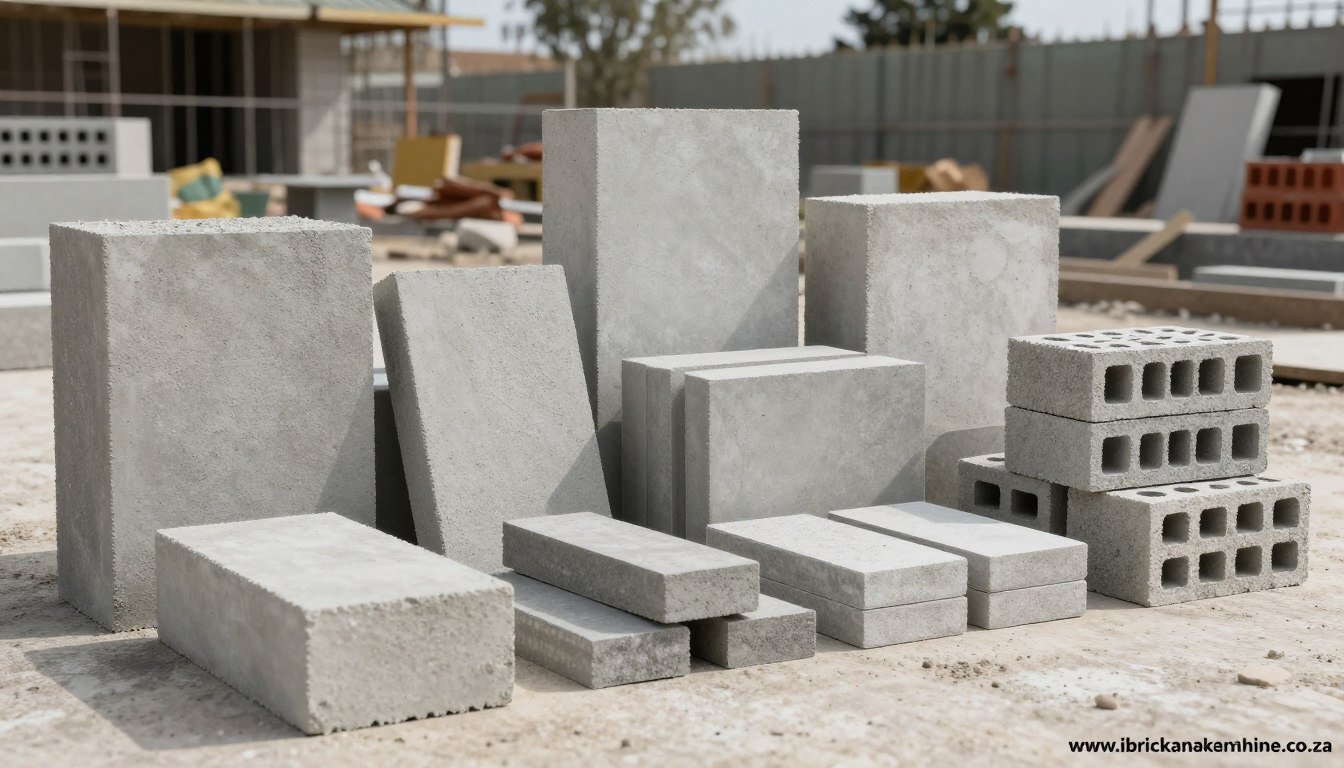
Cement Block Making Machine Applications
Load-bearing structures demand specific block characteristics. Cement block making machine models produce high-density products suitable for foundations and structural walls. Compressive strength exceeds standard requirements for residential and light commercial construction.
Residential Construction
Standard cement blocks form walls for houses, schools, and clinics. Thermal properties suit South African climates. Cost-effective alternative to traditional materials.
- Standard wall blocks (400×200×200mm)
- Partition blocks (400×100×200mm)
- Corner and lintel blocks
- Foundation blocks (higher density)
Commercial Buildings
Larger facilities require consistent block quality. Our block making machine systems maintain specifications across thousands of units. Essential for warehouses, shops, and offices.
- High-density structural blocks
- Insulated cavity blocks
- Acoustic barrier blocks
- Custom sizes available
Infrastructure Projects
Roads, drainage, and retaining walls need durable components. Specialized molds produce blocks for civil engineering applications. Higher cement ratios ensure longevity.
- Retaining wall blocks with interlocks
- Drainage channel blocks
- Kerb and edging blocks
- Heavy-duty paving blocks
Agricultural Facilities
Farm buildings benefit from locally-produced blocks. Storage facilities, animal housing, and processing areas all use cement block construction. Weather-resistant and long-lasting.
- Barn and shed walls
- Silo construction blocks
- Fencing and boundary walls
- Water storage structures
Cinder Block Making Machine for Lightweight Applications
Not all structures require maximum density. Cinder block making machine technology produces lighter blocks using aggregates like fly ash or volcanic cinders. These blocks offer good insulation while reducing structural loads.
Lightweight blocks suit renovations and upper floors where weight matters. They’re easier to handle during construction, reducing labor fatigue. Transportation costs decrease due to lower weight per unit.
Complete Production Solutions: Brick Laying Machine Integration
Production efficiency means little if bricks aren’t laid quickly. MAIKONG provides complete solutions including brick laying machine technology. Integrated systems maximize project speed from production to installation.
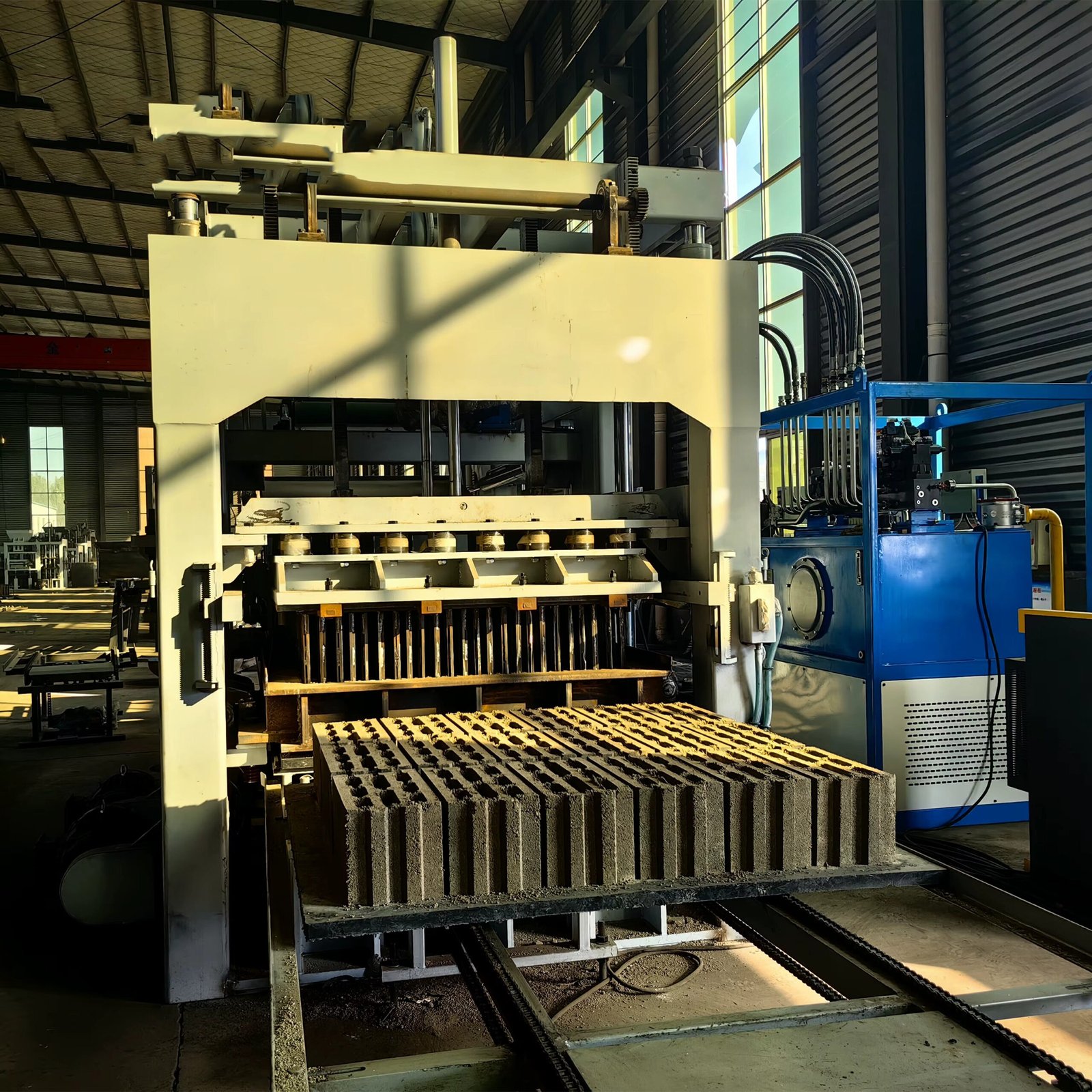
Automated laying systems work alongside portable brick machines. While your team produces blocks on-site, another crew uses laying equipment to accelerate wall construction. This parallel workflow cuts project timelines by 40-50%.
Integrated System Benefits
- Synchronized production and installation workflows
- Reduced labor requirements per square meter
- Consistent mortar application and alignment
- Faster project completion timelines
- Lower overall labor costs
- Improved quality control throughout process
Consider brick laying machine investment for projects exceeding 100,000 blocks. The equipment pays for itself through labor savings on medium to large developments.
Project Planning Tip: Calculate your daily production needs first. Then match brick making machine capacity with laying speed. Balanced workflows prevent bottlenecks and optimize crew efficiency. Our project consultants help with these calculations.
Small Brick Making Machine Options for Limited Budgets
Not every project requires industrial-scale equipment. Small brick making machine models serve community projects, individual home builders, and micro-enterprises. These compact units deliver quality without overwhelming initial investment.
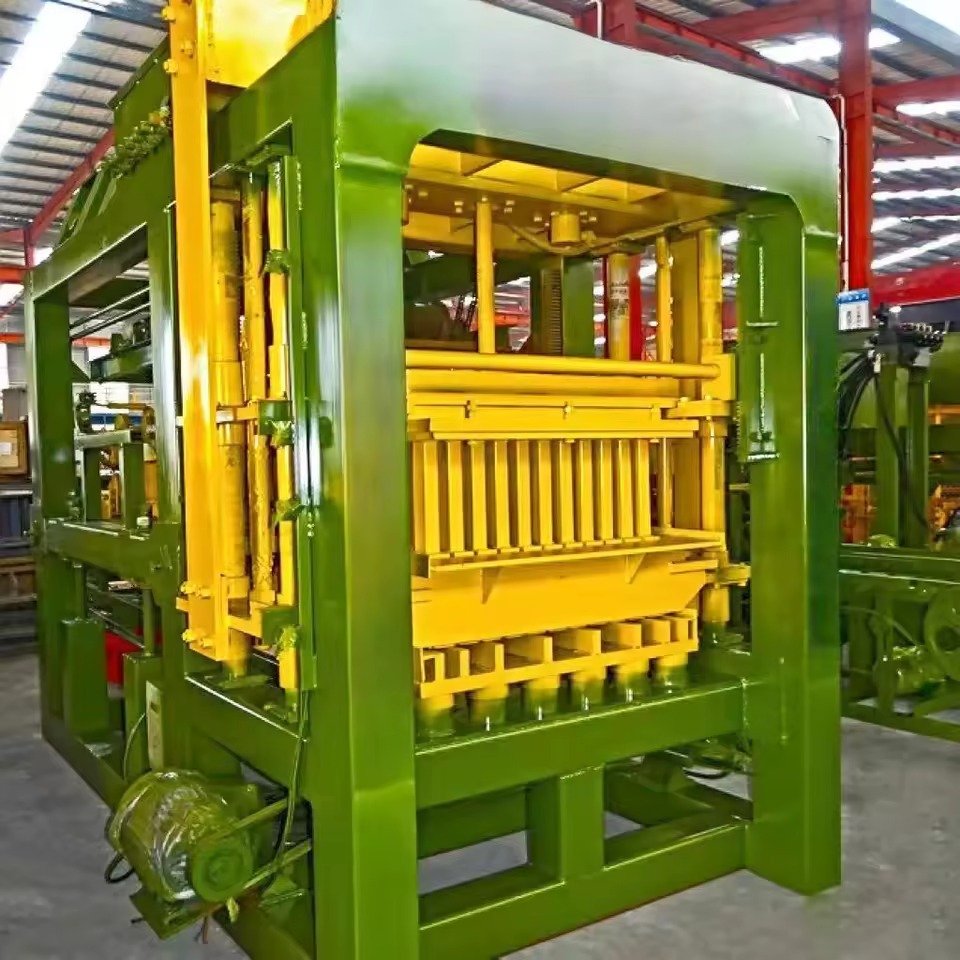
Entry costs for small brick making machine equipment start significantly lower than full production systems. Daily output of 800-1500 pieces suits individual homes or small building projects. These machines prove particularly popular with rural entrepreneurs.
Business Opportunities with Small-Scale Equipment
Local brick production creates immediate business opportunities. A single small brick making machine enables profitable micro-enterprises. Start-up costs remain accessible while market demand stays consistent.
Micro-Enterprise Model
- Initial investment: R50,000-R80,000
- Daily production: 800-1200 bricks
- Market: Local builders and homeowners
- Payback period: 8-12 months
- Ongoing profit potential: R3,000-R5,000 monthly
- Employment created: 2-3 local positions
Community Cooperative
- Shared investment by multiple families
- Production for member building projects
- Surplus production sold commercially
- Skills training for all members
- Equipment owned collectively
- Strengthens community economic base
Contractor Service
- Mobile service offering on-site production
- Equipment travels to customer locations
- Premium pricing for convenience
- Builds reputation through quality
- Recurring revenue from repeat clients
- Scalable with additional equipment
These business models work because demand for quality bricks never stops. Construction continues regardless of economic conditions. Positioning a small brick making machine in underserved areas creates automatic competitive advantage.
Raw Material Sourcing for Portable Brick Machines
Equipment means nothing without proper raw materials. Fortunately, rural areas typically offer abundant resources. Understanding local material characteristics optimizes production quality and costs.
Essential Raw Materials
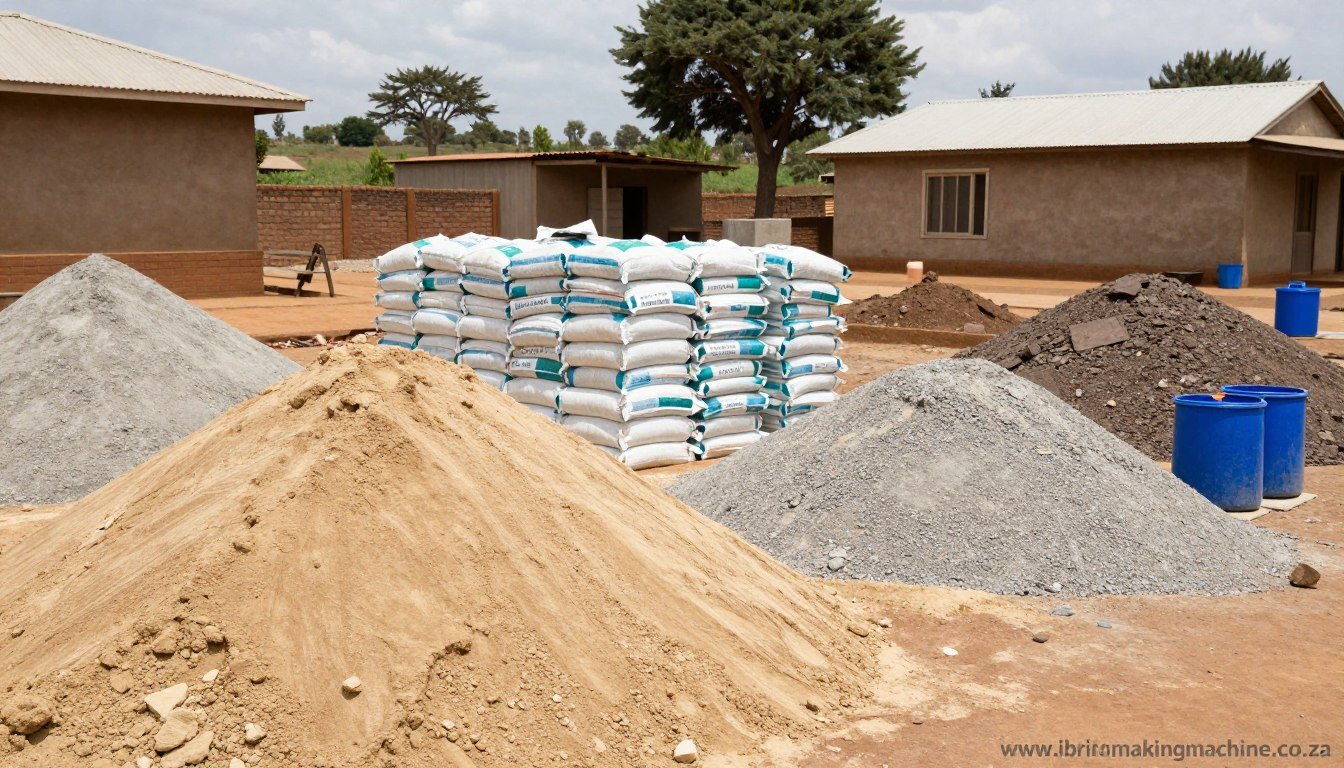
Basic brick production requires four primary materials. Quality control at the material stage determines final product characteristics. Brick making machine performance depends on consistent input materials.
Material Specifications
- Cement: Standard Portland cement (CEM I 42.5). Purchase from reputable suppliers. Store in dry conditions away from moisture. Typical ratio: 10-15% of total mix.
- Sand: Clean river sand or quarry dust. Particle size 0-5mm works best. Remove organic matter and clay contamination. Forms 70-80% of brick composition.
- Aggregate: Crushed stone 6-10mm for structural blocks. Can use local stone crushed on-site. Quality affects block strength significantly.
- Water: Clean, potable water essential. Salt content affects curing and strength. Ratio approximately 8-12% depending on sand moisture.
Local Material Testing
Before starting production, test local materials. Simple field tests reveal suitability:
- Sand squeeze test for clay content
- Gradation analysis for particle distribution
- Water quality pH testing
- Trial batch production verification
MAIKONG provides material testing guidance. Our technical team helps interpret results and adjust mix designs accordingly.
Cost-Effective Sourcing Strategies
Material costs determine brick production economics. Smart sourcing reduces expenses without compromising quality. Rural locations often offer advantages over urban supply chains.
- Source sand locally when possible—reduces transportation costs dramatically
- Purchase cement in bulk—negotiate volume discounts with suppliers
- Consider local stone crushing instead of buying aggregate
- Test alternative materials like fly ash or slag where available
- Establish relationships with multiple suppliers for price competition
- Store adequate quantities to avoid production delays
Operator Training and Technical Support for Brick Making Machine Success
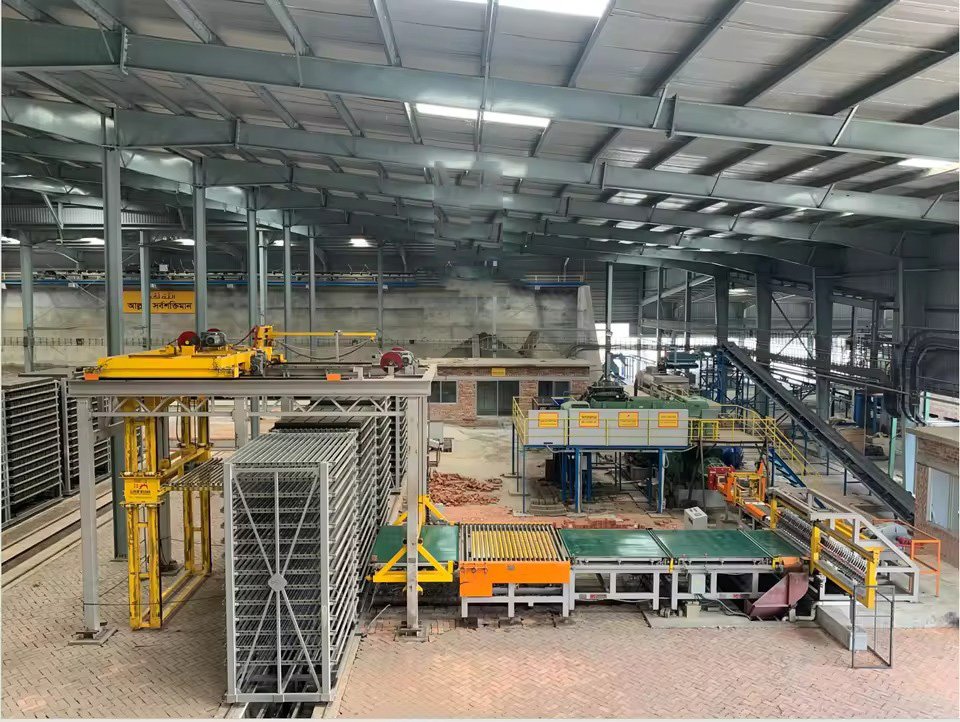
Equipment investment means little without skilled operators. MAIKONG provides comprehensive training programs for all brick making machine models. Rural project success depends on knowledge transfer to local teams.
Comprehensive Training Programs
Standard training covers operation, maintenance, troubleshooting, and safety. Programs adapt to operator education levels and language requirements. Hands-on practice ensures confidence before independent operation.
Basic Operation Training
Duration: 2-3 days
- Equipment safety procedures
- Start-up and shutdown protocols
- Material loading and mixing
- Block removal and stacking
- Daily maintenance tasks
- Basic troubleshooting
Advanced Maintenance
Duration: 2 days
- Preventive maintenance schedules
- Lubrication requirements
- Component inspection techniques
- Mold changing procedures
- Vibration system adjustment
- Parts ordering and replacement
Quality Control
Duration: 1-2 days
- Mix design optimization
- Brick strength testing
- Dimensional accuracy checks
- Curing procedures
- Defect identification
- Process documentation
Ongoing Technical Support
Training doesn’t end after initial instruction. MAIKONG’s support continues throughout equipment life. Multiple channels ensure help arrives when needed.
24/7 Technical Support Available
When technical issues arise, immediate assistance matters. Our multilingual support team provides rapid troubleshooting via WhatsApp, phone, and video calls.
Support includes remote diagnostics, video guidance, and emergency spare parts dispatch. Your brick making machine investment stays productive.
Support Services Include
- Video call troubleshooting—see problems in real-time
- WhatsApp chat support—quick answers to simple questions
- Email technical assistance—detailed solutions for complex issues
- On-site visits—available for critical problems
- Spare parts supply—maintained inventory in South Africa
- Software updates—for electronically controlled systems
- Refresher training—periodic skills updates
Real-World Applications: Portable Brick Machines in Action
Theory matters less than proven results. MAIKONG equipment operates successfully across South Africa’s diverse regions. These examples demonstrate practical applications and outcomes.
Case Study: Rural School Construction, Limpopo Province
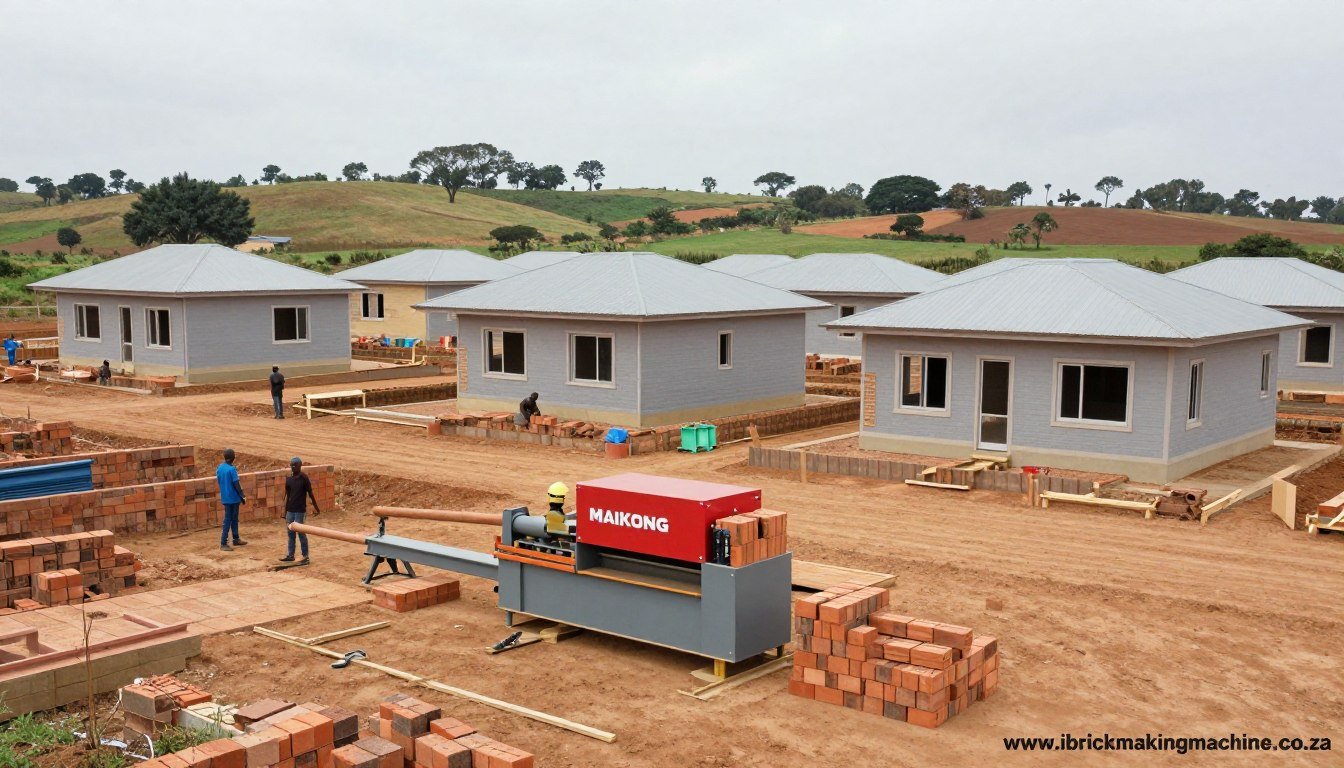
A 12-classroom school required 85,000 blocks. Remote location made material transportation impractical. Project selected portable brick machines for on-site production.
“We initially planned to transport bricks 120 kilometers. Transport quotes exceeded brick costs. The MAIKONG portable system cut our material budget by 55%. Local workers learned valuable skills that continue benefiting the community.”
Project Details:
- Equipment: One Qt4-26 semi-automatic system
- Production period: 6 weeks
- Workers employed: 4 local residents trained on-site
- Total cost savings: R180,000 versus transported materials
- Additional benefit: Equipment remained for community use after completion
Case Study: Government Housing Project, Eastern Cape
Provincial housing initiative aimed to build 200 homes in underserved rural areas. Distributed sites across 50-kilometer radius made central production inefficient. Brick making machine in pretoria suppliers couldn’t meet logistical requirements.
Solution: Four mobile production units traveled between sites. Each unit operated 4-6 weeks per location, producing blocks for 40-50 homes before moving.
Outcomes:
Economic Impact
- Material costs reduced 48% overall
- 120 temporary jobs created during production phases
- 15 workers gained permanent employment operating equipment
- Local entrepreneurs purchased machines after government project ended
Project Efficiency
- Construction time reduced by 35%
- Material quality improved—fresh production daily
- Zero material shortages—production matched consumption
- Weather delays minimized—no transport dependencies
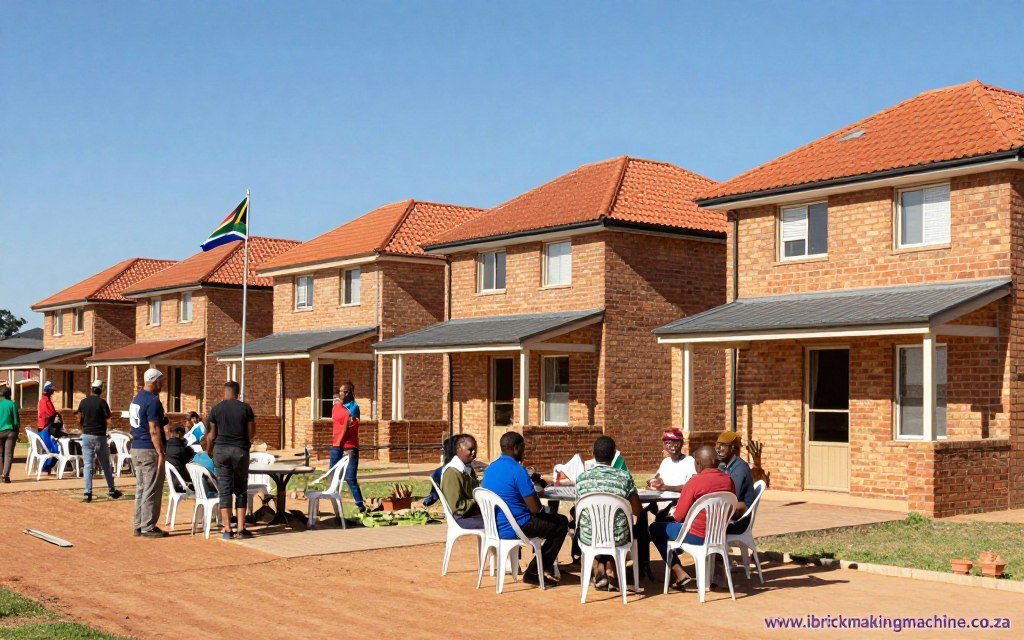
Commercial Development: Agri-Tourism Facility, Mpumalanga
Private tourism development needed extensive construction in scenic but remote location. Environmental concerns prohibited heavy truck traffic. Guest accommodation, restaurant, and service buildings required 300,000+ blocks.
Developer installed two automatic brick making machine systems powered by solar with generator backup. Production continued throughout 18-month construction period. Excess blocks were sold to neighboring property owners.
Project Highlights:
- Zero environmental impact from material transport
- Consistent architectural appearance using uniform blocks
- Solar power reduced operating costs significantly
- Equipment relocated to developer’s next project after completion
- Established local brick supply business as side venture
Maintenance Requirements and Spare Parts for Brick Making Machine Longevity
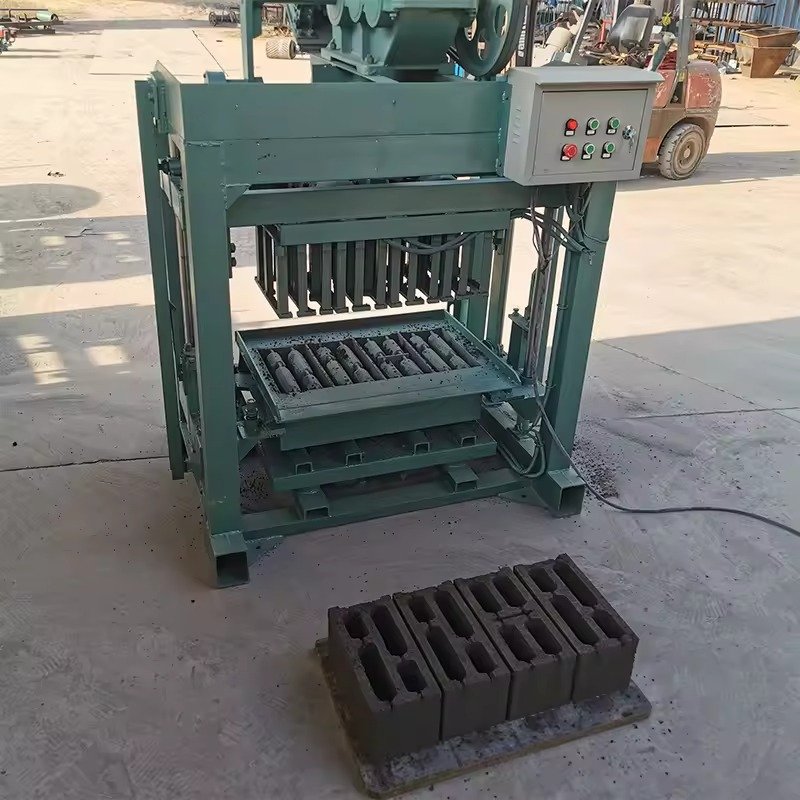
Equipment life depends on proper maintenance. Portable brick machines operating in dusty rural conditions need regular attention. Preventive maintenance prevents expensive breakdowns and production delays.
Daily Maintenance Tasks
Simple daily procedures extend equipment life significantly. These tasks take 15-20 minutes and prevent most common issues.
- Visual Inspection: Check for loose bolts, cracks, or unusual wear before starting production.
- Lubrication Points: Apply grease to moving parts per manufacturer schedule—typically 6-8 points daily.
- Vibration System Check: Listen for unusual sounds indicating bearing wear or imbalance.
- Mold Cleaning: Remove cement buildup from molds to maintain brick quality and dimensional accuracy.
- Belt Tension: Verify proper tension on drive belts—neither too loose nor overtightened.
- Electrical Connections: Ensure all connections remain tight and free from dust accumulation.
Weekly and Monthly Procedures
More thorough maintenance occurs weekly and monthly. Schedule these during production breaks to minimize downtime.
| Maintenance Task | Frequency | Estimated Time | Skill Level |
| Complete equipment cleaning | Weekly | 1-2 hours | Basic operator |
| Hydraulic oil level check | Weekly | 10 minutes | Basic operator |
| Drive chain tension adjustment | Bi-weekly | 30 minutes | Trained technician |
| Vibrator bearing inspection | Monthly | 45 minutes | Trained technician |
| Electrical system inspection | Monthly | 1 hour | Electrician |
| Hydraulic oil replacement | Every 6 months | 2 hours | Trained technician |
Spare Parts Availability
Critical spare parts must be available locally. MAIKONG maintains inventory in South Africa for rapid replacement. Common wear items include bearings, belts, and hydraulic seals.
Important: Always use genuine MAIKONG spare parts. Counterfeit or generic parts may fit but often fail prematurely. Our parts carry warranties and performance guarantees. Contact Lucy@ibrickmakingmachine.co.za for parts ordering.
We maintain stock of frequently needed components. Emergency shipments reach most South African locations within 2-3 business days. For remote areas, we coordinate with local transport services.
Environmental Benefits of Local Brick Making Machine Production
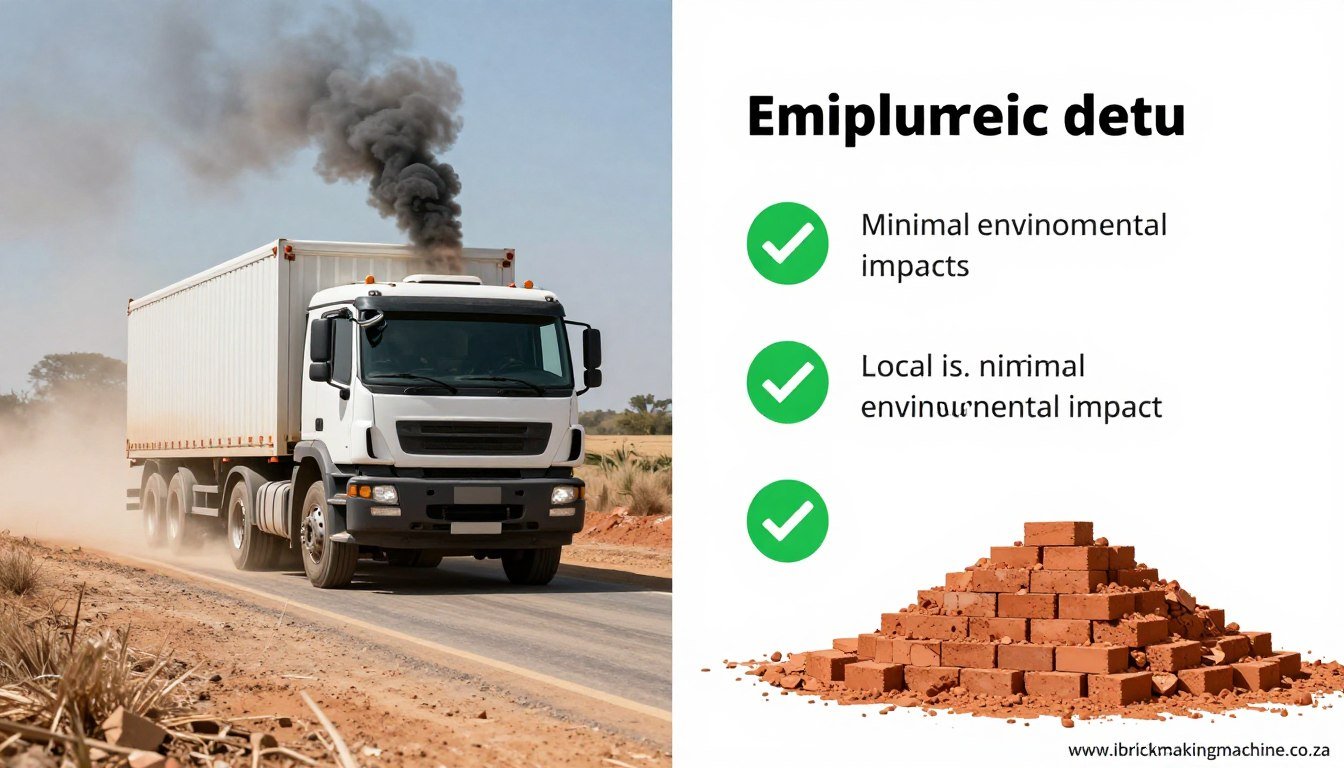
Sustainability matters increasingly in construction. Portable brick machines offer significant environmental advantages over traditional supply chains. Rural communities benefit from reduced environmental impact.
Carbon Footprint Reduction
Transportation represents the largest carbon source in conventional brick supply. Long-distance hauling consumes diesel fuel and increases emissions substantially. Local production eliminates most of these impacts.
Traditional Supply Chain Impact
- Average 150-250 km transport distance in rural areas
- Heavy truck emissions: approximately 0.8 kg CO2 per ton-kilometer
- Road damage from heavy loads
- Dust pollution along transport routes
- Noise impact on rural communities
- Fuel consumption: 30-40 liters per 100 km for loaded trucks
Local Production Benefits
- Transport eliminated except for raw materials
- Cement transport only: 10-15% of total weight
- No road damage from finished product hauling
- Minimal local dust and noise
- Reduced overall fuel consumption by 70-80%
- Lower carbon emissions per brick produced
Resource Efficiency
Using local materials reduces extraction pressure in centralized locations. Sand and aggregate come from nearby sources. This distributes environmental impact rather than concentrating it around large production facilities.
Water consumption in brick making machine operations remains modest. Daily requirements of 3-5 tons suit most rural locations. Recycling and management systems minimize waste.
Financing Your Portable Brick Machines Investment
Equipment costs represent significant investment for rural projects. Understanding financing options makes brick making machine ownership accessible. Several pathways suit different circumstances and capabilities.

Direct Purchase Options
Outright purchase offers simplest ownership. MAIKONG accepts multiple payment methods including bank transfers, letters of credit, and international wire transfers. Full payment before shipping remains standard for international orders.
Payment terms include:
- Bank transfer (T/T)—most common for South African customers
- Letter of Credit (L/C)—preferred for large government orders
- Installment payments—available for established clients
- Deposit plus balance—30% deposit, 70% before shipment typical
Leasing and Rental Arrangements
Short-term projects may benefit from equipment rental. MAIKONG South African distributors offer rental programs for portable brick machines. This option suits pilot projects or seasonal construction.
Short-Term Rental
Ideal for projects under 6 months. No ownership commitment. Maintenance included.
- Duration: 1-6 months
- Deposit: One month rental
- Includes: Training, support, maintenance
- Best for: Pilot projects, single developments
Lease-to-Own
Monthly payments leading to ownership. Suitable for established businesses with cash flow.
- Duration: 24-36 months typical
- Down payment: 20-30%
- Title transfers after final payment
- Best for: Growing contractors, entrepreneurs
Direct Purchase
Full ownership immediately. Best long-term value. Eligible for business tax benefits.
- Payment: Full or deposit + balance
- Warranty: 2 years comprehensive
- Ownership: Immediate upon delivery
- Best for: Established companies, government projects
Government and NGO Funding
Rural development projects often qualify for grants and subsidies. South African government programs support infrastructure and housing initiatives. MAIKONG provides documentation required for funding applications.
Funding sources include:
- Provincial development agencies—housing and infrastructure grants
- Municipal economic development funds—job creation initiatives
- NGO partnerships—international development organizations
- Small business development programs—entrepreneur support
- Community development trusts—local investment vehicles
Application Support: Our team assists with funding applications. We provide technical specifications, cost justifications, and economic impact assessments required by funding agencies. Contact our business development team for assistance.
Quality Standards and Certifications for Brick Making Machine Equipment
International quality standards ensure reliable equipment. MAIKONG manufacturing meets stringent requirements. Certifications provide confidence in equipment durability and safety.
Manufacturing Standards
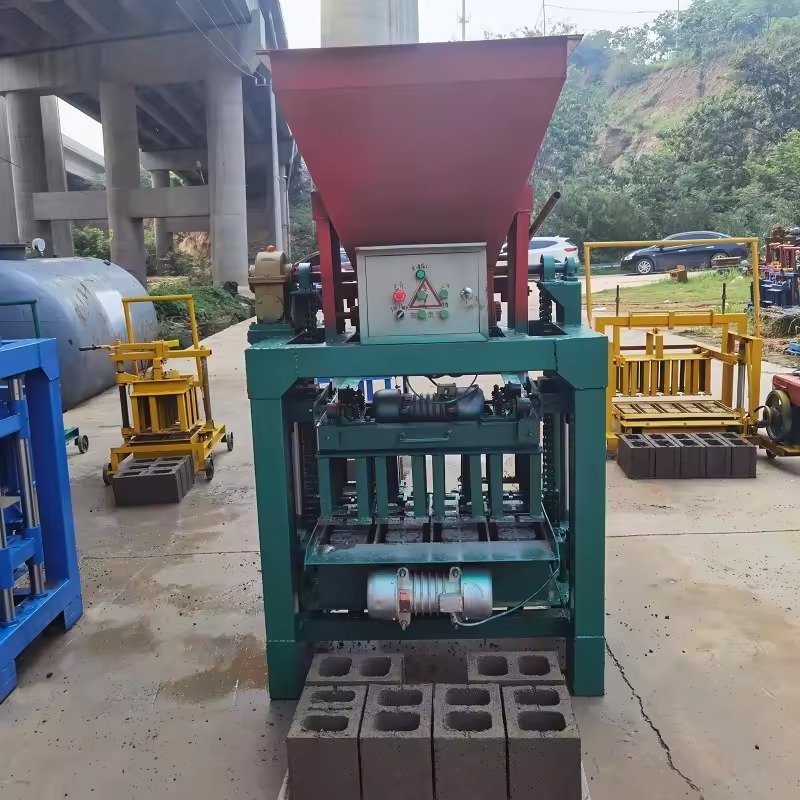
Our GD, SZ facilities maintain ISO 9001 quality management systems. Every brick making machine undergoes comprehensive testing before shipment. Documentation accompanies each unit.
Quality assurance includes:
- Materials inspection—all components verified before assembly
- Assembly quality control—checkpoints throughout manufacturing
- Operational testing—full load testing of every machine
- Safety verification—electrical and mechanical safety compliance
- Final inspection—comprehensive checklist before packing
- Video documentation—recorded testing provided to customers
Product Testing and Verification
Independent testing validates equipment performance. Third-party laboratories verify specifications. Test reports accompany shipments for customer confidence.
Warranty Coverage
Two-year comprehensive warranty covers all portable brick machines. This protection includes parts and labor for manufacturing defects. Extended warranties available for additional peace of mind.
Standard warranty covers:
- All structural components—frame, columns, vibration box
- Mechanical systems—hydraulics, drives, motors
- Electrical components—controls, wiring, safety systems
- Molds and forming equipment—normal wear excluded
- Replacement parts—shipped at no cost during warranty period
- Technical support—unlimited consultation throughout warranty
Warranty Activation: Register your brick making machine within 30 days of delivery for full warranty coverage. Registration form provided with equipment. Online registration available at our order portal.
Getting Started with Your Portable Brick Machines Project
Beginning a rural brick production project requires planning and preparation. MAIKONG guides customers through each step. Our experience with hundreds of installations ensures smooth project launches.
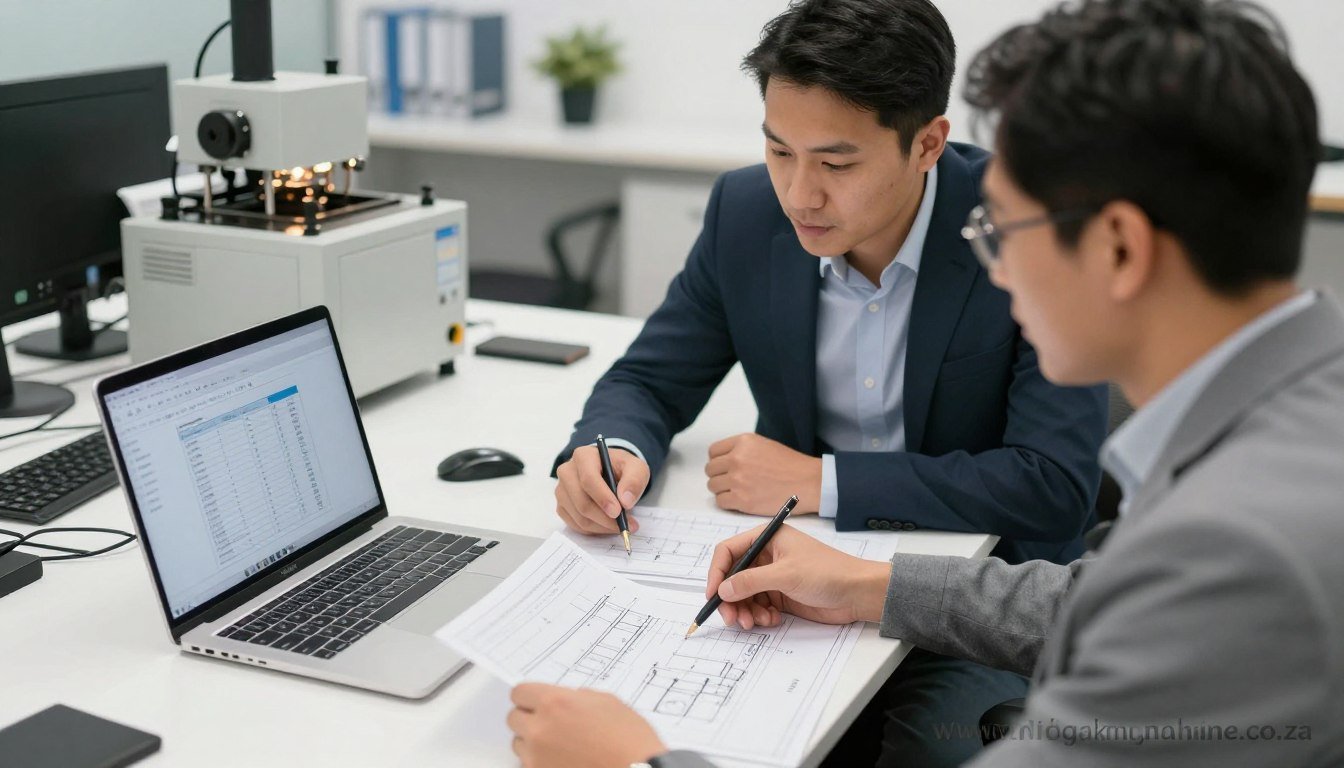
Initial Planning Steps
Successful projects begin with thorough assessment. Understanding your specific requirements determines appropriate equipment selection and configuration.
- Determine Project Scope: Calculate total brick requirements based on architectural plans. Include contingency for waste and unexpected needs. Factor in timeline constraints.
- Assess Site Conditions: Evaluate access roads, electrical power availability, water sources, and workspace. Identify potential challenges early.
- Evaluate Raw Material Access: Survey local sand, aggregate, and water sources. Confirm cement supply reliability. Test materials if possible.
- Define Labor Availability: Determine how many workers can be employed. Assess existing skill levels and training needs.
- Establish Budget Parameters: Include equipment, materials, labor, and contingencies. Consider financing options if needed.
- Review Regulatory Requirements: Check local permits, environmental compliance, and safety regulations. Factor approval timelines into schedule.
Equipment Selection Process
Choosing the right brick making machine affects project success significantly. Match equipment capacity to production requirements. Consider long-term needs beyond immediate project.
How do I calculate required production capacity?
Divide total brick requirements by available production days. Add 20% buffer for delays and defects. For example: 100,000 bricks needed ÷ 60 working days = 1,667 bricks daily. Add buffer: 1,667 × 1.2 = 2,000 bricks daily capacity required.
Match this requirement to machine specifications. A Qt4-26 producing 2,000-3,000 daily suits this project. Contact our technical team via WhatsApp for customized calculations.
What infrastructure is required at the production site?
Minimum requirements include: 40-50 square meters level ground, electrical power (380V/220V AC or generator), water access (5-7 tons daily), material storage area (50-80 square meters), curing space for finished bricks (100-150 square meters for 3-day production).
Roads must accommodate delivery trucks for equipment and cement. Consider drainage for water management during wet seasons.
How long does delivery and installation take?
Standard delivery to South African ports: 3-4 weeks from order confirmation. Customs clearance: 1-2 weeks depending on documentation. Inland transport to site: 3-7 days depending on location. Installation and commissioning: 2-3 days. Operator training: 2-3 days.
Total timeline from order to production start: approximately 6-8 weeks. Expedited shipping available for urgent projects at additional cost.
What ongoing costs should I budget for?
Regular expenses include: raw materials (cement, sand, water—approximately R0.80-R1.20 per brick), labor (2-3 operators plus support staff), electricity or fuel (generator operation R200-R300 daily), maintenance supplies (lubricants, cleaning materials—R500-R800 monthly), occasional spare parts (budget R2,000-R3,000 monthly reserve).
Total operating cost typically ranges R1.50-R2.00 per brick produced, varying with local material and labor costs. Selling price typically R3.50-R5.00 per brick in rural areas, providing healthy margins.
Can equipment be relocated after project completion?
Yes, portable brick machines are specifically designed for mobility. Disassembly takes 4-6 hours. Equipment fits on standard flatbed trucks. Reassembly at new location takes 6-8 hours. This mobility makes equipment valuable assets for contractors serving multiple projects.
Many customers operate mobile services, moving equipment between client sites. This business model maximizes equipment utilization and generates revenue from multiple projects simultaneously.
Transform Rural Construction with Portable Brick Machines
Remote project success depends on access to quality building materials. Portable brick machines eliminate transportation barriers while creating local opportunities. South African rural development gains momentum when communities produce their own construction materials.
MAIKONG brings 20+ years of manufacturing expertise to your projects. Our equipment withstands demanding conditions while delivering consistent quality. From brick making machine in pretoria installations to brick making machine polokwane operations, our support network ensures success.
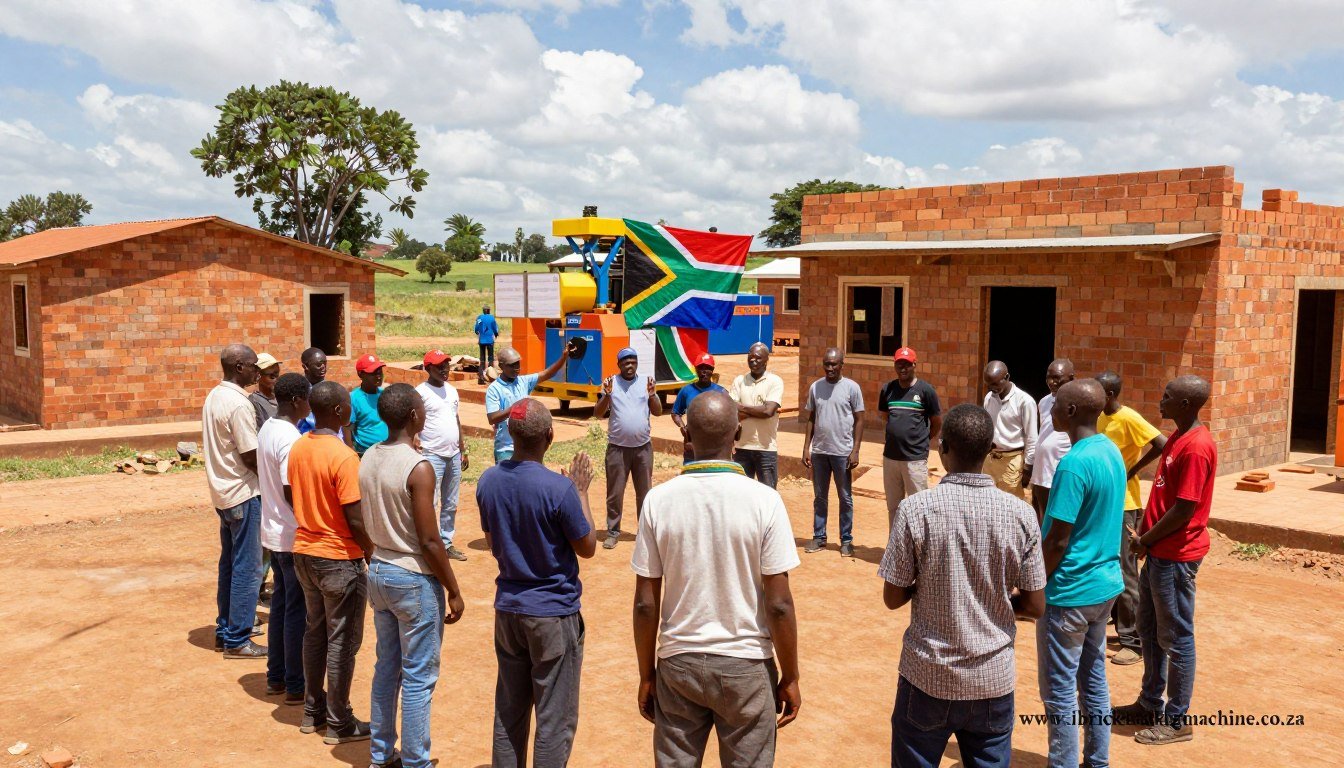
Investment in brick making machine technology creates lasting community benefits. Local employment, skills development, and reduced construction costs multiply initial investment value. Projects complete faster when materials arrive fresh from on-site production.
Your Next Steps
Every successful project begins with a conversation. Our team specializes in matching equipment to project requirements. We understand South African conditions and regulatory requirements. Let’s discuss your specific needs.
Start Your Portable Brick Machines Project Today
Connect with MAIKONG South Africa’s technical and business development teams. We provide comprehensive project assessments, equipment recommendations, and financial planning assistance.
Immediate Technical Consultation
Get instant answers to technical questions via WhatsApp. Our engineers provide rapid response for specifications, capacity calculations, and technical feasibility.
Detailed Project Quotation
Receive comprehensive quotations including equipment specifications, delivery timelines, training programs, and support services. Customized to your project requirements.
Email: Lucy@ibrickmakingmachine.co.za
Website: ibrickmakingmachine.co.za
Additional Resources
Explore our complete range of brick making machine solutions and support services:
Product Information
Business Services
Support & Contact
Join the growing network of successful portable brick machines operators across South Africa. Transform rural construction challenges into opportunities for community development and business growth.
Special Opportunity: MAIKONG actively seeks distributors and partners throughout South Africa. Exclusive territories available in key regions. Contact our business development team to learn about partnership benefits including: territorial exclusivity, marketing support, technical training, competitive pricing structures, and ongoing business development assistance. Limited opportunities available—inquire today.