 South African builders face unique challenges. The climate varies from coastal humidity to inland dryness. Local materials differ by region. Your brick production needs a formula tailored to these conditions. This guide reveals the exact steps professional manufacturers use.
For personalized mix design guidance specific to your South African materials and climate conditions, our technical experts are available via WhatsApp at +86-135-1090-7401. Whether you run an existing factory or plan to start brick production, understanding mix design separates profitable operations from struggling ones.
Concrete Brick Fundamentals
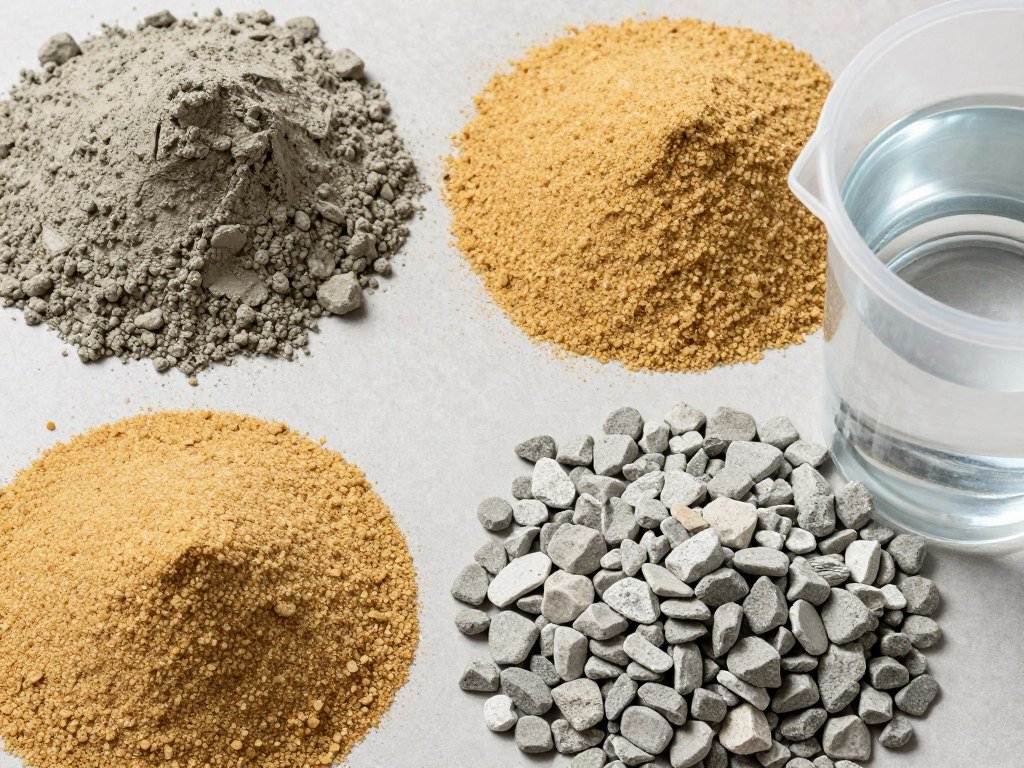
concrete brick consists of four basic ingredients. Cement acts as the glue. Sand provides body and strength. Aggregate fills space and reduces cost. Water triggers the chemical reaction that hardens everything together.
The magic happens in the proportions. Too much cement makes bricks expensive and prone to cracking. Too little creates weak blocks that crumble under pressure. The sand-to-aggregate ratio affects workability and final strength. Water content determines how well materials mix and cure.
South African Standards for Bricks
SABS 227 sets the benchmark. This standard requires minimum compressive strength of 7 MPa for stock bricks used in load-bearing walls. Non-load-bearing applications need 3.5 MPa. Your mix design must consistently hit these targets.
Water absorption matters too. Bricks should absorb less than 12% of their dry weight. Higher absorption means freeze-thaw damage in cold regions and efflorescence in damp conditions. Your mix controls this characteristic through proper cement content and curing.
Load-Bearing Brick Requirements
Load-bearing walls support the weight of floors and roofs above them. These critical building elements need bricks that won’t fail. The 7 MPa minimum ensures safety with a built-in margin.
Most manufacturers target 8-10 MPa to guarantee consistency. Production variations happen naturally. Aiming higher than minimum requirements protects against batch-to-batch differences.
Non-Load-Bearing Applications
Partition walls, garden features and decorative elements need less strength. The 3.5 MPa standard suffices. You can adjust your mix design to reduce cement costs for these projects.
Many producers maintain one strong mix for all applications. This simplifies production and creates a premium product reputation. The slight extra cost in cement often pays back through simplified operations.
Essential Mix Design Ratios for Concrete Brick
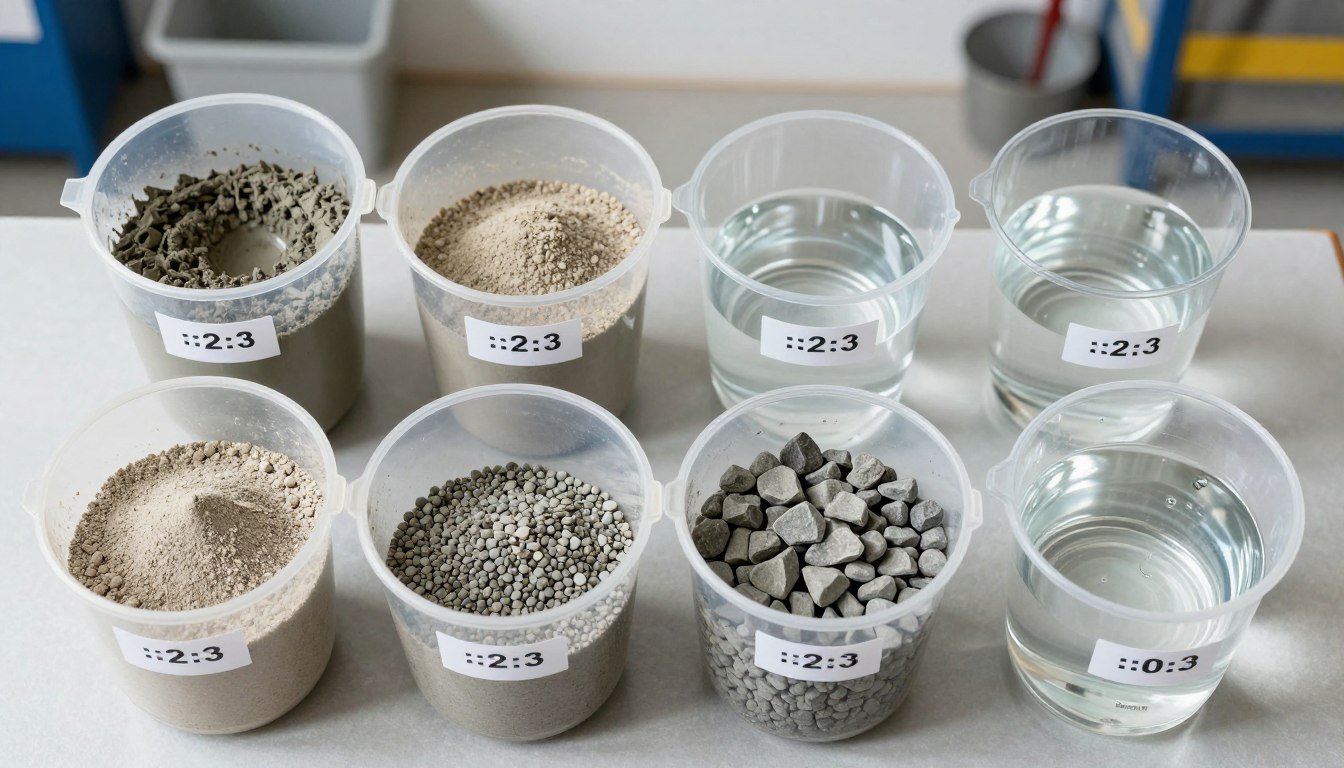
The proven ratio for 7 MPa concrete bricks follows the 1:2:3 principle. One part cement, two parts sand, three parts stone aggregate. This formula works across most South African conditions when properly executed.
Let’s translate theory into practice. For a typical batch producing 100 bricks, you need approximately 12.5 kg cement, 25 kg sand and 37.5 kg stone. Water content varies between 4-6 liters depending on material moisture and desired workability.
| Material | Ratio by Volume | Weight per 100 Bricks (kg) | Cost Impact |
| Cement (42.5N) | 1 | 12.5 | Highest – optimize carefully |
| River Sand (fine) | 2 | 25 | Medium – affects workability |
| Stone (6-13mm) | 3 | 37.5 | Low – provides bulk |
| Water (clean) | 0.4-0.5 | 4-6 liters | Minimal – critical for curing |
Adjusting Ratios for Different Strengths
Higher strength demands more cement. A 1:1.5:2.5 ratio produces 10 MPa bricks suitable for ground-level walls in multi-story buildings. The extra cement increases costs by roughly 30% but creates premium products for specialized markets.
Economy bricks for non-structural use can use a 1:3:4 ratio. This reduces cement consumption while still meeting the 3.5 MPa standard. Many manufacturers produce both grades to serve different customer needs and maximize profit margins.
Need Help Calculating Mix Ratios?
Our engineering team provides free technical consultations for South African manufacturers. We analyze your local materials, production goals and target markets to recommend optimal mix designs. Get expert guidance tailored to your specific situation.

Regional Material Variations
Coastal areas deal with salt-laden sand. Inland regions work with dust and drought. Gauteng has hard quartzite aggregates. Western Cape manufacturers often use crusher dust. Your mix design must adapt.
Coastal producers add 10-15% extra cement to combat salt contamination. Inland factories sometimes use admixtures to improve water retention during hot, dry curing. The key involves testing your specific materials rather than blindly following generic formulas.
Selecting Quality Raw Materials
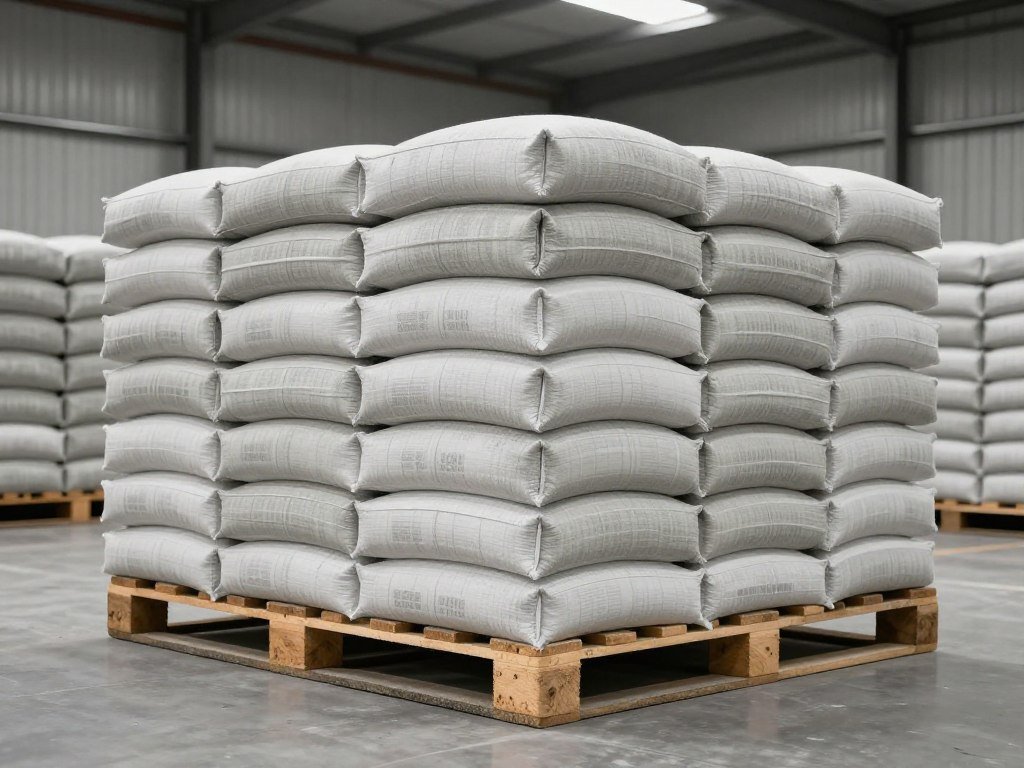
Cement choice impacts everything. CEM I 42.5N remains the industry standard for brick making. This Portland cement delivers consistent strength development and reliable performance. Cheaper alternatives often create problems that cost more than you saved.
Buy from reputable suppliers with current SABS certification. Check manufacturing dates – cement older than three months loses effectiveness. Store bags off the ground in dry conditions. Moisture-damaged cement forms lumps that won’t mix properly and weaken your final product.
Sand Specifications
Fine river sand works best. Particles should pass through a 4.75mm sieve but retain on a 0.075mm screen. Too coarse creates weak bonds. Too fine requires extra water and cement. The sweet spot produces workable mixes that compact well in molds.
Avoid beach sand – the salt content causes long-term durability problems. Pit sand often contains clay that weakens bricks and increases water demand. Washed river sand costs more upfront but saves money through better performance and lower cement requirements.
- Moisture content below 5% for accurate batching
- Free from organic matter that weakens bonds
- Consistent gradation across deliveries
- Angular particles grip better than round grains
- Clean appearance without clay staining
Aggregate Selection
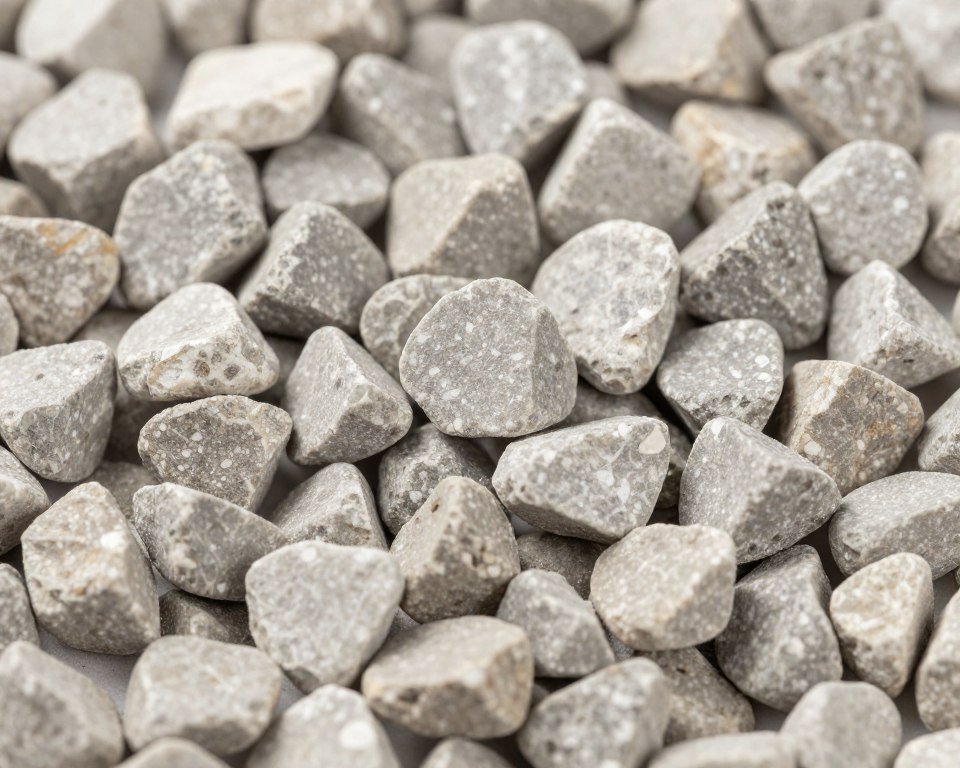
Stone size matters significantly. The 6-13mm range suits standard brick dimensions perfectly. Smaller stones increase surface area requiring more cement paste. Larger pieces create voids and weak spots. Crusher run from hard rock quarries provides ideal angular shapes.
Granite, quartzite and dolerite all work well. Limestone can react with cement alkalinity over time. Recycled concrete makes acceptable aggregate if properly crushed and screened. Whatever source you choose, maintain consistency – switching suppliers mid-production affects quality.
Water Quality Requirements
Use water you would drink. Municipal supply works perfectly. Borehole water needs testing for dissolved salts and pH levels. Salty or acidic water interferes with cement hydration and long-term strength development.
Temperature affects mixing. Cold water slows setting in winter. Warm water speeds it in summer. Many producers maintain water temperature between 15-25°C year-round for consistent results. Simple temperature control prevents seasonal variation in brick quality.
Mixing and Production Methods
Hand mixing works for small batches under 50 bricks per day. Beyond that scale, mechanical mixing becomes essential. A good brick making machine pays for itself within months through labor savings and quality improvements.
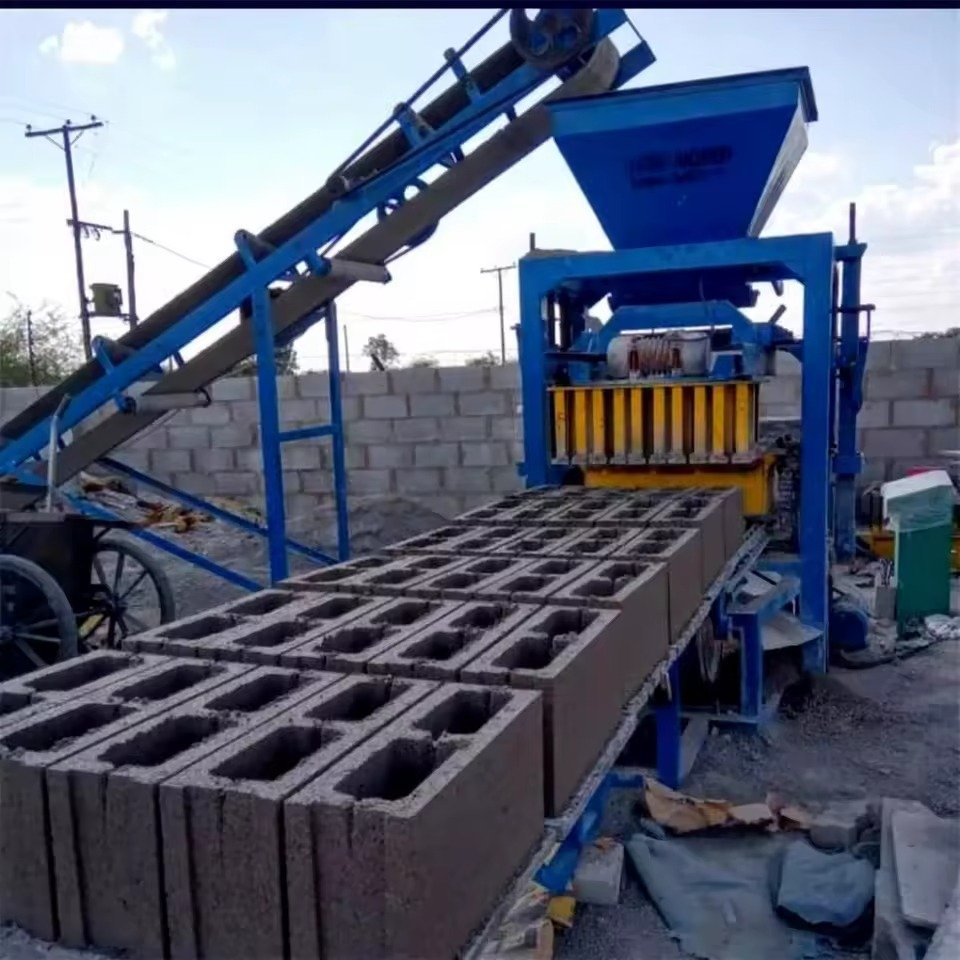
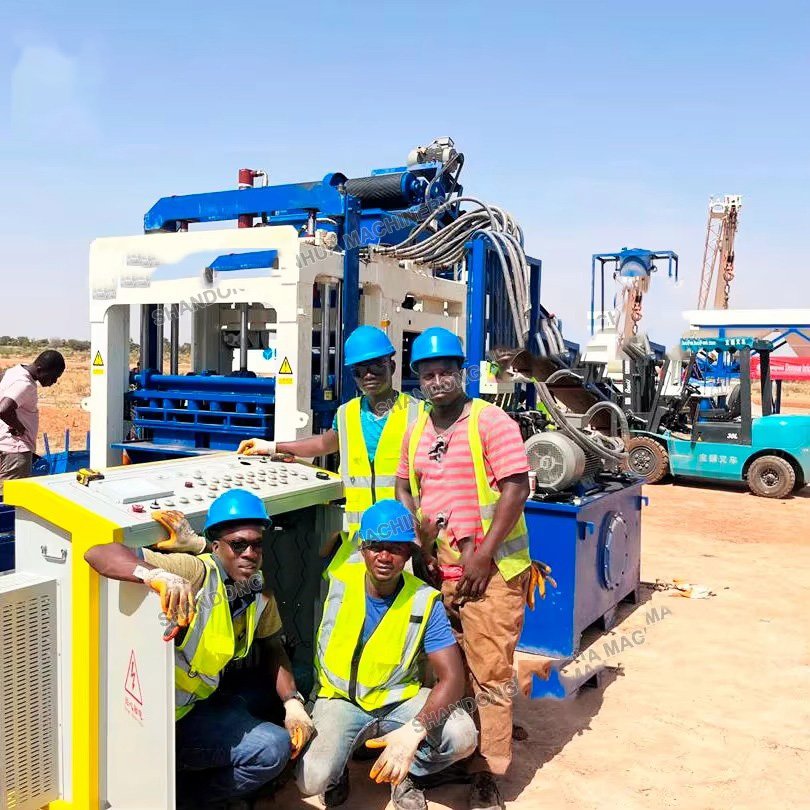
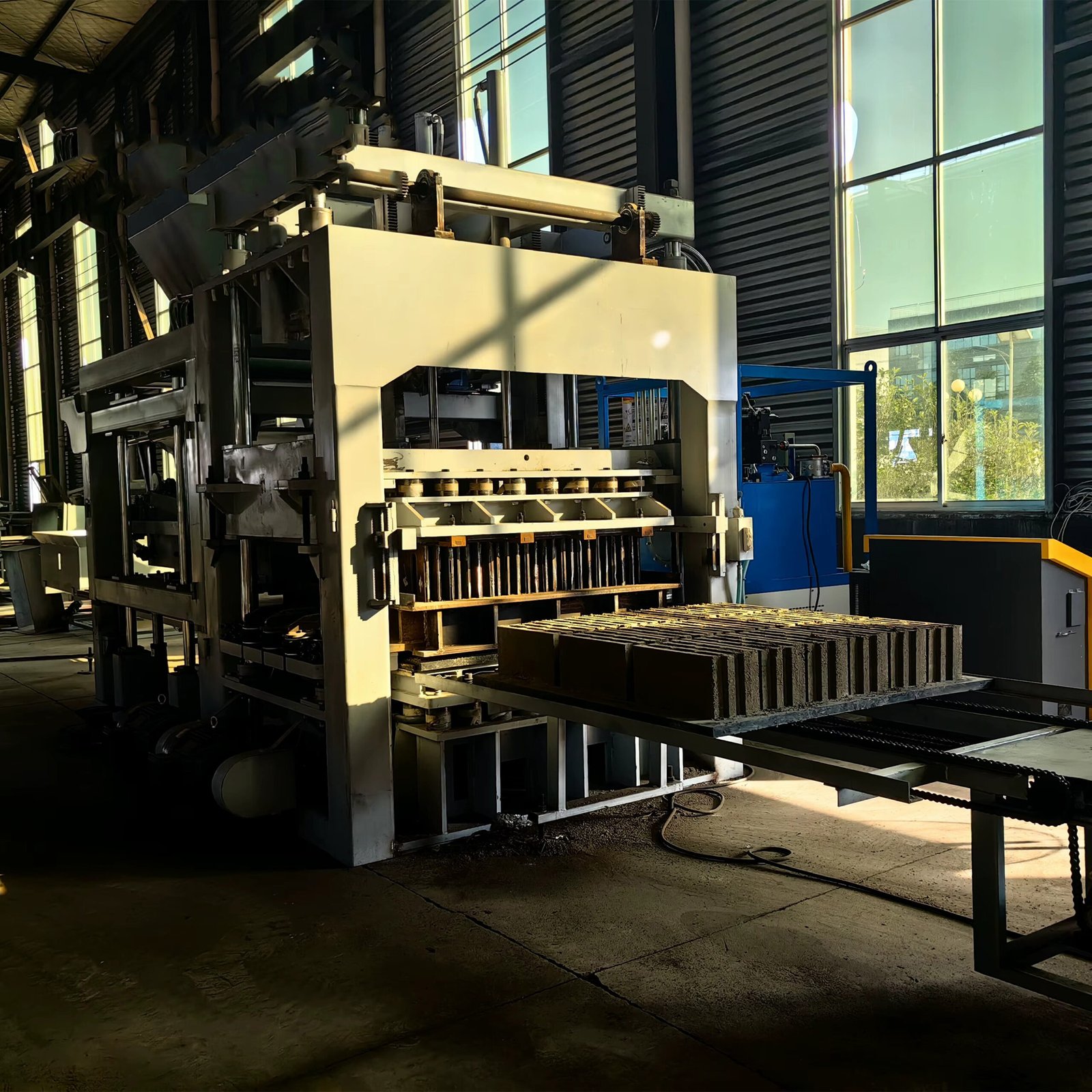
The brick making machine from MAIKONG handles the entire process. It measures materials, mixes them thoroughly and compacts the mixture into uniform bricks. Daily capacity reaches 2000-3000 pieces with just 2-3 workers operating the equipment.
The Mixing Process
Dry mixing comes first. Combine cement, sand and stone for at least two minutes. This distributes cement particles evenly throughout the mix. Skipping this step creates weak spots where cement concentrations vary.
Add water gradually while mixing continues. The goal achieves uniform moisture without making soup. Properly mixed material holds its shape when squeezed but releases enough water to make your hand damp. This consistency compacts well and produces strong bricks.
Modern automatic brick making machines control water addition precisely. Built-in sensors maintain optimal moisture levels regardless of raw material variations. This automation eliminates guesswork and ensures consistent quality across every production shift.
Manual Mixing Process
- Combine dry ingredients on clean surface
- Turn pile three times with shovels
- Create crater in center for water
- Add water in stages while mixing
- Mix until color appears uniform
- Test consistency before molding
Total time: 8-10 minutes per batch
Machine Mixing Process
- Load measured ingredients into hopper
- Machine dry-mixes for 90 seconds
- Automated water injection begins
- Wet mixing continues 60 seconds
- Sensors verify consistency
- Material feeds directly to molds
Total time: 2.5-3 minutes per batch
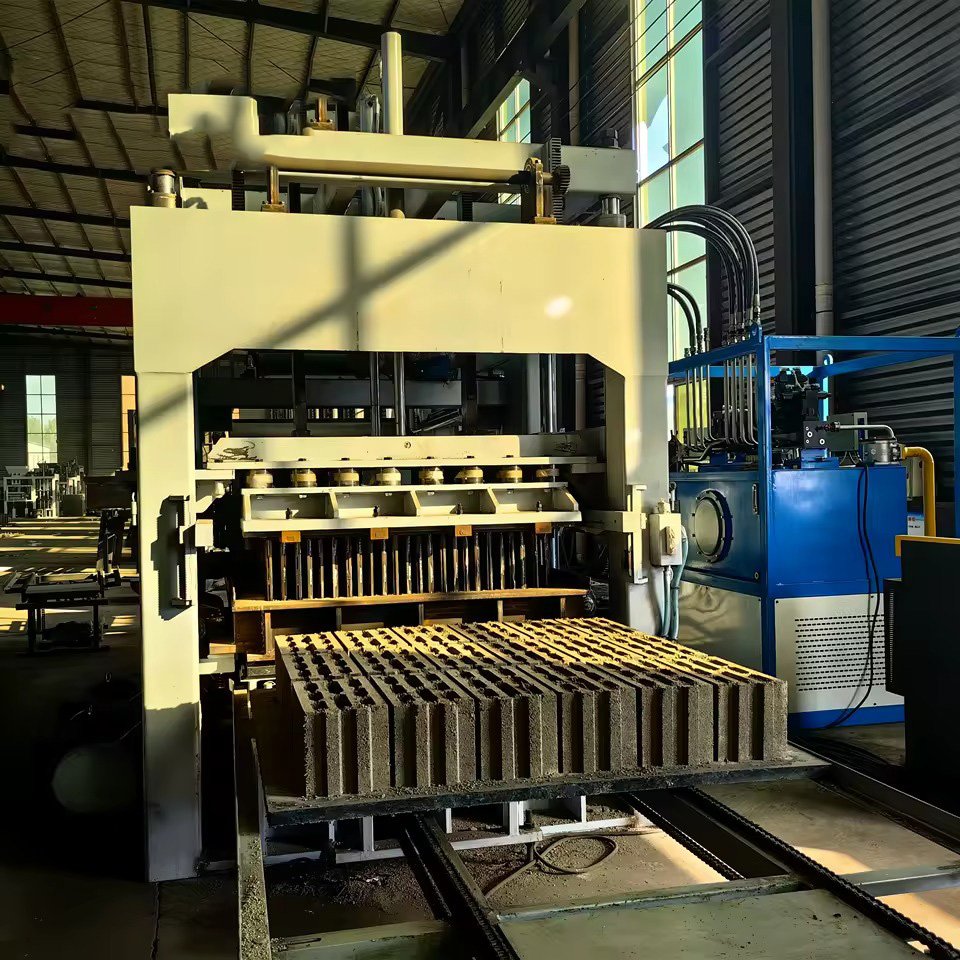
Molding and Compaction
Proper compaction makes the difference between strong and weak bricks. Hand-tamped bricks contain air pockets that reduce strength by 30-40%. Vibration removes these voids while aligning particles for maximum density.
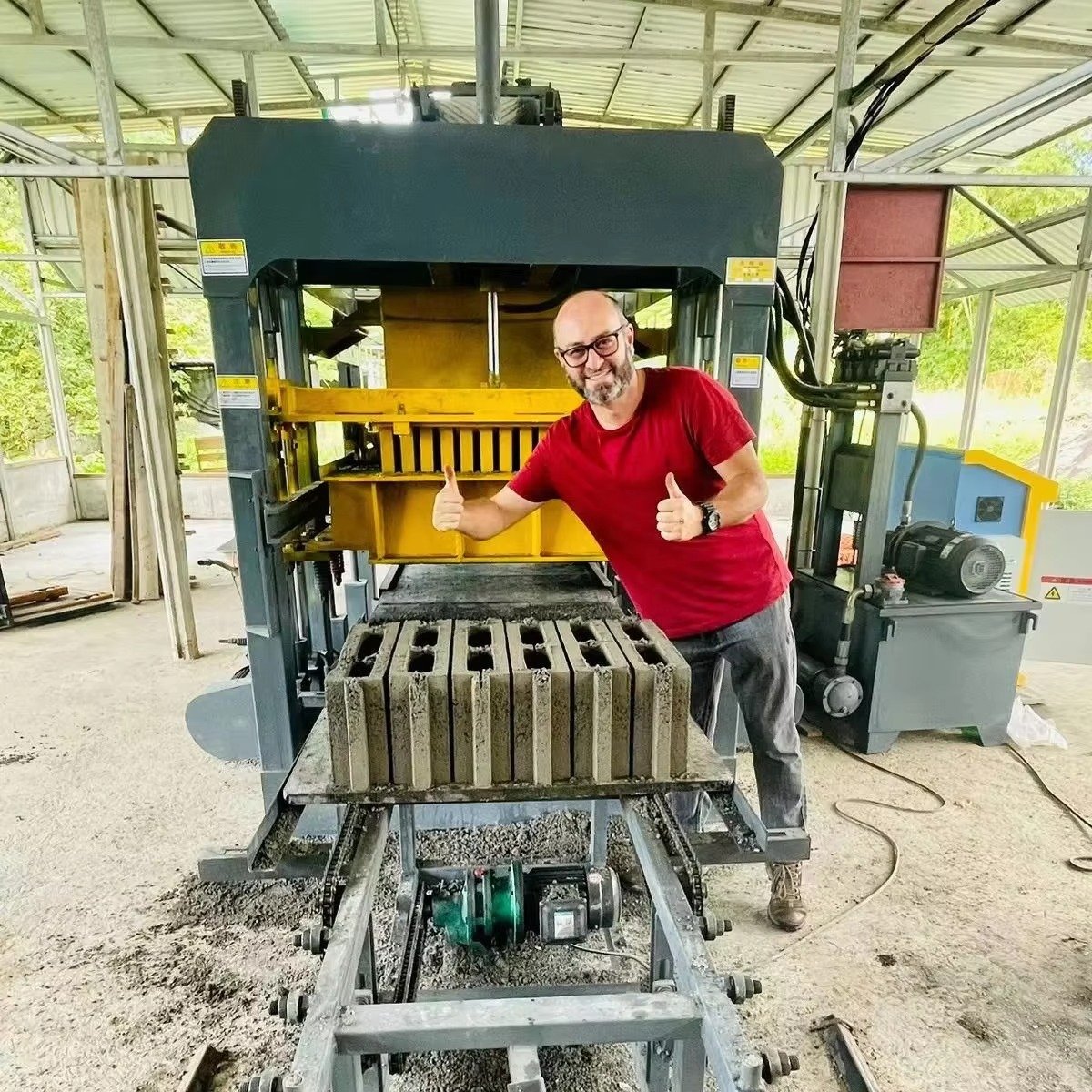
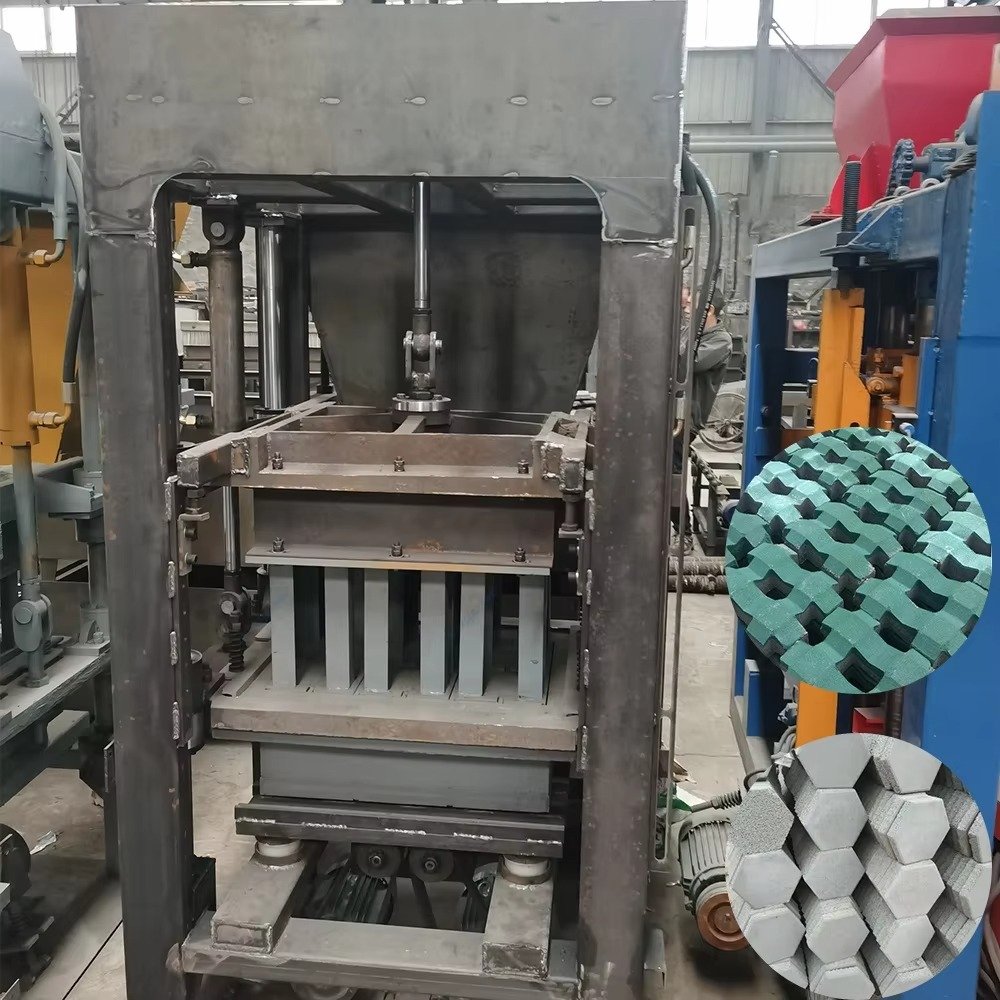
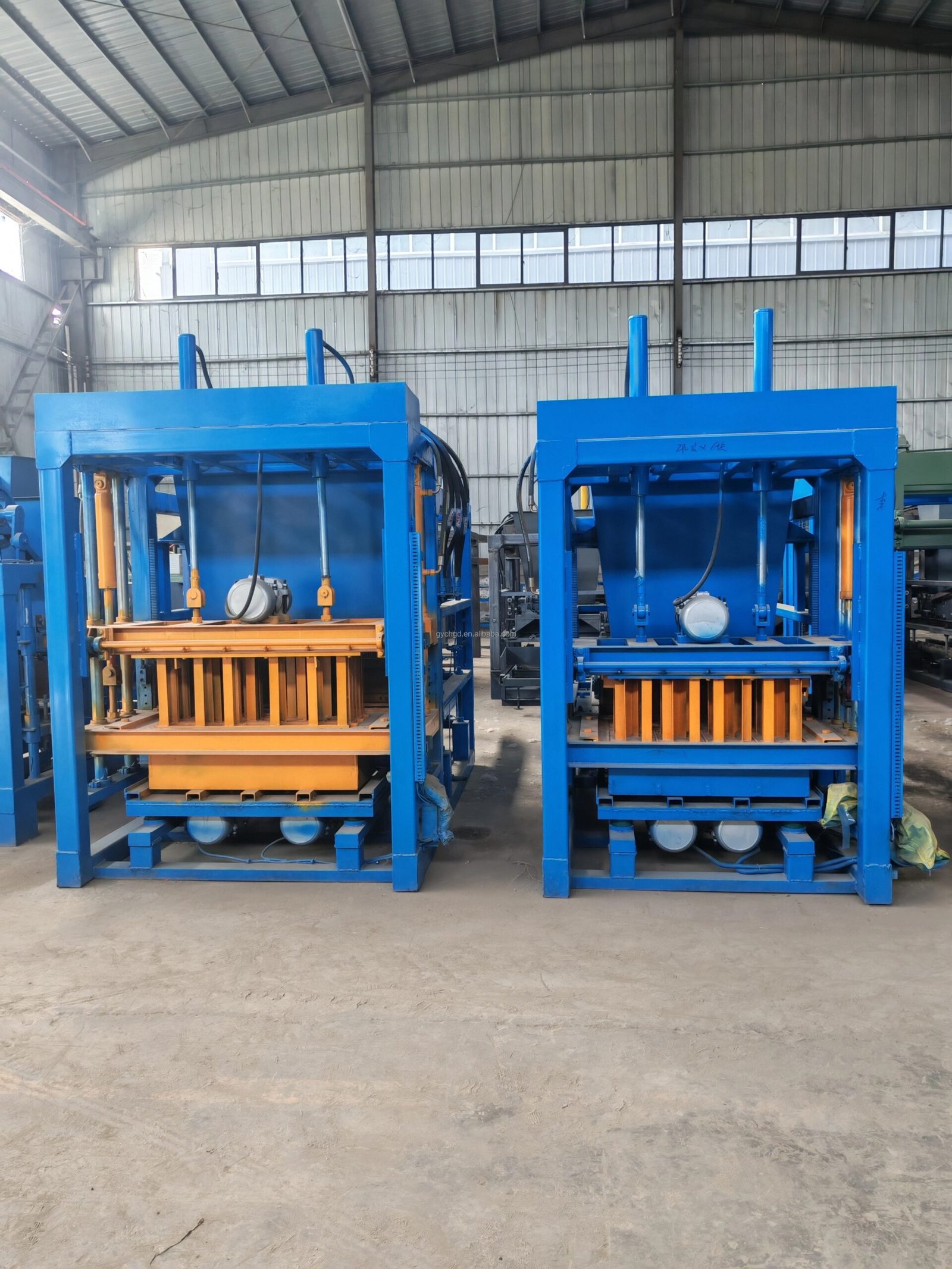
The MAIKONG QT4-26 model features a specially designed vibration box. High-power motors generate strong excitation force that compacts material in 25-30 seconds. This rapid forming cycle maximizes output while ensuring every brick achieves target density.
Pressure and vibration work together. The four-column guiding system applies even pressure across the entire brick surface. Simultaneous vibration liquefies the mix momentarily, allowing particles to settle into optimal positions. When vibration stops, bonds form immediately.
MAIKONG QT4-26 Block Making Machine Specifications
| Specification | Value | Benefit |
| Daily Capacity | 2000-3000 pieces | High volume production |
| Power Voltage | 380V/220V AC | Standard SA electrical supply |
| Total Rated Power | 12.35 KW | Efficient energy use |
| Labor Required | 2-3 people | Low operating costs |
| Forming Period | 25-30 seconds | Fast production cycles |
| Workshop Area | 40 m² | Compact footprint |
| Water Consumption | 3-5 tons/day | Reasonable resource use |
Curing for Maximum Strength
Curing determines final strength more than any other factor. Cement needs moisture and time to develop full strength. Rush the process and you create bricks that never reach their potential. Follow proper curing protocols and your 7 MPa mix easily exceeds targets.
The first 24 hours prove critical. Keep newly molded bricks wet and protected from direct sunlight. Water evaporation during this period steals moisture needed for cement hydration. Simple plastic sheeting or wet hessian cloth prevents this problem.
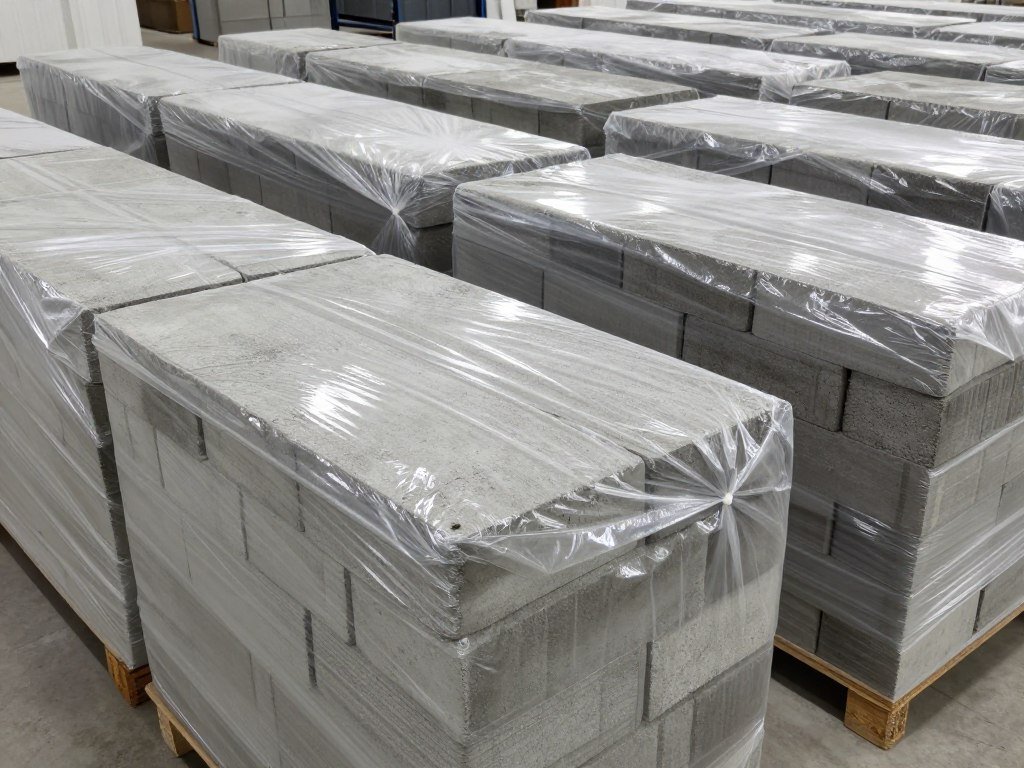
The Seven-Day Curing Cycle
Day one through three requires constant moisture. Spray bricks with water three times daily – morning, midday and evening. This maintains the damp conditions cement needs for chemical reactions. Under-watering during this phase cuts final strength by 20-30%.
Days four through seven need twice-daily watering. Strength development continues but at a slower pace. The bricks can handle gentle movement after day three but shouldn’t bear loads until day seven. Full strength develops over 28 days, though seven days provides sufficient hardness for handling and transport.
- Hours 0-24: Keep covered, spray every 4-6 hours, protect from sun and wind
- Days 2-3: Remove covers for spraying, re-cover immediately, maintain dampness
- Days 4-7: Water morning and evening, can stack carefully after day 5
- Days 8-14: Water once daily, strength reaches 70% of final value
- Days 15-28: Natural moisture sufficient in humid climates, full strength achieved
Environmental Factors
Hot, dry conditions accelerate water loss. Increase watering frequency or use curing compounds that seal moisture inside. Coastal humidity helps curing naturally but introduces salt concerns. Adjust your approach based on local climate patterns.
Winter curing needs protection from freezing. Water inside uncured bricks expands when frozen, creating internal cracks. Heated curing chambers solve this problem in cold regions. Alternatively, schedule production for warmer months or use accelerating admixtures approved for brick making.
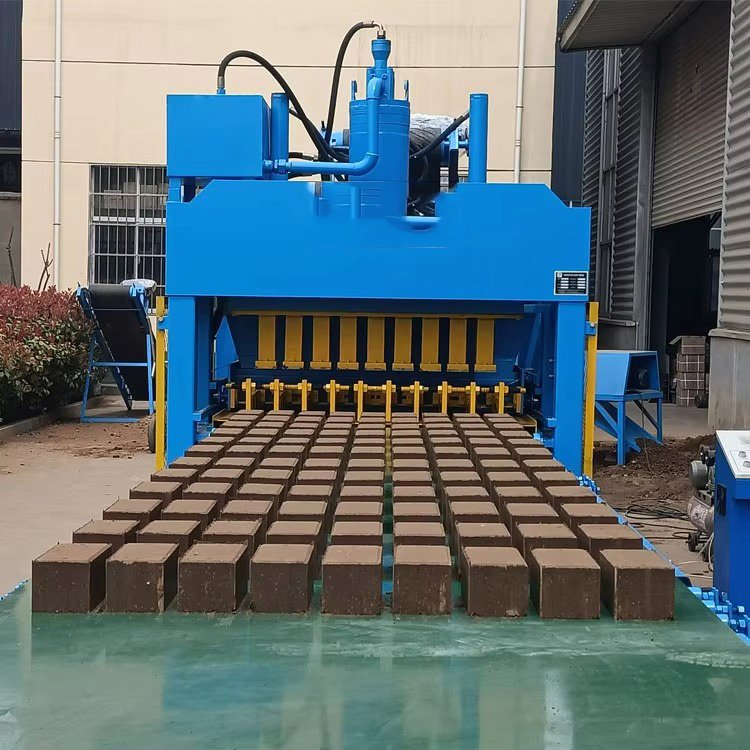
Common Curing Mistakes
Rushing bricks to market kills profits long-term. Customers remember weak bricks that crack or crumble. They don’t remember that you delivered two days early. Proper curing builds reputation and repeat business worth far more than quick turnover.
Inconsistent watering creates variable strength within the same batch. The bricks closest to water sources cure properly. Those in the middle dry out. Automated sprinkler systems eliminate this problem while reducing labor costs. Many modern automatic brick production lines include integrated curing management.
Quality Testing Procedures
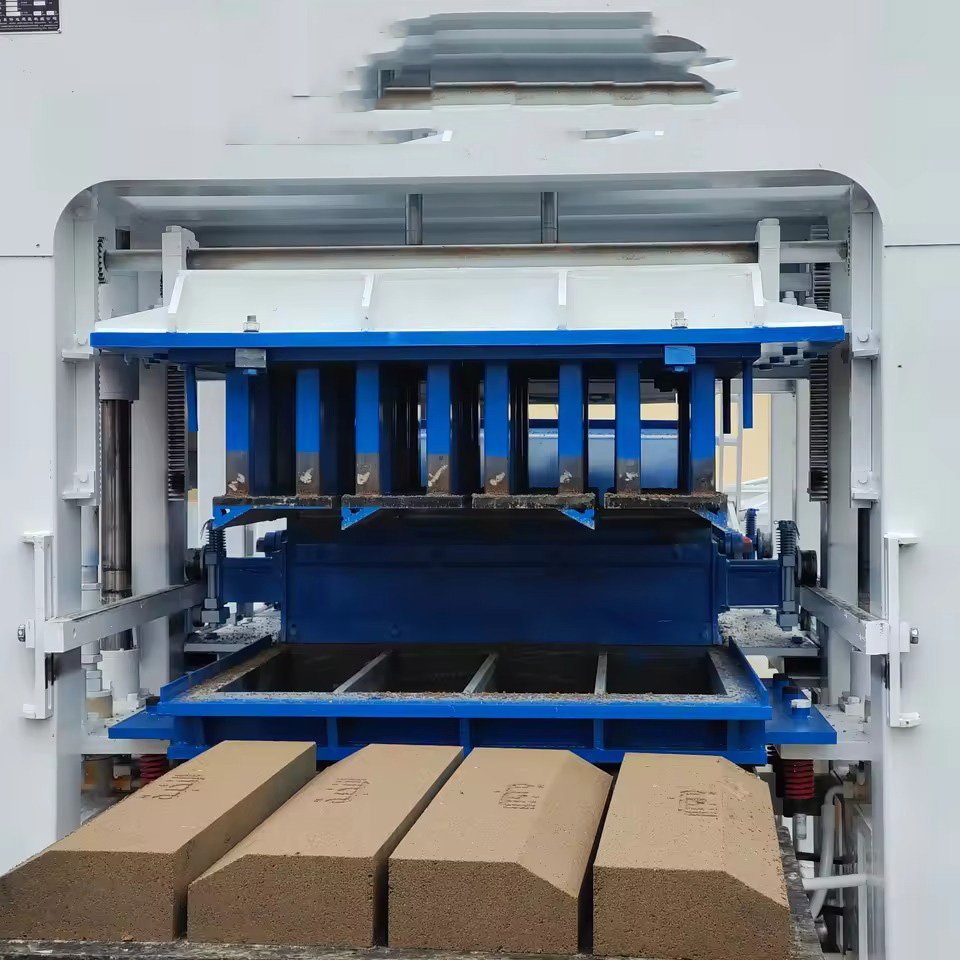
Professional testing validates your mix design. Sample bricks from each production batch go to SABS-approved laboratories. Compressive strength testing crushes bricks under hydraulic pressure until they fail. The result tells you exactly what your product can handle.
Visual inspection catches problems before laboratory results arrive. Look for uniform color across all bricks. Dark patches indicate excess water or poor mixing. White efflorescence suggests salt contamination. Cracks signal insufficient curing or thermal shock during drying.
Field Testing Methods
The drop test provides quick feedback. Drop a cured brick from waist height onto concrete. Good bricks bounce and survive intact. Weak ones crack or shatter. This simple test identifies major problems immediately without expensive laboratory fees.
Water absorption testing happens on-site too. Weigh a dry brick, submerge it for 24 hours, then weigh again. Calculate the percentage increase. Results above 12% indicate excessive porosity from low cement content or poor compaction. This method costs nothing but reveals critical quality data.
Advantages of Regular Testing
- Catches mix problems before large batches fail
- Documents quality for customer confidence
- Identifies material supply issues early
- Supports premium pricing for certified strength
- Prevents costly returns and reputation damage
- Helps optimize cement content for cost savings
Testing Challenges
- Laboratory fees add to production costs
- Results take 7-28 days to receive
- Requires destroying sample bricks
- Small producers may lack testing budget
- Need technical knowledge to interpret results
Setting Up Quality Control Systems
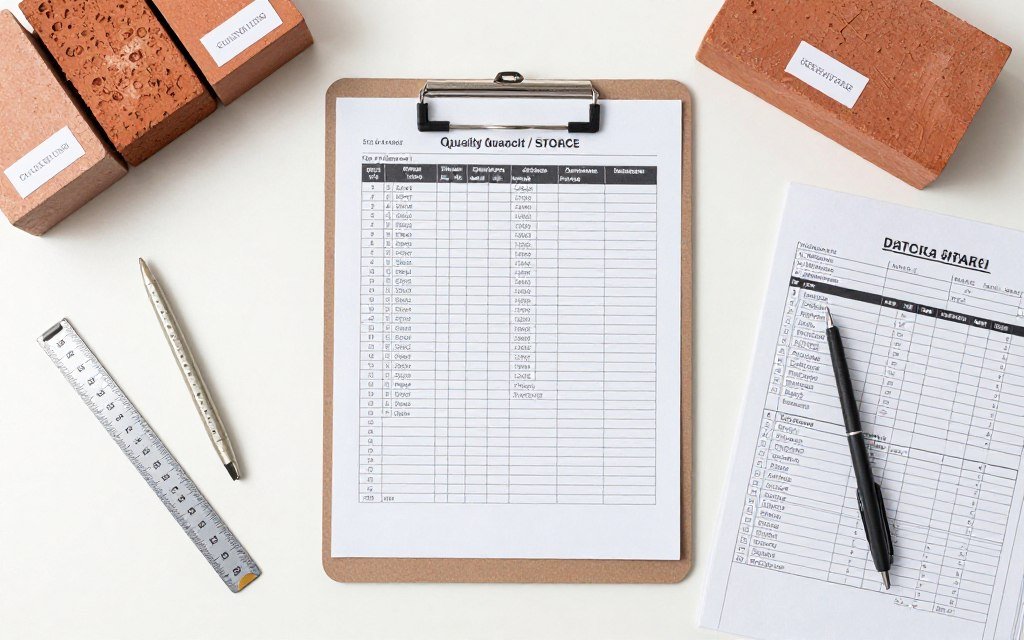
Track every batch with simple records. Note the date, weather conditions, raw material sources and quantities used. Record any production issues or deviations. When problems appear weeks later, these notes help identify causes.
Monthly laboratory testing establishes baseline performance. Test more frequently when changing suppliers or adjusting mix designs. Annual testing suffices once you achieve consistent results. The investment in testing costs far less than the losses from quality failures.
Cost Optimization Strategies
Cement represents 60-70% of raw material costs. Small reductions in cement content multiply into significant savings. But cutting too much sacrifices strength and marketability. The sweet spot balances cost against performance.
Testing helps find this balance. Start with the standard 1:2:3 ratio producing 7 MPa. Then trial a 1:2.2:3.3 mix. Test both formulas thoroughly. If the leaner mix still exceeds 7 MPa by a comfortable margin, you’ve found free profit hiding in every brick.
| Mix Ratio | Target Strength | Cement per 1000 Bricks | Cost per 1000 (ZAR) | Best Use |
| 1:3:4 | 3.5 MPa | 100 kg | 1,850 | Non-load walls, partitions |
| 1:2:3 | 7 MPa | 125 kg | 2,180 | Standard stock brick |
| 1:1.5:2.5 | 10 MPa | 165 kg | 2,840 | Premium, high-load walls |
Note: Costs based on typical South African prices as of 2024. Cement at R75/50kg bag, sand at R180/ton, stone at R150/ton.
Maximizing Equipment Efficiency
Modern brick making machines reduce labor costs dramatically. The QT4-26 model needs just 2-3 operators producing 2000-3000 bricks daily. Manual production requires 6-8 workers for the same output. Labor savings alone justify equipment investment within 18-24 months.
Automated systems also reduce material waste. Precise batching prevents overuse of expensive cement. Consistent mixing ensures every brick meets specifications without safety margins that waste money. The combination of labor and material savings creates rapid payback periods.
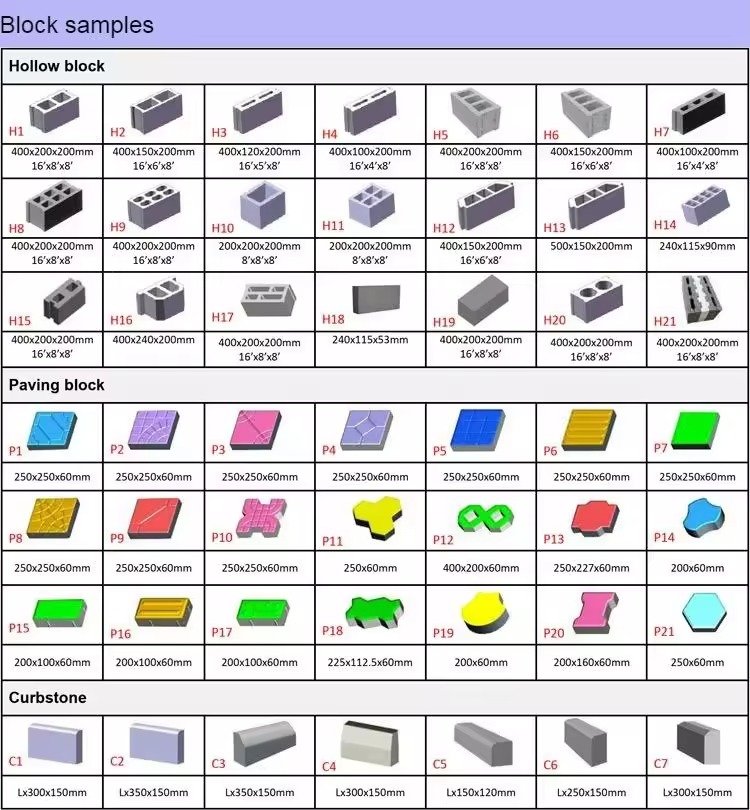
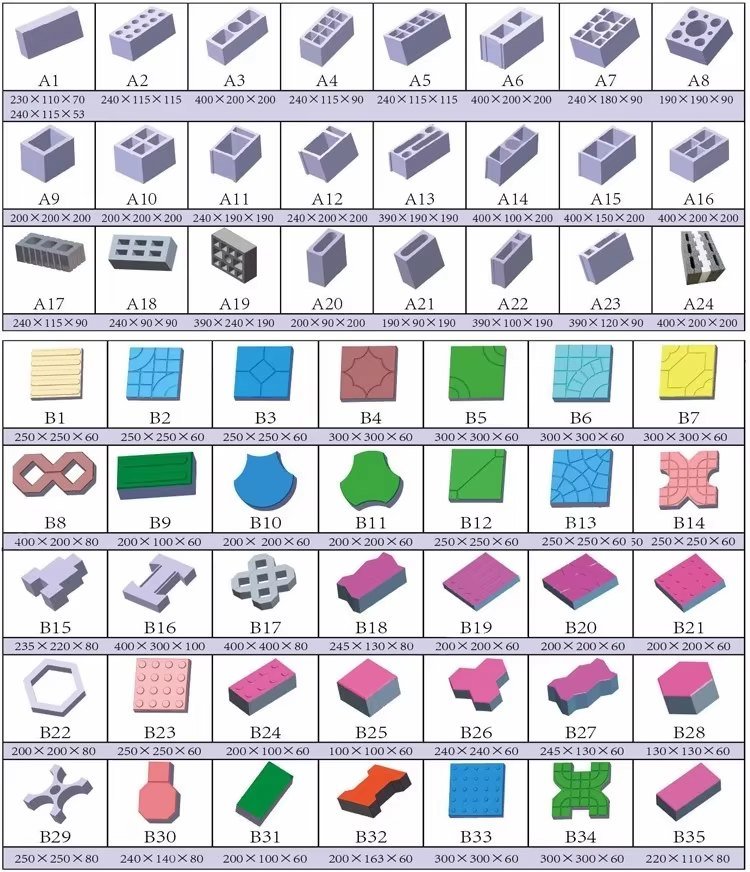
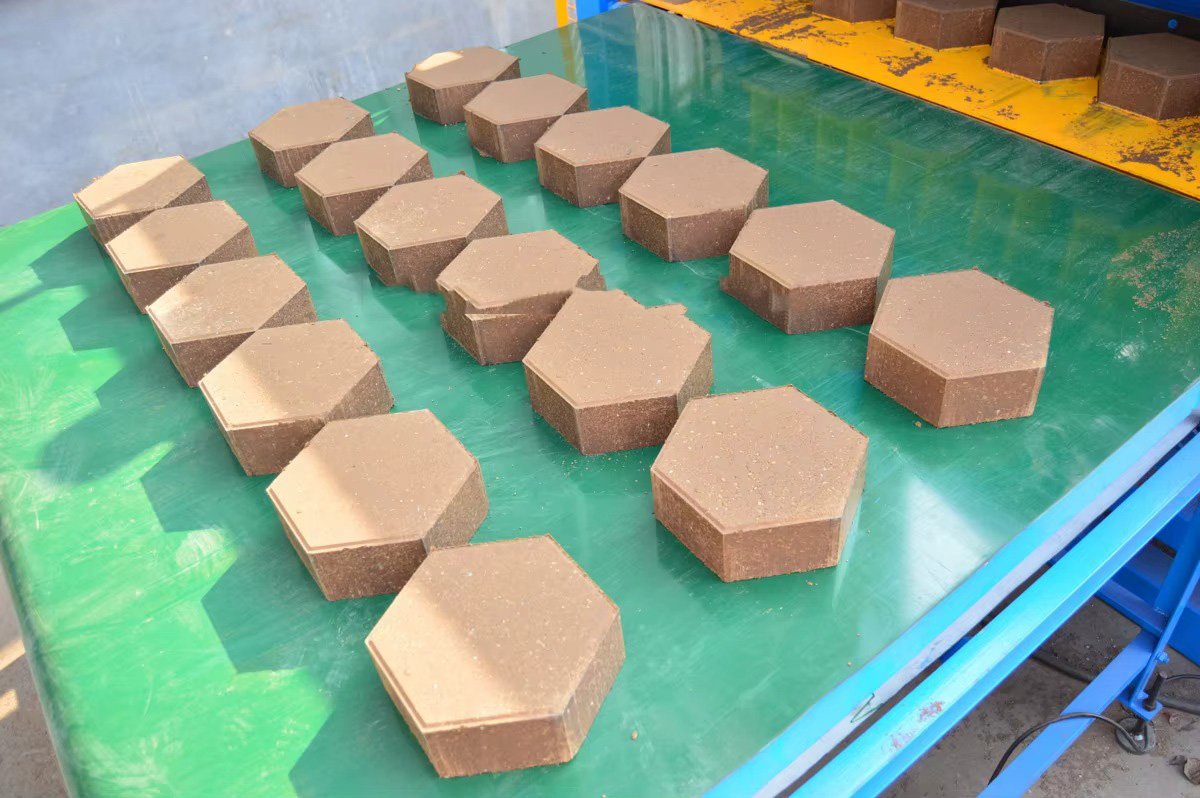
MAIKONG machines offer flexible production capabilities. Change molds to produce hollow bricks, solid blocks or paving stones. This versatility lets you respond to market demand without buying separate equipment. One machine serves multiple product lines, maximizing utilization and return on investment.
Real ROI: Gauteng Brick Factory Case Study
A Johannesburg manufacturer switched from manual to MAIKONG automated production in 2022. Their results demonstrate the financial impact:
- Investment: R285,000 for QT4-26 machine and installation
- Daily output increase: 800 to 2,400 bricks
- Labor reduction: 7 workers down to 3
- Monthly savings: R42,000 in wages, R8,500 in material waste
- Quality improvement: Rejection rate dropped from 8% to 1.5%
- Payback period: 6.8 months actual vs. 18 months projected
- Current status: Expanded to second machine, training local dealers
Owner Johannes M. reports: “The consistency alone changed our business. Customers know every brick matches. We command premium prices now because contractors trust our quality. The machine paid for itself faster than we imagined.”
Supplier Relationship Management
Bulk purchasing reduces per-unit costs significantly. A pallet of cement costs 15-20% less than buying individual bags. Negotiate annual contracts with cement suppliers for even better prices. The savings fund equipment upgrades or working capital for expansion.
Develop backup suppliers for critical materials. Supply chain disruptions happen. When your primary sand source runs dry, having established relationships with alternatives prevents production stoppages. The small extra effort in supplier management pays dividends during crises.
Troubleshooting Common Problems
Even experienced producers encounter issues. Recognizing problems early and knowing solutions separates successful operations from struggling ones. Most problems trace back to materials, mixing or curing – not the basic mix design itself.
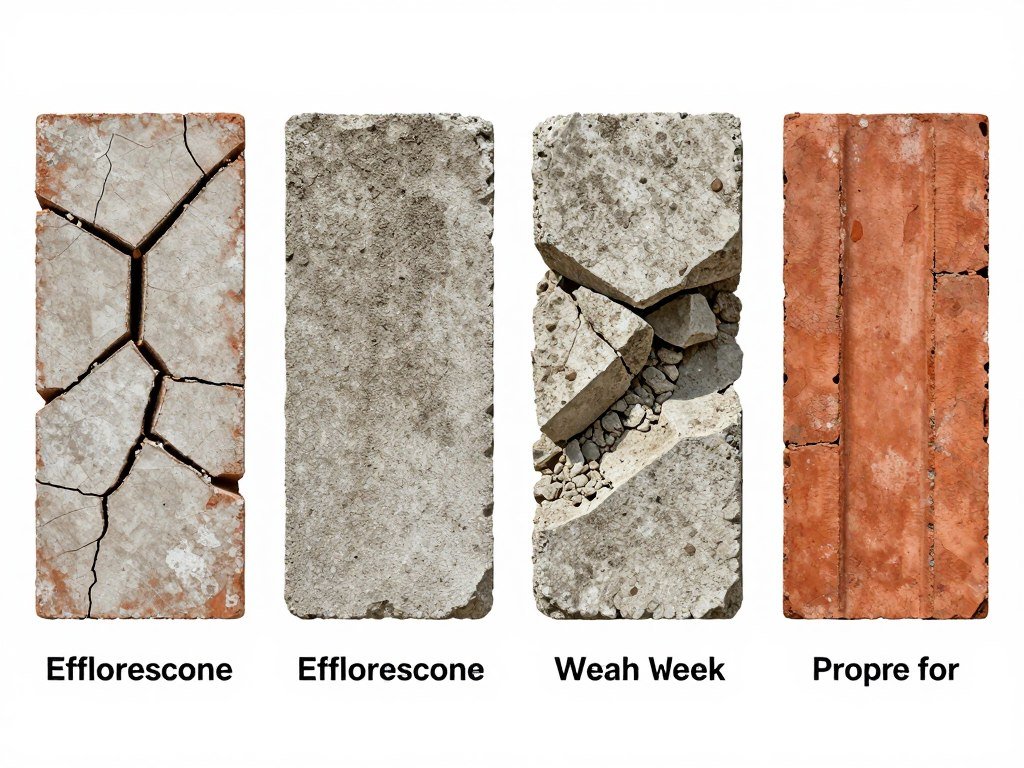
Cracking and Breakage
Cracks during curing indicate rapid moisture loss. Increase watering frequency or use curing compounds. Cracks appearing weeks later suggest thermal stress from temperature cycling. Both problems resolve with better environmental control during curing.
Breakage during handling means insufficient strength development. Test your cure cycle – you might be rushing bricks to market before they’re ready. Alternatively, the mix design may need more cement or better compaction during molding.
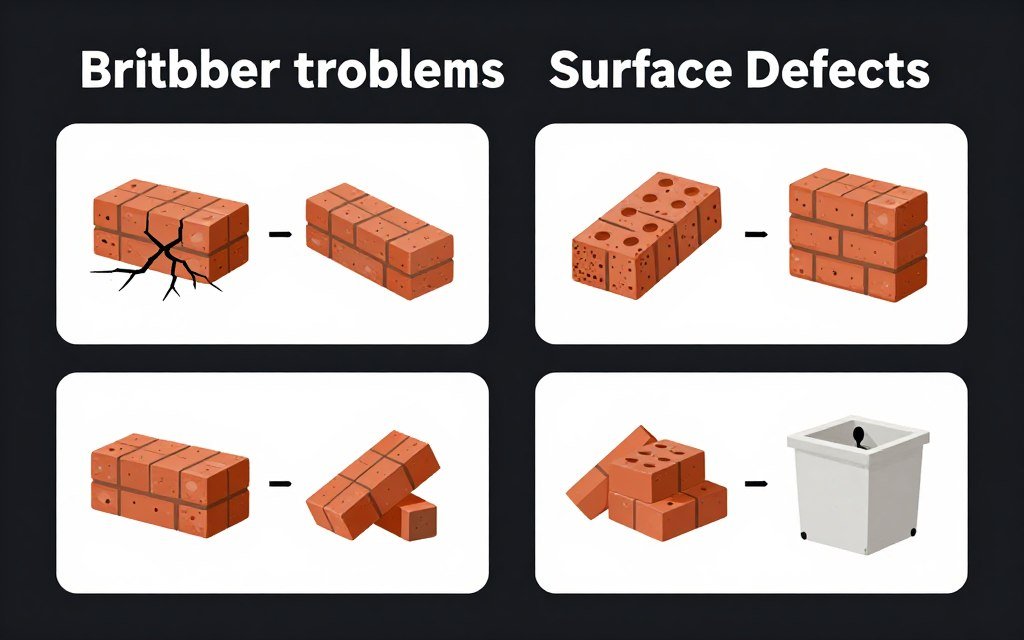
Surface Defects
White powder on brick surfaces comes from efflorescence – salts migrating to the surface. Sources include contaminated water, dirty aggregates or excessive cement. Test your water quality first, then examine aggregate sources. Proper curing reduces efflorescence risk significantly.
Rough or pitted surfaces result from poor mold release or inadequate compaction. Oil molds lightly before each use. Verify your vibration system works properly. The MAIKONG equipment includes automatic mold release mechanisms that eliminate this problem entirely.
Why do my bricks vary in color between batches?
Color variations typically indicate inconsistent cement content or different water ratios. Cement provides the gray color – more cement creates darker bricks. Switching cement brands also changes color. Maintain strict batching procedures and use single cement sources for consistent appearance.
Can I add pigments for colored bricks?
Yes, but use oxide pigments specifically designed for concrete. Add 3-5% by cement weight during dry mixing. Consistent color requires precise pigment measurement and thorough mixing. Automated systems handle pigment addition more reliably than manual methods.
How do I know if my bricks meet SABS 227 requirements?
Submit samples to an accredited testing laboratory. They perform compressive strength tests and water absorption analysis. Results arrive within 7-28 days depending on test type. Regular testing every 3-6 months maintains compliance and customer confidence.
What causes bricks to crumble after a few months?
Delayed crumbling suggests inadequate cement content, poor curing or contaminated aggregates. Sulfate attack from soil contact can also cause deterioration. Review your mix design, improve curing protocols and test raw materials for contaminants.
Scaling Production for Growth
Starting small makes sense. Prove your market, refine your mix design and build customer relationships. But growth requires planning from day one. The choices you make in equipment and layout determine how easily you can expand later.
Manual production hits natural limits around 500 bricks per day. Physical labor constraints prevent further growth regardless of demand. The transition to mechanical production represents your first major scaling decision. Choose equipment that can grow with your business.
Equipment Investment Strategy
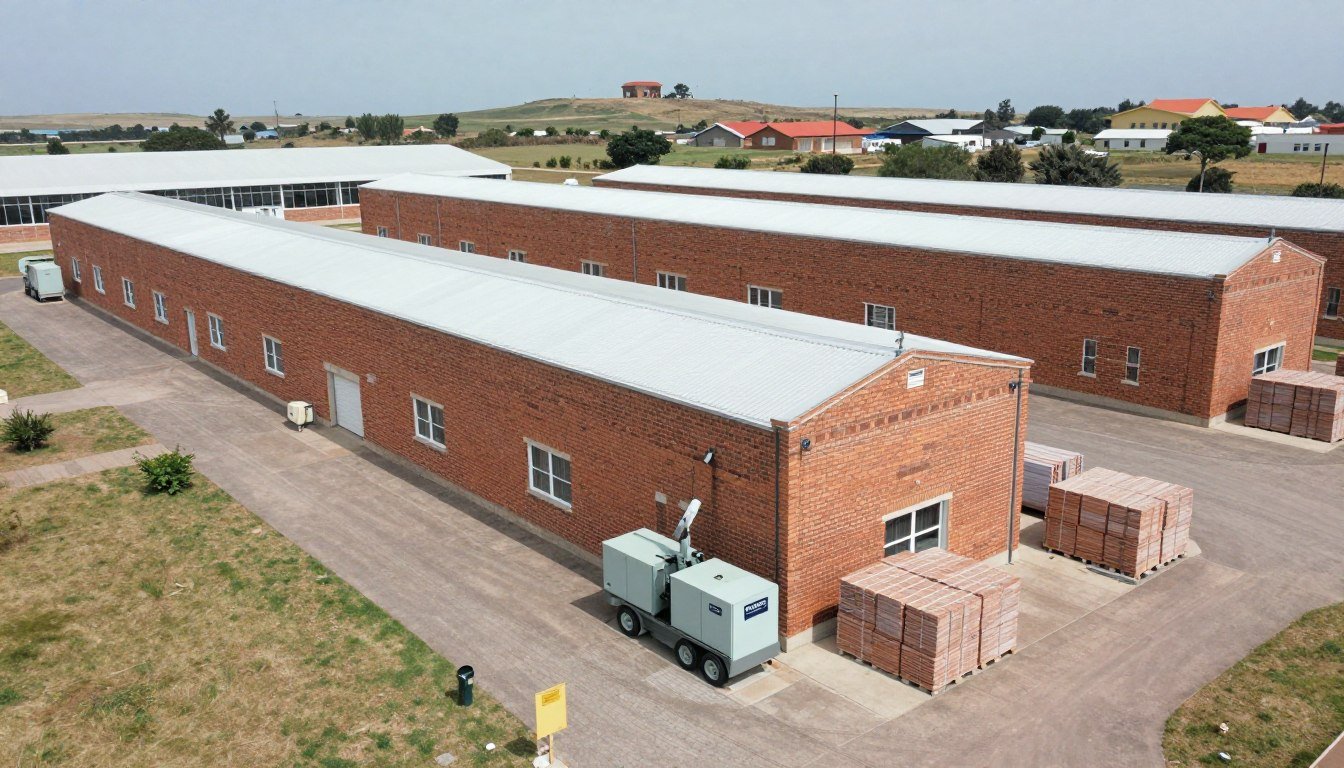
The small brick making machine suits startups producing 1000-1500 bricks daily. As orders grow, add a second machine rather than upgrading to larger equipment. This approach maintains production during maintenance and provides backup capacity during peak demand periods.
Eventually, the full automatic production line becomes viable. These systems integrate batching, mixing, molding and curing in one continuous process. Daily output reaches 10,000+ bricks with minimal labor. The investment suits established producers serving major projects or multiple markets.
Market Development Considerations
Diversification reduces risk. Produce multiple brick types serving different customer segments. Standard stock bricks for general construction. Premium high-strength blocks for commercial projects. Economy bricks for budget builders. Each product line requires minimal mix design adjustments but opens new revenue streams.
Contractors value reliability above rock-bottom prices. Deliver consistent quality on schedule and they’ll pay premium rates. Build relationships with major construction firms and government housing projects. These customers order in bulk and maintain steady demand year-round.
Product Diversification Options
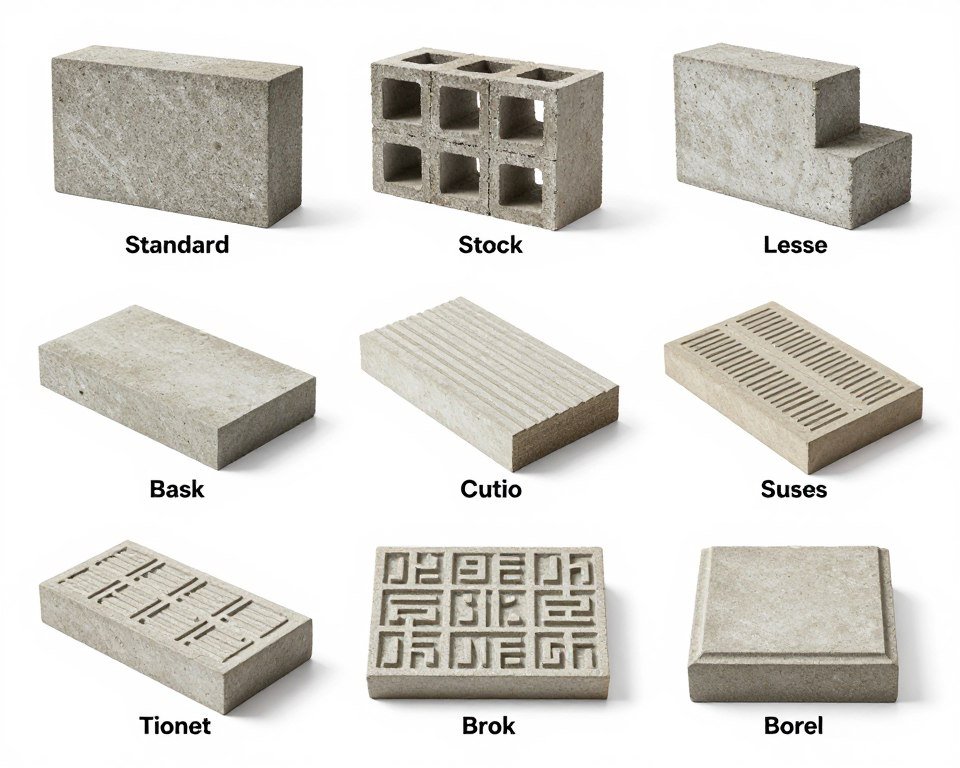
- Standard Stock Bricks: 7 MPa, 220x106x73mm, general construction
- Maxi Bricks: Larger format, faster wall construction
- Hollow Blocks: Lightweight, insulation properties
- Paving Bricks: High density, abrasion resistance
- Face Bricks: Decorative finishes, architectural applications
- Retaining Wall Blocks: Interlocking designs, landscaping
MAIKONG machines accommodate all these products through simple mold changes. One equipment investment serves multiple markets.
Geographic Expansion
Transport costs limit your practical market radius to 100-150km. Beyond this distance, local producers undercut your delivered prices. Instead of fighting geography, consider the MAIKONG distributor program.
Become a regional equipment dealer while running your own production. You already understand the business. Your success story sells machines to other entrepreneurs. MAIKONG provides technical training, marketing support and profitable dealer margins. Many successful producers now earn more from equipment sales than brick manufacturing.
Ready to Scale Your Brick Production Business?
MAIKONG supports South African manufacturers at every growth stage. Whether you’re starting your first production or expanding to multiple lines, we provide equipment, training and ongoing technical support. Our dealer program offers additional revenue streams for established producers.
African Success Stories
Theory matters less than proven results. These case studies demonstrate how proper mix design and quality equipment transform brick production businesses across Africa.
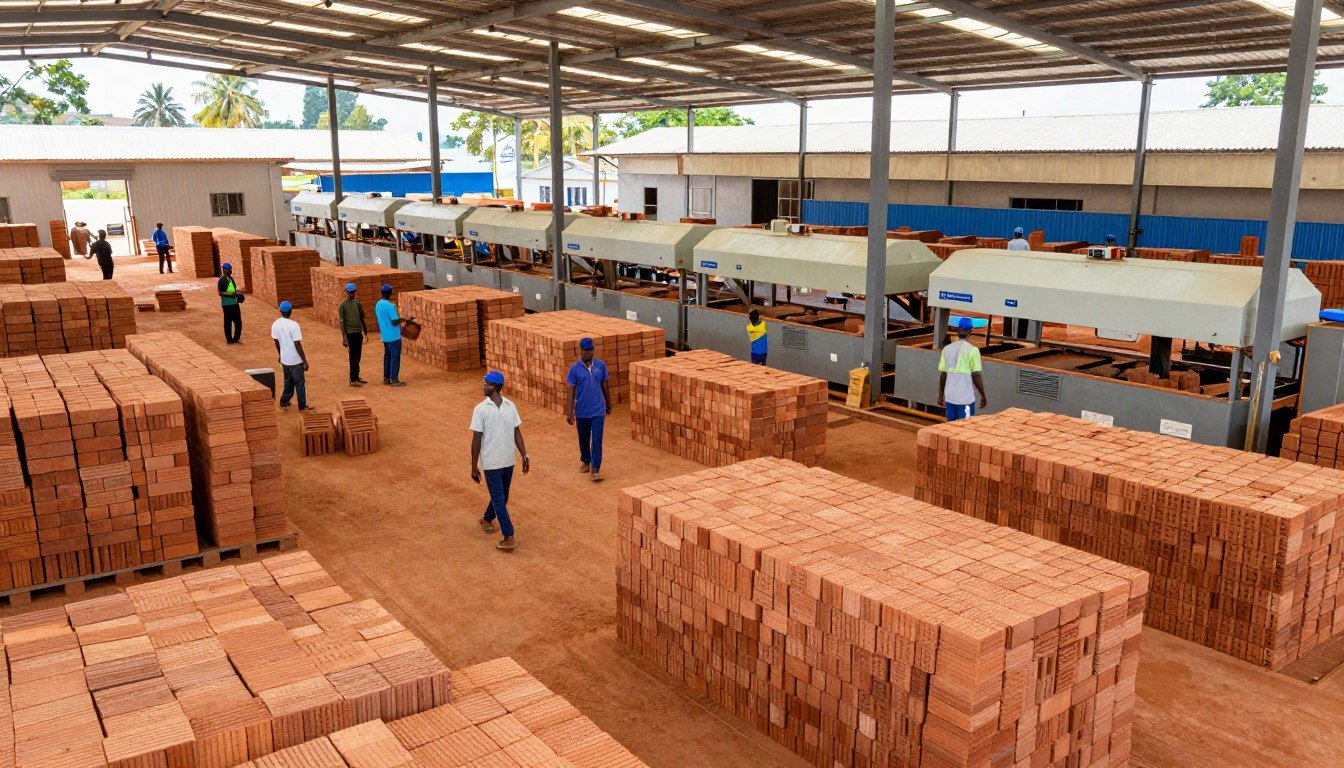
Western Cape Housing Project
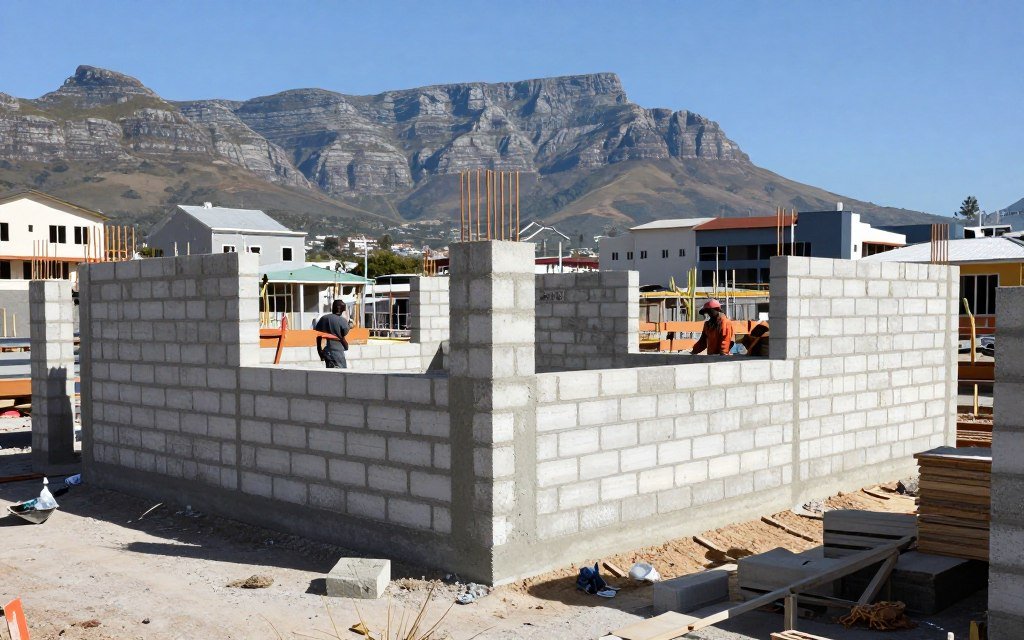
A Cape Town contractor needed 500,000 bricks for a government housing development. Local suppliers couldn’t meet the deadline or quality requirements. The contractor invested in MAIKONG equipment and began producing his own bricks.
The mix design used local materials: PPC cement, Malmesbury river sand and Cape Granite aggregate. Testing confirmed consistent 8.5 MPa strength – well above the 7 MPa requirement. Production averaged 2,800 bricks daily with three operators.
Project Results
- Completed 500,000 bricks in 7 months
- Saved R380,000 vs. buying bricks
- Zero quality rejections from inspectors
- Continued production for other projects
- Now supplies neighboring contractors
Equipment Investment
- QT4-26 brick making machine
- Concrete mixer (500L capacity)
- Material hoppers and conveyors
- Curing yard infrastructure
- Total investment: R320,000
Mix Design Used
- PPC cement 42.5N: 1 part
- Malmesbury river sand: 2 parts
- Cape Granite 6-10mm: 3 parts
- Water ratio: 0.45
- Result: 8.5 MPa average
KwaZulu-Natal Rural Enterprise
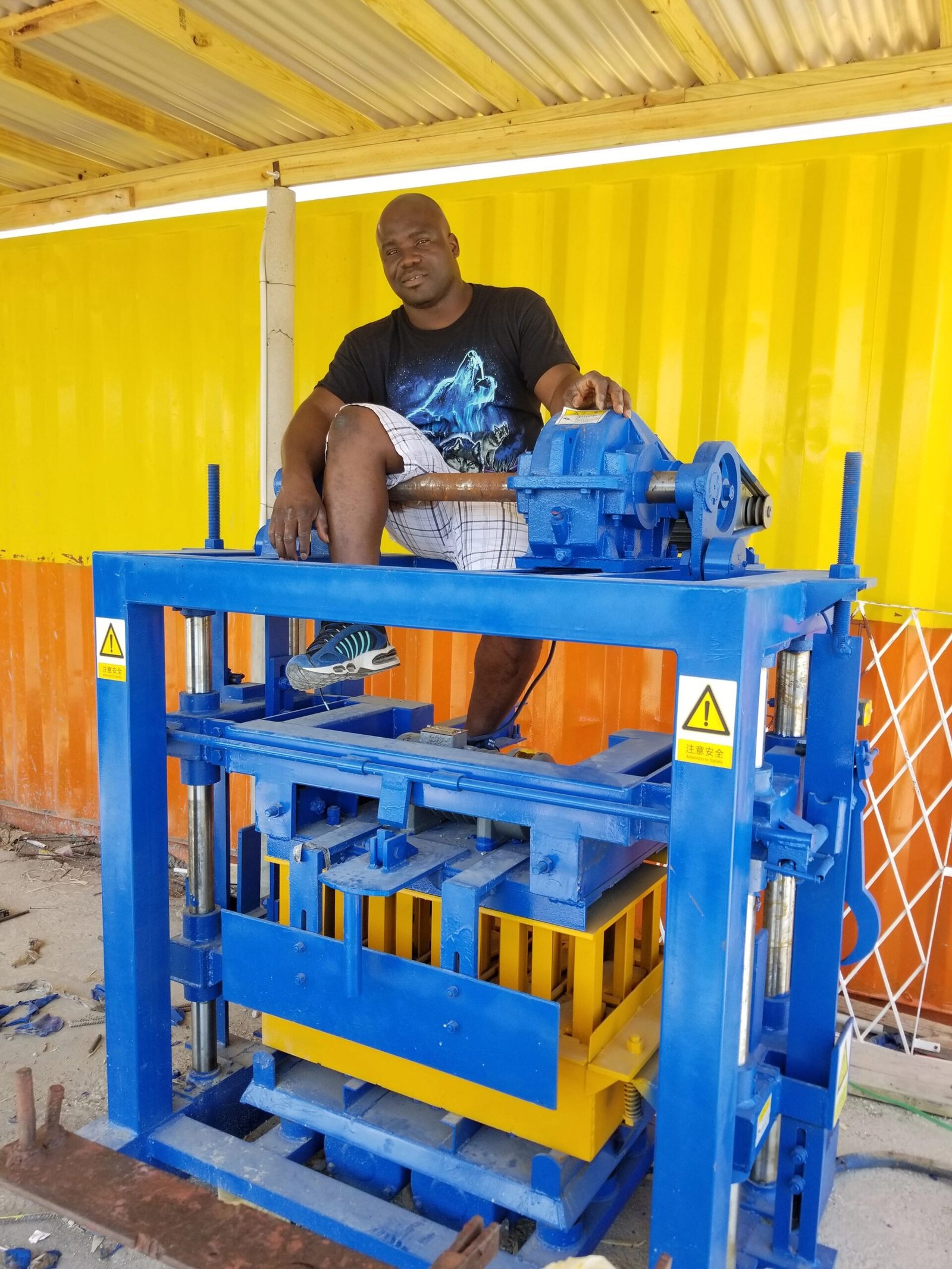
A rural entrepreneur near Durban identified unmet demand for quality bricks. Farmers and homeowners traveled 80km to buy building materials. He started production using MAIKONG’s manual brick making machine before upgrading to semi-automatic equipment.
Local beach sand contained too much salt initially. Switching to washed river sand from inland sources solved the quality issue. The 1:2:3 mix with OPC cement produces reliable 7.2 MPa bricks. Daily production reaches 1,800 pieces serving a 50km radius.
“MAIKONG’s technical support via WhatsApp helped me avoid expensive mistakes,” the owner explains. “When efflorescence appeared on early batches, their engineers diagnosed the salt problem immediately. The solution cost nothing but saved my reputation.”
Gauteng Commercial Production
Johannesburg’s construction boom created opportunities for large-scale producers. One manufacturer invested in a complete MAIKONG production line capable of 8,000 bricks daily. Automated batching ensures perfect mix ratios every cycle.
The operation serves major contractors building shopping centers and office complexes. Premium pricing reflects consistent quality and reliable delivery schedules. The business now employs 18 people and recently added a second production line.
Partnering with MAIKONG for Success
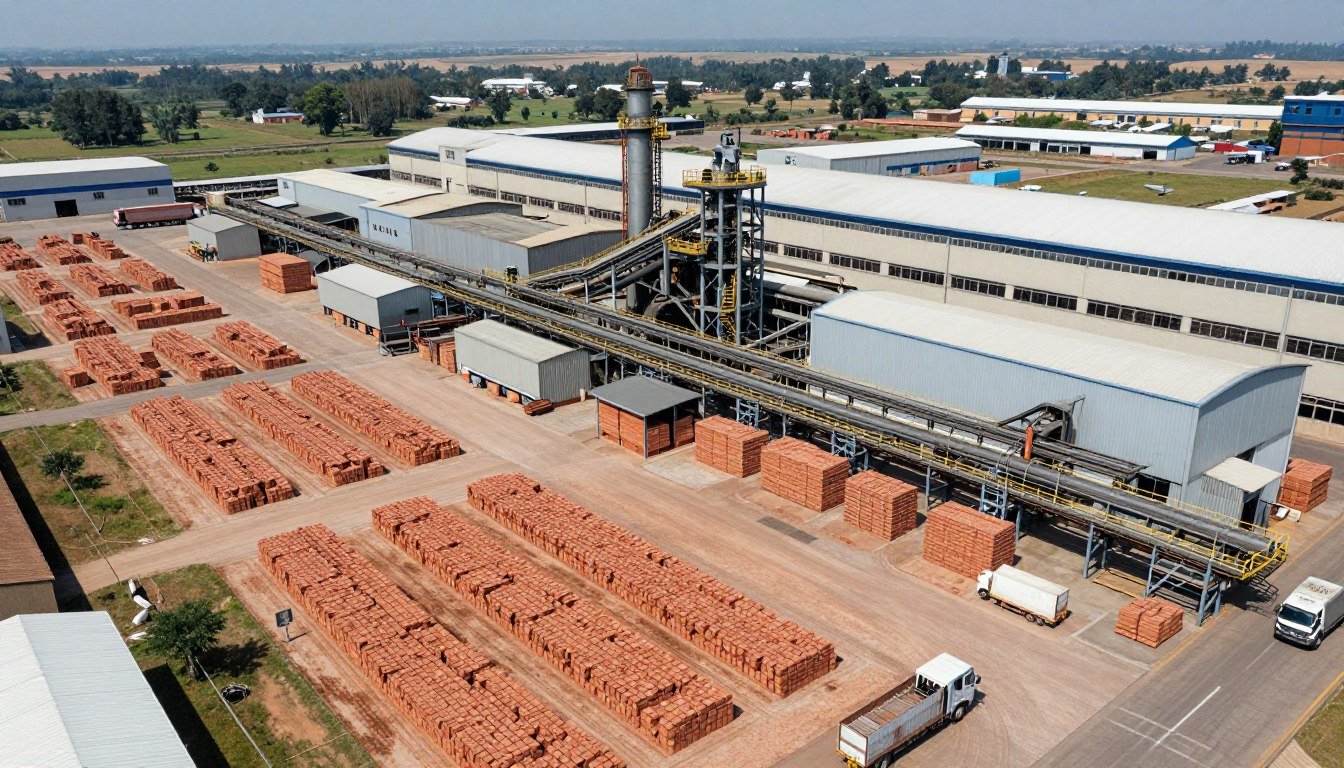
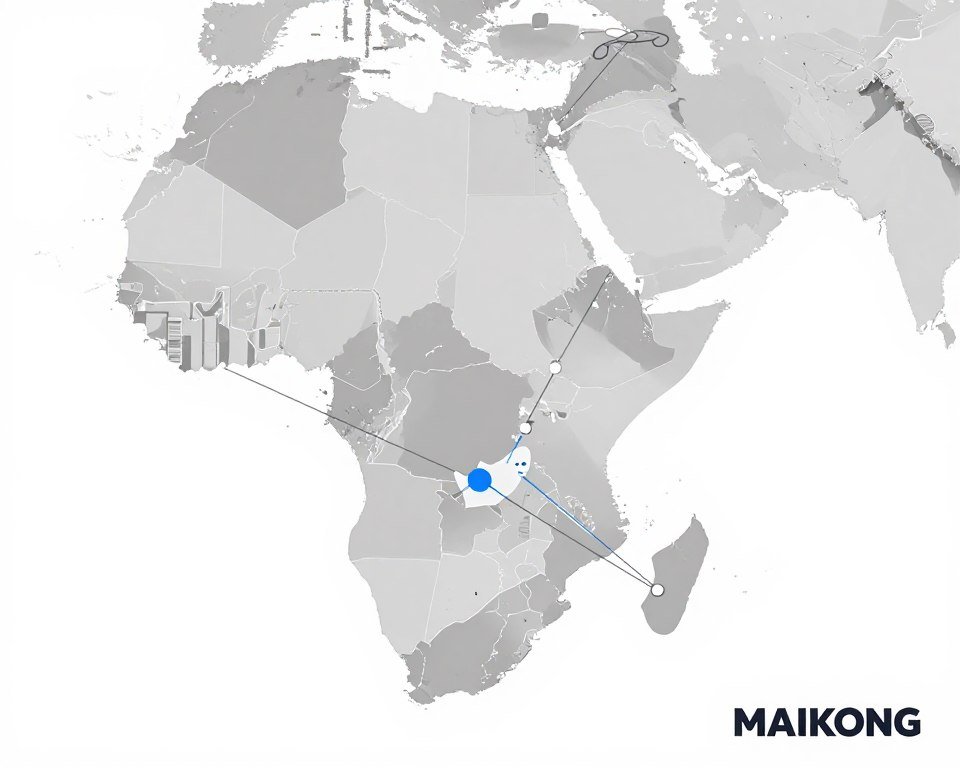
Twenty-six years of manufacturing experience backs every MAIKONG machine. We’ve supplied equipment to over 100 countries, with strong presence across Africa including Ghana, Nigeria, Kenya and South Africa. Our success comes from understanding what producers need: reliable equipment, responsive support and profitable operations.

Comprehensive Support Package
Every MAIKONG purchase includes more than equipment. You receive complete business support designed to ensure your success from day one.
Technical Support
- Free mix design consultation for local materials
- WhatsApp support: +86-135-1090-7401
- Video troubleshooting and guidance
- On-site training during installation
- Ongoing production optimization advice
- Access to engineering team expertise
Business Development
- Market analysis and feasibility studies
- Production planning assistance
- Quality control system setup
- Customer relationship guidance
- Scaling strategy recommendations
- Distributor opportunity presentations
After-Sales Service
- 2-year comprehensive warranty
- Spare parts availability guarantee
- Maintenance training programs
- Equipment upgrade options
- Lifetime technical consultation
- 100% customer satisfaction commitment
Customization Options
No two operations face identical conditions. MAIKONG offers extensive customization to match your specific requirements. Voltage configurations suit South African electrical standards. Mold designs accommodate any brick size or shape your market demands.
Software interfaces support local languages. Control systems adjust to operator skill levels. Output capacity scales from small startups to major industrial operations. The OEM program even allows private labeling for dealers building their own brands.
The Distributor Advantage
Successful brick producers make ideal equipment dealers. You understand customer challenges firsthand. Your own production facility demonstrates equipment performance daily. MAIKONG’s distributor program transforms this expertise into additional revenue.
Dealer margins typically exceed brick production profits. One equipment sale equals thousands of bricks in profit terms. Technical knowledge you’ve already developed becomes a valuable asset. MAIKONG handles manufacturing, shipping and warranty support – you focus on customer relationships.
Customer Path
Focus entirely on producing quality bricks for your market. MAIKONG provides equipment, training and support. You build a profitable manufacturing business serving local construction demand.
Dealer Path
Combine brick production with equipment sales. Use your facility as a showroom. Earn manufacturer profits plus dealer commissions. Access exclusive territory rights and marketing support.
Getting Started with Concrete Brick Production
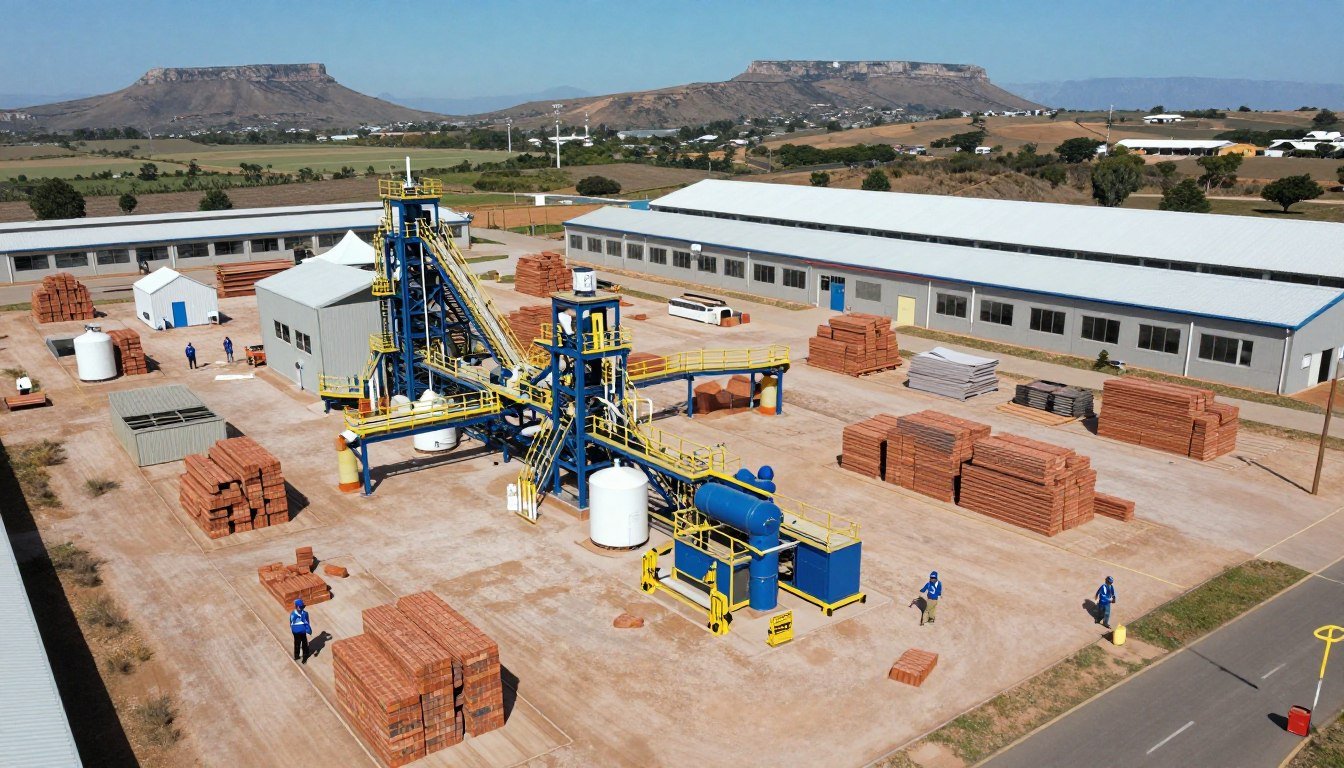
Starting your brick manufacturing business requires careful planning but needn’t overwhelm you. Break the process into manageable steps and build systematically toward profitable production.
Initial Planning Phase
Market research comes first. Identify construction activity in your area. Talk to builders and contractors about brick demand. Understand local preferences for sizes, strengths and pricing. This groundwork prevents investing in capacity nobody wants.
Site selection matters significantly. You need space for raw material storage, production equipment, curing yards and finished product staging. Water access is essential. Power supply must handle equipment loads. Proximity to customers reduces delivery costs while staying far enough from residential areas to avoid complaints.
- Conduct market research and demand analysis
- Secure suitable production site (minimum 500m²)
- Obtain necessary business licenses and permits
- Arrange financing or equipment lease options
- Source reliable raw material suppliers
- Select appropriate MAIKONG equipment package
- Install equipment and conduct trial production
- Develop customer base before full-scale launch
Equipment Selection Guidance
Match equipment capacity to realistic first-year demand. Starting too large wastes capital and creates pressure to discount prices filling capacity. Starting too small loses customers when you can’t meet orders. Most successful startups target 1,500-2,000 daily bricks initially.
The QT4-26 model suits this entry-level perfectly. It handles demand growth to 3,000 bricks daily before requiring additional machines. Investment remains manageable while providing professional production quality that commands premium pricing.
| Production Scale | Recommended Equipment | Daily Output | Typical Investment (ZAR) | Best For |
| Startup | Manual Machine | 500-800 | 45,000-75,000 | Testing market, DIY builders |
| Small Business | Small Semi-Auto | 1,000-1,500 | 120,000-180,000 | Local contractors, rural areas |
| Professional | QT4-26 Block Machine | 2,000-3,000 | 250,000-320,000 | Commercial production, growth plans |
| Industrial | Automatic Line | 8,000-12,000 | 850,000-1,200,000 | Major projects, established producers |
Financial Planning
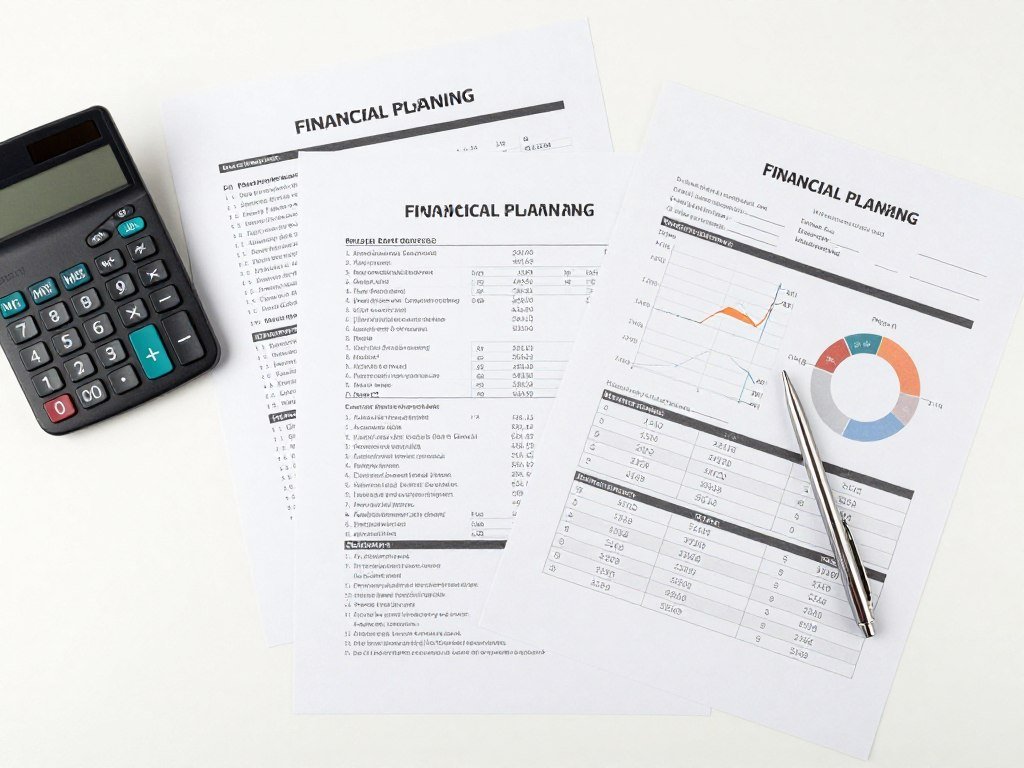
Budget conservatively for working capital. Raw materials, labor and overhead continue regardless of sales timing. Most new producers underestimate the cash needed bridging production to payment cycles. Plan for 3-6 months operating expenses in reserve.
Equipment financing options exist through MAIKONG payment plans or local bank loans. The predictable returns from brick sales make lending decisions straightforward. Many banks view construction material production favorably given steady demand across economic cycles.
Contact MAIKONG and Next Steps
You’ve learned the fundamentals of concrete brick mix design. From ratios to curing, testing to troubleshooting, you understand what separates quality production from mediocre results. Knowledge alone won’t build your business – action will.
MAIKONG stands ready to support your journey. Whether you’re planning your first brick or expanding existing production, our team provides the expertise and equipment that transform plans into profitable reality.
Start Your Brick Production Journey Today
Connect with MAIKONG technical experts for free consultation on mix design, equipment selection and business planning. Our South African support team understands local conditions and helps you avoid costly mistakes while accelerating your path to profitability.
Email: Lucy@ibrickmakingmachine.co.za
Website: ibrickmakingmachine.co.za

Request a Customized Quote
Every operation has unique requirements. Complete the form below with your specific needs and we’ll prepare a detailed proposal including equipment specifications, pricing and support package details. Responses typically arrive within 24 hours.

Visit Our Resources
Explore comprehensive information about MAIKONG equipment, capabilities and support services:
- About MAIKONG – Learn our history, values and commitment to customer success
- Factory Tour – See where your equipment is manufactured and tested
- Brick Making Machine Range – Compare models and specifications
- Block Making Equipment – Expand into hollow block production
- Become a Distributor – Turn expertise into additional income
Conclusion: Your Path to Brick Production Success
The recipe for strong concrete bricks combines precise mix ratios, quality materials, proper equipment and careful curing. Master these fundamentals and you control a business serving essential construction demand across South Africa.
Success doesn’t require revolutionary techniques. It demands attention to proven methods executed consistently. The 1:2:3 mix design works reliably when paired with good materials and thorough curing. Modern equipment like MAIKONG machines eliminates guesswork while improving efficiency.
Your journey starts with a single decision – to move from planning to action. Thousands of producers across Africa have built profitable businesses following these principles. The construction industry needs your bricks. MAIKONG provides the tools and support to supply them profitably.
Contact us today via WhatsApp at +86-135-1090-7401 for personalized guidance on starting or scaling your concrete brick production operation. Your success story begins with expert support and reliable equipment – both waiting for your call.