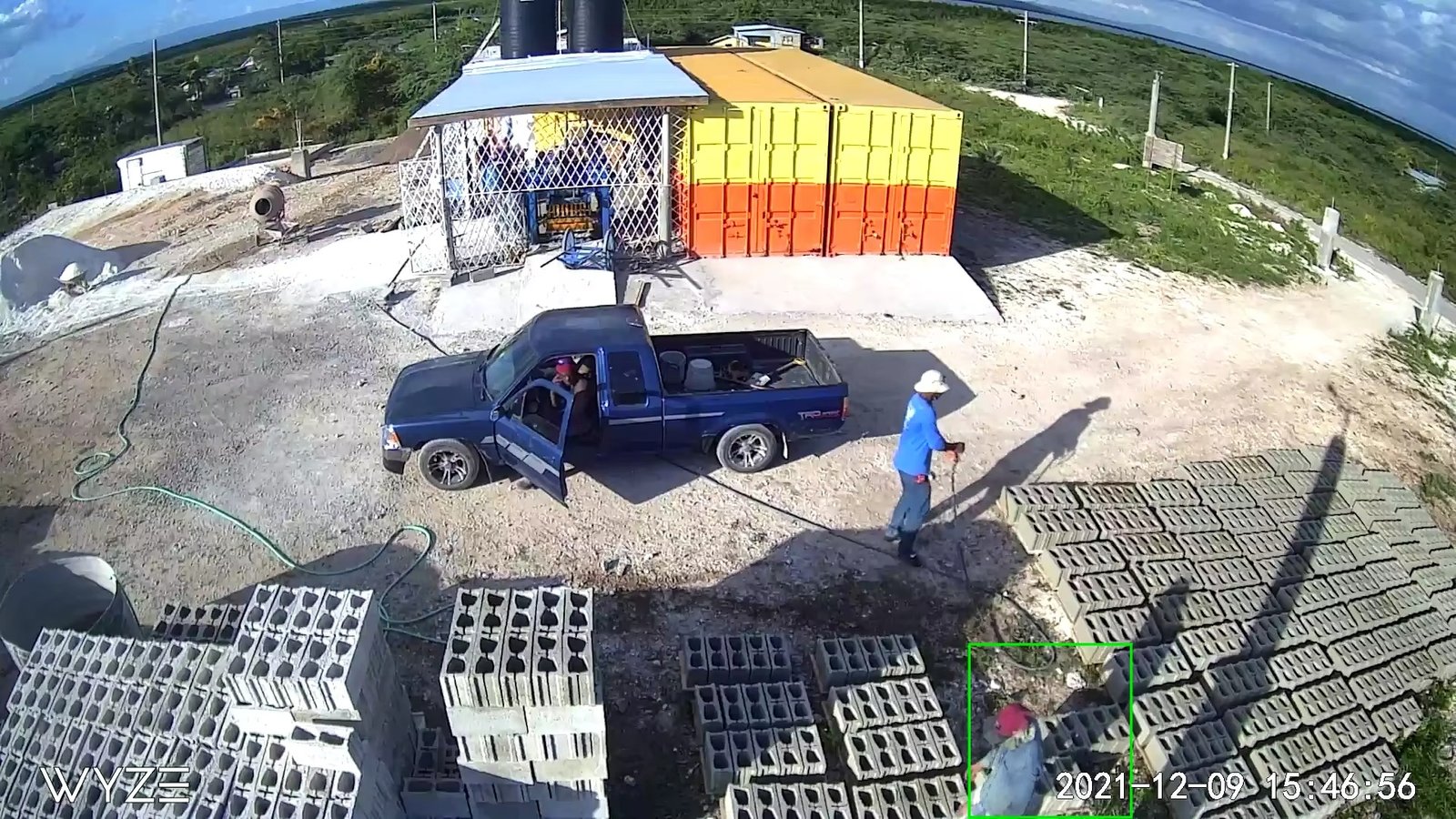
Proper curing cement brick methods determine whether your bricks meet strength standards or face rejection from construction sites. The difference between water curing and covering techniques impacts compressive strength, durability, and ultimately, your production profitability.
South African brick manufacturers face unique challenges. Water scarcity in provinces like Northern Cape and Free State makes traditional water curing difficult. Ambient temperatures ranging from 5°C winter mornings in Gauteng to 40°C summer days in Limpopo create vastly different curing conditions.
This comprehensive guide examines both water and covering methods for curing cement brick production. We analyze the science behind cement hydration, compare method effectiveness across different climates, and provide practical implementation strategies for brick factories of all sizes.
Understanding the Cement Hydration Process in Brick Curing
The curing process begins the moment water mixes with cement during brick production. Cement hydration is a chemical reaction that requires specific conditions to achieve maximum compressive strength. This reaction doesn’t simply dry the brick; it fundamentally transforms the cement particles into a hardened matrix.
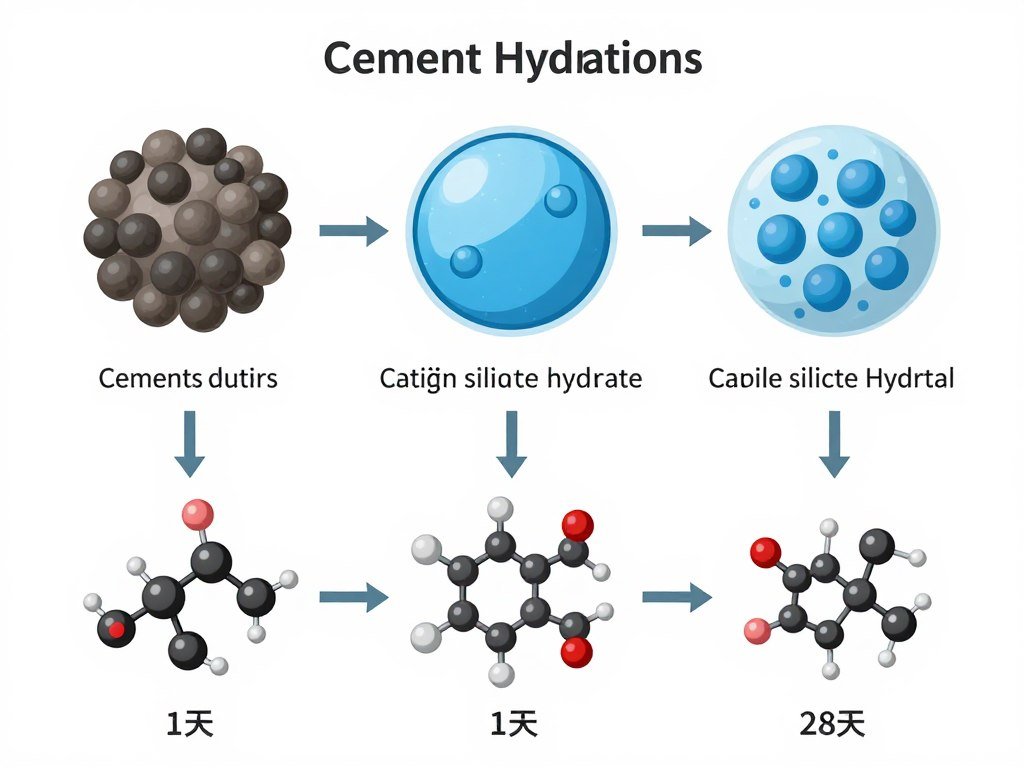
During the first 28 days after production, cement particles react with water to form calcium silicate hydrate crystals. These crystals bind sand and aggregate particles together, creating the brick’s structural integrity. The hydration process generates heat, which is why freshly produced bricks feel warm to the touch.
Critical Curing Period Requirements
The first seven days represent the most critical curing period for cement bricks. During this time, bricks develop approximately 70% of their final compressive strength. Research from South African Bureau of Standards indicates that bricks cured properly in the first week achieve 30-40% higher strength than improperly cured specimens.
Relative humidity must remain above 80% during this critical period. When humidity drops below this threshold, water evaporates from the brick’s surface faster than the cement can utilize it for the hydration reaction. This premature drying creates microscopic cracks that permanently reduce brick strength.
Temperature Effects on Cement Hydration
Ambient temperatures significantly influence the hydration rate. At 5°C, the cement hydration reaction proceeds very slowly, potentially taking months to reach design strength. At 20°C, hydration occurs at the optimal rate. Above 35°C, rapid surface drying can halt the hydration process before sufficient strength develops.
The relationship between temperature and curing time follows exponential curves. For every 10°C increase in temperature, the hydration rate approximately doubles. However, this acceleration only benefits strength development if sufficient moisture remains available.
Optimal Curing Conditions
- Temperature: 20-25°C
- Relative humidity: 90-95%
- Minimum curing period: 7 days
- Wind protection: Essential
- Direct sunlight: Avoided
Conditions Causing Curing Damage
- Temperature below 5°C
- Relative humidity below 60%
- Direct wind exposure
- Rapid temperature changes
- Premature load application
Water Curing Cement Brick: Traditional Method Analysis
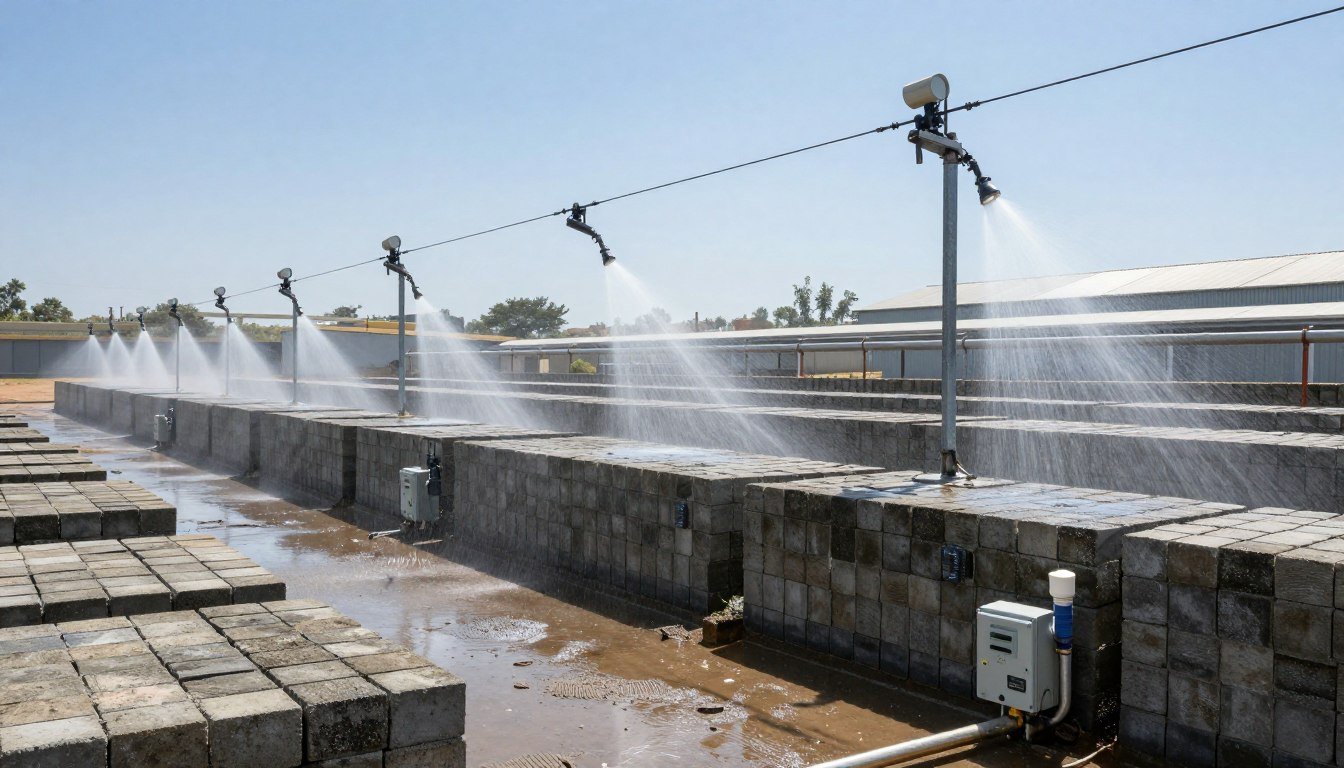
Water curing remains the gold standard for achieving maximum compressive strength in cement bricks. This method maintains continuous moisture on the concrete surface through direct water application, creating ideal conditions for the cement hydration reaction.
Continuous Water Spraying Technique
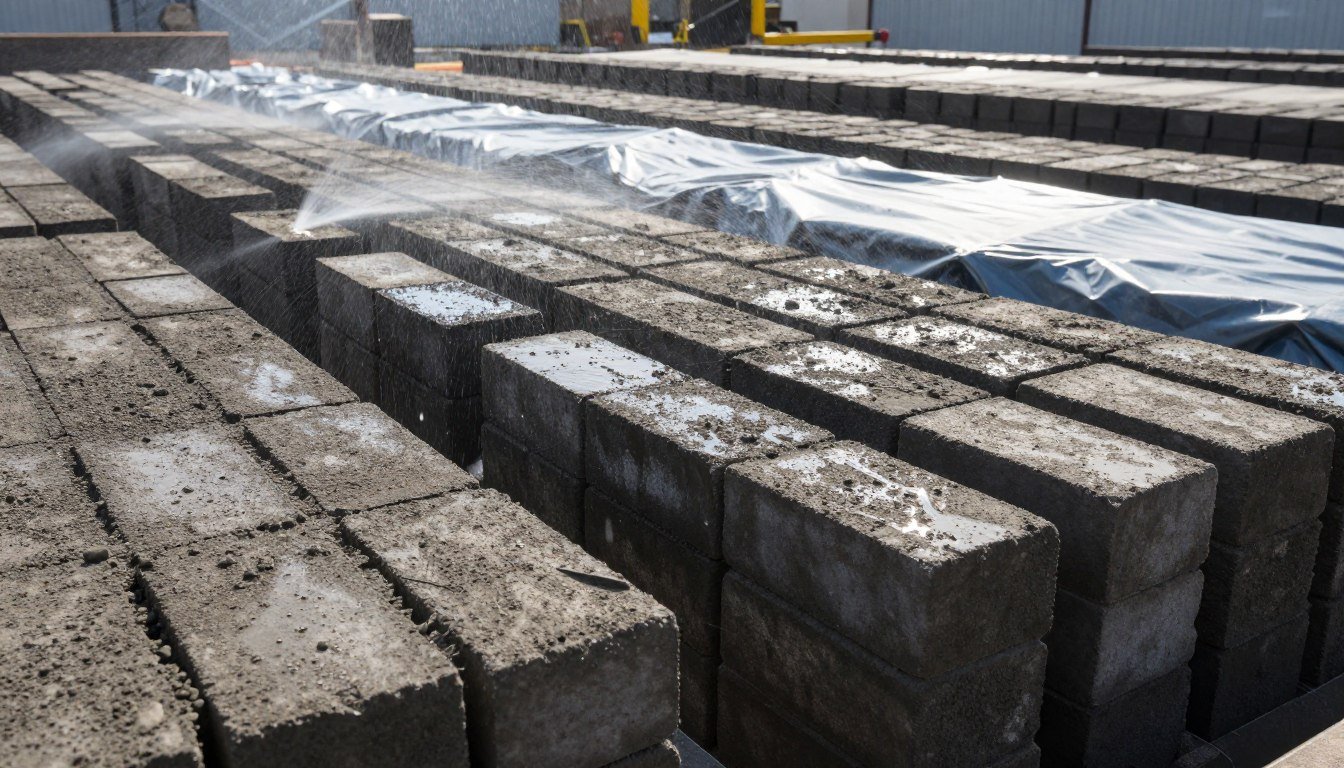
Continuous spraying involves installing nozzles that deliver fine water mist over brick stacks at regular intervals. Industrial brick operations typically use automated systems with programmable timers that activate sprinklers every 2-4 hours during daylight and every 6-8 hours at night.
This method provides superior relative humidity control around bricks. The constant moisture replenishment ensures the hydration process continues uninterrupted. Test results from the Council for Scientific and Industrial Research show continuous spraying produces bricks with 15-20% higher 28-day strength compared to once-daily watering.
Water consumption averages 3-5 liters per brick over the seven-day curing period. For a production facility making 5,000 bricks daily, this translates to 15,000-25,000 liters of daily water requirement during the curing phase. This substantial consumption makes continuous spraying challenging in water-scarce regions.
Pond Curing for Maximum Strength
Pond curing involves complete submersion of bricks in water tanks for the entire curing time. This method eliminates all risk of surface damage from water evaporates too quickly. Bricks remain submerged for 7-14 days, achieving the highest possible compressive strength.
Industrial pond systems require concrete tanks approximately 2 meters deep and sized to accommodate one day’s production. Bricks are stacked on racks that lower into the water, then removed when the minimum curing period completes. The water temperature should maintain between 15-25°C for optimal results.
Pond curing produces the most consistent strength results. Laboratory testing shows less than 5% variation in compressive strength between bricks from the same batch when pond-cured, compared to 15-20% variation with other methods. This consistency is valuable for projects requiring certified strength guarantees.
| Water Curing Method | Water Consumption | Labor Requirement | Strength Achievement | Cost per 1000 Bricks |
| Continuous Spraying | 15,000-25,000L per day | Low (automated) | 95-100% potential | R450-650 |
| Pond Submersion | 30,000-40,000L (reusable) | Medium | 100% potential | R550-750 |
| Manual Flooding | 10,000-15,000L per day | High | 85-95% potential | R380-520 |
| Wet Burlap Covering | 8,000-12,000L per day | High | 90-95% potential | R420-580 |
Manual Water Application Methods
Small-scale brick manufacturers often use manual watering with hoses or watering cans. This approach requires workers to thoroughly wet brick stacks 3-4 times daily during the first week. While labor-intensive, manual watering allows precise control over water application to specific brick areas.
The key challenge with manual methods is consistency. Workers must ensure enough prevent surface drying between watering sessions. Inconsistent application creates strength variations within the same production batch. However, for operations producing under 1,000 bricks daily, manual watering remains economically viable.
Wet burlap or hessian cloth placed over bricks provides a hybrid approach. The fabric retains moisture between watering sessions, reducing the frequency of water application needed. Workers wet the covering material 2-3 times daily rather than directly spraying bricks. This method reduces water consumption by approximately 30% compared to direct spraying.
Water Quality Matters: Use clean water free from salts, oils, and organic matter for curing cement brick. Contaminated water can introduce chemicals that interfere with the cement hydration process or cause surface staining. Municipal water or clean borehole water works best.
Covering Methods for Curing Cement Brick in Water-Scarce Environments
Covering techniques create a moisture-retaining environment around bricks without continuous water application. These methods prove essential for South African regions facing water restrictions or where water costs make traditional curing economically unfeasible.
Plastic Sheeting Curing Technique
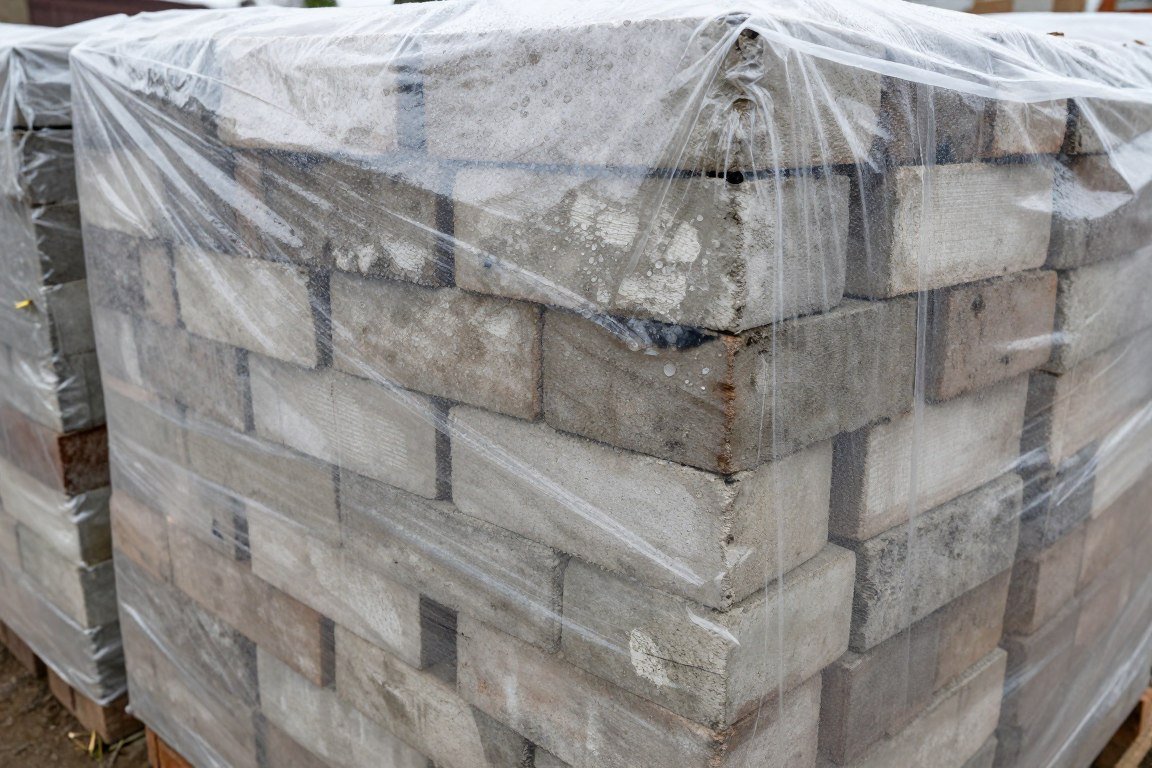
Polyethylene plastic sheets trap moisture that evaporates from freshly produced bricks, creating a humid microclimate. This method requires initial wetting of bricks immediately after demolding, then sealing them under impermeable plastic for the curing period.
The plastic sheet should be at least 0.15mm thick to prevent tearing and provide adequate moisture barrier properties. Sheets must extend beyond the brick stack edges, with all edges weighted down to prevent air circulation underneath. Even small gaps allow moisture escape and reduce curing effectiveness.
Research conducted at the University of Pretoria demonstrates plastic sheeting curing achieves 85-90% of the strength obtained through continuous water curing, while reducing water consumption by 70-80%. This makes it particularly valuable for brick manufacturers in Northern Cape and North West provinces where water scarcity presents ongoing challenges.
Membrane-Forming Curing Compounds
Chemical curing compounds spray onto brick surfaces immediately after production, forming a thin membrane that prevents moisture loss. These compounds create a barrier that keeps the brick’s internal moisture available for the hydration reaction over the critical first seven days.
Two main compound types exist: wax-based and resin-based formulations. Wax compounds cost less but may leave residues affecting paint or plaster adhesion. Resin-based compounds cost approximately 30% more but evaporate completely after the curing time completes, leaving no residue.
Application requires specialized spray equipment to ensure even coverage across all brick surfaces. Coverage rate typically ranges from 5-7 square meters per liter of compound. For a standard brick with 0.048 square meters of exposed surface area, one liter treats approximately 100-140 bricks.
Curing compound effectiveness depends heavily on proper application timing. Spraying must occur within 30 minutes of demolding, before significant surface drying begins. Delayed application allows the concrete surface to lose critical moisture that the compound cannot recapture.
Steam Curing for Accelerated Production
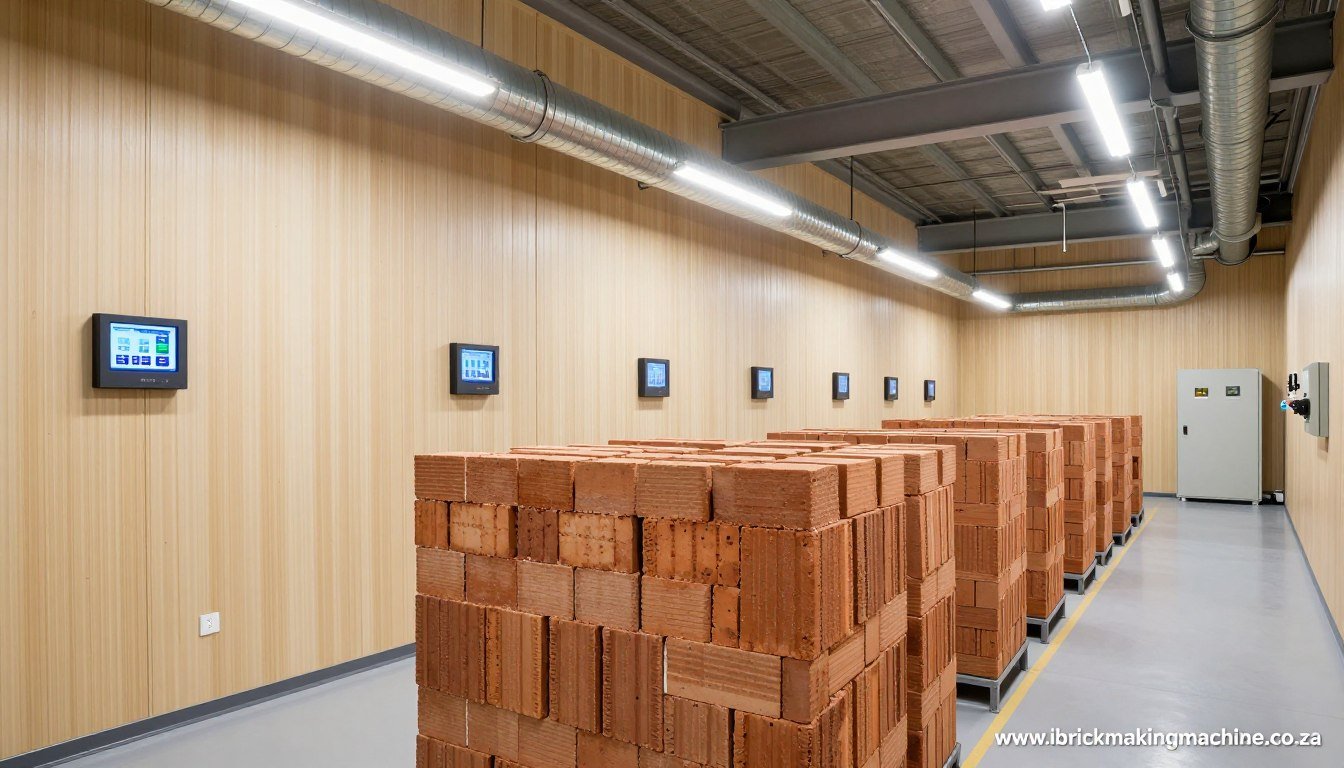
Steam curing accelerates the cement hydration process through elevated temperature and humidity in enclosed chambers. Bricks achieve design strength in 18-24 hours rather than seven days, dramatically increasing production capacity for manufacturers with high-volume contracts.
Steam chambers maintain temperatures between 60-80°C with near-100% relative humidity. The elevated temperature speeds the chemical hydration reaction, while high humidity ensures sufficient moisture remains available. This combination allows bricks to gain strength approximately 10 times faster than ambient curing.
The process requires significant capital investment. Steam chambers, boilers, and temperature control systems cost R350,000-750,000 depending on capacity. However, factories producing over 20,000 bricks daily can recover this investment within 18-24 months through increased turnover and reduced inventory carrying costs.
Advantages of Covering Methods
- 70-80% reduction in water consumption
- Effective in water-scarce regions
- Lower ongoing operational costs
- Reduced labor requirements for monitoring
- Protection from weather variations
- Suitable for small-scale operations
Limitations of Covering Methods
- 5-15% lower final compressive strength
- Requires initial brick wetting
- Plastic sheets need replacement every 50-100 uses
- Wind can displace covering materials
- Chemical compounds add per-brick costs
- Steam curing requires major capital investment
Struggling with Water Scarcity in Your Region?
Get personalized curing cement brick recommendations tailored to your South African location’s climate and water availability. Our technical team has helped manufacturers across all nine provinces optimize curing methods for local conditions.
Climate-Specific Curing Cement Brick Strategies for South Africa
South Africa’s diverse climate zones require adapted curing strategies. What works perfectly in Cape Town’s Mediterranean climate fails in Johannesburg’s highveld conditions. Understanding regional variations ensures optimal brick quality regardless of production location.
Coastal Regions (Western Cape, Eastern Cape, KwaZulu-Natal)
Coastal areas benefit from naturally higher relative humidity, typically ranging from 65-85% year-round. This ambient moisture reduces the aggressiveness of curing requirements compared to inland regions. However, salt-laden air presents unique challenges for brick durability.
Water curing with desalinated or fresh water proves essential in coastal factories. Seawater contains chlorides that penetrate the concrete structure, causing long-term corrosion of any metal reinforcement in construction applications. Even for non-reinforced bricks, salt deposits create efflorescence—white crystalline formations on brick surfaces that reduce aesthetic appeal.
Covering methods work exceptionally well in coastal climates due to existing high humidity. Plastic sheeting curing in Cape Town typically achieves 90-95% of pond curing strength, compared to 85-90% in drier inland areas. The natural moisture in air supplements the trapped moisture under covers.
Highveld Regions (Gauteng, Free State, Mpumalanga)
The highveld experiences dramatic daily temperature swings and low relative humidity, particularly during winter months when humidity can drop below 20%. These conditions create rapid surface damage if bricks aren’t protected immediately after production.
Water curing requires more frequent applications in these regions. While coastal factories might water twice daily, highveld operations need 4-6 daily waterings during dry winter months. Alternatively, continuous spraying systems become economically justified due to the challenging ambient conditions.
Winter curing presents additional challenges when overnight temperatures drop below 5°C. The cement hydration reaction slows dramatically, and frost can cause damage to insufficiently cured bricks. Many manufacturers use insulating blankets over plastic sheeting during winter nights to retain the heat generated by the hydration process.
Semi-Arid Regions (Northern Cape, North West, Limpopo)
Water scarcity makes traditional water curing economically and practically impossible in many semi-arid locations. Ambient temperatures exceeding 35°C for extended period create rapid evaporation that demands alternative approaches.
Chemical curing compounds deliver the best cost-effectiveness in these regions. Initial investment in spray equipment pays back within 6-12 months through water savings. A factory producing 3,000 bricks daily can reduce water consumption from 45,000 liters to under 5,000 liters during the curing period.
Shade structures become essential infrastructure in hot, dry climates. Even with chemical compounds or plastic covering, direct sunlight on curing bricks creates surface temperatures exceeding 60°C. This excessive heat can cause thermal cracking and reduced long-term durability. Simple shade cloth structures reduce surface temperature by 15-20°C.
Regional Curing Method Recommendations
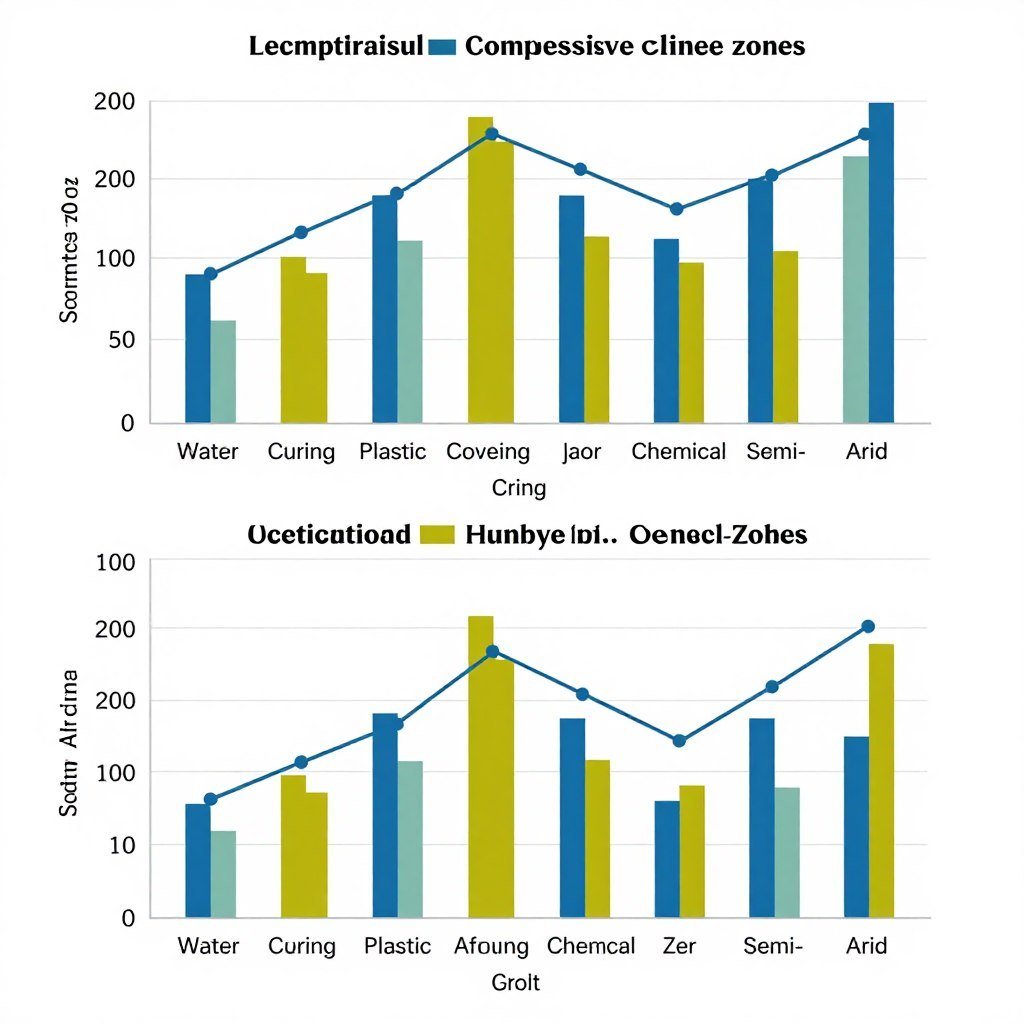
Coastal Regions: Plastic sheeting or wet burlap covering provides excellent results with minimal water use. Natural humidity supports the hydration process.
Highveld Areas: Automated spraying systems or steam curing for high-volume operations. Manual methods require intensive labor in dry conditions.
Semi-Arid Zones: Chemical curing compounds or plastic sheeting with shade structures. Water conservation is critical for business sustainability.
All Regions: Monitor local weather forecasts and adjust curing intensity during heat waves or cold snaps for consistent quality.
Integrating Curing Cement Brick Methods with Production Equipment
The effectiveness of any curing method depends partly on the quality and consistency of the bricks produced. Modern brick making machine technology creates bricks with uniform density and moisture content, which cure more predictably than manually molded bricks.
How Production Quality Affects Curing Results
A high-quality brick making machine applies consistent pressure and vibration during molding, creating uniform compaction throughout each brick. This uniformity ensures the cement hydration reaction proceeds at the same rate across the entire brick volume, producing predictable strength development.
Inconsistently compacted bricks—common with worn or low-quality equipment—contain density variations that create differential curing rates. Denser areas hydrate and gain strength faster than less compacted sections. This variation reduces overall brick performance and creates higher rejection rates during strength testing.
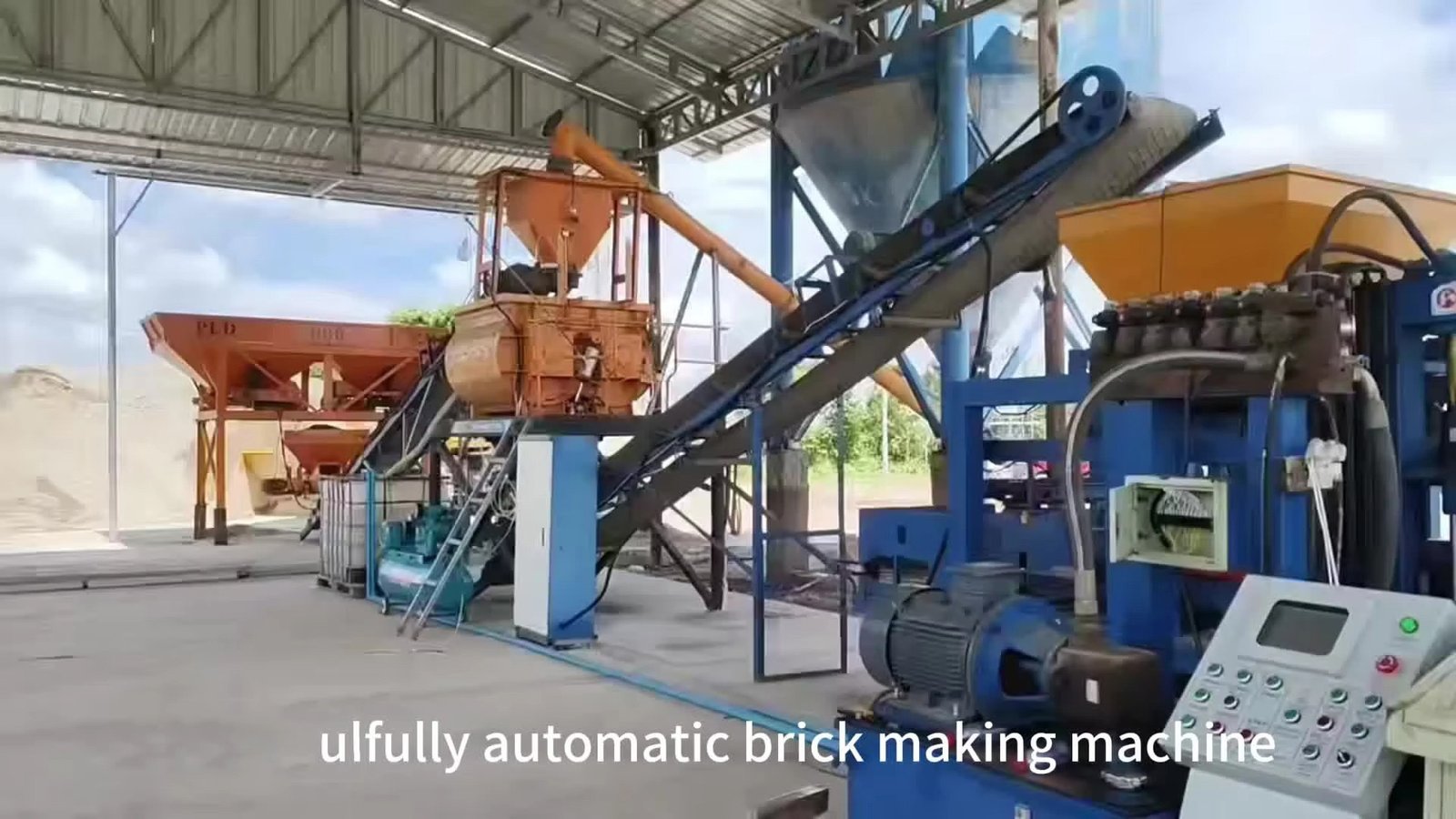
Modern automatic brick making machine systems integrate moisture sensors that ensure optimal water-to-cement ratios before molding. This precision eliminates the common problem of overly wet or dry mixes, both of which complicate the curing process.
Production Equipment Options for Different Scale Operations
Small brick manufacturers producing 500-2,000 bricks daily benefit from manual brick making machine options. These systems cost R35,000-75,000 and produce consistent-quality bricks suitable for standard curing methods. Manual machines work well with simple plastic covering or wet burlap curing techniques.
Medium-scale operations (2,000-10,000 bricks daily) typically invest in semi-automatic systems. A brick making machine south africa dealer can provide semi-automatic equipment in the R180,000-450,000 range. These machines justify automated sprinkler curing systems due to production volumes.
Large manufacturers exceeding 10,000 daily bricks require fully automated production lines. These systems integrate directly with steam curing chambers or automated water curing systems. The complete integration ensures consistent product quality from mixing through final curing.
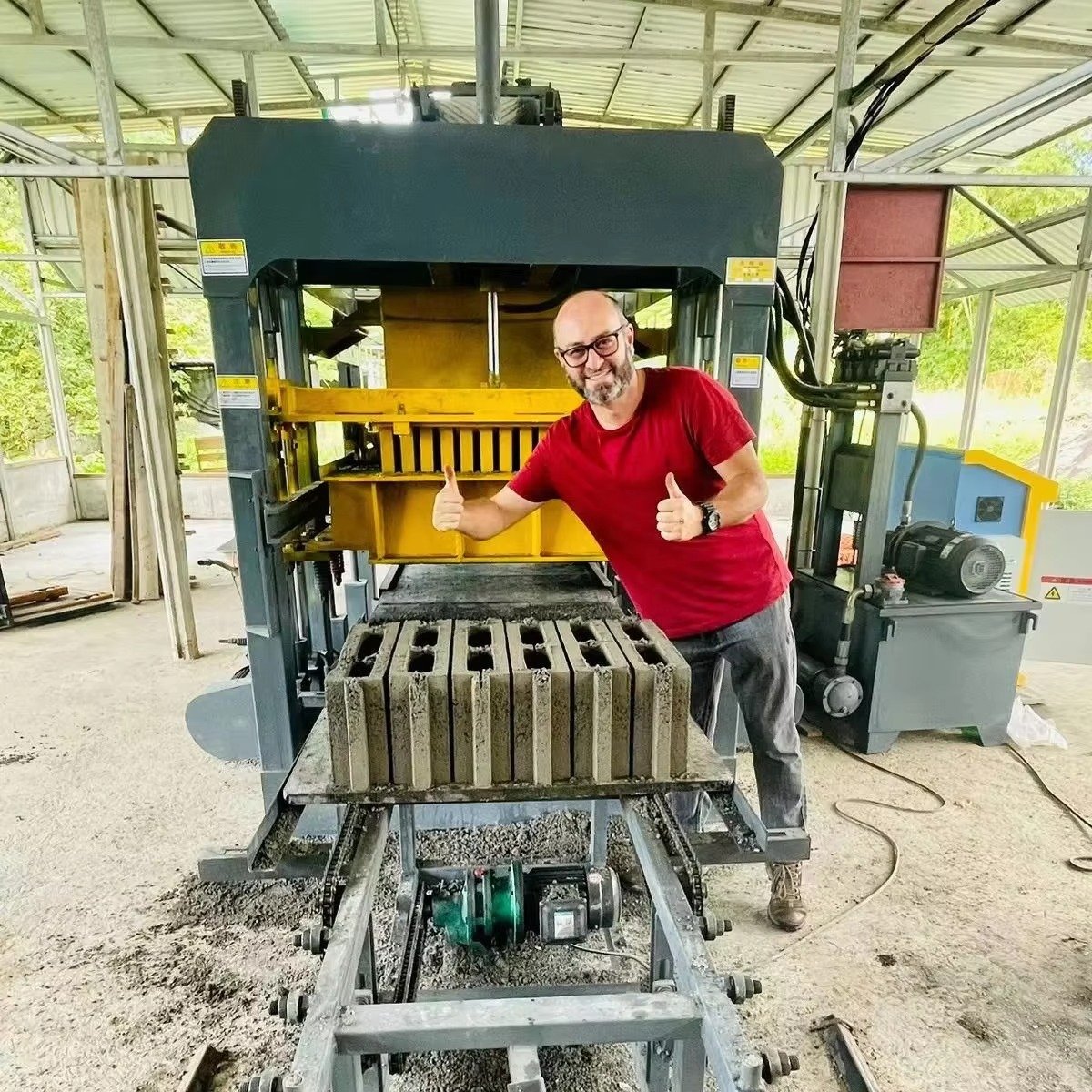
Automatic Brick Making Machine
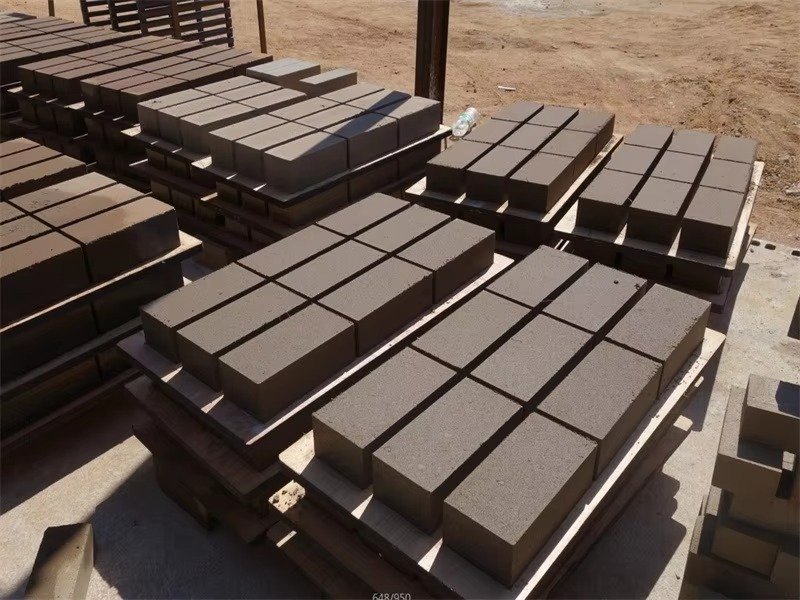
High-capacity production with integrated quality controls. Ideal for operations producing 5,000-15,000 bricks daily. Automated mixing, molding, and stacking systems ensure consistent brick density for optimal curing results.
- Daily capacity: 5,000-15,000 bricks
- Power: 380V/220V AC, 12-35 KW
- Labor requirement: 2-4 workers
- Automatic material feeding
- PLC control system
Concrete Block Making Machine
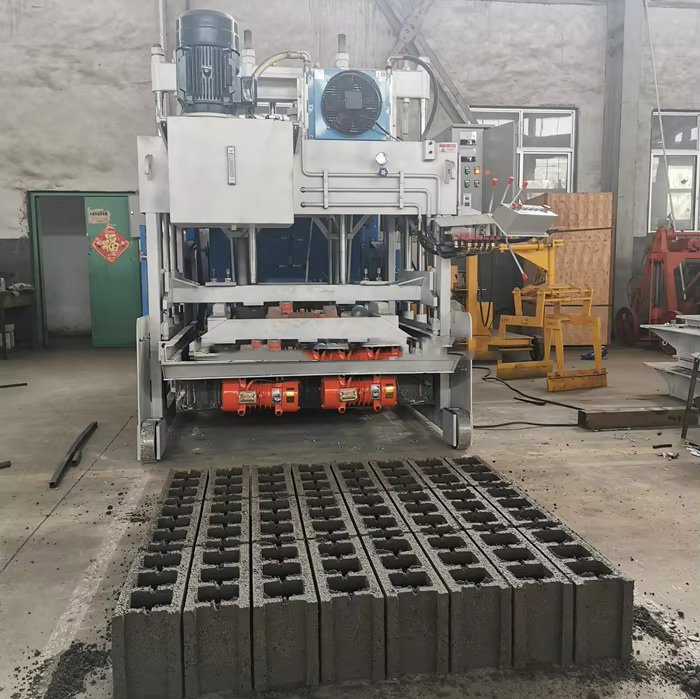
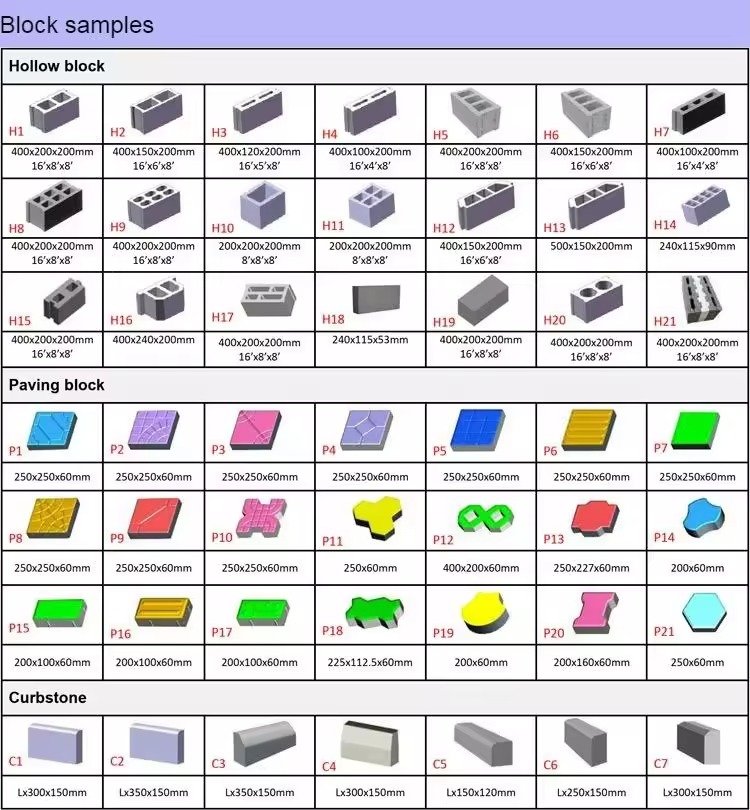
Versatile production for both bricks and concrete blocks. Changeable molds allow production of hollow blocks, solid blocks, and paving bricks. Four-column guiding design ensures consistent compaction critical for effective curing.
- Daily capacity: 2,000-8,000 pieces
- Multiple mold options available
- Hydraulic pressure system
- Vibration box technology
- Quick mold changeover
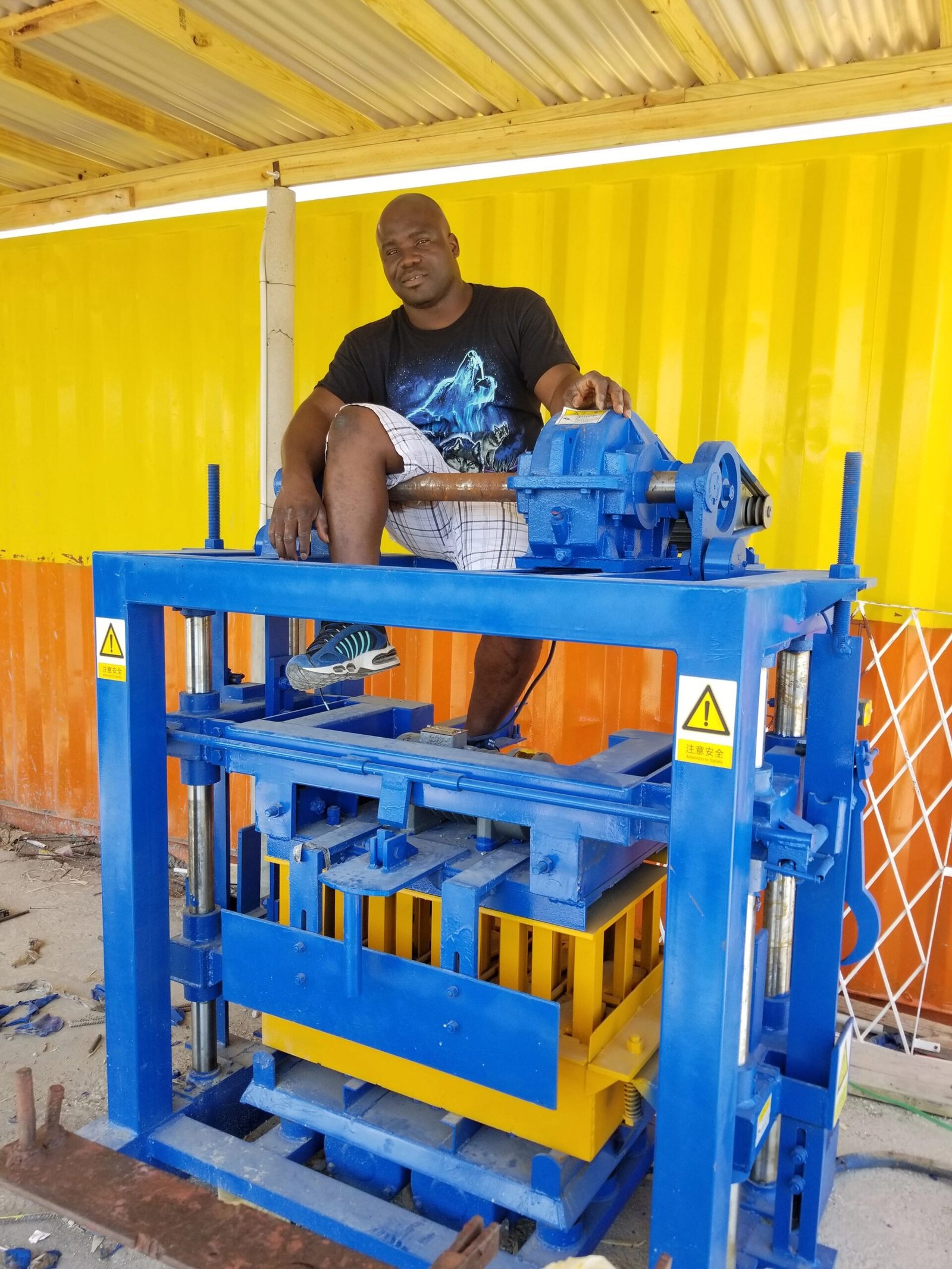
Manual Brick Making Machine
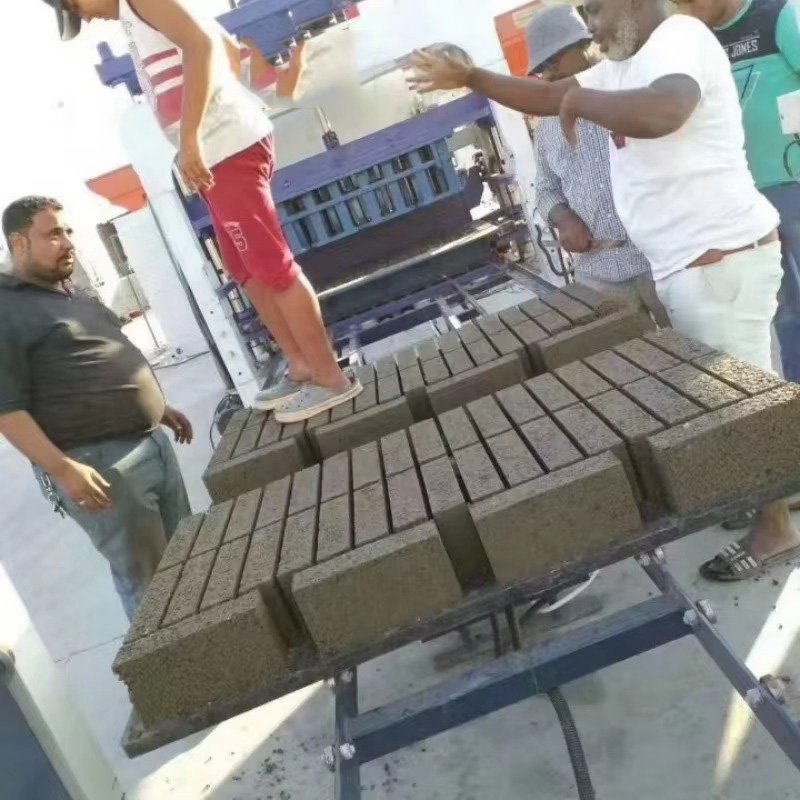
Cost-effective solution for small-scale brick manufacturers and entrepreneurs. Manual operation with mechanical advantage produces quality bricks suitable for standard curing methods. Low initial investment with reliable performance.
- Daily capacity: 500-2,000 bricks
- Manual operation, no electricity needed
- Labor requirement: 2-3 workers
- Minimal maintenance requirements
- Portable design
Production-Curing Integration: MAIKONG equipment produces bricks with optimal moisture content for immediate curing application. This eliminates the common problem of bricks being too wet or too dry when curing begins, ensuring maximum strength development.
Common Curing Cement Brick Problems and Solutions
Even with proper equipment and methods, brick manufacturers encounter curing challenges that reduce product quality. Understanding these problems and their solutions prevents costly rejections and rework.
Surface Crazing and Cracking
Fine network cracks appear on brick surfaces when the outer layer dries and shrinks faster than the interior. This surface damage occurs when water evaporates too rapidly during the first 24 hours after production. While surface cracks may seem cosmetic, they reduce brick durability and weather resistance.
Prevention requires immediate curing action. Bricks must be wetted or covered within 30 minutes of demolding, before significant surface drying begins. In hot, dry conditions, some manufacturers spray bricks with a fine water mist while still in the mold, moments before demolding.
If crazing appears despite precautions, the affected bricks can sometimes be salvaged. Thoroughly soaking cracked bricks and maintaining continuous moisture for 14 days rather than seven allows additional hydration to fill microcracks. This extended curing produces bricks approaching 85-90% of uncracked strength.
Insufficient Strength Development
Bricks failing 28-day strength tests usually suffer from inadequate curing rather than poor mix design. Testing at multiple brick factories reveals that 60-70% of strength failures trace to curing problems: insufficient curing time, premature drying, or incorrect temperature control.
The solution requires systematic curing process review. Check relative humidity around curing bricks with a simple hygrometer—it should exceed 80% throughout the minimum curing period. Monitor brick surface temperature, which should remain below 30°C during curing. Measure actual curing time rather than assuming schedules are followed.
Many strength problems emerge from shortcuts during busy production period. Workers may reduce watering frequency or remove covers early to free space for new production. Installing adequate curing space prevents these compromises—plan for 10-14 days of production to be in curing simultaneously.
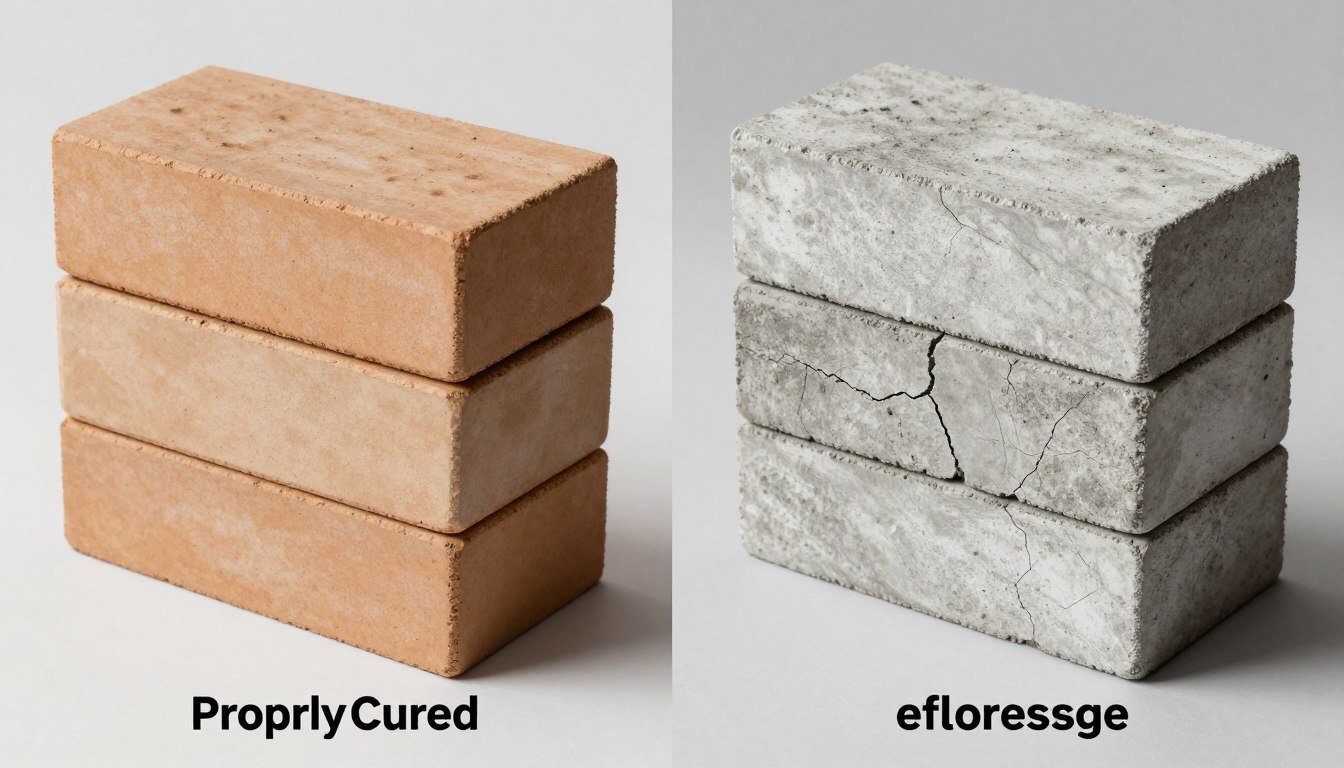
Efflorescence and Surface Staining
White crystalline deposits on brick surfaces result from soluble salts migrating with moisture and crystallizing as water evaporates. While not affecting structural strength, efflorescence creates appearance issues that can result in product rejection from quality-conscious buyers.
Prevention starts with clean materials. Test sand, cement, and water for salt content before use. Avoid seawater or brackish borehole water for mixing or curing. If salt-containing materials must be used, adding pozzolanic materials like fly ash to the mix binds salts chemically, preventing migration.
Proper curing methods also minimize efflorescence. Slow, controlled drying after the curing period ends allows salts to remain distributed throughout the brick rather than concentrating on surfaces. Removing plastic covers gradually over 24 hours, rather than all at once, provides this controlled transition.
Why do my bricks develop cracks even with regular watering?
Cracks typically indicate insufficient moisture between watering sessions. Check watering frequency—bricks in hot, dry climates may need water every 2-3 hours during the first three days. Also verify complete coverage; missed areas dry faster than wetted sections, creating stress cracks.
Can I use borehole water for curing cement brick?
Borehole water suitability depends on its chemical composition. Test for total dissolved solids (TDS), chloride content, and sulfate levels. TDS should remain below 2,000 ppm, chlorides below 500 ppm, and sulfates below 400 ppm. Water exceeding these limits can cause long-term durability problems and surface staining.
How long is the minimum curing period for load-bearing bricks?
Load-bearing applications require a minimum seven-day active curing period, followed by 21 additional days of air curing to reach full design strength at 28 days. Bricks intended for structural walls should not be delivered to construction sites before 14 days of age, ensuring they’re hard enough prevent handling damage.
Does steam curing produce weaker bricks than water curing?
Properly controlled steam curing produces equivalent or superior strength to ambient water curing. The key is gradual temperature ramping (2-3°C per hour increase) and controlled cooling. Rapid temperature changes create thermal stress that can reduce long-term durability despite achieving high early strength.
Facing Curing Defects or Quality Inconsistencies?
Our engineering team provides real-time troubleshooting support for brick manufacturers across South Africa. Get expert advice on solving specific curing challenges in your production environment.
Cost-Benefit Analysis: Water Curing vs. Covering Methods
Choosing between curing methods requires understanding both direct costs and long-term business implications. The cheapest method per brick may not deliver the best overall profitability when considering rejection rates, customer satisfaction, and operational efficiency.
Direct Cost Comparison for 10,000 Brick Production
Water costs vary significantly across South African municipalities. Johannesburg municipal water averages R25-35 per kiloliter, while rural borehole water might cost R15-20 per kiloliter when amortizing pump and maintenance costs. These variations dramatically affect curing economics.
For continuous spraying systems requiring 20,000 liters daily over seven days (140,000L total for 10,000 bricks), water costs range from R2,100-4,900. Add labor for system monitoring (R150-200 daily) and electricity for pumps (R400-600 for the period), bringing total curing costs to R2,650-5,700 per 10,000 bricks, or R0.27-0.57 per brick.
Plastic sheeting curing requires initial wetting (approximately 30,000L at R450-1,050) plus plastic sheet costs (R1,200-1,800 per 100-meter roll covering about 8,000-10,000 bricks for 30-40 uses). Amortizing plastic costs over its usable life adds R0.04-0.06 per brick. Labor for covering and uncovering operations adds R800-1,200. Total: R2,450-4,050 per 10,000 bricks, or R0.25-0.41 per brick.
Chemical curing compounds cost R85-140 per liter, with one liter covering 100-140 bricks. For 10,000 bricks, compound costs reach R6,100-14,000. However, labor requirements drop to minimal levels, and water usage falls to under 5,000L (R75-175). Spray equipment requires R8,000-15,000 initial investment, amortized over 100,000+ bricks. Total: R6,175-14,175 per 10,000 bricks, or R0.62-1.42 per brick.
| Cost Factor | Continuous Water Spraying | Plastic Sheeting | Chemical Compounds | Steam Curing |
| Water (per 10,000 bricks) | R2,100-4,900 | R450-1,050 | R75-175 | R800-1,200 |
| Materials | R200-400 (spray system maintenance) | R400-600 (sheeting amortized) | R6,100-14,000 (compounds) | R2,500-4,000 (fuel/electricity) |
| Labor | R1,050-1,400 | R800-1,200 | R300-500 | R600-900 |
| Equipment (amortized) | R400-650 | R50-100 | R80-150 | R1,800-2,800 |
| Total per 10,000 Bricks | R3,750-7,350 | R1,700-2,950 | R6,555-14,825 | R5,700-8,900 |
| Cost per Brick | R0.38-0.74 | R0.17-0.30 | R0.66-1.48 | R0.57-0.89 |
Hidden Costs and Long-Term Value Considerations
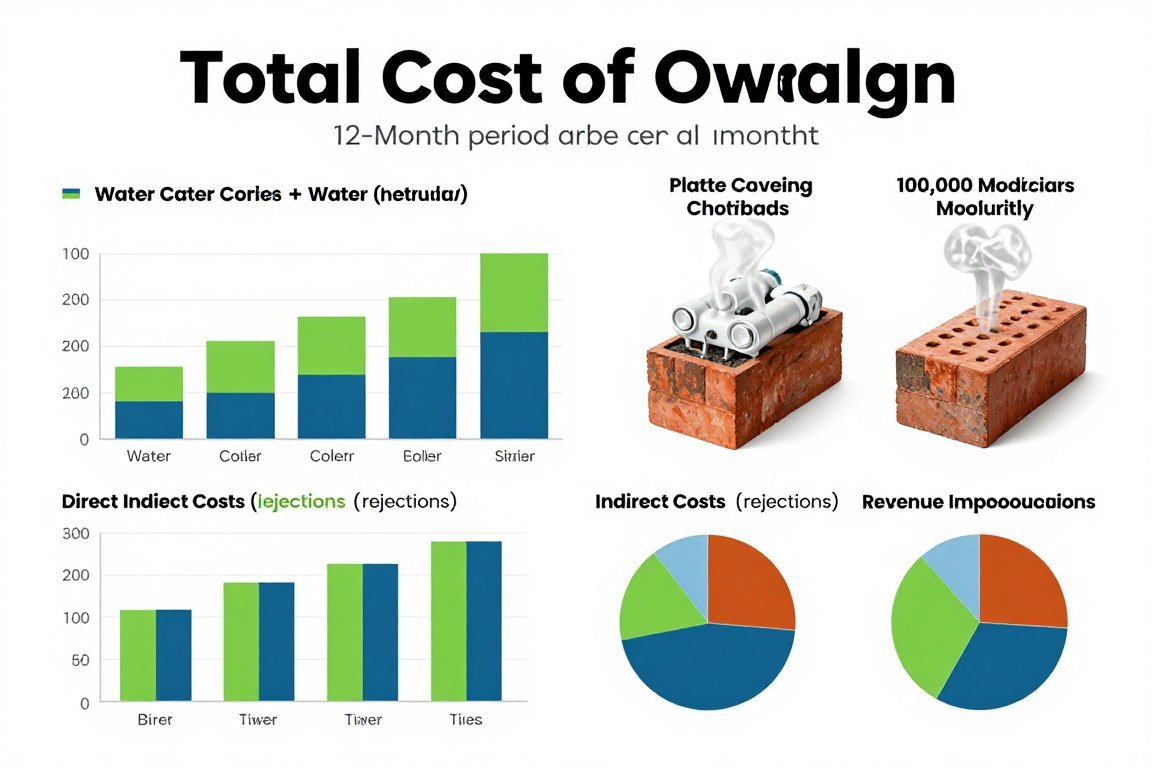
Direct curing costs represent only part of the economic equation. Rejection rates, customer satisfaction, and market positioning create substantial indirect value. A brick manufacturer producing 100,000 bricks monthly can analyze these factors to optimize profitability.
Water-cured bricks typically achieve 2-4% rejection rates during customer acceptance testing, while plastic-covered bricks see 4-7% rejections, and chemical compound-cured bricks experience 3-5% rejections. At an average sale price of R2.50 per brick, these rejection rates translate to R5,000-17,500 monthly loss in revenue.
Customer satisfaction influences repeat business and referrals. Contractors who experience consistent quality from water-cured bricks develop supplier loyalty worth quantifying. A manufacturer gaining three additional medium-size contracts annually (300,000 bricks total) due to superior reputation generates R750,000 additional revenue—far exceeding the R50,000-80,000 annual cost difference between water and covering methods.
Water availability presents long-term risk. Municipalities implementing water restrictions during drought period can halt water-dependent operations entirely. Brick manufacturers diversifying to include covering or chemical methods maintain production continuity during restrictions, avoiding potentially devastating revenue loss during peak construction seasons.
Quality Testing Standards for Cured Cement Bricks in South Africa
South African National Standards (SANS) specify minimum requirements for cement bricks used in construction. Understanding these standards helps manufacturers verify their curing methods produce compliant products.
SANS 227 Compressive Strength Requirements
SANS 227 classifies cement bricks into strength grades based on minimum compressive strength at 28 days. Class A bricks must achieve minimum 10 MPa, Class B requires 7.5 MPa, and Class C needs 5 MPa. Most structural applications specify Class A or B bricks.
Testing protocols require crushing at least six bricks from each production lot. The average strength must meet or exceed the class requirement, with no individual brick falling more than 20% below the class minimum. Proper curing concrete ensures consistent results that meet these criteria.
Early-strength testing at 7 days provides quality assurance before the full 28-day period elapses. Well-cured bricks should achieve 70-75% of final strength by day seven. Bricks showing less than 65% of expected 28-day strength at seven days likely suffer from curing deficiencies requiring immediate correction.
Water Absorption Testing
Excessive water absorption indicates inadequate curing or poor mix design. SANS 227 limits absorption to 15% of dry brick mass for load-bearing applications. Bricks absorbing more than this percentage lack sufficient hydration to create a dense, impermeable structure.
The test involves drying bricks to constant weight, then fully submerging them for 24 hours. The weight increase divided by dry weight gives absorption percentage. Properly cured bricks typically achieve 8-12% absorption, well below the maximum limit.
High absorption correlates with reduced frost resistance and shortened service life in exposed conditions. Water entering porous bricks expands when freezing, creating internal stress that eventually causes cracking and spalling. This damage mechanism particularly affects bricks in high-altitude regions experiencing regular freeze-thaw cycles.
Dimensional Tolerance and Surface Quality
While not directly related to curing, dimensional consistency improves when bricks cure uniformly. SANS 227 specifies maximum dimensional variations of ±3mm for length and width, ±2mm for height. Differential shrinkage from uneven curing creates bricks exceeding these tolerances.
Surface quality standards prohibit visible cracks, excessive efflorescence, and significant color variations within a batch. These aesthetic requirements demand consistent curing conditions across all bricks in production. One improperly covered section creates noticeable color differences that buyers reject.
Join MAIKONG’s Growing Network of Distributors Across Africa
Are you a building materials dealer, equipment supplier, or entrepreneur looking for profitable business opportunities in South Africa’s construction sector? MAIKONG offers exclusive distributor partnerships with comprehensive support.
Distributor Benefits
- Competitive wholesale pricing with generous profit margins (25-40% markup potential)
- Exclusive territory protection in designated areas
- Comprehensive technical training for your sales and support teams
- Marketing materials and co-branding support
- Local language technical documentation (English, Afrikaans, Zulu)
- Priority access to new product releases
What We’re Looking For
- Established presence in building materials or equipment sector
- Existing customer relationships with brick manufacturers, construction companies, or government projects
- Capability to provide after-sales support and technical assistance
- Commitment to representing MAIKONG quality standards
- Financial capacity for initial inventory investment
Advanced Curing Cement Brick Techniques for Premium Applications
High-specification projects—government buildings, infrastructure, coastal construction—demand superior brick performance. Advanced curing techniques ensure bricks exceed standard requirements, justifying premium pricing.
Controlled Low-Temperature Curing
Maintaining curing temperatures between 18-22°C produces maximum long-term strength and durability. This controlled environment requires insulated curing chambers with heating or cooling capacity to counteract ambient temperature extremes.
The investment in climate-controlled curing pays dividends in coastal and marine applications. Bricks cured at optimal temperatures develop denser microstructure with superior chloride resistance. Testing shows 30-40% improvement in marine environment durability compared to ambient-cured bricks.
Implementation requires a sealed curing room with basic HVAC equipment. For a facility producing 5,000 premium bricks daily, a 60-square-meter insulated room with climate control costs R180,000-280,000 to construct. Premium pricing of R1.00-1.50 per brick over standard products recovers this investment within 12-18 months.
Extended Curing for Ultra-High Strength
Extending active curing from seven to 14 or even 28 days produces measurably stronger bricks. The cement hydration reaction continues for months, but moisture availability limits the reaction. Maintaining wet conditions throughout this extended period allows complete cement particle hydration.
Extended curing produces 15-25% higher 28-day strength than standard seven-day curing. More importantly, 90-day and 365-day strength increases by 30-45%, creating exceptionally durable products for demanding applications like retaining walls, sea walls, and heavy-duty paving.
The method works best with pond submersion curing, where bricks remain underwater for the entire extended period. Alternatively, automated sprinkler systems maintain continuous moisture without daily labor requirements. The main cost is production space occupied for the longer curing cycle.
Hybrid Curing Approaches
Combining multiple curing methods optimizes results while managing costs. A common hybrid approach applies chemical curing compounds immediately after demolding to prevent initial moisture loss, followed by plastic sheeting coverage for the seven-day period. This combination achieves 90-95% of pond curing strength at significantly lower cost.
Another effective hybrid uses intensive water curing for the first three days (the most critical period for hydration reaction establishment), then transitions to plastic covering for days four through seven. This concentrates water consumption during the highest-value period while reducing overall usage by 40-50%.
Large manufacturers implement zone-based hybrid systems. Premium products receive full water curing in dedicated areas, while standard products use plastic covering. This differentiation allows simultaneous production of multiple quality grades without compromising either product line.
MAIKONG Production Line Success Stories Across Continents
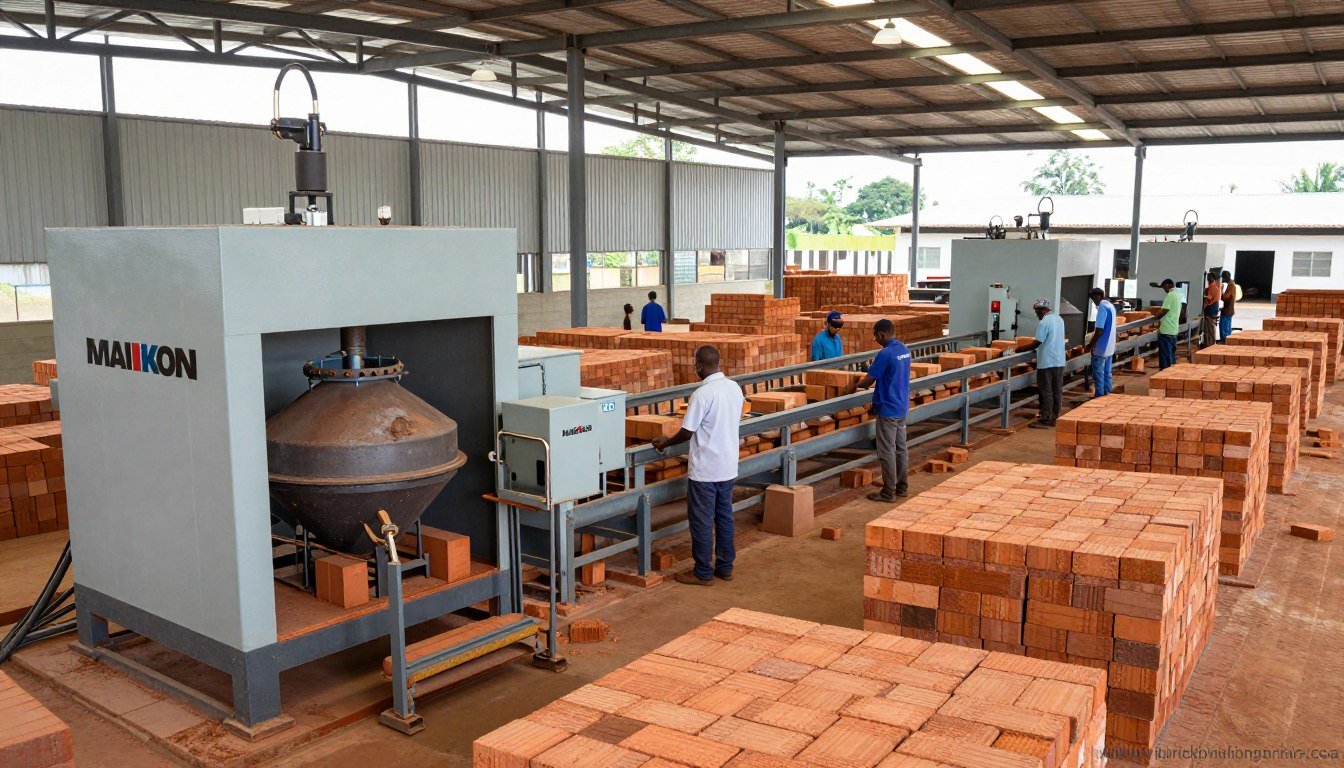
MAIKONG has installed brick making machine production lines in diverse climates and conditions worldwide. These case studies demonstrate how proper equipment combined with optimized curing methods creates successful brick manufacturing operations.
Case Study: Johannesburg, South Africa – Government Housing Project Supplier
A Johannesburg brick manufacturer supplying government Reconstruction and Development Programme (RDP) housing projects installed a MAIKONG Qt4-26 block making machine in 2021. The operation produces 8,000 bricks daily, requiring efficient curing to meet tight construction schedules.
Initial challenges included Johannesburg’s dry winter climate with relative humidity dropping to 15-20%. Early batches experienced 12-15% rejection rates due to surface crazing and insufficient strength development. MAIKONG engineers recommended a hybrid curing system combining initial water spray followed by plastic sheeting coverage.
After implementing the recommended system, rejection rates dropped to 3-4%, and 28-day compressive strength consistently exceeded SANS 227 Class B requirements by 15-20%. The manufacturer now operates two MAIKONG production lines and has become a preferred RDP supplier across Gauteng province. Daily production reached 15,000 bricks with maintained quality standards.
“MAIKONG didn’t just sell us machines—they partnered with us to solve our curing challenges in Johannesburg’s difficult climate. The technical support via WhatsApp means we get immediate answers when problems arise. Our brick quality improved so much that we secured three-year government contracts we previously couldn’t qualify for.”
Case Study: Lagos, Nigeria – Rapid Urban Construction Demand
A Nigerian entrepreneur established a brick production facility in Lagos to supply the city’s booming construction sector. The tropical climate’s high humidity (70-90% year-round) created ideal natural curing conditions, but the client needed production capacity to meet demand.
MAIKONG installed an automated production line with integrated steam curing chambers, allowing 24-hour brick availability rather than seven-day curing cycles. The system produces 12,000 bricks daily with bricks achieving specification strength in 20 hours through controlled steam curing at 70°C.
The accelerated production enabled the manufacturer to secure contracts with major Lagos developers requiring weekly brick deliveries of 50,000-75,000 units. Revenue in the first year exceeded projections by 180%, and the facility expanded to three production lines within 18 months. The steam curing investment paid back in just eight months through increased turnover.
Case Study: Cape Town, South Africa – Eco-Friendly Clay Brick Producer
A Western Cape manufacturer specializing in clay face bricks partnered with MAIKONG to add cement brick production capabilities. The coastal location offered abundant water from municipal supply, making water curing economically viable despite higher per-unit costs.
MAIKONG provided a cement block making machine with interchangeable molds for producing both standard bricks and decorative face bricks. The manufacturer implemented pond curing to achieve maximum strength and color consistency—critical factors for architectural applications.
The quality achieved through proper equipment and pond curing allowed premium pricing 40-50% above standard bricks. Architects and high-end home builders now specify this manufacturer’s products for upscale developments throughout the Western Cape. Monthly production of 45,000 premium bricks generates gross margins of R95,000-125,000 after all curing costs.
Case Study: Mumbai, India – High-Volume Automated Production
An Indian brick conglomerate operating multiple facilities across Maharashtra selected MAIKONG for a new 50,000-daily-capacity plant near Mumbai. The monsoon season’s extreme humidity contrasted with dry season conditions, requiring adaptable curing systems.
The installation featured fully automated material handling, mixing, molding, and curing systems. Bricks move automatically from production through a tunnel-style curing system with computer-controlled relative humidity and temperature monitoring. The system adjusts curing parameters based on ambient conditions and real-time strength development sensors.
This advanced installation achieves 99.2% production yield with rejection rates below 1%. The automated curing system uses 35% less water than conventional methods while maintaining superior quality. The facility supplies brick to major infrastructure projects including highways, industrial parks, and metro rail construction across western India.
Case Study: São Paulo, Brazil – Small Business Success Story
A Brazilian family business started brick production with a MAIKONG small brick making machine producing 1,500 bricks daily. Limited capital meant choosing affordable curing methods without compromising product quality.
MAIKONG technical support recommended plastic sheeting curing with strategic shade structures to manage São Paulo’s hot summer temperatures. The low-cost approach required minimal water (one 5,000L tank lasting three days) and simple infrastructure (shade cloth and weighted plastic sheets).
Despite modest scale, the operation achieved consistent SANS equivalent strength standards, building a loyal customer base among local contractors. Within two years, the business expanded to three MAIKONG machines producing 4,500 bricks daily, supplying residential construction across the greater São Paulo region. The success demonstrates that proper technique matters more than expensive infrastructure for small-scale operations.
Case Study: Nairobi, Kenya – Distributor Network Development
A Kenyan equipment dealer became MAIKONG’s East African distributor in 2019, establishing demonstration facilities showing both manual brick making machine and automated production. The dealer provides complete solutions including equipment, setup assistance, and curing method training.
The distribution network now supports 47 brick manufacturers across Kenya, Uganda, and Tanzania. Regional climate variations required customized curing recommendations—steam curing for high-altitude locations, plastic covering for arid areas, water curing for regions with reliable water access.
This partnership model demonstrates MAIKONG’s commitment to long-term market development rather than just equipment sales. Distributors receive ongoing technical training, marketing support, and priority parts availability. The East African network generates combined monthly production exceeding 2.5 million bricks, with consistent quality maintained through standardized MAIKONG techniques.
African Success Metrics
- Installation success rate: 98.5%
- Average customer retention: 94% over 5 years
- Production uptime: 96-99% with proper maintenance
- Quality certification pass rate: 97%
- Customer satisfaction: 4.7/5 average rating
- Repeat purchase rate: 67% expand within 3 years
Technical Support Highlights
- 24-hour WhatsApp response to technical queries
- Multi-language documentation (English, Portuguese, French)
- On-site training included with equipment purchase
- Video troubleshooting library with 200+ guides
- Quarterly quality assurance consultations
- Lifetime technical consultation availability
Ready to Optimize Your Brick Production Quality and Profitability?
Whether you’re starting a new brick manufacturing business or upgrading existing equipment, MAIKONG provides complete solutions tailored to South African conditions. Our team combines 26 years of manufacturing expertise with understanding of local climate challenges, water availability, and market requirements.
For New Manufacturers
Complete startup packages including equipment, installation, training, and curing system design. We help you avoid costly mistakes and start production with proven methods.
For Existing Operations
Equipment upgrades, curing system optimization, and technical consultation to improve quality and reduce rejection rates. Increase profitability with your current facility.
For Distributors & Dealers
Join a proven partnership program with exclusive territories, comprehensive support, and products that sell themselves through superior quality.
Contact Information
- Email: Lucy@ibrickmakingmachine.co.za
- WhatsApp: +86 135 1090 7401
- Phone: +86 135 1090 7401
- Website: www.ibrickmakingmachine.co.za
- Location: GD, SZ, China (serving South Africa)
Conclusion: Choosing the Right Curing Cement Brick Method for Your Operation
The choice between water curing and covering methods depends on your specific circumstances—water availability, production volume, target market quality requirements, and budget constraints. No single method suits all manufacturers, but understanding the science and economics enables informed decisions.
Water curing remains the gold standard for achieving maximum compressive strength and durability, making it essential for manufacturers targeting premium markets or projects with stringent specifications. The method’s higher water consumption and labor requirements justify themselves through superior product quality and lower rejection rates.
Covering methods—particularly plastic sheeting and chemical compounds—provide viable alternatives for water-scarce regions or cost-sensitive operations. While achieving 85-95% of water curing strength, these methods dramatically reduce water consumption and operational complexity. Strategic implementation can match market requirements at lower overall cost.
The most successful brick manufacturers adopt flexible approaches, using multiple curing methods for different products or adapting to seasonal conditions. Investing in quality brick making machine equipment from manufacturers like MAIKONG creates the foundation for consistent product quality regardless of curing method chosen.
Remember that proper curing cement brick directly impacts your business profitability through reduced rejections, increased customer satisfaction, and ability to command premium pricing. The relatively small investment in proper curing infrastructure and technique pays dividends throughout your operation’s lifetime.
South African brick manufacturers face unique opportunities in the growing construction sector. Government housing initiatives, infrastructure development, and commercial building create sustained demand for quality bricks. Manufacturers who master both production and curing techniques position themselves for long-term success in this expanding market.