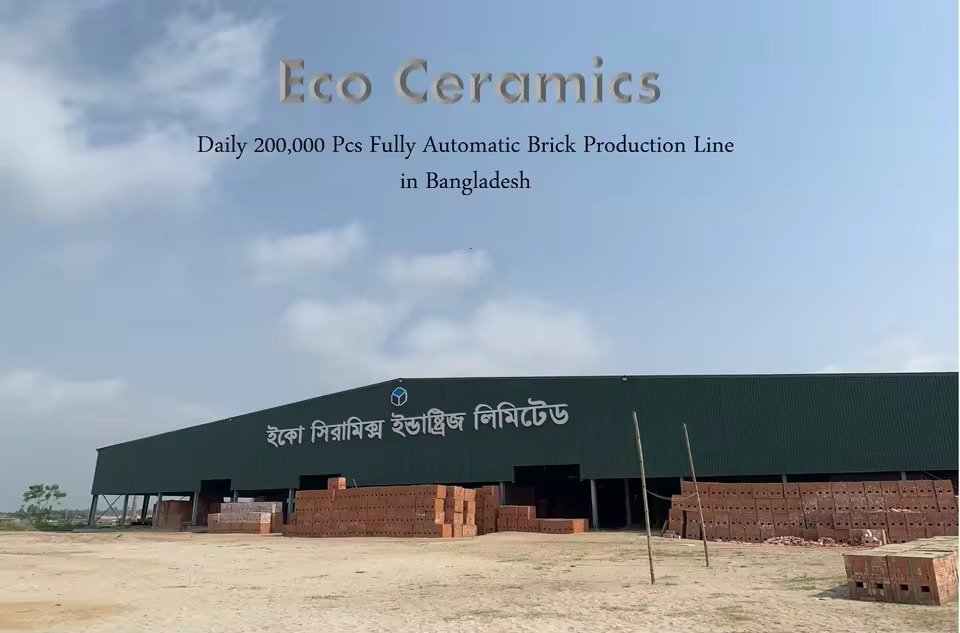
Water scarcity across South African regions makes this decision more complex than simple textbook recommendations. Gauteng manufacturers face different challenges than Western Cape producers. Your curing choice influences production costs, labor requirements, rejection rates, and ultimately profitability. This guide examines both methods through the lens of South African manufacturing conditions, providing data-backed comparisons to inform your production decisions.
The cement hydration process continues for weeks after brick formation. How you manage moisture and temperature during the first seven days establishes the final strength characteristics. Most factory owners underestimate this phase, focusing equipment investment on molding while neglecting curing infrastructure. This imbalance leads to preventable losses.
Questions about selecting the right curing method for your production scale? Our technical team provides guidance on WhatsApp: +86-158-1555-6422
Concrete Curing Process in Brick Manufacturing
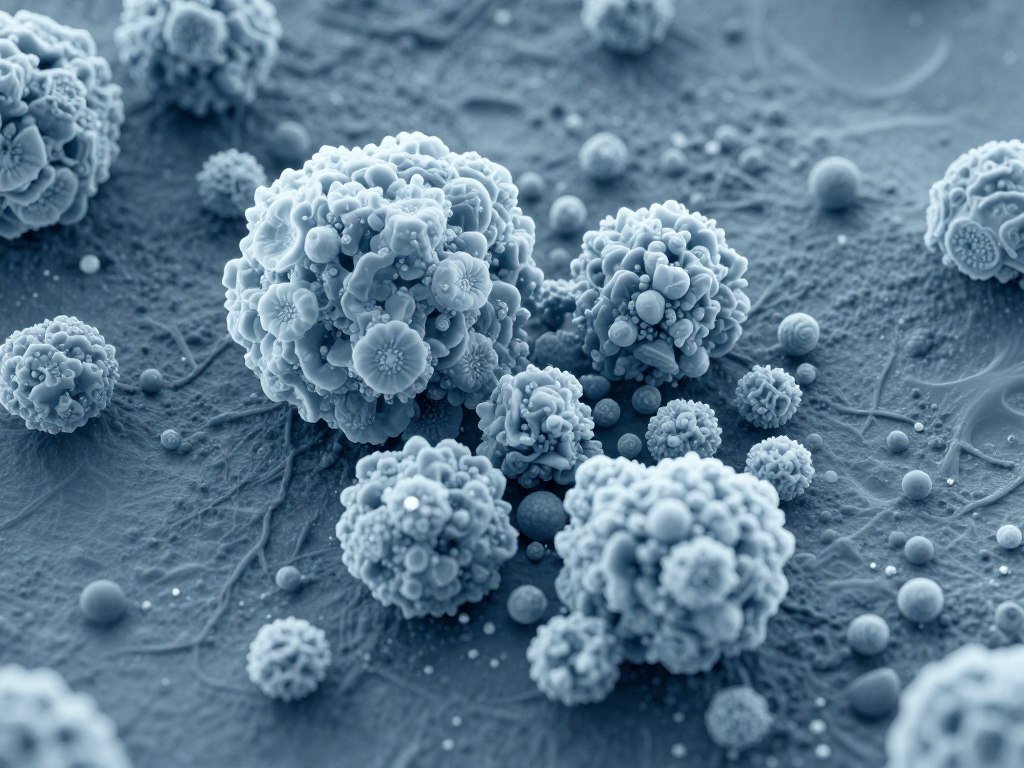
The hydration process forms the chemical foundation of brick strength. When cement particles mix with water, calcium silicate hydrate crystals form throughout the mixture. These microscopic structures create the rigid matrix that gives bricks their load-bearing capacity. This reaction requires specific moisture and temperature conditions to proceed optimally.
Temperature significantly affects hydration rates. South African summer temperatures often exceed 35°C in provinces like Limpopo and Northern Cape. High heat accelerates surface drying while internal hydration remains incomplete. This mismatch creates internal stresses that manifest as surface cracks within 24-48 hours after molding.
Critical Factors Affecting Concrete Strength Development
Moisture availability determines hydration completion. Research from cement manufacturers indicates that concrete reaching only 80% of intended hydration achieves merely 65% of potential compressive strength. The curing period provides the time needed for full chemical reactions.
Environmental conditions create variable challenges. Coastal regions like Durban experience high humidity that aids natural curing. Interior regions face dry conditions that accelerate moisture loss. Wind speed, direct sunlight exposure, and ambient temperature all influence the curing concrete requirements at your specific location.
Hydration Timeline and Strength Gain
Understanding when strength develops helps optimize curing duration and resource allocation. The timeline below represents standard conditions at 20-25°C ambient temperature.
- First 24 hours: 20-30% of final strength achieved, highest moisture sensitivity
- Days 2-3: Rapid strength gain period, 40-50% total strength reached
- Days 4-7: Critical curing window, 60-75% strength development
- Days 8-28: Continued hardening, full design strength at 28 days
- Beyond 28 days: Marginal strength increases continue for months
Why Proper Curing Matters for Brick Manufacturers
Production rejection rates directly correlate with curing practices. Factories implementing systematic curing report rejection rates below 3%, while those with ad-hoc approaches see 12-18% rejections. These rejected units represent wasted raw materials, energy, labor, and production capacity.
Durability extends beyond initial strength testing. Properly cured bricks resist weathering, sulfate attack, and freeze-thaw cycles better than under-cured units. South African building standards require specific durability characteristics that only adequate curing can achieve.
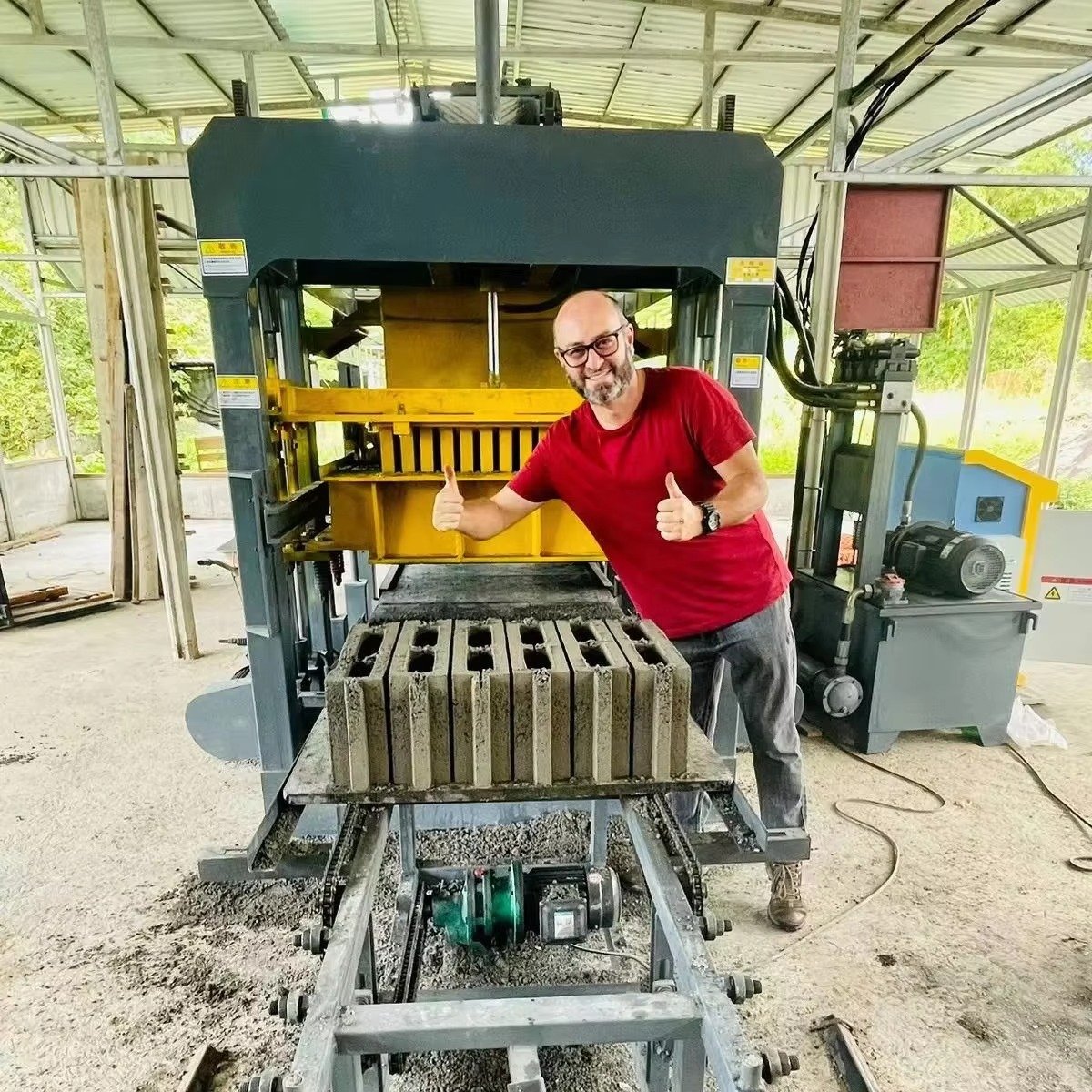
Modern brick making machine designs incorporate curing considerations into production layout. The Qt4-26 semi-automatic model from MAIKONG, for instance, includes pallet systems designed for efficient water application during the curing phase.
Water Curing Methods for Curing Cement Brick Production
Water curing maintains surface moisture through direct application. This approach provides the most reliable hydration environment when implemented correctly. Three primary techniques suit different production scales and facility layouts.
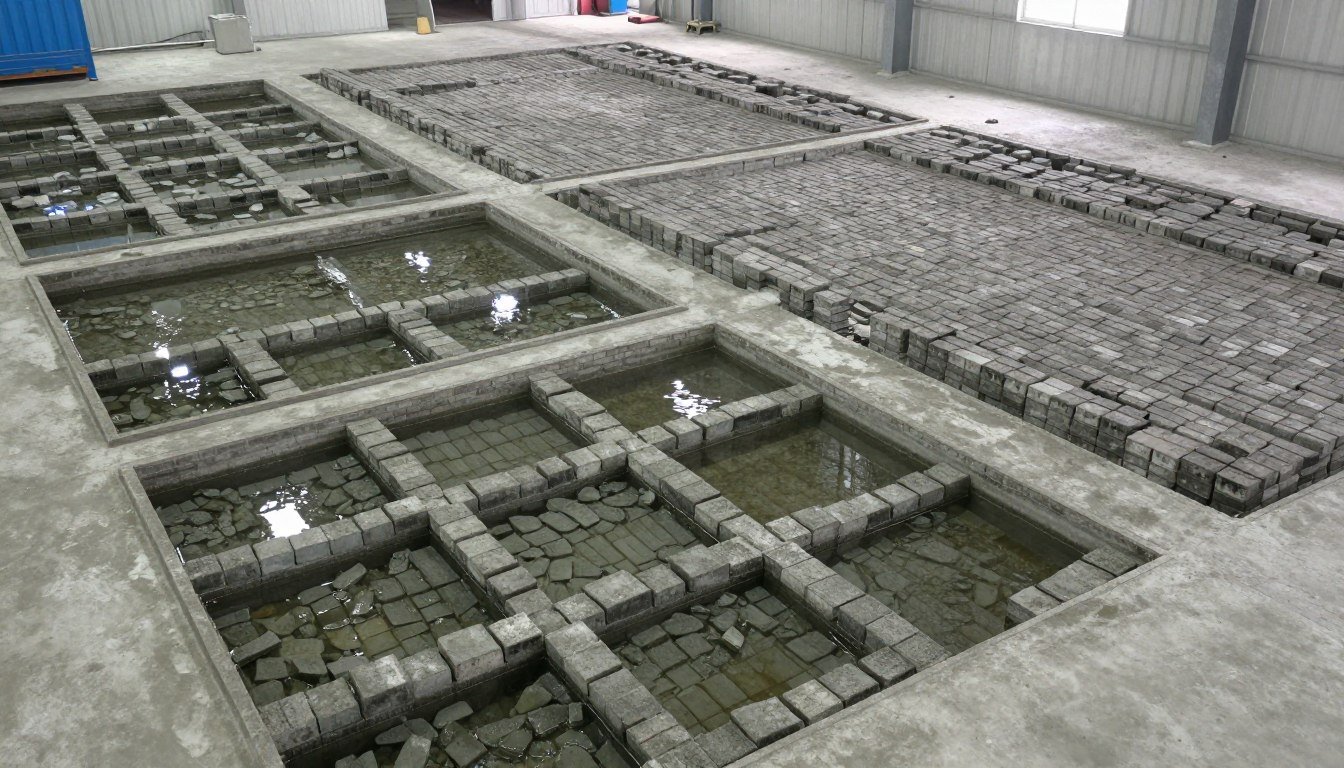
Ponding and Immersion Techniques
Ponding involves creating shallow pools around brick stacks. Water depth typically ranges from 25-50mm, completely covering the brick surfaces. This method provides uniform moisture distribution and maintains consistent temperature through evaporative cooling.
Implementation requires level curing areas with water containment borders. Factories using this approach typically dedicate 30-40% of floor space to curing zones. The water must be changed every 3-4 days to prevent algae growth and maintain pH neutrality.
Immersion works well for smaller production volumes. Bricks sit in water tanks or pools for the full curing time. This approach guarantees moisture availability but requires significant water volume and handling equipment to move bricks in and out of immersion areas.
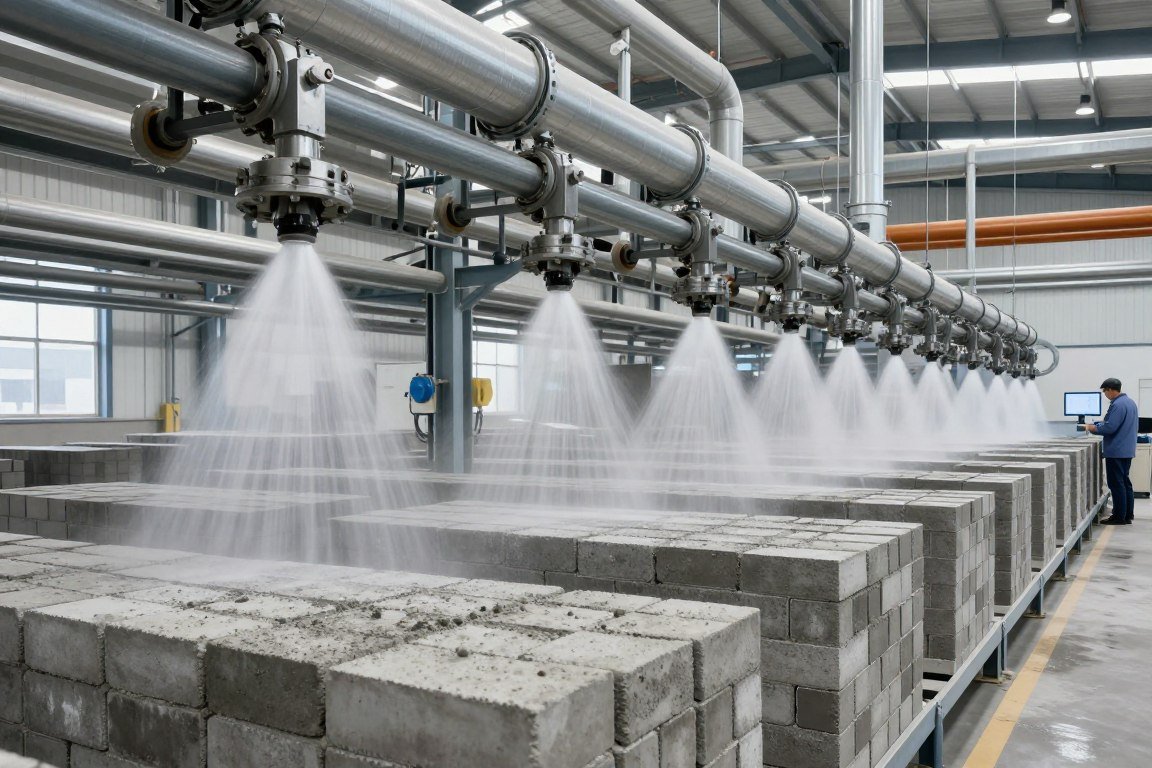
Sprinkling and Spray Systems
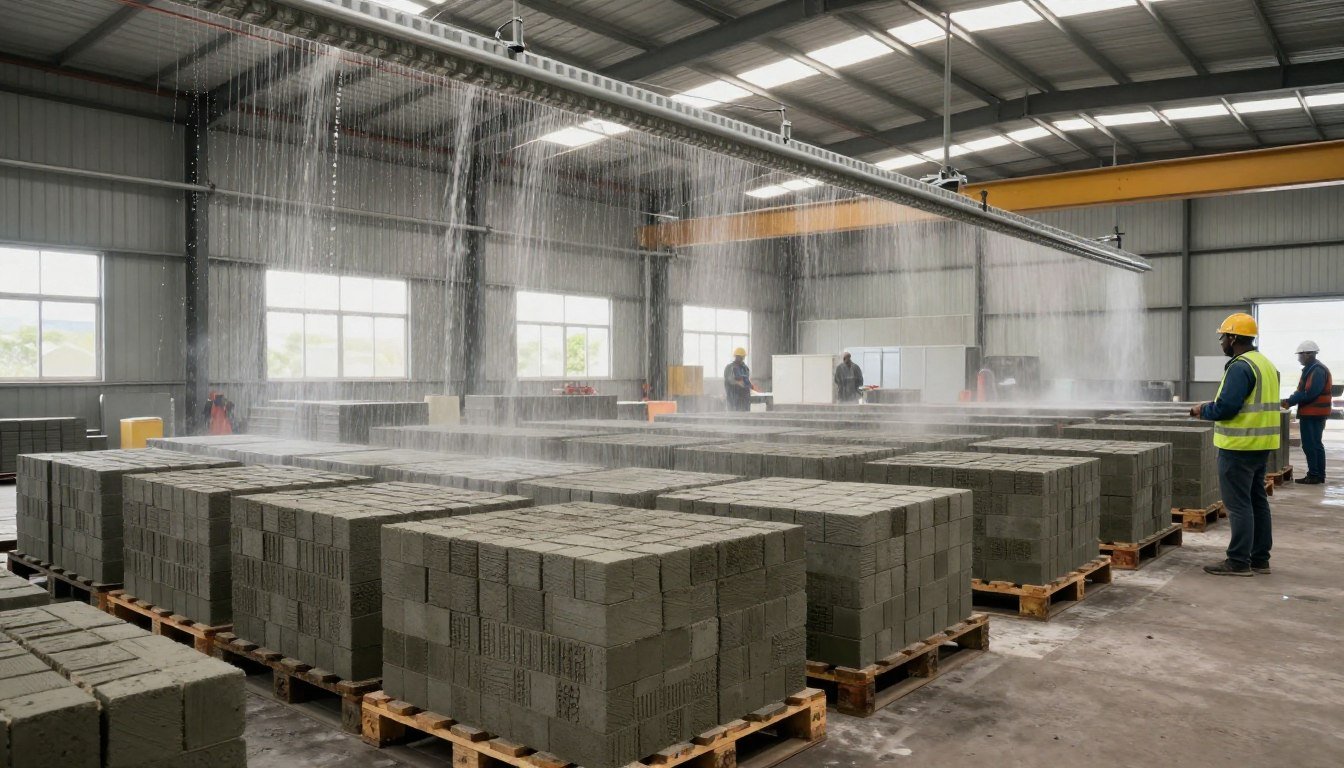
Sprinkling applies water periodically through overhead or side-mounted spray nozzles. Frequency depends on ambient conditions, ranging from every 2 hours in hot, dry weather to 4-6 hour intervals in moderate climates. Automated systems controlled by timers or moisture sensors optimize water usage.
Spray coverage must reach all exposed surfaces uniformly. Uneven application creates strength variations within the same production batch. Nozzle selection affects droplet size and coverage pattern. Fine mists prevent surface erosion on fresh bricks, while established units tolerate coarser sprays.
| Water Curing Method | Water Consumption (L/brick) | Labor Hours (per 1000 bricks) | Equipment Cost (ZAR) | Best Application |
| Ponding | 8-12 | 2-3 | 15,000-35,000 | Large production volumes, level factory floors |
| Immersion Tanks | 6-9 | 4-6 | 25,000-60,000 | Specialty bricks, small batches, quality-critical production |
| Automated Sprinklers | 4-7 | 0.5-1 | 45,000-120,000 | Medium to large factories, consistent daily production |
| Manual Spraying | 5-10 | 6-8 | 3,000-8,000 | Small operations, startup factories, irregular production |
Water Quality and Supply Considerations
Water chemistry affects the curing process. High salinity accelerates corrosion of any embedded reinforcement and can leave white efflorescence stains on brick surfaces. Total dissolved solids should remain below 2000 ppm for optimal results.
Municipal water supply reliability varies across South African municipalities. Factories dependent on municipal sources need backup water storage equal to 3-5 days of curing requirements. Borehole water often contains minerals requiring filtration before use in curing applications.
Water recycling systems reduce consumption by 40-60%. Ponding water can be filtered and reused multiple times before disposal. Initial investment in recycling infrastructure typically shows return within 18-24 months for factories producing over 5000 bricks daily.
Covering Methods for Moisture Retention in Curing Cement Brick
Covering techniques prevent moisture loss rather than adding water. These approaches suit water-scarce regions and reduce labor requirements compared to active watering systems. Effectiveness depends on material selection and application timing.
Plastic Sheeting and Vapor Barriers
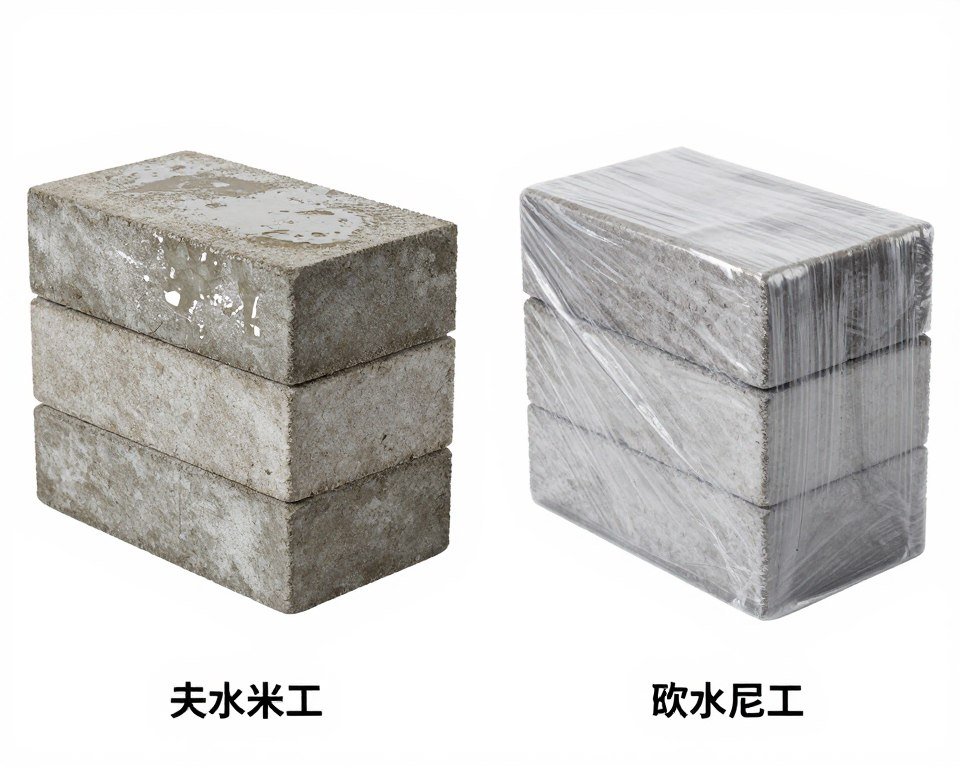
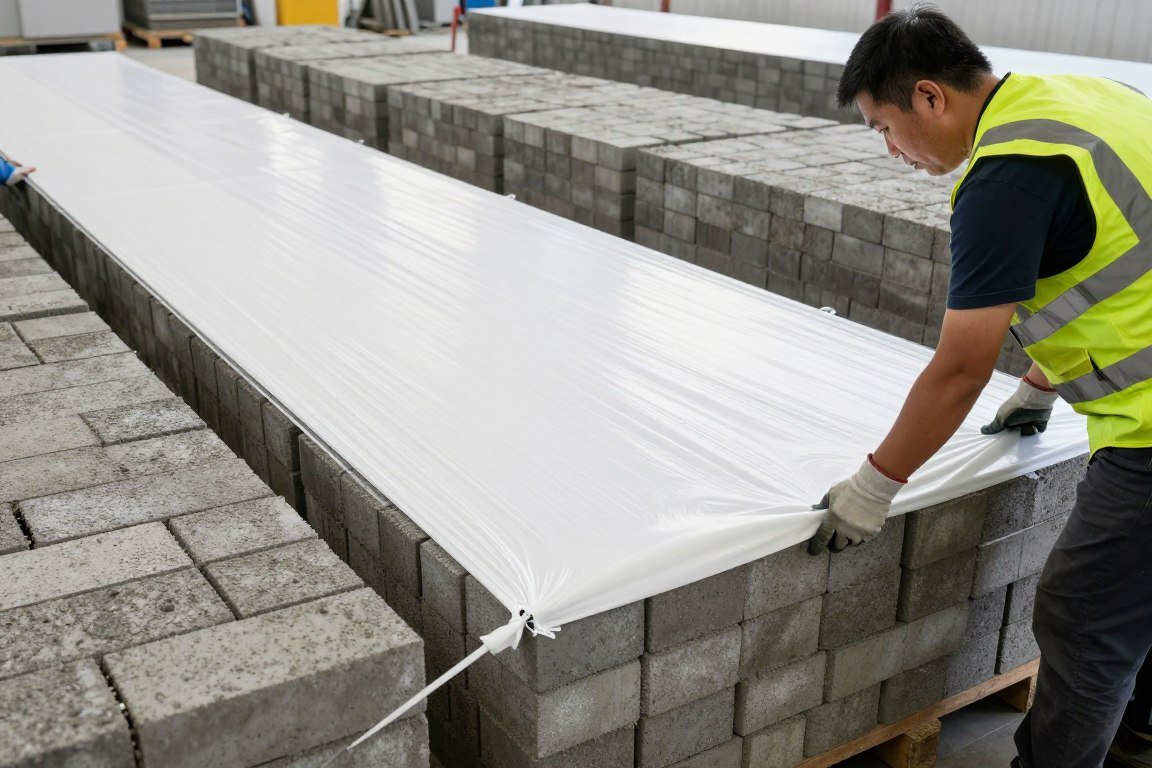
Polyethylene sheets create impermeable barriers over brick stacks. Thickness ranges from 0.15mm to 0.25mm, with thicker materials providing better durability and reusability. The sheeting must seal completely at ground level to prevent moisture escape through edges.
Application timing proves critical. Covering too early, before initial set, can damage the concrete surface. Waiting 4-6 hours after molding allows sufficient surface hardening. The plastic remains in place for the full 7-day curing period, removed only for quality inspections.
White or reflective sheeting performs better than clear plastic in high-temperature conditions. Clear plastic can create greenhouse effects that raise internal temperatures above optimal curing ranges. Temperature increases above 40°C can actually slow hydration despite moisture availability.
Advantages of Plastic Sheeting
- Minimal water consumption after initial mixing
- Low labor requirements once installed
- Reusable materials reduce ongoing costs
- Works well in water-scarce regions
- Maintains consistent moisture without monitoring
- Protects from rain damage during curing
Limitations of Plastic Covering
- Initial moisture content must be sufficient
- Difficult to apply to complex shapes
- Wind can displace sheeting without proper anchoring
- Heat buildup in direct sunlight
- Requires storage space for materials
- Disposal or recycling considerations
Wet Covering Materials
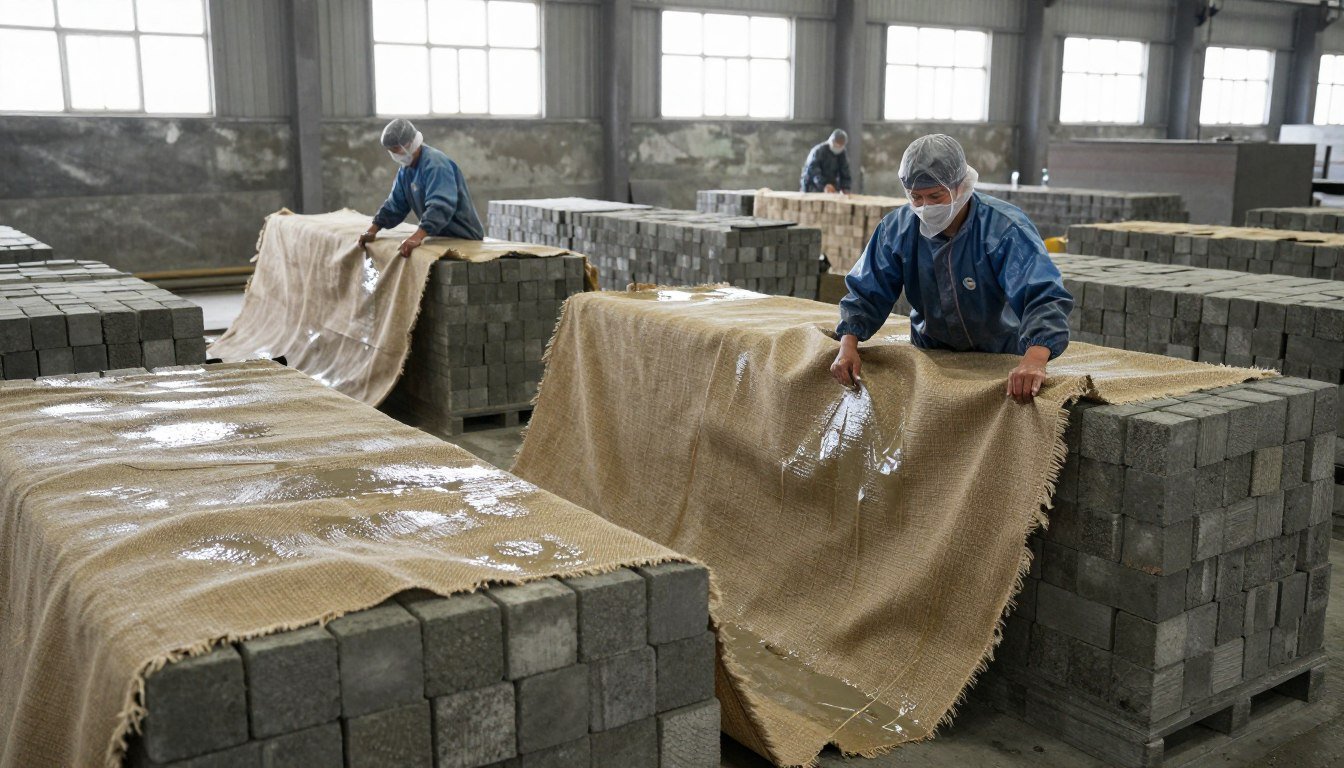
Burlap, hessian, or cotton fabrics provide moisture retention when kept wet. These materials allow some air circulation while maintaining high humidity around the concrete surfaces. The fabric requires regular wetting, typically 2-3 times daily in moderate conditions.
Application involves draping wet fabric over brick stacks and keeping it saturated. This method combines aspects of both water curing and covering approaches. Water consumption falls between full ponding and plastic sheeting methods.
Fabric deteriorates faster than plastic, requiring replacement every 2-3 months with heavy use. However, natural materials avoid the environmental disposal concerns associated with plastic sheeting. Used fabrics can be composted or repurposed.
Curing Compounds and Chemical Membranes
Curing compounds form thin films on concrete surfaces that slow moisture evaporation. These liquid applications get sprayed or brushed onto bricks 2-4 hours after molding. The membrane remains effective for 7-14 days, after which it degrades through weathering.
Compound types include wax-based, resin-based, and acrylic formulations. Selection depends on final brick use. Some compounds interfere with paint adhesion or plaster bonding, making them unsuitable for face bricks requiring surface treatments.
Application requires proper coverage rates, typically 200-300ml per square meter. Under-application creates incomplete membranes with reduced effectiveness. Quality control involves checking coverage uniformity and film formation across all treated surfaces.
Optimize Your Brick Curing Process with MAIKONG Equipment
Our Qt4-26 semi-automatic brick making machine produces 2000-3000 bricks daily with pallet systems designed for efficient curing. The four-column design and vibration box technology create consistent density, while the automatic push-pull system streamlines the transition to curing areas. Suitable for small to medium factories across South Africa, this equipment integrates seamlessly with both water and covering curing methods.
Comparative Analysis: Water vs. Covering Methods for South African Conditions
Direct comparison reveals that no single method suits all production scenarios. Factory location, production volume, water availability, and target market all influence the optimal choice. This analysis examines key decision factors specific to South African manufacturing.
Cost Analysis Across Production Scales
Initial capital investment differs significantly between methods. Water systems require infrastructure for distribution, drainage, and potentially recycling. Covering methods need material inventory but minimal fixed infrastructure. The breakeven point varies by production volume.
For factories producing under 3000 bricks daily, plastic sheeting typically shows lower total cost over five years. Production volumes exceeding 8000 daily justify automated water systems through labor savings and quality consistency. Mid-range producers often combine methods, using water for critical production and covering for standard units.
| Cost Factor | Water Curing (Automated) | Plastic Sheeting | Wet Covering | Curing Compounds |
| Initial Setup (ZAR) | 65,000-120,000 | 8,000-18,000 | 5,000-12,000 | 15,000-25,000 |
| Monthly Operating Cost (per 10,000 bricks) | 1,200-2,400 | 450-800 | 1,800-3,200 | 2,800-4,500 |
| Labor Hours Required | Minimal (monitoring only) | 2-4 hours daily | 4-6 hours daily | 1-2 hours daily |
| Water Consumption (L/brick) | 4-7 | 0.2-0.5 | 2-4 | 0 |
| Material Replacement Frequency | Annual maintenance | Every 8-12 months | Every 2-3 months | Continuous replenishment |
Performance Comparison: Compressive Strength Results
Testing data from South African brick manufacturers shows measurable differences between curing methods. The table below presents 28-day compressive strength results as percentages of design strength, based on samples from factories using identical raw materials and concrete block making machine equipment.
| Curing Method | Strength Achievement (%) | Variation Within Batch | Rejection Rate (%) | Durability Rating |
| Continuous Water Ponding | 98-102 | ±2.5% | 1.5-2.8 | Excellent |
| Automated Sprinklers | 95-100 | ±3.8% | 2.5-4.2 | Very Good |
| Plastic Sheeting (Proper Application) | 92-97 | ±4.5% | 3.5-5.8 | Good |
| Wet Covering Materials | 90-96 | ±5.2% | 4.2-6.5 | Good |
| Curing Compounds | 88-94 | ±6.0% | 5.5-8.2 | Moderate |
| Minimal Curing (Control) | 65-75 | ±12% | 15-22 | Poor |
These results demonstrate that water-based methods consistently deliver higher strength achievement and lower rejection rates. However, the performance gap narrows when covering methods receive proper implementation. The key differentiator involves consistent application and monitoring.
Regional Suitability Across South Africa
Climate zones across South Africa create different curing challenges. Coastal regions with moderate temperatures and higher humidity favor any curing method. Interior highveld regions with low humidity and high evaporation rates demand more aggressive moisture retention.
Limpopo and North West provinces experience the most challenging conditions: high temperatures, low humidity, and inconsistent water supply. Factories in these regions increasingly adopt hybrid approaches, using minimal water application combined with effective covering to optimize limited water resources.
Western Cape factories deal with seasonal variation. Summer months require intensive curing due to hot, dry berg wind conditions. Winter months allow reduced curing intensity but introduce frost risk in inland areas. Flexible systems that adjust to seasonal conditions optimize resource use.
Gauteng/Highveld
Climate: Dry, moderate temperature, low humidity
Recommended: Automated sprinklers or plastic sheeting
Challenge: Water availability, evaporation rates
KwaZulu-Natal Coast
Climate: Humid subtropical, consistent rainfall
Recommended: Any method effective, covering most economical
Challenge: Excess moisture management
Western Cape
Climate: Mediterranean, seasonal extremes
Recommended: Flexible systems, water summer/cover winter
Challenge: Seasonal adaptation, wind exposure
Limpopo/Northern Regions
Climate: Hot, dry, intense sun
Recommended: Reflective covering with minimal water
Challenge: Water scarcity, heat management
Practical Implementation Guide for Curing Cement Brick Systems
Successful curing requires more than selecting a method. Implementation details determine whether theoretical advantages translate to production improvements. This section provides step-by-step guidance for setting up effective curing systems.
Water Curing System Setup
Begin by designating appropriate curing space. Calculate area requirements based on production volume and curing time. A factory producing 5000 bricks daily with 7-day curing needs space for approximately 35,000 bricks simultaneously. Add 20% buffer capacity for production fluctuations.
Floor preparation ensures proper drainage and water containment. Sloped floors at 1:100 gradient direct water toward collection drains. Waterproof coatings prevent groundwater contamination and facilitate water recycling. Border walls 100-150mm high contain ponding water effectively.
- Survey and level the designated curing area, ensuring adequate drainage slope
- Install waterproofing membrane or apply epoxy coating to floor surface
- Construct border walls or install removable barriers for ponding containment
- Install water supply lines with appropriate valve controls and pressure regulation
- Mount sprinkler heads or spray nozzles at optimal spacing (typically 2-3 meter centers)
- Connect to water storage tanks with minimum 3-day supply capacity
- Install timer controls or moisture sensors for automated operation
- Set up drainage collection system with filtration for water recycling
- Test system coverage uniformly across all curing positions
- Establish maintenance schedule for nozzle cleaning and system inspection
Covering Method Implementation
Plastic sheeting systems require organized material handling. Rolls of polyethylene should be pre-cut to standard lengths matching your typical brick stack dimensions. This preparation reduces application time and ensures consistent coverage.
Anchoring proves critical in South African wind conditions. Heavy objects placed on sheeting edges work for indoor curing areas. Outdoor locations need proper anchoring systems: sandbags, weighted bars, or ground stakes prevent wind displacement that breaks the moisture seal.
Quality Control During Curing Period
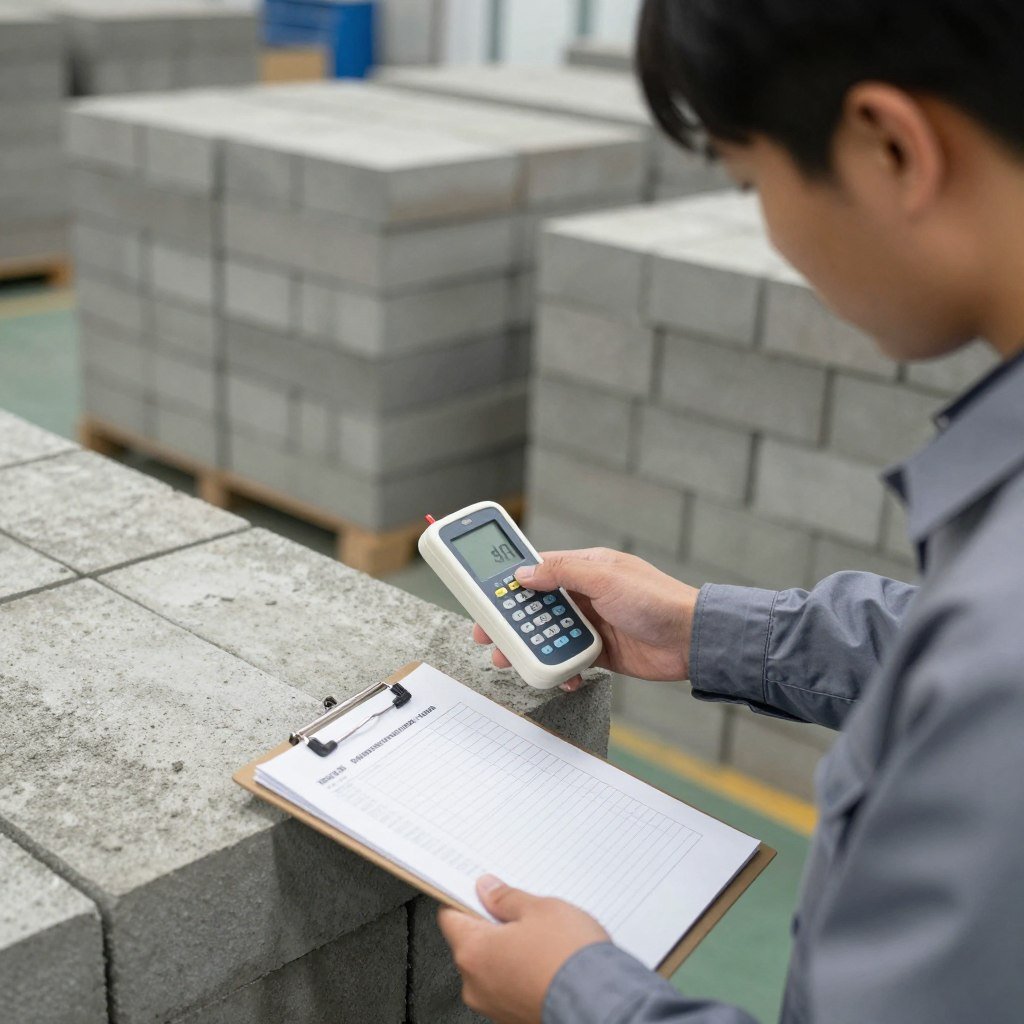
Regular monitoring identifies problems before they affect entire production batches. Daily inspections should check moisture levels, temperature conditions, and coverage integrity. Simple tools like moisture meters provide objective data beyond visual assessment.
Temperature monitoring becomes critical in extreme weather conditions. Infrared thermometers allow non-contact measurement of brick surface temperatures. Readings above 35°C indicate potential overheating under plastic covers or insufficient cooling in water systems.
Daily Quality Checks
- Visual inspection of moisture levels on brick surfaces
- Coverage integrity check for sheeting or fabric materials
- Water system operation verification (sprinklers, pumps, timers)
- Temperature measurement at multiple locations
- Documentation of ambient conditions (temperature, humidity, wind)
- Early crack detection on sample bricks
Integration with Production Equipment
Modern automatic brick making machine designs consider curing logistics. The pallet system used in molding should facilitate easy movement to curing areas. MAIKONG equipment uses standard 600-700 pallets that stack efficiently in both water and covering curing configurations.
Production flow optimization reduces handling steps. Ideal layouts position curing areas adjacent to molding zones, minimizing transport distance. Forklift access paths should allow easy pallet movement without disrupting ongoing curing batches.
The forming period of 25-30 seconds per brick in semi-automatic machines like the Qt4-26 creates predictable production rhythms. This consistency allows scheduling curing area preparation to match production output, ensuring smooth material flow.
Common Curing Problems and Solutions
Even well-designed curing systems encounter challenges. Understanding common problems and their solutions prevents production losses. Most issues trace to environmental factors or procedural inconsistencies.
Surface Cracking Issues
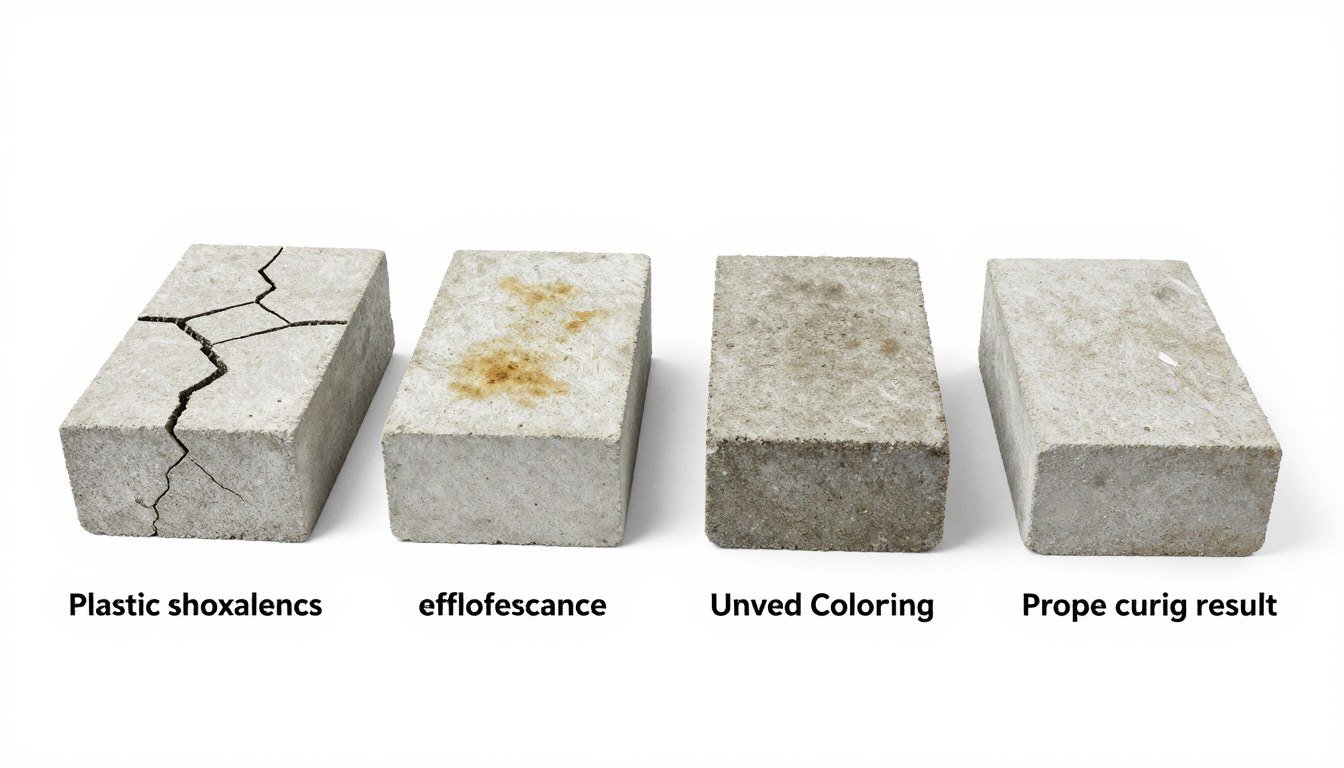
Plastic shrinkage cracks appear within the first 24 hours when surface drying outpaces internal bleeding. These fine, irregular cracks typically run 50-150mm in length and occur more frequently in hot, windy conditions. Prevention requires early moisture retention, often before the standard curing period begins.
Immediate covering after demolding helps for face bricks and specialty units. Standard bricks benefit from light water misting 2-3 hours after molding, before full curing protocols begin. This interim step maintains surface moisture during the most vulnerable period.
Effective Crack Prevention
- Apply light water mist 2-4 hours after molding
- Use reflective white plastic sheeting in hot weather
- Increase cement content in mix design
- Add fiber reinforcement to resist shrinkage stresses
- Reduce wind exposure in curing areas
- Monitor humidity levels and adjust accordingly
Ineffective Approaches
- Waiting for visible surface drying before starting curing
- Applying heavy water spray to fresh bricks
- Relying solely on ambient humidity
- Inconsistent curing application between batches
- Using damaged or inadequate covering materials
- Ignoring temperature effects on evaporation
Strength Variation Problems
Inconsistent strength within production batches often indicates uneven curing. Water systems may have dead zones where spray coverage proves inadequate. Covering methods can leave edge bricks exposed to air circulation while center units remain properly sealed.
Testing protocols should sample from different stack positions: edges, centers, tops, and bottoms. Consistent strength across positions confirms uniform curing. Variations exceeding 8-10% signal system problems requiring immediate attention.
Discoloration and Surface Defects
White efflorescence stains result from soluble salts migrating to the surface during curing. Water quality contributes significantly to this problem. High-salinity water leaves mineral deposits as evaporation occurs. Switching to lower-mineral water or implementing water treatment resolves most cases.
Uneven coloring often traces to inconsistent moisture exposure. Bricks receiving excessive water appear darker than properly cured units. This aesthetic defect particularly affects face bricks where appearance matters. Automated spray systems provide better color consistency than manual applications.
Optimizing Curing Costs for South African Manufacturers
Cost efficiency determines profitability in competitive brick markets. Curing represents 8-15% of total production costs depending on the method selected. Strategic optimization reduces this expense without compromising quality.
Water Conservation Strategies
Recycling reduces fresh water consumption by 50-70%. Simple filtration removes sediment from ponding water, allowing reuse for subsequent batches. Initial investment in filtration equipment and storage tanks typically shows return within 18-24 months for medium-scale producers.
Rainwater harvesting supplements municipal supply. South African rainfall patterns vary regionally, but most areas receive sufficient annual precipitation to contribute meaningfully to curing requirements. Roof catchment from factory buildings provides collection area without additional land use.
Water Recycling System Components
- Settlement tanks for sediment removal (24-48 hour retention)
- Sand filters for particulate removal (50-100 micron filtration)
- Storage capacity equal to 5-7 days curing requirement
- Pump system for recirculation and distribution
- Water quality testing kit for pH and TDS monitoring
- Overflow management and fresh water makeup system
Typical Water Savings Calculation
Factory producing 8000 bricks daily using automated sprinklers:
- Fresh water consumption without recycling: 48,000 L/day
- With 60% recycling efficiency: 19,200 L/day fresh water needed
- Monthly savings: 864,000 liters
- Annual cost reduction (at ZAR 25/kL): ZAR 259,200
- System investment: ZAR 280,000-450,000
- Payback period: 13-21 months
Labor Optimization Through Automation
Manual curing consumes 4-8 labor hours per 1000 bricks produced. This represents significant ongoing expense. Automated systems reduce labor to monitoring and maintenance functions, typically under 1 hour per 1000 bricks.
The transition from manual to automated systems suits factories exceeding 5000 daily production. Smaller operations may find semi-automated approaches more economical: manual setup with automated execution through timers and simple controls.
Equipment from manufacturers like MAIKONG integrates automation at various levels. The cement block making machine Qt4-26 model includes programmable controls that can coordinate with curing system timers, creating integrated production flow with minimal manual intervention.
Material Selection for Covering Methods
Plastic sheeting costs vary dramatically by quality and source. Imported UV-resistant polyethylene lasts 12-18 months compared to 6-8 months for economy grades. The price difference of 40-60% provides return through extended service life and reduced replacement frequency.
Bulk purchasing reduces per-unit costs significantly. Joining buying cooperatives with other manufacturers or purchasing annual requirements in single transactions achieves 20-30% savings compared to opportunistic buying.
| Covering Material | Initial Cost (ZAR/m²) | Lifespan (months) | Cost per Month (ZAR/m²) | Reusability |
| Economy Polyethylene (0.15mm) | 12-18 | 6-8 | 1.50-3.00 | Limited |
| UV-Resistant Polyethylene (0.20mm) | 22-32 | 12-18 | 1.22-2.67 | Good |
| Reinforced Tarpaulin | 45-70 | 24-36 | 1.25-2.92 | Excellent |
| Burlap/Hessian Fabric | 15-25 | 2-3 | 5.00-12.50 | Poor |
| Woven Polypropylene | 18-28 | 8-12 | 1.50-3.50 | Moderate |
Advanced Curing Techniques for Specialty Applications
Standard curing methods suit most production, but specialty bricks sometimes require enhanced approaches. High-strength units, face bricks with appearance requirements, or products for extreme service conditions benefit from advanced techniques.
Steam Curing for Accelerated Strength
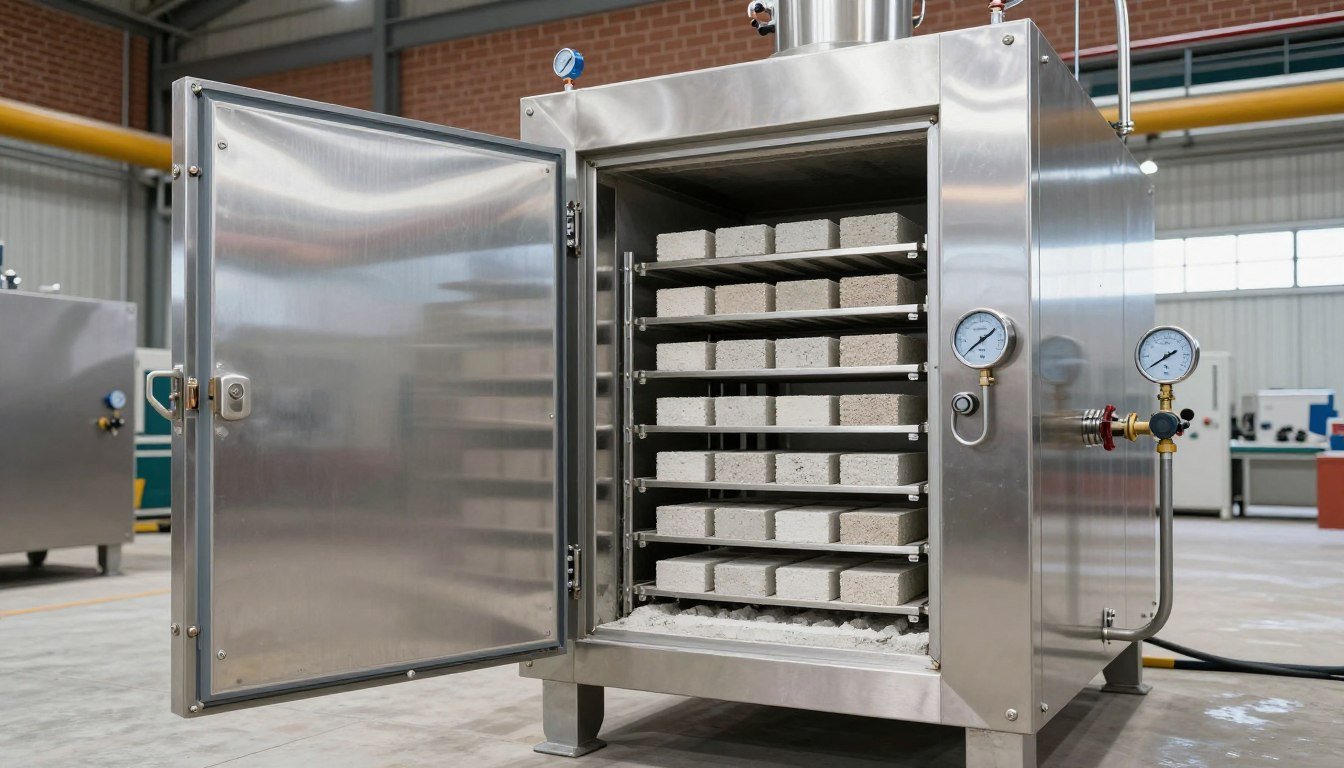
Steam curing applies heat and moisture simultaneously, accelerating the hydration process. This technique achieves 7-day strength in 24-48 hours, enabling faster inventory turnover. Capital investment ranges from ZAR 350,000 to 1,200,000 depending on chamber size and automation level.
The process involves placing fresh bricks in sealed chambers where steam raises temperatures to 60-80°C. This elevated temperature dramatically increases hydration rates. After steam treatment, bricks still require normal curing to achieve full 28-day strength, but can be handled and shipped much earlier.
Economic justification requires high production volumes or premium pricing. Factories producing specialty face bricks or serving fast-turnaround markets benefit most. Standard brick production rarely justifies steam curing investment.
Compound Curing for Face Bricks
Face brick production demands consistent appearance. Curing compounds provide uniform moisture retention that prevents blotchy coloring common with water-based methods. Application requires quality control to ensure complete coverage without excessive buildup.
Spray application works better than brush methods for production efficiency. Low-pressure spray guns apply compounds uniformly at controlled rates. Coverage rates of 4-5 m² per liter prove typical for quality formulations.
Compound selection must consider downstream processing. If bricks will receive paint, plaster, or tile adhesive, water-based acrylic compounds avoid the bond interference caused by wax or petroleum-based products.
Hybrid Systems Combining Multiple Methods
Combining water and covering methods often provides superior results compared to either approach alone. Initial water application followed by plastic covering maintains optimal moisture while reducing total water consumption.
Implementation involves light spraying or ponding for the first 24-48 hours to ensure adequate initial moisture. Plastic sheeting then maintains this moisture for the remaining curing period. This hybrid approach shows particular effectiveness in hot, dry climates.
Cost analysis shows hybrid methods falling between pure water and pure covering approaches. Water consumption drops 60-70% compared to continuous water curing, while material costs remain moderate. Labor requirements vary based on automation level.
Integrating Curing with Modern Brick Making Machine Systems
Production efficiency requires coordinating molding and curing operations. Modern equipment facilitates this integration through standardized pallet systems and automated handling. Understanding equipment capabilities helps optimize overall production flow.
Pallet System Considerations
Standardized pallets enable smooth transition from molding to curing. The MAIKONG Qt4-26 system utilizes 600-700 standard pallets in continuous operation. These pallets move through molding, drying, curing, and storage phases without manual brick transfer until final packaging.
Pallet design affects curing efficiency. Open-grid pallets allow water circulation beneath bricks during ponding. Solid pallets work better for covering methods but limit water access. Some factories maintain separate pallet sets optimized for their primary curing method.
Pallet quantity calculations must account for the entire production cycle. A factory with 7-day curing needs pallets for simultaneous molding, initial drying (1 day), curing (7 days), and final drying (1-2 days). This totals 9-10 days of production cycling simultaneously.
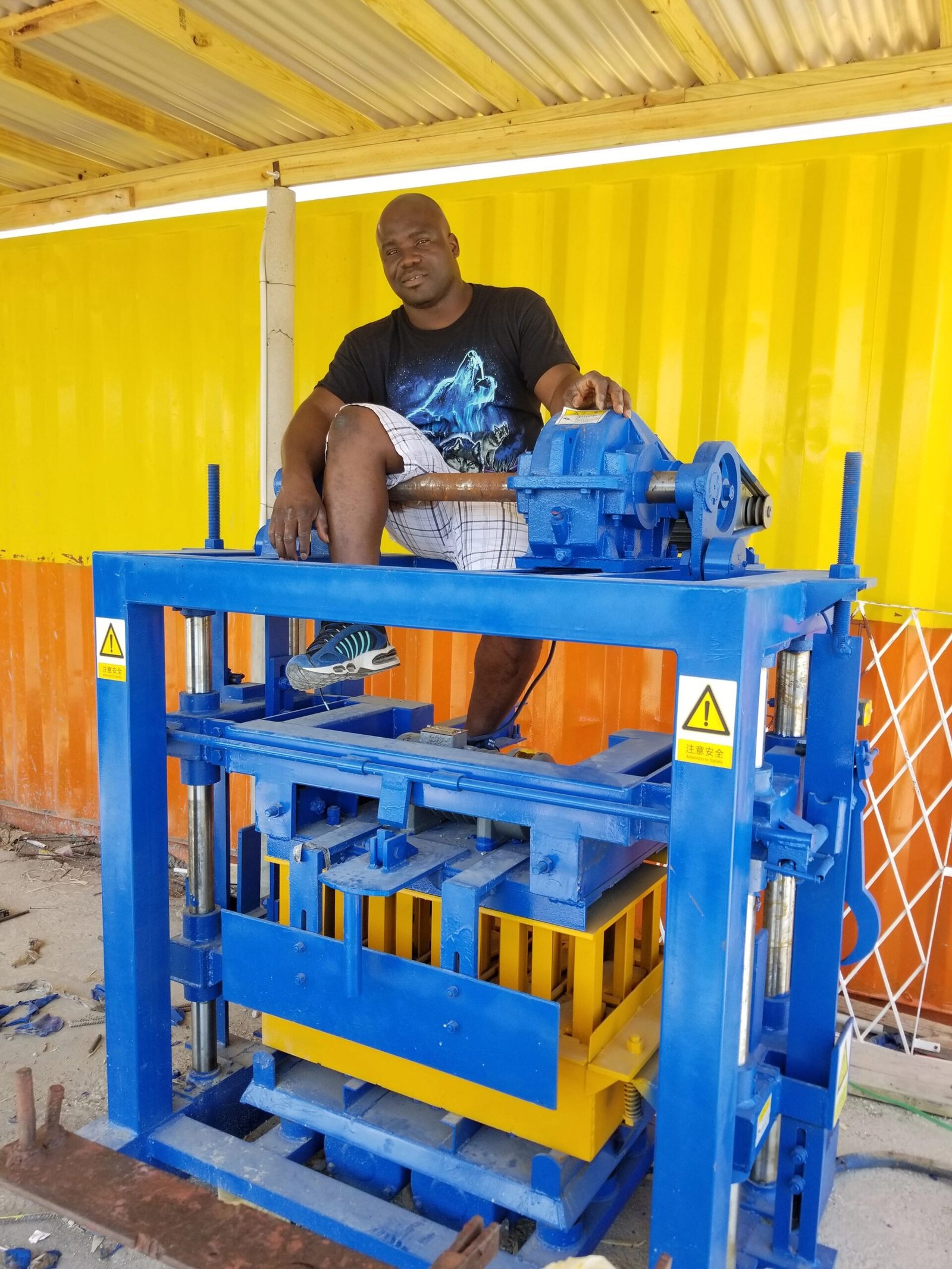
Manual Brick Making Machine
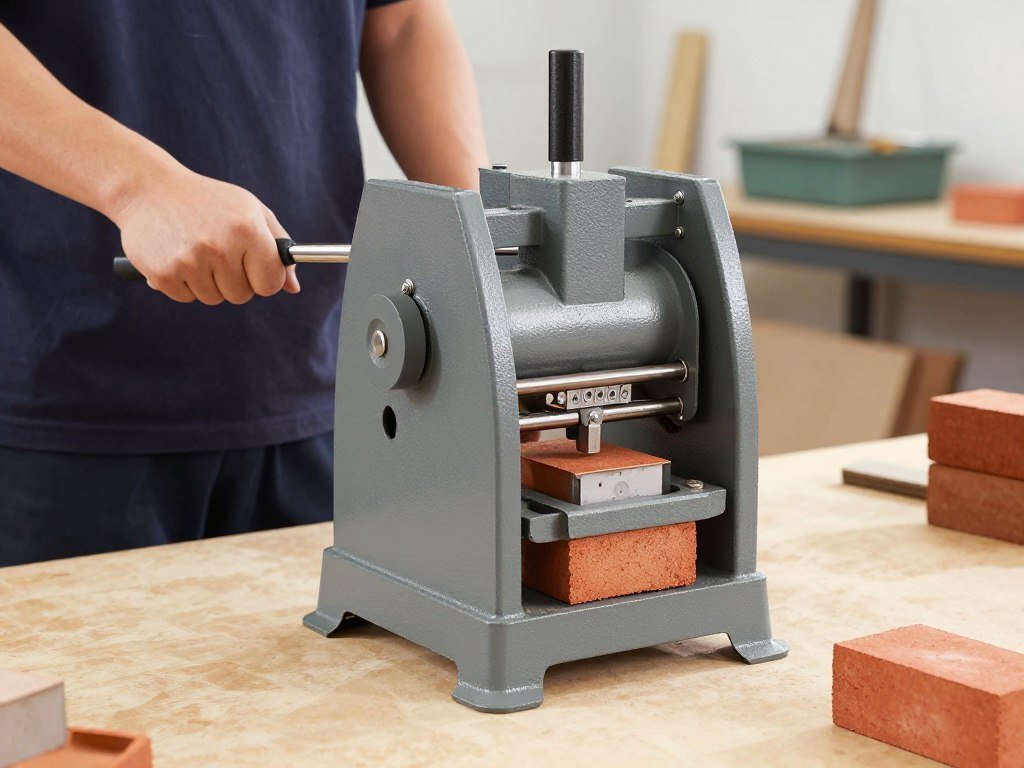
Entry-level production suitable for startups and small operations. Produces 500-800 bricks daily with 2-3 operators. Simple curing integration through basic pallet stacking.
- Daily capacity: 500-800 bricks
- Labor required: 2-3 operators
- Power: Manual operation (no electricity)
- Curing compatibility: All methods suitable
- Investment: ZAR 25,000-55,000
Semi-Automatic Systems (Qt4-26)
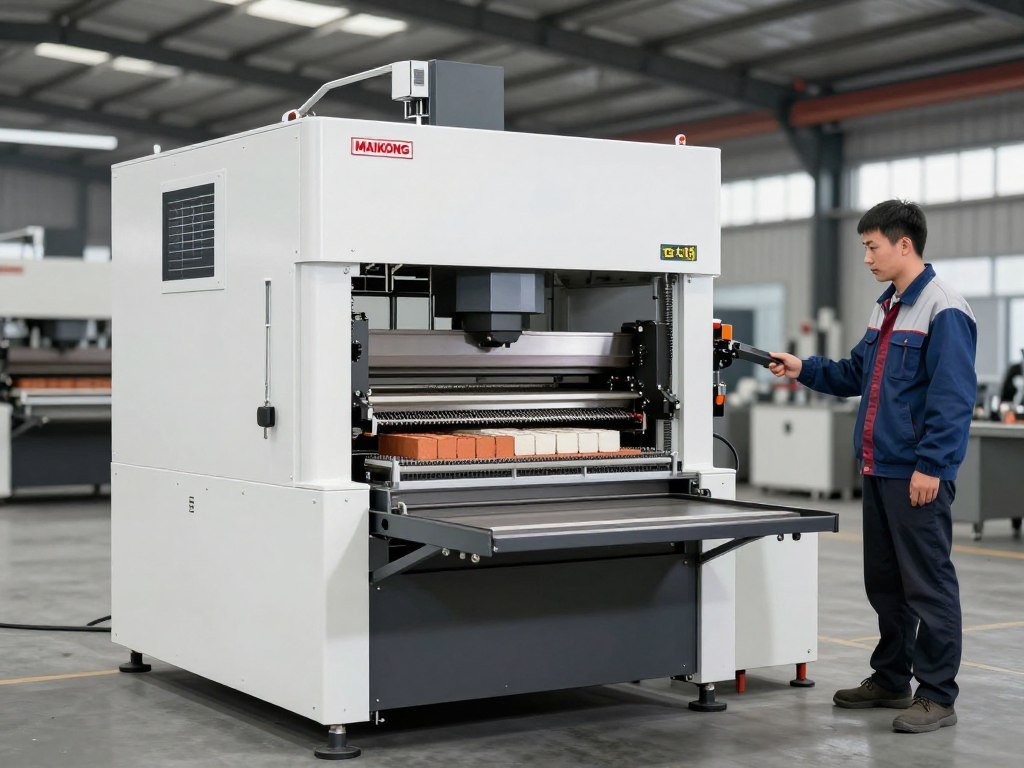
Balanced automation for medium-scale production. Four-column design with vibration box technology. Automatic material dropping and brick discharge systems optimize workflow.
- Daily capacity: 2000-3000 bricks
- Labor required: 2-3 operators
- Power: 12.35 KW total rated power
- Forming cycle: 25-30 seconds
- Pallet system: 600-700 standard pallets
- Investment: ZAR 180,000-320,000
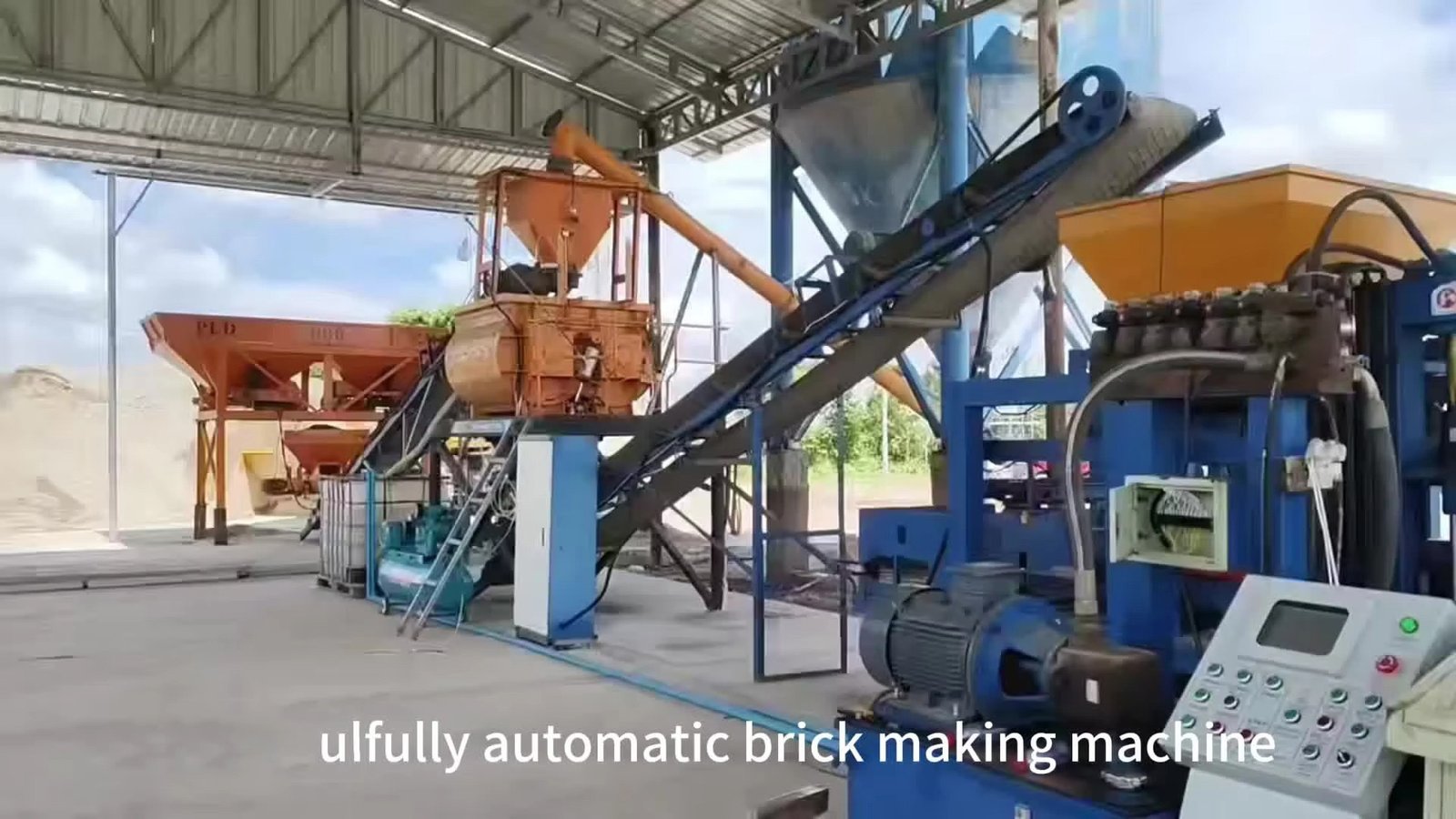
Fully Automatic Brick Production Line
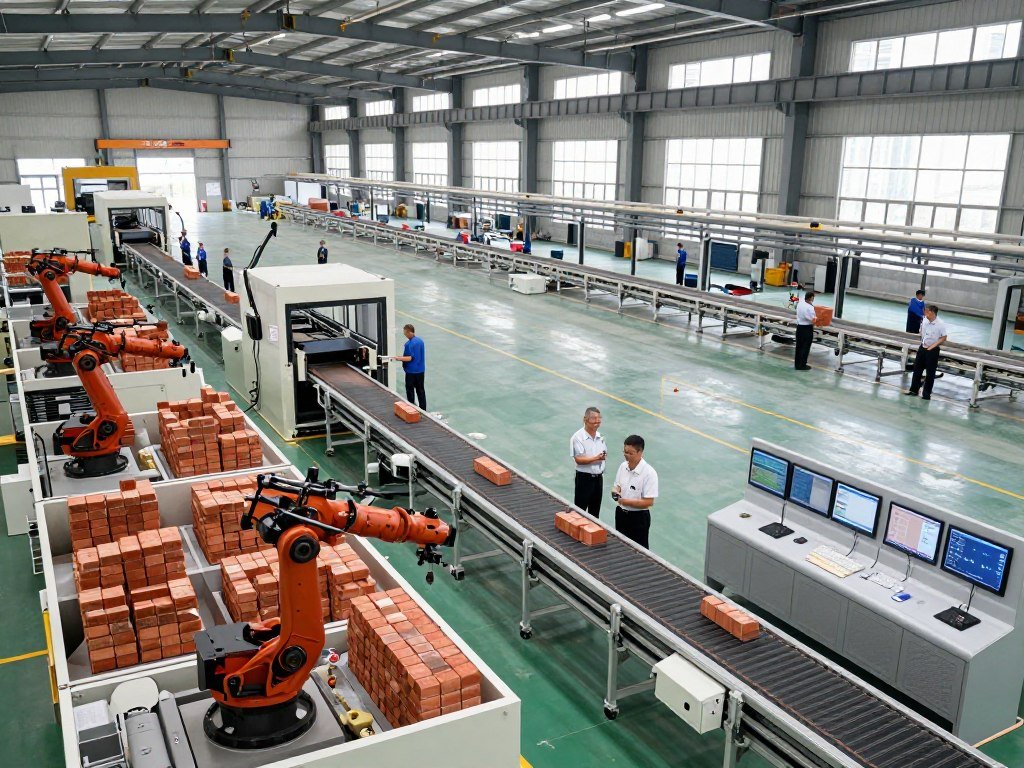
High-volume production with minimal manual intervention. Integrated systems from raw material batching through curing. Ideal for large factories serving major construction projects.
- Daily capacity: 10,000-25,000+ bricks
- Labor required: 5-8 operators (entire line)
- Integrated batching, molding, and curing systems
- Automated pallet circulation and brick stacking
- PLC control systems with production monitoring
- Investment: ZAR 1,200,000-4,500,000
Production Flow Optimization
Efficient layouts minimize material handling between production stages. The ideal sequence positions raw material storage, batching equipment, molding machines, initial drying areas, curing zones, and finished goods storage in logical progression.
Floor space allocation should dedicate approximately 35-40% to curing when using 7-day protocols. Factories with automated systems often reduce this through vertical stacking, using multi-tier racking systems to maximize space utilization.
Forklift traffic patterns affect productivity significantly. Single-direction flow prevents equipment conflicts and reduces cycle times. Wide aisles (minimum 3.5 meters) allow safe forklift operation without disrupting pedestrian movement or other activities.
MAIKONG Production Line Case Studies Across Global Markets
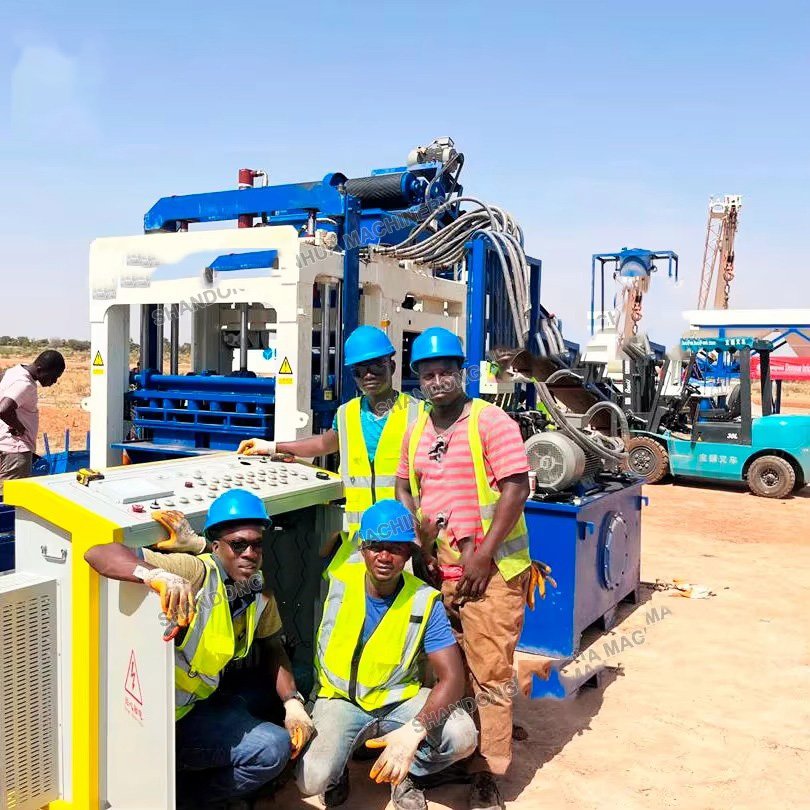
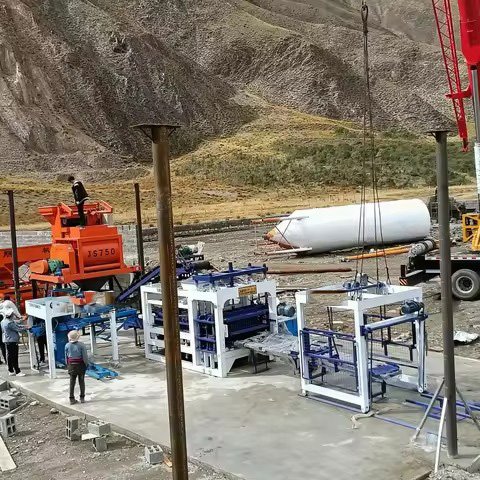
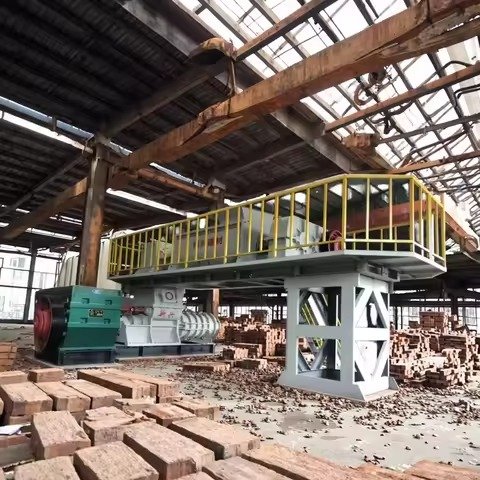
Real-world implementations demonstrate how different manufacturers adapt curing strategies to local conditions. These case studies represent actual MAIKONG installations across four continents, showcasing equipment performance and curing integration.
African Installation: Johannesburg, South Africa
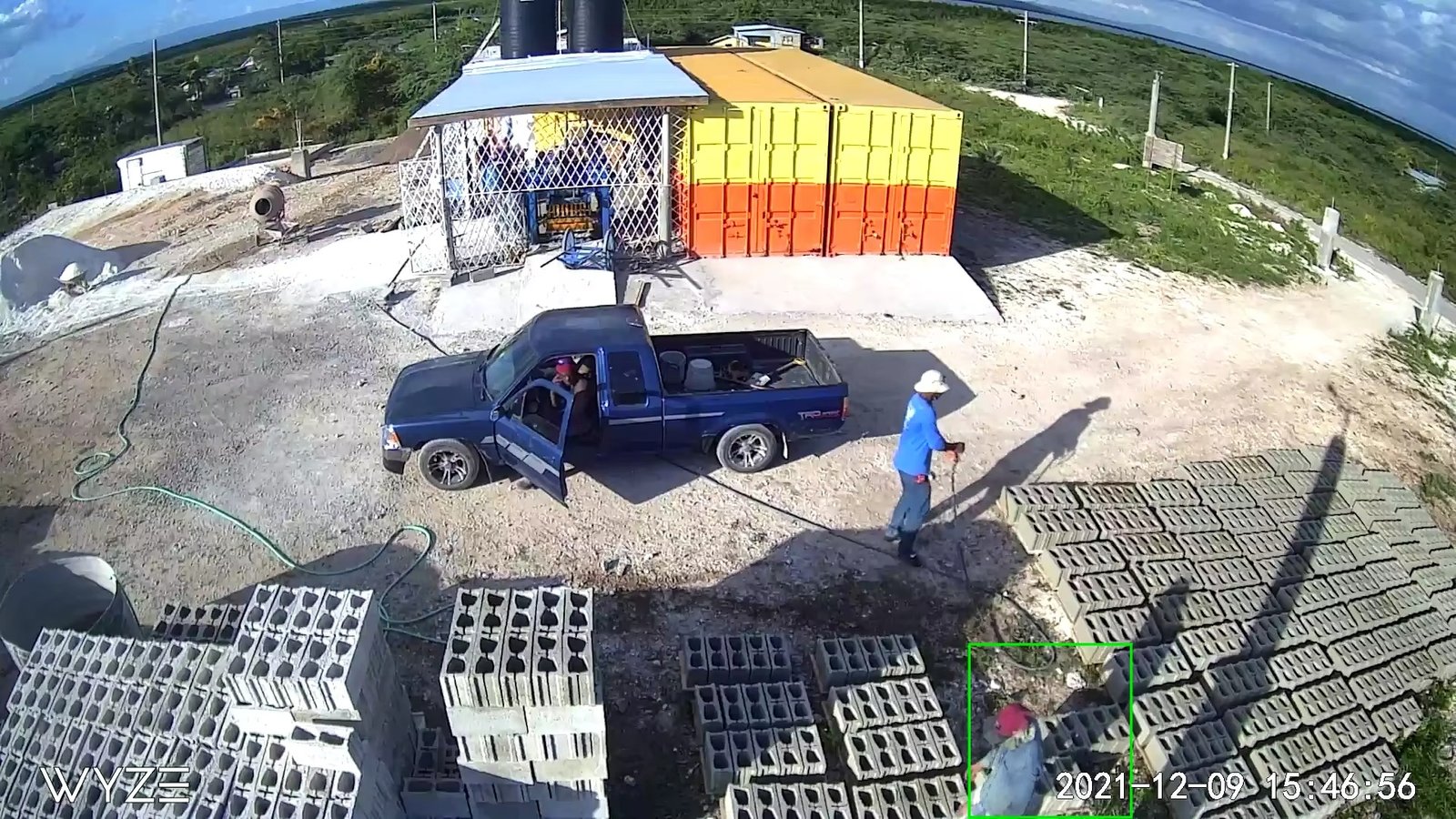
A medium-scale brick manufacturer in Gauteng province installed a Qt4-26 semi-automatic line in 2021. The factory produces approximately 2,500 bricks daily serving the local construction market and government housing projects.
Curing Challenge: Water scarcity and high evaporation rates during summer months. Municipal water supply limitations required conservation strategies.
Solution Implemented: Hybrid system combining minimal water spray (first 36 hours) with reflective white plastic covering (remaining 5.5 days). Water recycling system captures and reuses 70% of applied water.
Results: Rejection rates reduced from 11% to 3.2%. Water consumption decreased 65% compared to previous continuous sprinkler method. Labor costs fell by 45% through reduced manual watering requirements. Return on curing system investment achieved within 14 months.
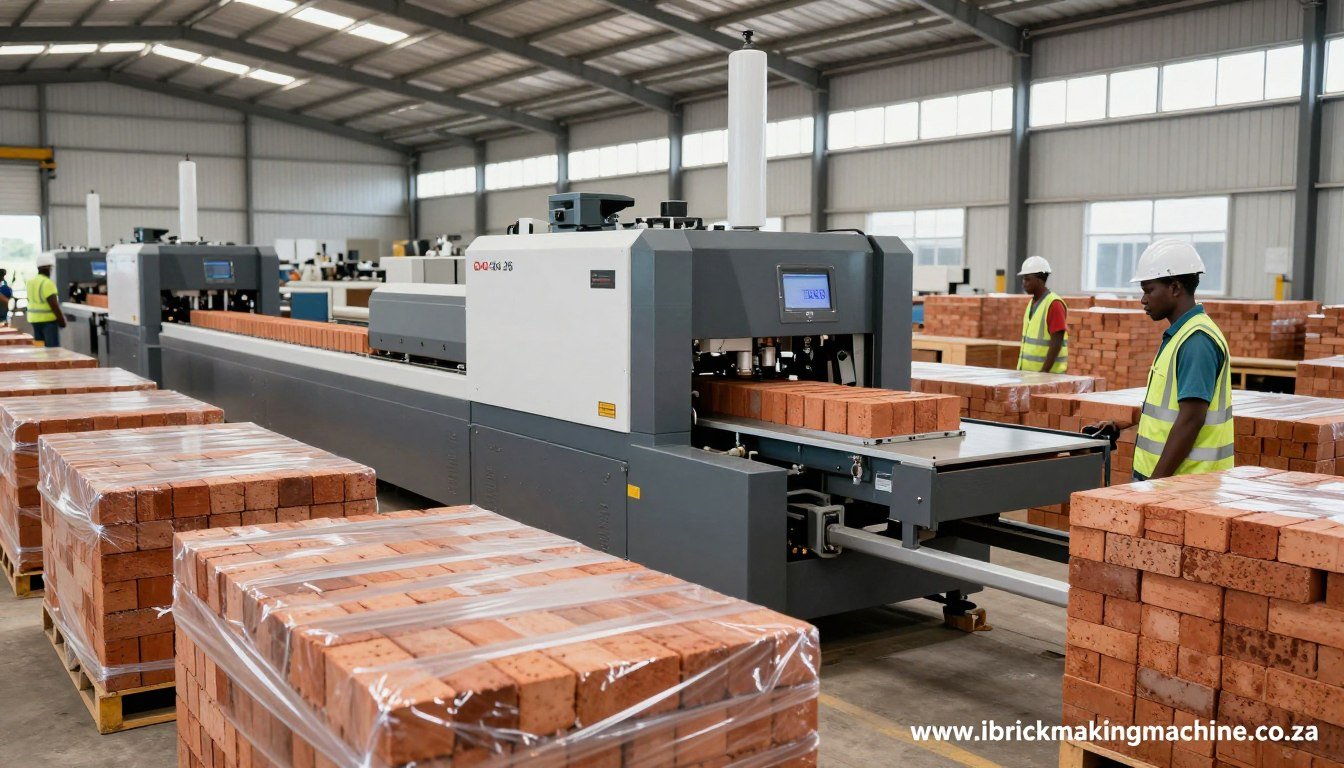
Asian Installation: Kerala, India
A fully automated production line installed in southern India produces 15,000 bricks daily for regional distributors and large construction projects. The humid coastal climate creates unique curing considerations.
Curing Challenge: Excessive moisture during monsoon season causing efflorescence and mold growth. Hot, humid conditions year-round requiring careful moisture management.
Solution Implemented: Covered curing areas with forced air circulation. Minimal water application (compound-based membrane) prevents moisture excess while ensuring adequate hydration.
Results: Consistent strength achievement across seasonal variation. Elimination of efflorescence problems that plagued previous production. Year-round quality consistency enables premium pricing in competitive market.
European Installation: Andalusia, Spain
A specialty face brick manufacturer in southern Spain produces architectural units for restoration and high-end construction. Production volume averages 1,800 bricks daily with emphasis on appearance quality.
Curing Challenge: Mediterranean climate with hot, dry summers and mild winters. Face brick appearance requirements demand uniform curing without discoloration.
Solution Implemented: Climate-controlled curing chamber with humidity and temperature regulation. Acrylic-based curing compound application for consistent moisture retention and color development.
Results: Premium product quality commands 40% price premium over standard bricks. Rejection rate below 2% due to appearance defects. Consistent year-round production without seasonal quality variation.
American Installation: Texas, United States
A large-scale operation in the southwestern United States produces concrete blocks and pavers alongside traditional bricks. Daily production exceeds 20,000 units across multiple product lines.
Curing Challenge: Extreme temperature swings (0-40°C seasonal range), low humidity, intense solar radiation. Large production volume requiring efficient space utilization.
Solution Implemented: Automated sprinkler system with weather-responsive controls. Multi-tier curing racks maximize vertical space usage. Seasonal adjustment protocols optimize water application based on ambient conditions.
Results: Consistent strength achievement across product range. Efficient space utilization enabled production expansion without facility enlargement. Automated systems reduced labor costs 60% compared to manual curing methods.
| Location | Equipment Model | Daily Capacity | Curing Method | Key Outcome |
| Johannesburg, South Africa | Qt4-26 Semi-Automatic | 2,500 bricks | Hybrid water/plastic covering | 65% water reduction, 3.2% rejection rate |
| Kerala, India | Fully Automated Line | 15,000 bricks | Covered with air circulation | Eliminated efflorescence, year-round consistency |
| Andalusia, Spain | Specialty Face Brick Line | 1,800 bricks | Climate-controlled chamber | 40% price premium, |
| Texas, United States | Multi-Product Automated Line | 20,000+ units | Weather-responsive sprinklers | 60% labor reduction, seasonal optimization |
Frequently Asked Questions About Curing Cement Brick
How long should I cure cement bricks in South African climates?
Standard curing duration remains 7 days minimum for structural bricks, regardless of climate. However, South African summer conditions in regions like Limpopo or North West may benefit from extended 10-day curing for optimal strength development. Coastal areas with moderate temperatures can sometimes achieve acceptable results with 5-6 day curing when using effective moisture retention methods. The key factor involves maintaining adequate moisture throughout the hydration process rather than simply tracking calendar days.
Which curing method works best for water-scarce areas?
Plastic sheeting covering with minimal initial water application provides the most water-efficient approach. Apply light water spray 4-6 hours after molding, then immediately cover with UV-resistant polyethylene sealed at edges. This method uses approximately 0.3-0.5 liters per brick compared to 4-7 liters for continuous water curing. Factories in Northern Cape and other dry regions successfully employ this technique. Ensure adequate initial water content in the mix design (approximately 10-12% by weight) to provide sufficient moisture for the sealed curing environment.
Can I start curing immediately after molding bricks?
Waiting 4-6 hours after molding allows sufficient initial set before beginning active curing. Immediate water application can damage the surface and wash out cement paste. Covering methods can begin earlier (2-3 hours) since they avoid direct water contact. Modern brick making machines like MAIKONG’s Qt4-26 produce bricks with consistent density that typically reach safe handling strength within this timeframe. Visual indicators include surface color change from wet to slightly matte appearance and ability to support gentle finger pressure without deformation.
What temperature range works best for curing cement bricks?
Optimal curing temperatures range between 20-25°C. South African summer temperatures often exceed this range, requiring active cooling through increased water application or reflective covering materials. Temperatures above 35°C slow hydration despite moisture availability. Winter temperatures below 5°C in Gauteng highveld regions also slow curing, potentially requiring longer curing periods or protective measures against frost. Monitor brick surface temperature rather than just ambient air temperature, as direct sunlight can raise surface temps 10-15°C above ambient levels.
How do I know if my curing method is working effectively?
Conduct simple field tests alongside periodic lab testing. Visual inspection should show no surface cracks, uniform coloring, and slightly damp appearance throughout the curing period. Physical testing involves the ring test: tap bricks with a metal object, producing a clear ringing sound indicates good strength development, while dull thuds suggest inadequate curing. Compression testing samples at 7, 14, and 28 days provides objective data. Expect 60-70% of design strength at 7 days, 85-90% at 14 days, and full strength at 28 days when curing effectively.
Does the brick making machine type affect curing requirements?
Machine type influences initial brick density and moisture content, which indirectly affects curing needs. High-vibration machines like the MAIKONG Qt4-26 create denser bricks with lower initial porosity, requiring slightly more attention to surface moisture retention. Manual machines often produce bricks with higher initial moisture content that tolerates basic curing methods. Fully automatic systems with precise mix control enable consistent curing protocols. However, fundamental curing principles remain constant regardless of production equipment. All cement bricks require adequate moisture and appropriate temperature during the hydration period.
What investment should I budget for curing infrastructure?
Budget allocations depend on production scale and chosen method. Small operations (under 2,000 bricks daily) typically invest ZAR 15,000-40,000 for basic plastic covering systems or manual water application equipment. Medium-scale factories (2,000-8,000 daily) should budget ZAR 80,000-180,000 for semi-automated sprinkler systems or comprehensive covering infrastructure. Large operations exceeding 10,000 daily production require ZAR 250,000-600,000 for fully automated water systems with recycling capability. These figures represent 8-12% of total equipment investment, positioning curing infrastructure as a critical but often under-funded component of brick manufacturing setup.
Can I cure different brick types together using the same method?
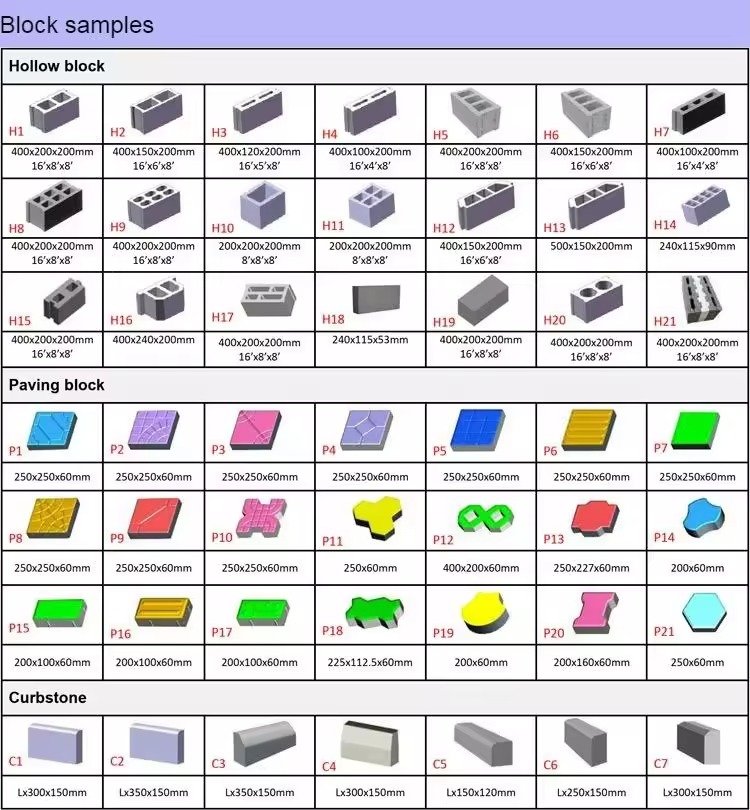
Standard bricks, hollow blocks, and pavers can share curing facilities when using water-based methods. However, face bricks requiring consistent appearance should cure separately using compound methods or controlled environments. Mix different product types cautiously, as varying dimensions affect coverage uniformity under plastic sheeting. Hollow blocks require attention to internal cavity moisture, sometimes benefiting from initial water filling before covering. Modern block making machines from manufacturers like MAIKONG often produce multiple product types on the same equipment, making flexible curing zones valuable for production efficiency.
Partner with MAIKONG as a South African Distributor
MAIKONG expands its distribution network across South Africa, seeking established building material suppliers, equipment dealers, and entrepreneurial organizations to represent our brick making machine product line. Current partners in Gauteng, Western Cape, and KwaZulu-Natal report strong market reception and profitable business relationships.
Distributor Benefits and Support
Partners receive comprehensive support enabling successful market development. Our distributor program provides competitive advantages in the growing South African brick manufacturing equipment sector.
- Exclusive Territory Rights: Protected service areas prevent internal competition
- Technical Training: Equipment operation, maintenance, and customer support training
- Marketing Support: Branded materials, demonstration units, and co-op advertising programs
- Attractive Margins: Competitive wholesale pricing enables profitable retail sales
- After-Sales Backing: Technical support via WhatsApp, spare parts availability, warranty administration
- Flexible Payment Terms: Accommodating payment structures for qualified distributors
- Product Range: Full line access from manual machines to automated production lines
Ideal Distributor Profile
Successful partnerships typically involve organizations with existing market presence in construction equipment, building materials, or industrial machinery. We seek partners demonstrating:
- Established customer base in brick manufacturing or construction sectors
- Technical capability for equipment demonstration and basic customer support
- Financial stability for inventory investment and customer financing options
- Commitment to professional representation and market development
- Service infrastructure for after-sales support and warranty claims

Join the MAIKONG Distribution Network in South Africa
Opportunities available across South Africa for qualified distributors interested in representing proven brick making equipment. Our 26+ years manufacturing experience, combined with growing demand for affordable housing and infrastructure development, positions distributors for sustained business growth. Initial territory assignments consider existing customer relationships and service capabilities.
Making the Right Curing Decision for Your Operation
Effective curing cement brick strategies balance technical requirements with practical constraints. Water availability, production volume, capital resources, and local climate conditions all influence the optimal approach for your specific factory. Neither water nor covering methods prove universally superior; success depends on matching technique to circumstances.
South African manufacturers face unique challenges requiring adapted solutions. Water scarcity in many regions makes conservation essential, not optional. Labor costs continue rising, favoring automated systems over manual processes. Competition from imported products demands quality consistency that only proper curing delivers.
Investment in curing infrastructure returns value through multiple channels: reduced rejection rates directly improve profitability, consistent quality enables premium pricing, and efficient resource use lowers operating costs. Factories treating curing as a core production step rather than an afterthought consistently outperform competitors cutting corners in this critical area.
Modern brick making machine technology from manufacturers like MAIKONG integrates curing considerations into equipment design. The Qt4-26 pallet system, forming cycle timing, and production capacity all coordinate with practical curing workflows. Selecting equipment that complements your chosen curing method optimizes overall production efficiency.
Begin implementation by assessing your specific conditions: water availability and cost, ambient climate patterns, production scale, quality requirements, and available capital. This analysis guides method selection better than generic recommendations divorced from operational reality. Small-scale operations might start with basic plastic covering, expanding to automated systems as production grows. Existing factories can pilot new methods on a production subset before full conversion.
Technical support remains available throughout your curing system development. The MAIKONG team provides consultation on equipment selection, curing method compatibility, and production optimization. We serve as partners in your manufacturing success, not simply equipment vendors.
Technical questions about curing systems or equipment integration?
Contact our support team on WhatsApp: +86-1581-555-6422
Email inquiries: Lucy@ibrickmakingmachine.co.za
Website: https://ibrickmakingmachine.co.za
The South African brick manufacturing sector continues expanding, driven by housing demand, infrastructure development, and economic growth. Positioning your operation for success requires attention to every production phase, with curing playing a critical role in final product quality. Implement proven techniques, maintain consistent protocols, and invest appropriately in infrastructure to compete effectively in this growing market.