 Every brick manufacturer in South Africa faces the same challenge. You’ve invested in production equipment, sourced quality materials, and trained your team. Yet inconsistent brick strength threatens your reputation and profits.
The difference between strong, durable bricks and weak, cracking failures often comes down to one critical process. Curing cement brick properly determines whether your products meet construction standards or end up as costly rejects.
This comprehensive guide examines the two primary curing cement brick approaches used across African manufacturing facilities. We’ll compare water-based methods against covering techniques, analyzing costs, efficiency, and results specific to South African climate conditions.
Whether you operate a small manual brick making machine or manage an automatic brick production line, understanding these fundamental concrete curing methods helps you optimize quality while controlling costs. The insights here draw from operational data across brick factories in Johannesburg, Cape Town, Durban, and Port Elizabeth.
Need Expert Advice on Your Curing Cement Brick Process?
Our technical team provides free consultation on optimizing your brick curing methods for South African conditions. Get immediate answers via WhatsApp.
What Is Curing Cement Brick and Why Does It Matter?
Curing cement brick refers to the controlled process of maintaining adequate moisture and temperature conditions after brick formation. This process enables the hydration process within cement to progress properly.
When cement mixes with water, a chemical reaction occurs. This hydration process creates calcium silicate hydrate crystals that bind aggregate particles together. Without sufficient moisture during this critical period, the reaction stops prematurely.
The Science Behind Concrete Curing
Cement requires approximately 23% water by weight for complete hydration. However, the concrete curing process typically needs much more water initially.
During the first seven days, cement paste can lose moisture faster than the hydration process completes. This moisture loss creates internal stresses that reduce final compressive strength.
South African conditions present unique challenges. Summer temperatures often exceed 35°C in provinces like Gauteng and Limpopo. These high temperatures accelerate evaporation while speeding up early-age strength gain unevenly.
Impact on Brick Quality
Proper curing cement brick methods deliver measurable benefits. Well-cured bricks achieve 25-40% higher compressive strength compared to inadequately cured units.
The curing period also affects surface hardness and resistance to weathering. Bricks cured for less than seven days show significantly higher water absorption rates.
In South African housing projects, poor curing concrete practices contribute to premature structural failures. Government housing initiatives now specify minimum curing time requirements in procurement contracts.
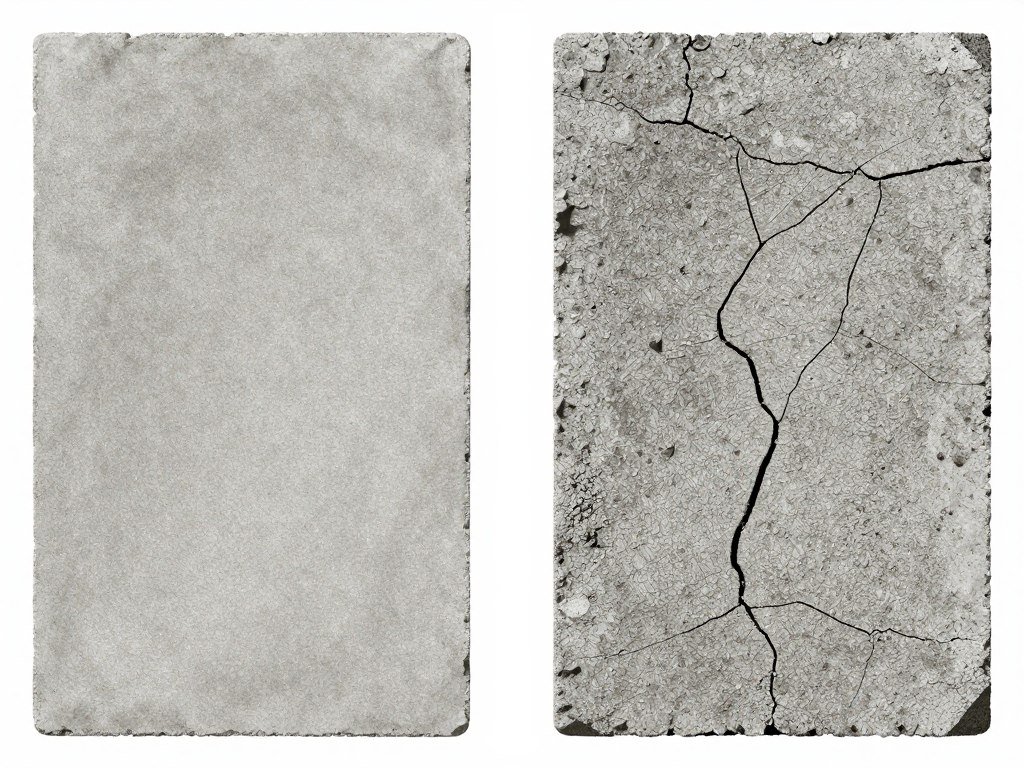
Key Fact: Research from the University of Pretoria shows that curing cement brick for just three days versus seven days results in a 15% reduction in 28-day compressive strength. The cost difference between these curing period options is minimal compared to the strength loss.
Factors Affecting Concrete Curing Success in South Africa
Multiple variables influence how effectively your curing cement brick process works. Understanding these factors helps you adapt methods to your specific production environment.
Temperature and Climate Conditions
South Africa experiences diverse climate zones. Coastal regions around Cape Town maintain moderate temperatures year-round. Interior provinces face extreme heat in summer and cold winters.
Temperature significantly affects the curing process. Ideal conditions range between 20-25°C. Above 30°C, rapid evaporation requires more frequent water application. Below 10°C, the hydration process slows considerably.
Regional Climate Considerations
- Gauteng: Hot, dry summers demand frequent watering; mild winters allow standard curing
- Western Cape: Moderate temperatures ideal for curing concrete; winter rainfall beneficial
- KwaZulu-Natal: High humidity reduces moisture loss; summer heat still requires attention
- Northern Cape: Extreme heat and aridity create most challenging curing concrete conditions
- Eastern Cape: Variable conditions require flexible curing strategies
Water Quality and Availability
Water scarcity affects many South African regions. The 2015-2018 Cape Town water crisis demonstrated how municipal restrictions impact manufacturing operations.
Water used for curing cement brick should meet basic quality standards. Excessive salts, acids, or organic matter can compromise the concrete surface and internal concrete structure.
Acceptable Water Sources
- Municipal potable water supplies
- Borehole water (tested for salt content)
- Recycled rinse water from mixing operations
- Rainwater collection systems
Problematic Water Sources
- Seawater or brackish coastal sources
- Industrial wastewater with chemical contamination
- Water with visible algae growth or organic matter
- Sources with pH below 6.0 or above 8.0
Production Scale and Equipment Type
Your choice of brick making machine influences practical curing options. A manual brick making machine producing 500 bricks daily requires different approaches than an automatic brick making machine outputting 3,000 units per shift.
Small operations using a small brick making machine can manage manual watering schedules. Large facilities with a concrete block making machine or cement block making machine need automated systems to maintain consistency.
Production Tip: When scaling from a manual brick making machine to an automatic brick making machine, plan curing infrastructure simultaneously. Many South African manufacturers discover that their curing capacity becomes the bottleneck, not production speed.
Water Curing Methods for Curing Cement Brick
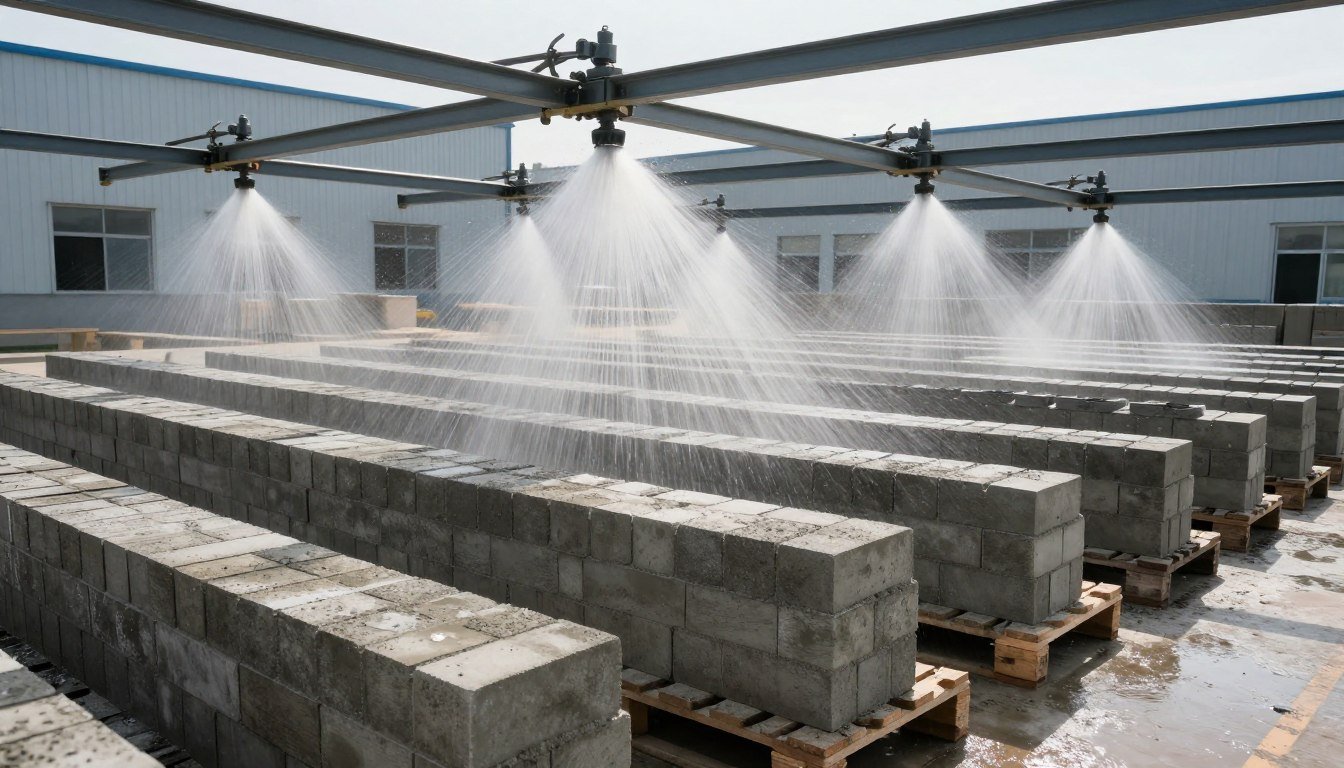
Water-based curing cement brick techniques remain the most widely used approach across South African brick factories. These methods directly apply water to concrete surfaces to prevent moisture loss.
Ponding and Immersion
Ponding involves creating shallow pools of water around brick stacks. This method provides continuous moisture but requires level surfaces and water containment.
Full immersion in water concrete tanks delivers optimal hydration process conditions. However, this approach demands significant water volume and handling equipment.
| Method | Water Consumption | Labor Requirement | Suitable Scale | Initial Cost |
| Ponding | High (3-5 liters per brick) | Low (setup only) | Small to Medium | Low (R5,000-R15,000) |
| Full Immersion | Very High (8-12 liters per brick) | Medium (handling) | Small Specialty Production | Medium (R25,000-R60,000) |
| Sprinkling (Manual) | Medium (2-3 liters per brick) | High (continuous) | Small Operations | Very Low (R2,000-R5,000) |
| Sprinkling (Automated) | Medium (2-3 liters per brick) | Very Low (monitoring) | Medium to Large | High (R80,000-R250,000) |
Sprinkling Systems
Manual sprinkling with hoses or watering cans works for operations using a manual brick making machine or small brick making machine. This approach requires dedicated labor but minimal equipment investment.
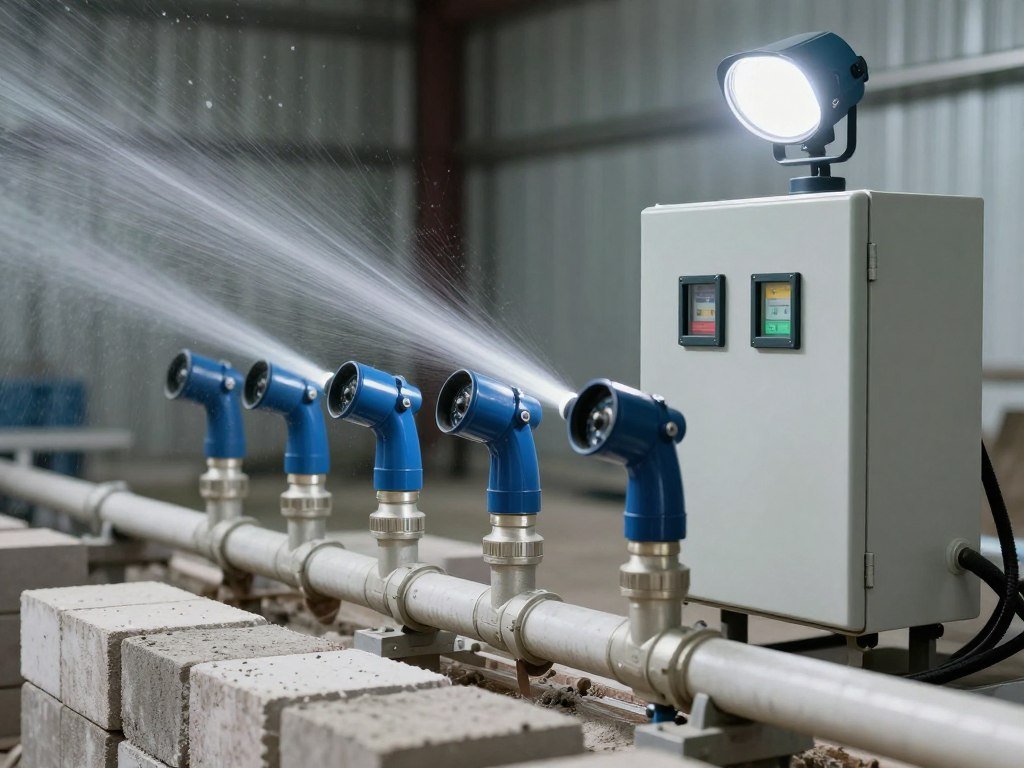
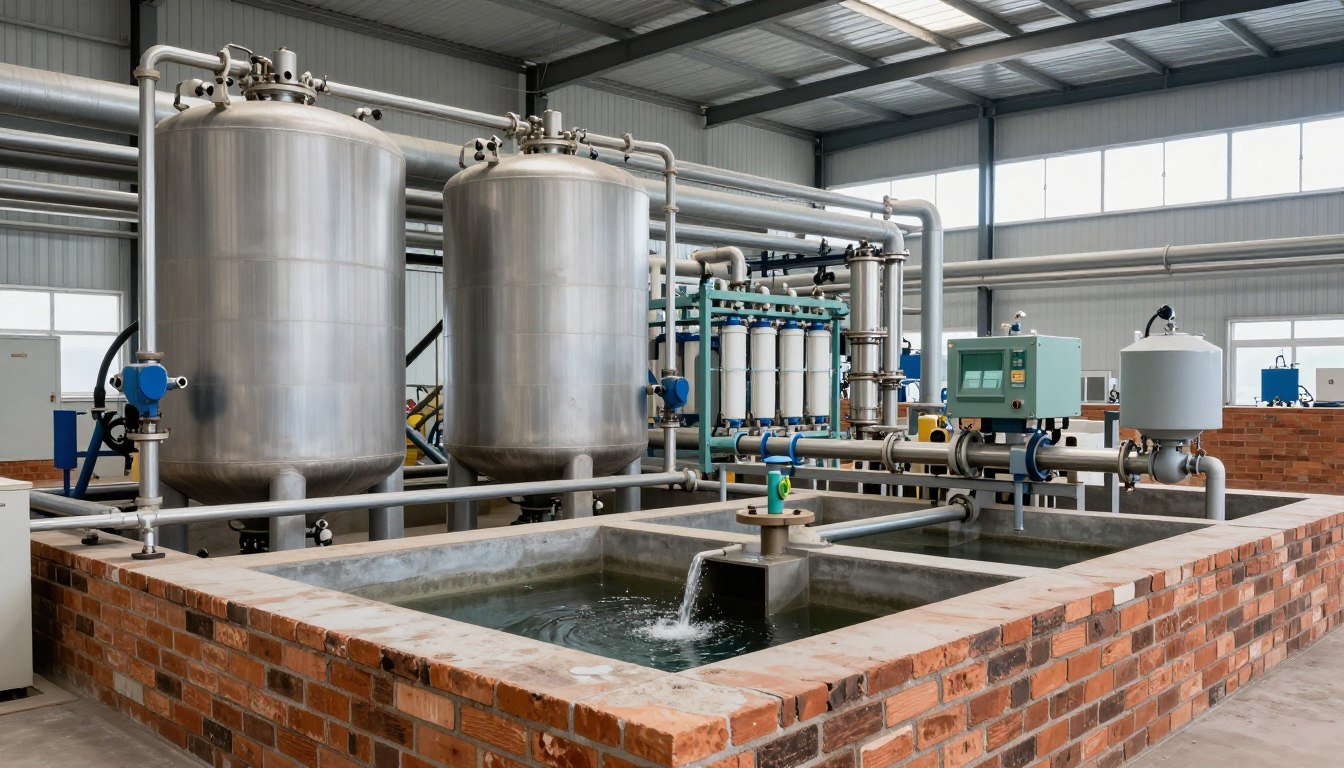
Automated sprinkling systems use programmable controllers and spray nozzles. These systems maintain consistent moisture without continuous labor. Many brick factories in Pretoria and Port Elizabeth have adopted automated approaches.
Automated Sprinkling System Components
- Water storage tanks: 5,000-20,000 liter capacity depending on production volume
- Pump systems: Pressure-regulated pumps maintaining 2-4 bar pressure
- Distribution piping: PVC or HDPE pipes with corrosion resistance
- Spray nozzles: Fine mist nozzles covering 2-4 meter radius
- Timer controls: Programmable controllers for scheduled watering cycles
- Filtration systems: Screens preventing nozzle clogging from sediment
Water Conservation Alert: South Africa faces ongoing water scarcity challenges. Brick manufacturers should implement water recycling systems where possible. Collecting runoff from curing cement brick operations for reuse can reduce consumption by 30-50%.
Wet Covering with Burlap or Hessian
This hybrid method combines water application with surface covering. Wet burlap sheets laid over brick stacks retain moisture while reducing evaporation.
The technique works well in hot, dry regions like Limpopo and North West provinces. Weather conditions that cause rapid evaporation become manageable with this approach.
Advantages of Wet Covering
- Reduces water consumption by 40-60% versus open sprinkling
- Protects concrete surface from direct sun and wind
- Maintains more consistent moisture levels
- Requires less frequent watering cycles
- Works effectively in extreme heat
Implementation Considerations
- Initial purchase of burlap materials (R15-R25 per square meter)
- Labor for covering and uncovering brick stacks
- Storage and cleaning of wet burlap between uses
- Replacement costs (burlap degrades after 6-12 months)
- Additional handling time in production schedule
Optimize Your Water Curing Cement Brick Process
MAIKONG offers integrated curing solutions designed for South African climate conditions. Our systems work seamlessly with any brick making machine type, from manual operations to fully automated production lines.
Water-Efficient Curing Features
- Programmable spray cycles matching your brick machine output
- Water recycling integration reducing consumption by 45%
- Weather-responsive controls adjusting for temperature and humidity
- Compatible with block making machine and brick moulding machine layouts
MAIKONG Support Advantages
- Local technical support in South Africa
- Training in English, Afrikaans, and Zulu
- Customization for your facility layout
- Attractive margins for distributors and dealers
Covering Methods for Curing Cement Brick
Covering-based curing cement brick techniques focus on moisture retention rather than continuous water application. These methods create a sealed environment that traps natural moisture from the concrete mix.
Plastic Sheet Covering
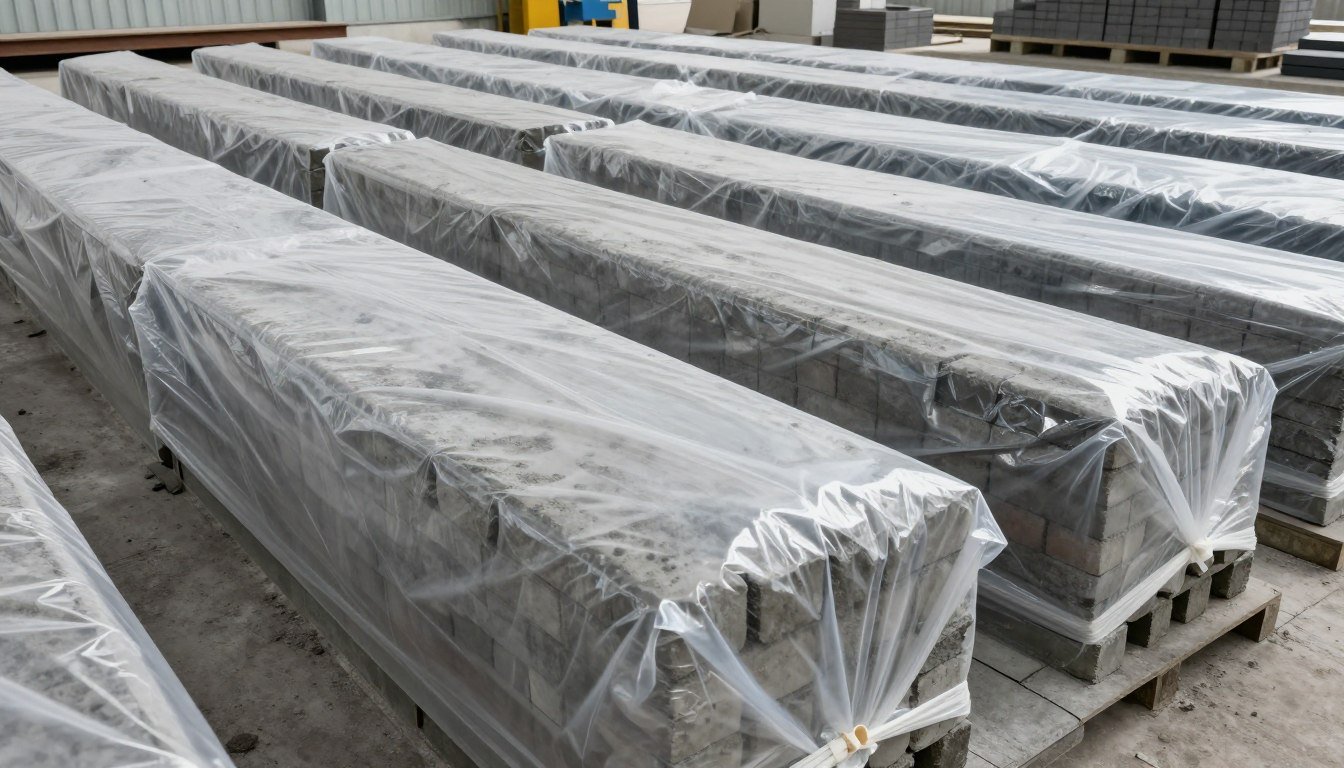
Polyethylene sheets (typically 200-250 micron thickness) create a moisture barrier over brick stacks. This simple method prevents evaporation while allowing the hydration process to continue using water already in the mix.
Many small brick operations in rural South Africa prefer this approach. A manual brick making machine producing 300-500 bricks daily can implement plastic covering with minimal investment.
Plastic Sheet Covering Procedure
- Initial watering: Lightly spray brick surfaces immediately after demolding
- Stack arrangement: Allow 50-100mm spacing between brick layers for air circulation
- Sheet placement: Cover entire stack extending plastic 300mm beyond edges
- Edge sealing: Secure plastic edges with bricks or sand to prevent wind lifting
- Daily monitoring: Check for condensation inside plastic indicating proper moisture retention
- Removal timing: Uncover after 7-14 days depending on weather conditions
| Plastic Sheet Specification | Coverage Area | Lifespan | Cost per 100m² | Best Application |
| Clear Polyethylene 200 micron | 4m x 25m rolls | 6-9 months | R650-R900 | General purpose, visual inspection |
| White Polyethylene 250 micron | 4m x 25m rolls | 12-18 months | R850-R1,200 | Hot climates, UV reflection |
| Black Polyethylene 250 micron | 4m x 25m rolls | 18-24 months | R900-R1,300 | Winter curing, heat retention |
Curing Compounds Application
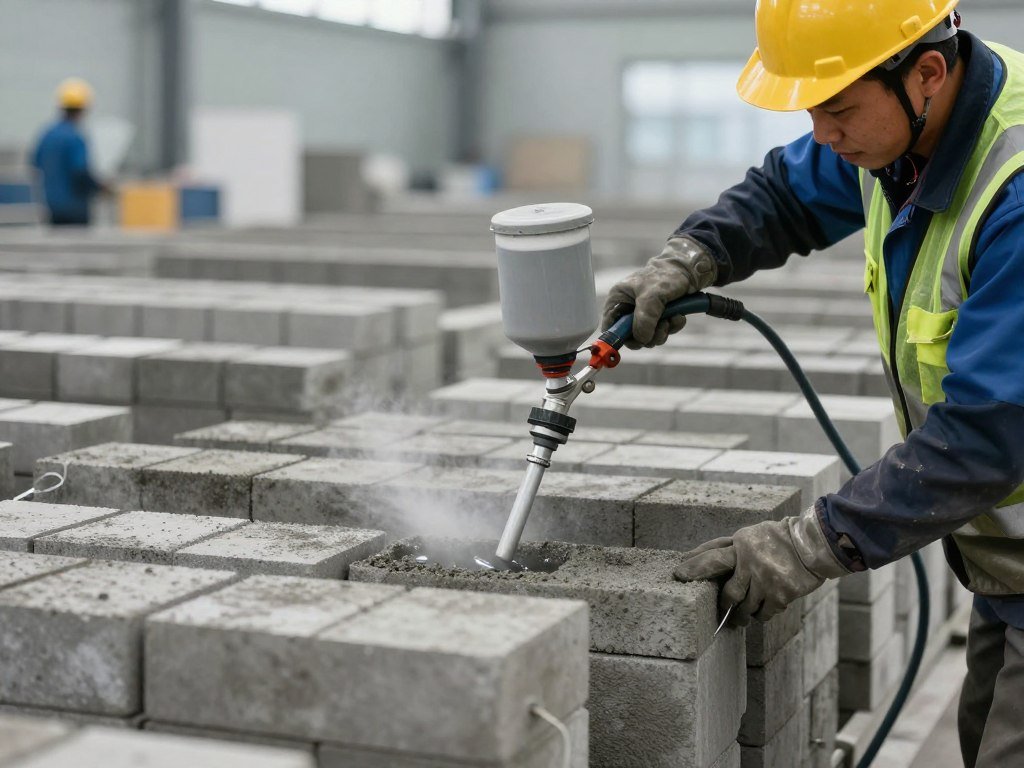
Liquid membrane-forming curing compounds create a thin film on the concrete surface. These chemical treatments reduce moisture loss by up to 95% compared to uncured surfaces.
Curing compounds work particularly well for bricks produced with a cement block making machine or cinder block making machine. The smooth surface of machine-pressed blocks accepts the compound uniformly.
Types of Curing Compounds
Resin-Based Compounds
Materials: Synthetic resins dissolved in solvents
Coverage: 4-6 m² per liter
Cost: R85-R120 per liter
Application: Spray or brush immediately after finishing
Advantages: Excellent moisture retention, durable film
Limitations: May affect surface bonding for renders
Wax-Based Compounds
Materials: Paraffin wax emulsions in water
Coverage: 5-8 m² per liter
Cost: R65-R95 per liter
Application: Spray within 30 minutes of demolding
Advantages: Lower cost, biodegradable options
Limitations: Less durable, may require reapplication
Acrylic-Based Compounds
Materials: Acrylic polymers in water base
Coverage: 4-7 m² per liter
Cost: R95-R140 per liter
Application: Spray or roller application
Advantages: UV-resistant, allows surface finishing
Limitations: Higher initial cost
Application Tip: When using curing compounds on bricks from a brick making machine, apply within 30 minutes of demolding for maximum effectiveness. The concrete surface should be damp but not wet. Test compounds on sample bricks before full production use to ensure compatibility with your specific mix design.
Steam Curing
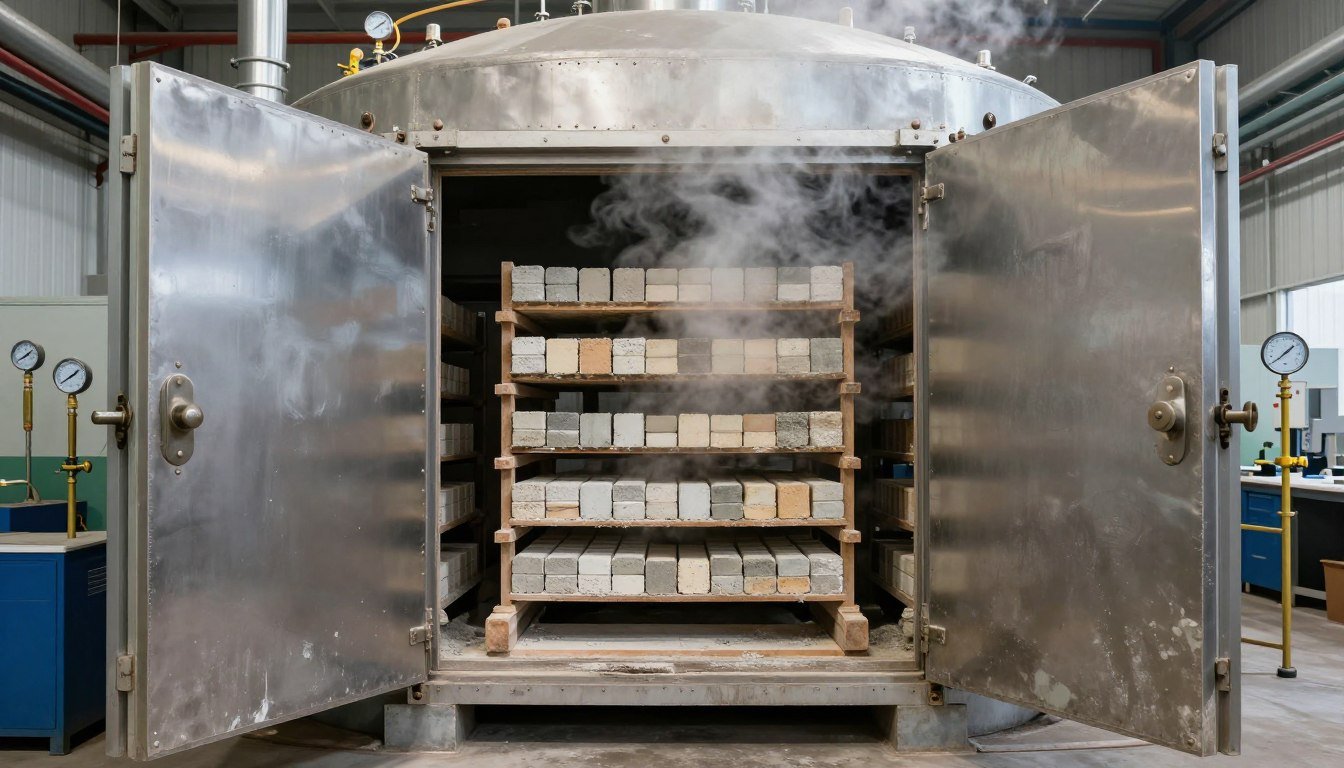
Steam curing accelerates the curing process by providing both heat and moisture. This method allows bricks to achieve 7-day strength in just 24-48 hours.
Large-scale manufacturers operating an automatic brick making machine or automatic brick production line benefit most from steam curing. The high initial investment makes sense when rapid inventory turnover matters.
Steam Curing System Requirements
- Steam generator: Boiler capacity matching production volume (typically 500-2000 kg steam/hour)
- Curing chambers: Insulated enclosures maintaining 60-80°C temperature
- Temperature controls: Programmable systems preventing thermal shock
- Condensate recovery: Systems reclaiming water from steam
- Energy source: Coal, diesel, or electricity (calculate based on local costs)
- Safety systems: Pressure relief, emergency shutdown, monitoring
Energy Consideration: Steam curing systems consume significant energy. Calculate your energy costs carefully. In areas with expensive electricity like South Africa’s Eskom tariff structure, steam curing may only be economical for very high-volume production exceeding 10,000 bricks daily.
Water vs. Covering: Comparative Analysis for South African Conditions
Choosing between water-based and covering curing cement brick methods requires analyzing multiple variables. Your decision impacts production costs, brick quality, labor requirements, and environmental sustainability.
Compressive Strength Performance
Both methods can achieve excellent compressive strength results when implemented correctly. However, effectiveness varies based on implementation quality and environmental conditions.
| Curing Method | 7-Day Strength (% of 28-day) | 28-Day Strength (MPa) | Climate Sensitivity | Consistency Rating |
| Continuous Water Immersion | 68-72% | 18-22 MPa | Low | Excellent (9/10) |
| Automated Sprinkling | 65-70% | 17-21 MPa | Medium | Very Good (8/10) |
| Manual Sprinkling | 60-67% | 16-20 MPa | High | Good (7/10) |
| Plastic Sheet Covering | 58-65% | 15-19 MPa | Medium | Good (7/10) |
| Wet Burlap Covering | 63-68% | 17-20 MPa | Medium-High | Very Good (8/10) |
| Curing Compounds | 60-66% | 16-19 MPa | Low | Good (7/10) |
| Steam Curing | 85-95% | 19-23 MPa | Very Low | Excellent (9/10) |
Data collected from brick manufacturers in Johannesburg, Durban, and Cape Town using standardized mix designs (M10 grade cement bricks). Results show proper implementation matters more than method selection.
Cost Analysis for Different Production Scales
Economic viability depends heavily on your production volume and equipment type. A small operation using a manual brick making machine faces different economics than a factory with an automatic brick production line.
Small Scale Operations (500-1,500 bricks/day)
Manual Sprinkling
Initial Investment: R2,500-R5,000
Monthly Operating Cost: R1,200-R2,500
- Water cost: R400-R800
- Labor (part-time): R800-R1,500
- Equipment maintenance: Minimal
Best for: Manual brick making machine or small brick making machine operations in areas with reliable water access.
Plastic Sheet Covering
Initial Investment: R3,000-R8,000
Monthly Operating Cost: R600-R1,200
- Plastic replacement: R300-R600 (annual amortized)
- Minimal water for initial wetting: R200-R400
- Labor for covering/uncovering: R100-R200
Best for: Water-scarce regions or operations prioritizing labor efficiency over water conservation.
Medium Scale Operations (1,500-5,000 bricks/day)
Semi-Automated Sprinkling
Initial Investment: R35,000-R85,000
Monthly Operating Cost: R3,500-R6,000
- Water cost: R2,000-R3,500
- Electricity (pump): R800-R1,200
- Maintenance and repairs: R400-R800
- Labor (monitoring): R300-R500
Best for: Operations using brick machine or block making machine with consistent daily production.
Wet Burlap Covering
Initial Investment: R18,000-R35,000
Monthly Operating Cost: R2,800-R4,500
- Burlap replacement: R1,200-R2,000 (6-month cycle)
- Water for wetting: R800-R1,200
- Labor for handling: R800-R1,300
Best for: Hot, dry climates where water efficiency matters but automation budget is limited.
Large Scale Operations (5,000+ bricks/day)
Fully Automated Sprinkling
Initial Investment: R120,000-R350,000
Monthly Operating Cost: R8,000-R15,000
- Water cost (with recycling): R3,500-R6,000
- Electricity: R2,500-R4,000
- Maintenance: R1,500-R3,000
- System monitoring labor: R500-R2,000
Best for: Automatic brick making machine or concrete block making machine operations prioritizing consistency and minimal labor.
Steam Curing System
Initial Investment: R450,000-R1,200,000
Monthly Operating Cost: R25,000-R55,000
- Energy (coal/diesel): R18,000-R38,000
- Water: R1,000-R2,000
- Maintenance: R3,000-R8,000
- Operator labor: R3,000-R7,000
Best for: High-volume automatic brick production line where rapid turnover justifies energy costs.
Labor Requirements Comparison
Labor availability and costs vary significantly across South African provinces. Operations in rural Eastern Cape face different labor economics than Gauteng industrial areas.
Water Methods – Labor Needs
- Manual sprinkling: 1-2 workers full-time for 2,000 bricks/day
- Automated sprinkling: 0.25-0.5 worker for monitoring and adjustments
- Ponding: 0.5-1 worker for setup and water level management
- Wet burlap: 1-1.5 workers for application and maintenance
- Steam curing: 1 skilled operator plus 0.5 maintenance technician
Covering Methods – Labor Needs
- Plastic sheets: 0.5-1 worker for covering/uncovering operations
- Curing compounds: 0.5-0.75 worker for application
- Combined approach: Variable based on specific implementation
- Skill requirements: Generally lower than automated water systems
- Training time: 1-3 days vs. 5-10 days for automated systems
Environmental Impact and Sustainability
South Africa’s water challenges make environmental considerations increasingly important. Government regulations and corporate sustainability goals influence method selection.
Water Crisis Context: The 2015-2018 Cape Town water crisis saw brick manufacturers forced to reduce production or invest rapidly in water recycling. Facilities with covering-based curing cement brick methods maintained production more easily than those dependent on continuous water supply.
| Method | Water per 1000 Bricks | Recycling Potential | Carbon Footprint | Sustainability Rating |
| Manual Sprinkling | 2,500-3,500 liters | Low (15-25%) | Low | Medium (6/10) |
| Automated Sprinkling | 2,200-3,000 liters | High (45-60%) | Medium (electricity) | Good (7/10) |
| Plastic Sheet Covering | 800-1,200 liters | N/A | Low-Medium (plastic production) | Good (7/10) |
| Curing Compounds | 200-400 liters | N/A | Medium (chemical production) | Medium (6/10) |
| Steam Curing | 1,500-2,500 liters | Very High (65-80% condensate) | High (energy consumption) | Low-Medium (5/10) |
Implementation Recommendations for South African Manufacturers
Selecting the right curing cement brick method requires matching your specific operational context with method characteristics. Consider these factors systematically.
Decision Framework by Production Scale
Small Operations (Under 1,000/day)
Operations using a manual brick making machine or small brick making machine should prioritize simplicity and low initial investment.
- Recommended: Plastic sheet covering or manual sprinkling
- Investment range: R2,500-R8,000
- Labor: 0.5-1.5 workers
- Best regions: All provinces, especially water-scarce areas
Medium Operations (1,000-3,000/day)
Facilities with a brick machine or block making machine benefit from semi-automation balancing cost and efficiency.
- Recommended: Semi-automated sprinkling or wet burlap
- Investment range: R18,000-R85,000
- Labor: 0.25-1 worker
- Best regions: Urban areas with stable water supply
Large Operations (3,000-8,000/day)
Manufacturers operating an automatic brick making machine require consistent, reliable curing matching production capacity.
- Recommended: Fully automated sprinkling with recycling
- Investment range: R120,000-R350,000
- Labor: 0.25-0.5 worker
- Best regions: Industrial zones with infrastructure
Very Large Operations (8,000+/day)
High-volume automatic brick production line facilities can justify advanced systems for rapid inventory turnover.
- Recommended: Steam curing or advanced automation
- Investment range: R350,000-R1,200,000
- Labor: 1-2 skilled operators
- Best regions: Major metros with energy infrastructure
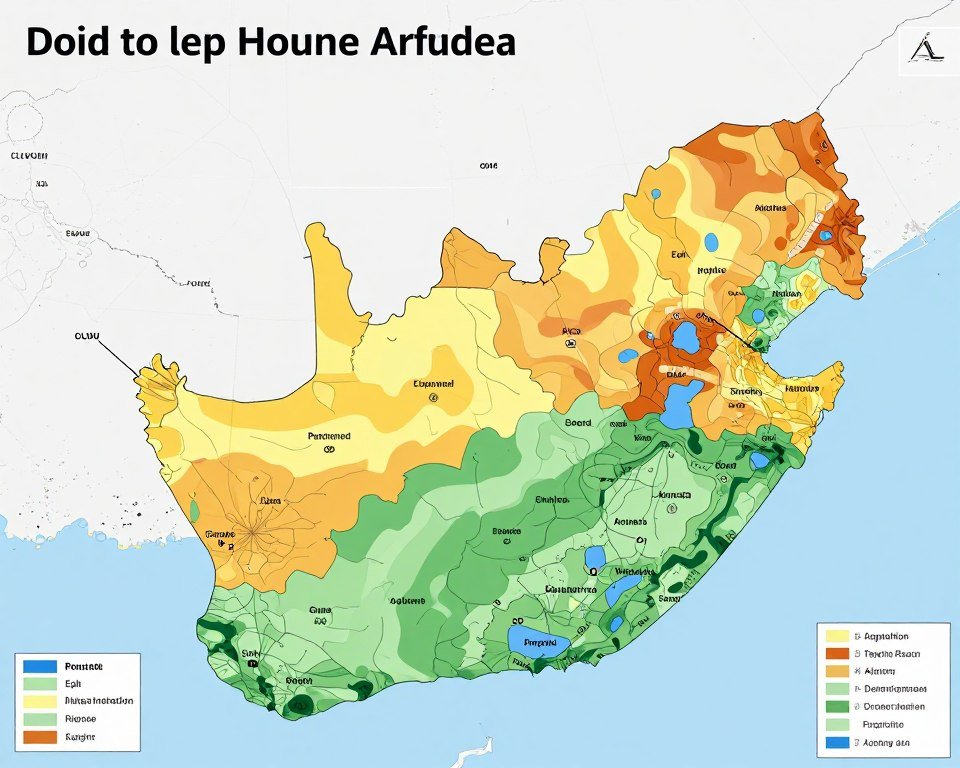
Regional Climate Considerations
South Africa’s diverse climate zones demand adapted curing cement brick strategies. What works in Cape Town may fail in Limpopo.
Hot, Dry Interior (Limpopo, North West, Northern Cape)
Climate Challenges:
- Summer temperatures exceeding 38°C regularly
- Very low humidity (20-30%)
- High evaporation rates (8-12mm/day)
- Limited water availability in many areas
Recommended Approaches:
- Primary: Plastic sheet covering with initial wetting
- Alternative: Wet burlap with frequent re-wetting
- Avoid: Open water sprinkling (excessive consumption)
- Timing: Schedule demolding for late afternoon to minimize immediate sun exposure
Temperate Coastal (Western Cape, parts of Eastern Cape)
Climate Advantages:
- Moderate temperatures (15-28°C most of year)
- Higher humidity (50-70%)
- Seasonal rainfall assists natural curing
- Lower evaporation rates
Recommended Approaches:
- Primary: Automated or manual sprinkling systems
- Alternative: Minimal covering with supplementary watering
- Opportunity: Rainwater harvesting for curing water supply
- Note: Winter months may require wind protection
Humid Subtropical (KwaZulu-Natal, Mpumalanga)
Climate Characteristics:
- High summer rainfall
- Warm to hot temperatures
- High humidity year-round
- Risk of excessive moisture in rainy season
Recommended Approaches:
- Primary: Sheltered sprinkling or covered areas
- Challenge: Prevent over-saturation during heavy rains
- Solution: Adjustable covering allowing ventilation
- Equipment: Weather-responsive automation beneficial
Highveld (Gauteng, Free State)
Climate Variability:
- Hot summers, cold winters
- Large diurnal temperature swings
- Summer afternoon thunderstorms
- Winter frost possible
Recommended Approaches:
- Summer: Regular sprinkling or wet burlap
- Winter: Plastic covering for frost protection
- Flexible: Seasonal method switching optimal
- Investment: Infrastructure supporting multiple methods
Quality Control and Testing
Regardless of curing cement brick method chosen, implement quality verification to ensure consistent compressive strength results.
Essential Testing Protocols
- Visual inspection daily: Check for surface cracking, color consistency, and proper moisture retention
- Weight monitoring: Track brick weight during curing period to verify moisture retention
- 7-day strength testing: Sample 3-5 bricks per 1,000 produced for preliminary compressive strength testing
- 28-day strength testing: Final verification testing on representative samples
- Water absorption testing: Measure porosity to assess curing process effectiveness
- Dimensional stability: Verify bricks meet size tolerances after full curing
Testing Investment: Basic testing equipment (compression testing machine, scales, measuring tools) costs R15,000-R45,000. Many manufacturers in South Africa use third-party SABS-accredited laboratories initially, then invest in equipment as production scales. Testing costs typically run R25-R75 per sample.
Common Mistakes to Avoid
Critical Errors in Curing Cement Brick:
- Starting too late: Curing must begin within 30 minutes of demolding, not hours later
- Inconsistent application: Sporadic watering or covering creates uneven strength distribution
- Premature uncovering: Minimum 7 days required; 14 days optimal for most applications
- Ignoring weather: Failing to adjust curing process for extreme temperature or wind
- Poor water quality: Using contaminated water that damages concrete surface
- Inadequate coverage: Leaving brick edges exposed to wind and sun
- Over-reliance on compounds: Curing compounds alone without proper application timing
Integrating Curing with Your Brick Making Machine
Your curing cement brick system should complement your production equipment. A mismatch between manufacturing capacity and curing capability creates bottlenecks.
Matching Curing to Production Equipment
| Equipment Type | Daily Capacity | Curing Space Needed | Recommended Curing Method | Automation Level |
| Manual Brick Making Machine | 300-800 bricks | 50-120 m² | Plastic covering or manual sprinkling | None to minimal |
| Small Brick Making Machine | 800-1,500 bricks | 120-250 m² | Semi-automated sprinkling or wet burlap | Basic timers, manual oversight |
| Brick Machine (Semi-Auto) | 1,500-3,000 bricks | 250-500 m² | Automated sprinkling zones | Programmable controllers |
| Block Making Machine | 2,000-4,500 blocks | 350-750 m² | Automated sprinkling or compounds | Integrated production monitoring |
| Automatic Brick Making Machine | 3,000-6,000 bricks | 500-1,000 m² | Fully automated multi-zone systems | PLC-controlled, networked |
| Automatic Brick Production Line | 6,000-15,000+ bricks | 1,000-3,000 m² | Steam curing or advanced automation | Full integration, SCADA systems |
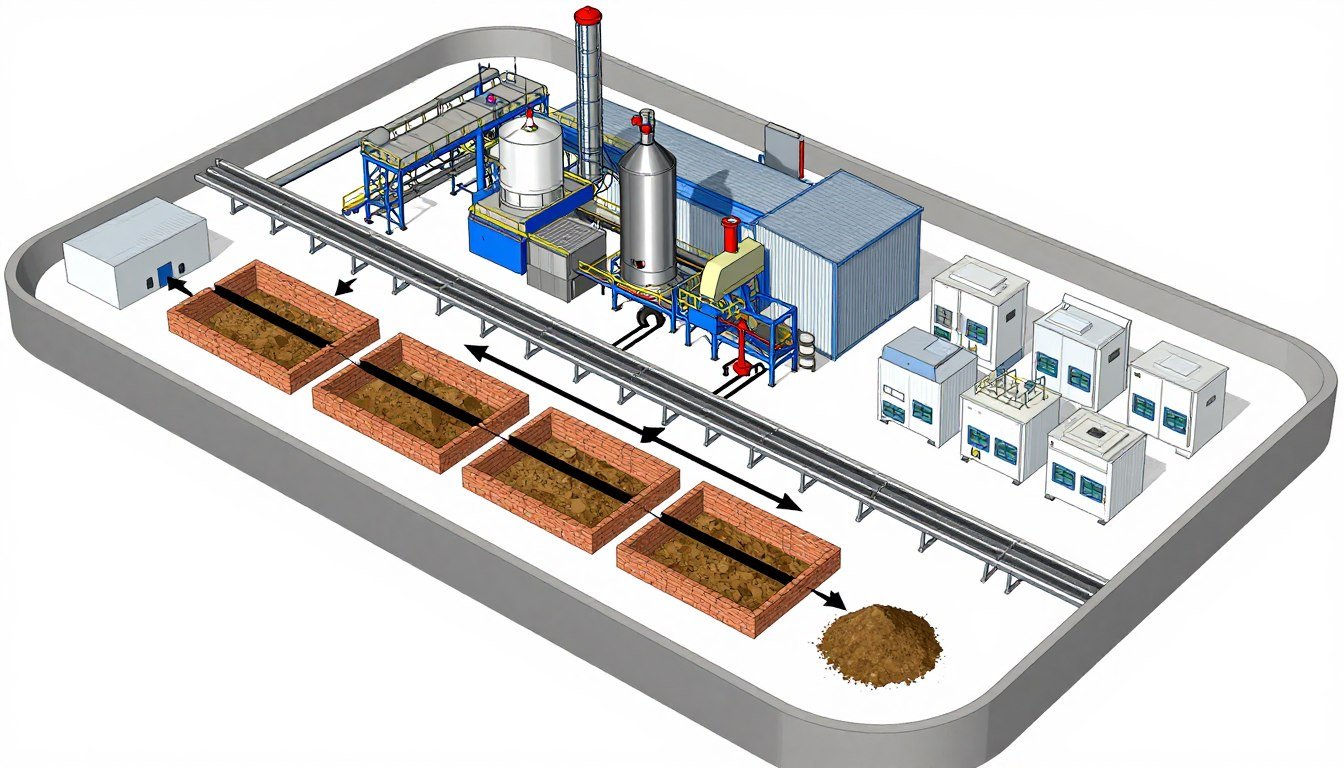
Layout Planning for Efficient Curing
Optimize your facility layout to minimize brick handling between production and curing areas. Every transfer point risks damage and consumes labor.
Space Allocation Guidelines
- Minimum curing area: 14 days of production capacity if using 14-day curing period
- Recommended buffer: 20-25% additional space for quality segregation and testing
- Aisle spacing: 1.5-2 meters between brick stacks for access and air circulation
- Overhead clearance: 3-4 meters if using overhead sprinkling systems
- Drainage: 1-2% slope toward collection points for water recycling
- Vehicle access: 3.5-4 meter width for forklift or loading operations
“We started with a manual brick making machine producing 500 bricks daily. Our curing area was just 40 square meters – barely enough for 5 days of production. When we upgraded to a semi-automatic brick machine doing 2,000 daily, we had to lease adjacent land immediately. The lesson? Plan curing space for your three-year production target, not current capacity.”
MAIKONG: Complete Brick Making Machine and Curing Solutions for South Africa
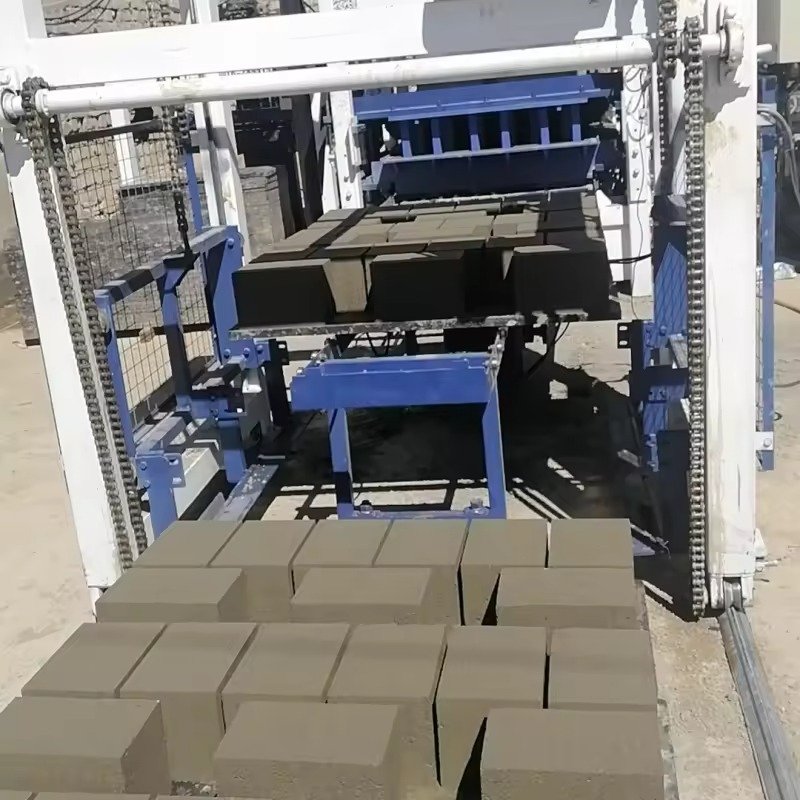
Since establishing operations in GD, SZ, MAIKONG has supplied brick making machine equipment to manufacturers across 26 African countries. Our integrated approach combines production equipment with optimized curing cement brick systems designed for African conditions.
Equipment Range
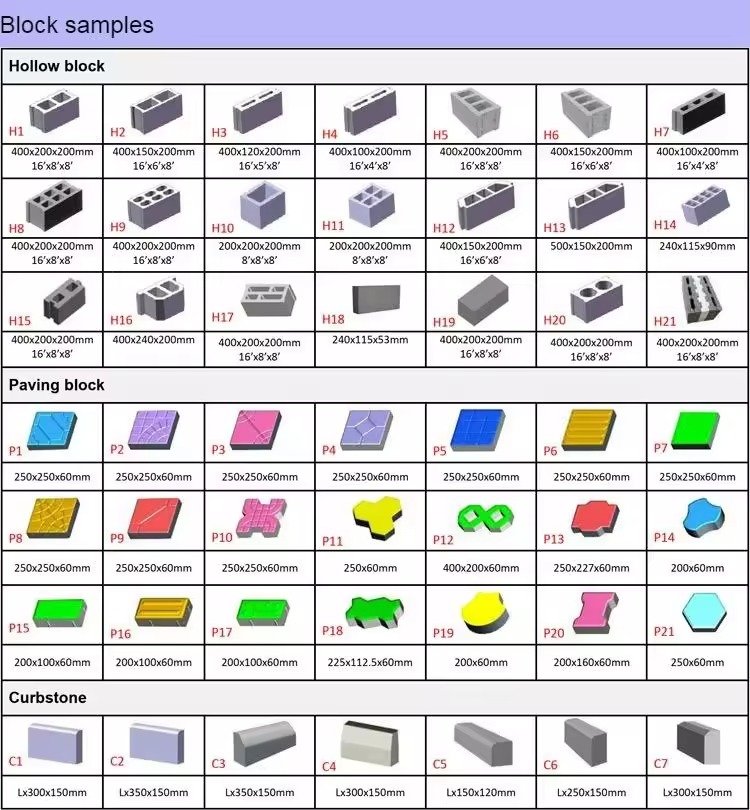
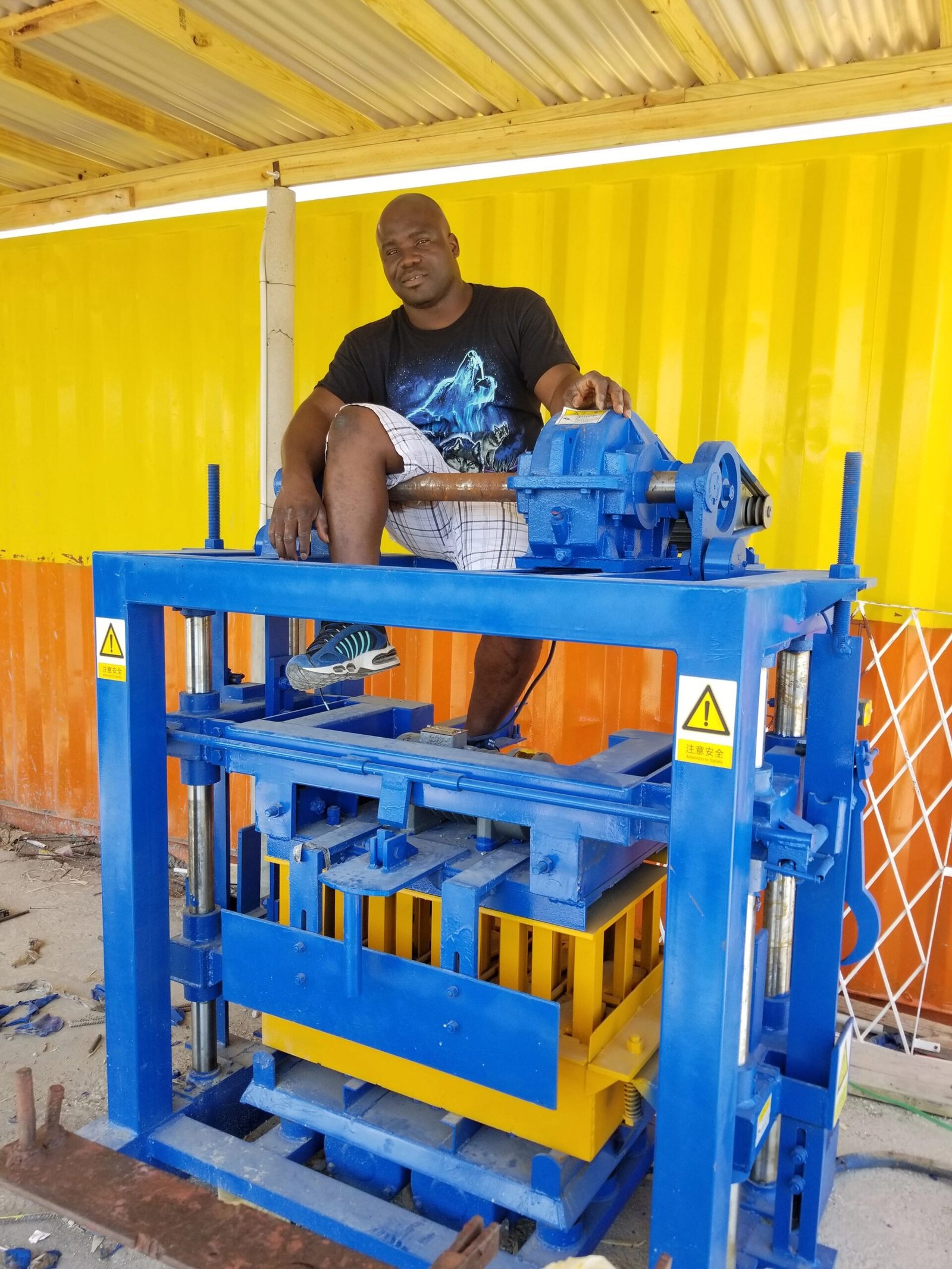
- Manual Brick Making Machine: Entry-level production for startups and small workshops
- Small Brick Making Machine: 800-1,500 daily capacity for growing businesses
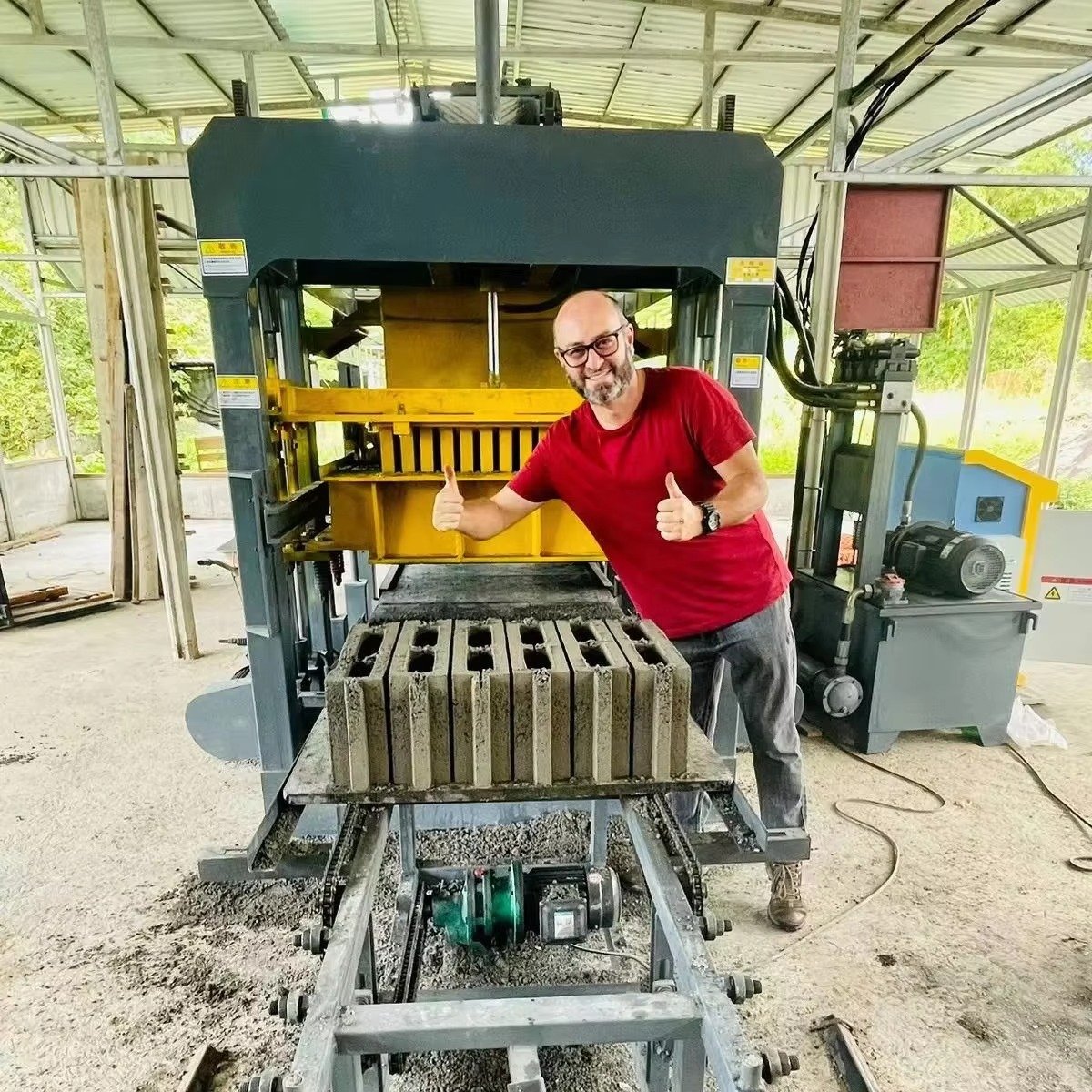
- Automatic Brick Making Machine: 3,000-6,000 capacity with minimal labor
- Block Making Machine: Versatile production for multiple block types
- Cement Block Making Machine: Specialized for high-strength cement blocks
- Concrete Block Making Machine: Standard and custom sizes
- Brick Moulding Machine: Precision forming systems
- Automatic Brick Production Line: Complete turnkey solutions
Why South African Manufacturers Choose MAIKONG
- Local support: Technical team available via WhatsApp in your time zone
- Language assistance: English, Afrikaans, and Zulu support available
- Climate adaptation: Equipment configured for South African conditions
- Water-efficient designs: Integrated water recycling systems
- Training programs: On-site operator and maintenance training
- Spare parts availability: Regional warehouse reducing downtime
- Financing options: Flexible payment terms for qualified buyers
Distributor and Dealer Opportunities in South Africa
MAIKONG actively seeks partners across South African provinces. We offer comprehensive support enabling local entrepreneurs to build profitable brick equipment businesses.
Distributor Benefits
- Exclusive territory rights available
- Attractive wholesale pricing (30-40% margins)
- Marketing materials and technical documentation
- Joint customer visits and installation support
- Ongoing training for your sales team
Support We Provide
- Initial inventory on consignment terms
- Demo equipment for customer trials
- Technical hotline and video support
- Warranty handling and spare parts logistics
- Lead generation assistance
Ideal Partner Profile
- Existing business in construction or manufacturing equipment
- Workshop facilities for equipment demonstration
- Technical staff or willingness to train team
- Established customer relationships in construction sector
- Commitment to representing MAIKONG quality standards
Frequently Asked Questions About Curing Cement Brick
How long should I cure cement bricks in South African summer conditions?
In hot South African summer conditions (temperatures above 30°C), extend the curing period to a minimum of 10-14 days rather than the standard 7 days. High temperatures accelerate early-age strength gain but also increase evaporation rates.
The elevated temperature causes faster moisture loss, which can compromise later-age strength development. Using covering methods like plastic sheets or wet burlap becomes especially important during summer months in provinces like Gauteng, Limpopo, and Northern Cape.
Monitor your bricks for surface cracking during the first 48 hours – a clear sign that moisture is evaporating too quickly. Increase watering frequency or improve covering if you observe this issue.
Can I use rainwater for curing cement brick production?
Yes, rainwater is excellent for curing concrete provided it’s collected and stored properly. Rainwater typically has neutral pH and lacks the minerals found in borehole water that can sometimes affect concrete surface quality.
Install a basic filtration system (mesh screens) to remove leaves, debris, and organic matter. Store rainwater in covered tanks to prevent algae growth. Many brick manufacturers in Cape Town and KwaZulu-Natal successfully use rainwater harvesting systems.
A 1,000 brick daily production facility needs approximately 2,500-3,500 liters of water for curing. A 10,000-liter rainwater tank can support 3-4 days of production, providing valuable buffer during water restrictions.
What happens if I only cure bricks for 3 days instead of 7 days?
Reducing the curing period from 7 to 3 days typically results in 15-25% reduction in final compressive strength. The hydration process in cement continues for weeks, but the first 7 days are most critical.
Beyond reduced strength, inadequate curing time increases the risk of surface cracking, higher water absorption, and reduced durability. Bricks may meet immediate visual inspection but fail under load or weather exposure over time.
For structural applications or government housing projects with specific strength requirements, shortcuts in curing cement brick processes create serious liability risks. The minimal savings from reduced curing time doesn’t justify the quality compromise.
Is steam curing worth the investment for a medium-sized brick operation?
For medium-sized operations (2,000-5,000 bricks daily), steam curing rarely justifies the investment unless specific circumstances apply. The R450,000-R800,000 initial cost plus R25,000-R40,000 monthly energy costs require very high production volumes.
Steam curing makes economic sense when: (1) You need rapid inventory turnover for just-in-time delivery contracts, (2) Cold winter temperatures in your region slow normal curing concrete significantly, or (3) You’re producing specialized high-value products commanding premium prices.
Most medium-sized South African manufacturers achieve better returns by investing in automated water sprinkling systems (R80,000-R150,000) with water recycling, which reduces operating costs while maintaining quality concrete curing.
How do I calculate the right curing area size for my production capacity?
Use this formula: Curing Area (m²) = (Daily Production × Curing Days × Brick Footprint) / Stacking Efficiency
Example: 2,000 bricks/day, 14-day curing period, 400mm × 200mm brick size (0.08 m² each), 60% stacking efficiency (accounting for aisles and spacing):
Area = (2,000 × 14 × 0.08) / 0.60 = 373 m²
Add 20% buffer for quality segregation, testing samples, and future growth: 373 × 1.20 = 448 m² total recommended area.
This calculation ensures you have adequate space for proper curing without creating production bottlenecks. Manufacturers using an automatic brick making machine should plan for peak capacity, not average production.
Can I combine water sprinkling and plastic covering methods?
Yes, combining methods often delivers optimal results in South African conditions. Apply initial water sprinkling for the first 2-3 days while the hydration process is most active, then cover with plastic sheets for days 4-14.
This hybrid approach reduces total water consumption by 30-40% versus continuous sprinkling while maintaining excellent moisture retention. The initial sprinkling ensures adequate water concrete saturation, while plastic covering prevents later moisture loss.
Many brick factories in Pretoria and Johannesburg use this combination successfully. It’s particularly effective when using a brick making machine or block making machine producing 1,500-4,000 units daily.
What water quality standards should I maintain for curing cement brick?
Water for curing concrete should meet these basic standards:
- pH level: Between 6.0-8.0 (neutral to slightly alkaline)
- Total dissolved solids: Below 2,000 ppm (parts per million)
- Chloride content: Below 500 ppm to prevent corrosion
- Sulfate content: Below 400 ppm to avoid expansion reactions
- Organic matter: Should be free of visible contamination
Municipal water supplies in South African cities generally meet these standards without treatment. Borehole water should be tested, especially in coastal areas where salinity may exceed limits. Testing costs R300-R800 through agricultural or industrial water testing laboratories.
How does altitude affect curing cement brick in Johannesburg versus coastal cities?
Johannesburg’s elevation (1,753 meters) creates lower atmospheric pressure and faster evaporation compared to coastal cities like Durban or Cape Town. This affects the curing process in several ways.
At high altitude, water evaporates approximately 15-20% faster than at sea level. The lower oxygen partial pressure also slightly alters cement hydration chemistry, though this effect is minimal for typical brick production.
Practical implications for Gauteng manufacturers: Increase watering frequency by 20-25% versus coastal recommendations, consider covering methods to reduce evaporation, and monitor for surface cracking more carefully during the first 48 hours after production with your brick making machine.
Should I cure different brick types (hollow vs. solid) differently?
Yes, hollow bricks produced by a block making machine or hollow brick making machine require slightly different curing approaches than solid bricks.
Hollow bricks have larger surface area relative to volume, which increases moisture loss rate. They also cure more uniformly because water penetrates the thinner walls completely. For hollow blocks, focus on preventing surface drying rather than deep moisture penetration.
Solid bricks from a brick machine need adequate curing time for moisture to reach the core. The exterior may appear cured while the interior remains under-hydrated. For solid bricks thicker than 100mm, extend curing period to 14 days minimum and consider initial submersion or ponding for deeper water penetration.
What’s the most cost-effective way to start brick production with limited capital?
Start with a manual brick making machine (R25,000-R65,000) combined with plastic sheet covering for curing cement brick (R3,000-R6,000 initial investment). This combination requires minimal infrastructure and can begin production within 2-3 weeks.
A realistic startup budget for 300-500 daily capacity:
- Manual brick making machine: R35,000-R50,000
- Basic moulds (2-3 sets): R8,000-R15,000
- Curing materials (plastic sheets, pallets): R5,000-R10,000
- Hand tools and mixing equipment: R3,000-R6,000
- Initial raw materials (cement, sand): R10,000-R15,000
- Total estimated startup: R61,000-R96,000
As production grows and cash flow stabilizes, upgrade to a small brick making machine or semi-automatic brick machine, then invest in improved curing infrastructure. Contact MAIKONG for flexible financing options tailored to South African startups.
MAIKONG Production Line Success Stories
Real-world installations demonstrate how proper integration of brick making machine equipment with optimized curing cement brick systems delivers measurable business results across diverse conditions.
Lagos, Nigeria – High-Volume Urban Production
Client: BuildRight Manufacturing Ltd.
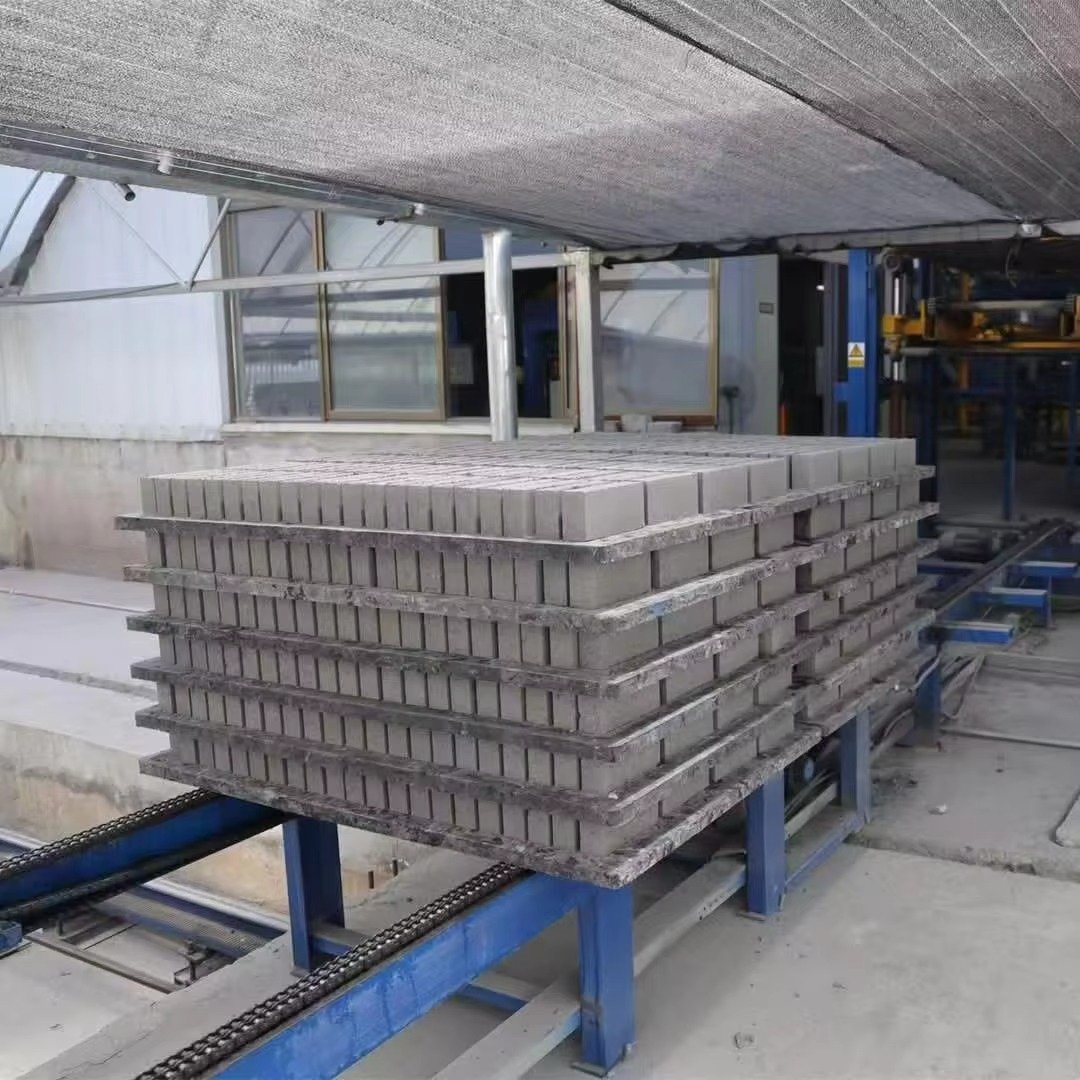
Equipment: MAIKONG QT4-26 Automatic Brick Making Machine + Automated Sprinkling System
Capacity: 4,200 bricks daily (single shift)
Challenge: Lagos’s high humidity and temperature variability demanded consistent curing concrete despite weather fluctuations.
Solution: Integrated weather-responsive sprinkling system adjusting water application based on temperature and humidity sensors. Water recycling system captures 55% of curing water for reuse.
Results: Achieved 98.2% consistency in 28-day compressive strength testing across wet and dry seasons. Reduced water consumption by 48% versus manual methods. Production increased 340% versus previous manual brick making machine operation.
Investment: R185,000 (equipment) + R95,000 (curing system) = R280,000 total
ROI: 18 months
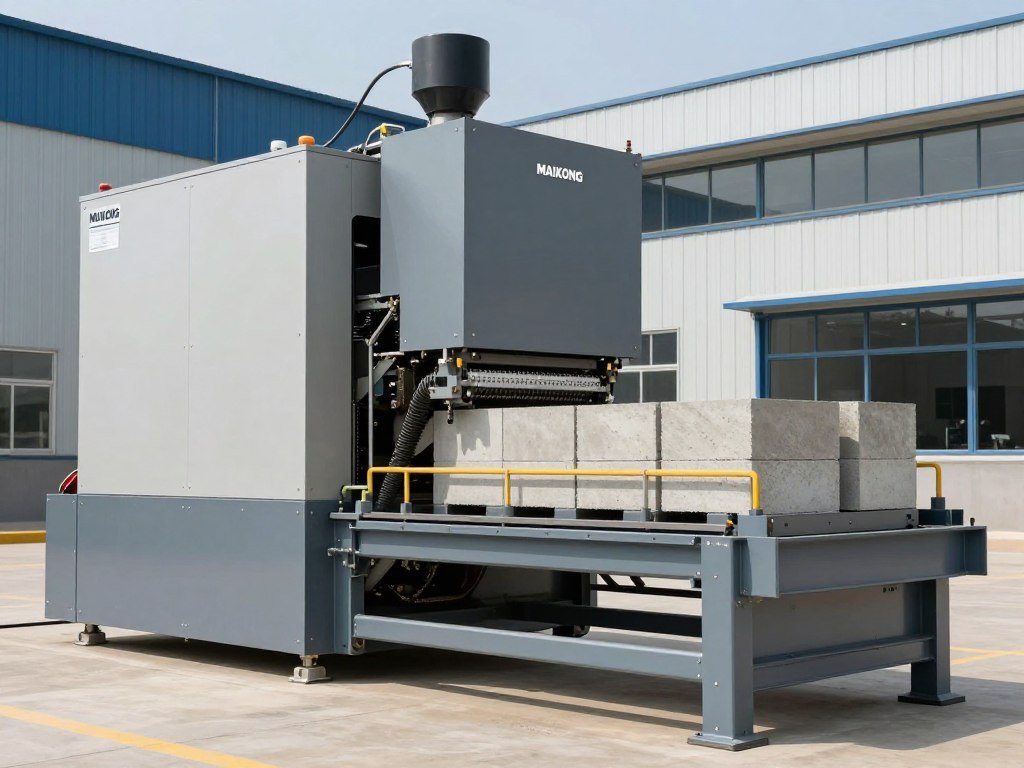
Gaborone, Botswana – Desert Climate Adaptation
Client: Kalahari Construction Materials
Equipment: MAIKONG Concrete Block Making Machine + Hybrid Wet Burlap/Plastic Covering System
Capacity: 2,800 blocks daily
Challenge: Extreme aridity (annual rainfall below 400mm) and temperatures exceeding 40°C made water-based curing economically prohibitive. Municipal water restrictions limited supply.
Solution: Implemented combination approach: initial wet burlap application followed by plastic sheet sealing. Installed rainwater harvesting system (15,000-liter capacity) supplementing limited municipal supply.
Results: Reduced water consumption to 1.2 liters per block versus 3.5 liters with conventional sprinkling. Maintained concrete strength exceeding customer specifications. Achieved water independence during 8-month dry season.
Investment: R125,000 (equipment) + R42,000 (curing system) + R38,000 (water harvesting) = R205,000 total
ROI: 14 months
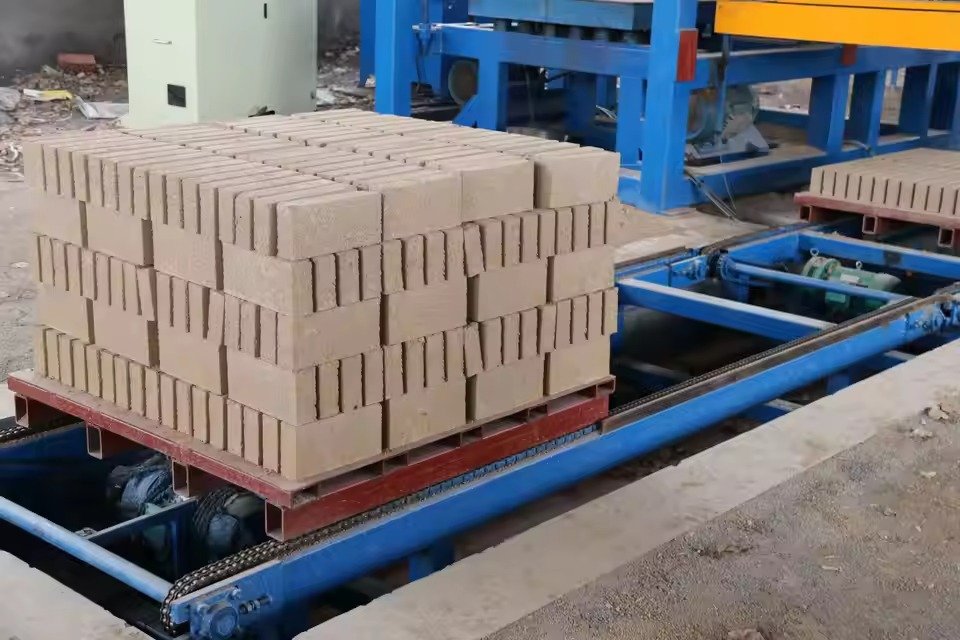
Bangalore, India – Monsoon Climate Production
Client: Deccan Building Products Pvt. Ltd.
Equipment: MAIKONG Automatic Brick Production Line + Covered Curing Halls with Automated Sprinkling
Capacity: 12,000 bricks daily (two shifts)
Challenge: Extreme seasonal variation between monsoon (heavy rainfall, 85% humidity) and dry season (high heat, low humidity) required adaptable curing cement brick approach.
Solution: Constructed covered curing halls (1,200 m²) with retractable roof sections. Automated sprinkling during dry season; natural moisture retention with ventilation control during monsoons. PLC-controlled system adjusting to real-time weather data.
Results: Eliminated seasonal strength variation that previously ranged 18% between monsoon and dry production. Reduced reject rate from 8.2% to 1.4%. Enabled year-round consistent quality for government housing contracts.
Investment: R1,850,000 (production line) + R485,000 (curing infrastructure) = R2,335,000 total
ROI: 28 months
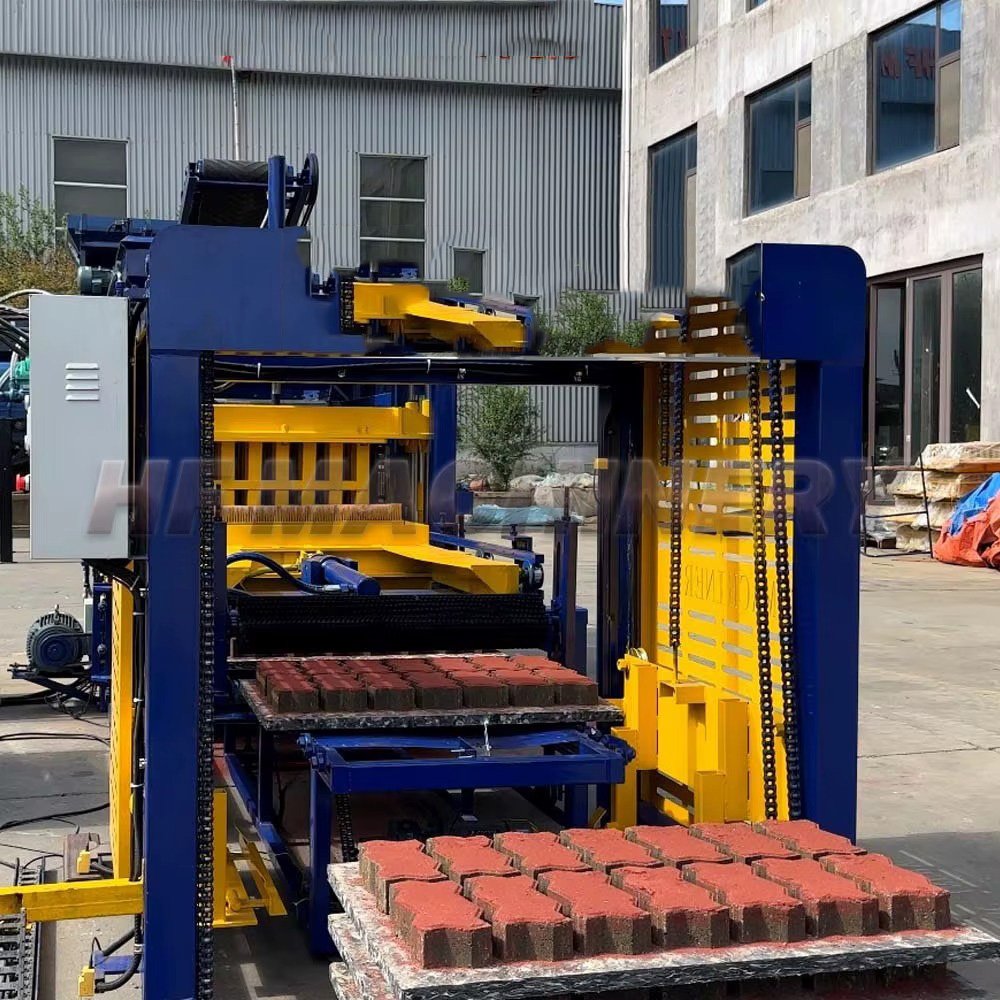
Krakow, Poland – Cold Climate Solution
Client: Vistula Building Materials Sp. z o.o.
Equipment: MAIKONG Brick Moulding Machine + Heated Curing Chambers
Capacity: 3,500 specialty bricks daily
Challenge: Winter temperatures dropping to -15°C halted outdoor curing process. Traditional seasonal shutdown reduced annual production by 35% and created labor retention problems.
Solution: Installed insulated curing chambers with low-temperature heating (maintained 15-20°C) using waste heat from office building HVAC. Implemented plastic covering within chambers to maximize heat retention and moisture control.
Results: Enabled year-round production for first time in company’s 23-year history. Winter production strength matched summer output. Eliminated seasonal layoffs, reducing employee turnover 67%. Premium winter pricing for architectural bricks increased profit margins 22%.
Investment: R285,000 (equipment) + R175,000 (heated chambers) = R460,000 total
ROI: 16 months (accelerated by premium winter pricing)
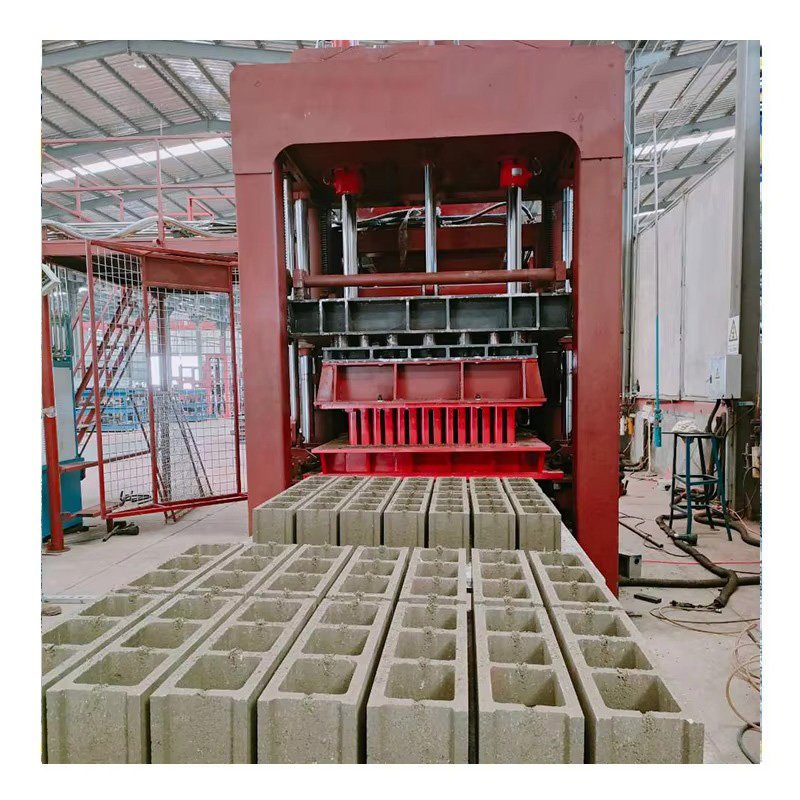
São Paulo, Brazil – Urban Space-Constrained Operation
Client: Construblock Materiais Ltda.
Equipment: MAIKONG Cement Block Making Machine + Vertical Rack Curing System
Capacity: 3,200 blocks daily
Challenge: Limited urban industrial space (only 380 m² total facility) made conventional horizontal curing cement brick layout impossible. Land costs in São Paulo industrial zone prohibited expansion.
Solution: Designed custom vertical rack system stacking blocks 8 levels high with automated rotating sprinkling. Racks moved through three curing zones (days 1-3, 4-7, 8-14) on floor-mounted rails, optimizing space utilization.
Results: Achieved 14-day curing period in just 95 m² footprint (versus 420 m² with conventional layout). Increased production capacity 275% without facility expansion. System became model for other space-constrained urban operations.
Investment: R245,000 (equipment) + R168,000 (custom curing system) = R413,000 total
ROI: 19 months

Nakuru, Kenya – Community-Scale Social Enterprise
Client: Rift Valley Housing Cooperative
Equipment: MAIKONG Small Brick Making Machine + Simple Plastic Covering System
Capacity: 1,200 bricks daily
Challenge: NGO-funded housing project needed affordable local brick production. Limited technical expertise among cooperative members. Unreliable electricity supply in rural area.
Solution: Diesel-powered small brick making machine requiring minimal operator training. Simple plastic sheet curing method managed by semi-skilled labor. MAIKONG provided 5-day on-site training in Swahili.
Results: Cooperative produced 280,000 bricks in first year, constructing 47 homes. Brick costs 35% below commercially sourced alternatives. Project created 8 permanent jobs and 15 part-time positions. Model replicated by 3 neighboring cooperatives.
Investment: R48,000 (equipment) + R6,500 (curing materials) + R12,000 (training) = R66,500 total
ROI: N/A (social enterprise model, cost savings reinvested in housing)
These case studies represent installations across four continents, demonstrating MAIKONG’s ability to adapt brick making machine solutions and curing cement brick systems to diverse climates, scales, and business models. Each project benefited from our integrated approach combining equipment, curing optimization, and ongoing technical support.
Conclusion: Choosing Your Optimal Curing Cement Brick Strategy
Successful brick manufacturing in South Africa requires mastering both production and curing processes. The decision between water-based and covering methods isn’t binary – the most effective operations often combine approaches adapted to their specific circumstances.
Key Takeaways for South African Manufacturers
Water-Based Methods Excel When:
- Reliable water supply is available and affordable
- Climate provides moderate temperatures and humidity
- Labor costs favor automation over manual handling
- Production scale justifies infrastructure investment
- Highest compressive strength consistency is critical
- Water recycling systems can be implemented
Covering Methods Excel When:
- Water scarcity or restrictions limit supply
- Extreme heat and aridity accelerate evaporation
- Initial capital is constrained
- Production scale is smaller (under 2,000 daily)
- Skilled labor for system management is unavailable
- Space for water infrastructure is limited
The curing cement brick method you select interacts directly with your equipment choice. A manual brick making machine pairs naturally with simple covering methods, while an automatic brick making machine benefits from automated water systems matching production consistency.
Action Steps for Implementation
- Assess your specific conditions: Document your climate zone, water availability, production targets, and budget constraints
- Calculate total costs: Include initial investment, monthly operating costs, and 3-year projection before deciding
- Match curing to equipment: Ensure your curing capacity never bottlenecks your brick making machine output
- Plan for growth: Design curing infrastructure for your 3-year production target, not just current needs
- Implement quality testing: Establish baseline strength testing to verify your curing process effectiveness
- Consider hybrid approaches: Combine water and covering methods to optimize for both quality and efficiency
- Seek expert guidance: Consult with equipment suppliers and experienced manufacturers before major investments
Final Recommendation: Don’t view curing cement brick as an afterthought to production equipment selection. The best brick manufacturers in South Africa plan curing infrastructure simultaneously with choosing their brick machine, block making machine, or concrete block making machine. This integrated approach prevents costly bottlenecks and quality inconsistencies that damage customer relationships and profitability.
Whether you’re starting with a manual brick making machine in a rural workshop or planning a high-volume automatic brick production line for urban contracts, matching your curing method to your operational reality determines long-term success.
The South African construction market demands reliable quality. Government housing projects, commercial developments, and infrastructure programs all specify minimum compressive strength standards. Meeting these specifications consistently requires proper curing cement brick processes that support rather than undermine your production capabilities.
Ready to Optimize Your Brick Production and Curing Process?
MAIKONG provides complete support for South African brick manufacturers – from equipment selection through curing system design and ongoing technical assistance. Our team understands the unique challenges of African manufacturing conditions.
Equipment Solutions
Explore our complete range of brick production equipment:
Distributor Opportunities
Join South Africa’s leading brick equipment network:
- Exclusive territory rights available
- Comprehensive training and support
- Attractive profit margins (30-40%)
- Marketing and sales assistance
- Technical backup team
Contact Our Team
Get personalized guidance for your specific needs:
Email: Lucy@ibrickmakingmachine.co.za
Website: ibrickmakingmachine.co.za
Why Choose MAIKONG?
- 26 years manufacturing experience in brick production equipment
- Local South African support – no language or time zone barriers
- Climate-optimized solutions for African conditions
- Water-efficient designs addressing scarcity concerns
- Flexible financing for qualified buyers
- Proven track record in 26 African countries
Our Commitment to You
- Free technical consultation on production optimization
- Custom curing system design for your facility layout
- On-site installation and training services available
- 2-year equipment warranty with spare parts support
- Video technical support for troubleshooting
- Ongoing partnership supporting your business growth
About MAIKONG: Based in GD, SZ, China, MAIKONG specializes in manufacturing brick making machine equipment for global markets with particular focus on African development. We supply manual brick making machine, small brick making machine, automatic brick making machine, block making machine, cement block making machine, concrete block making machine, brick moulding machine, and complete automatic brick production line solutions. Our equipment serves customers in over 100 countries, with 50% of exports to African markets. Learn more at ibrickmakingmachine.co.za/about or visit our factory page for production facility details.