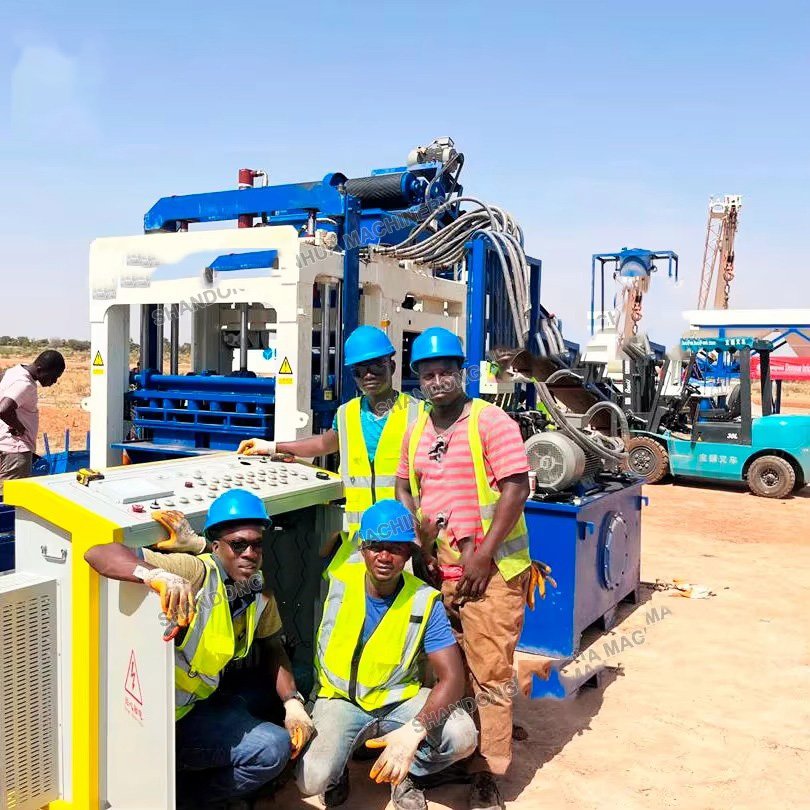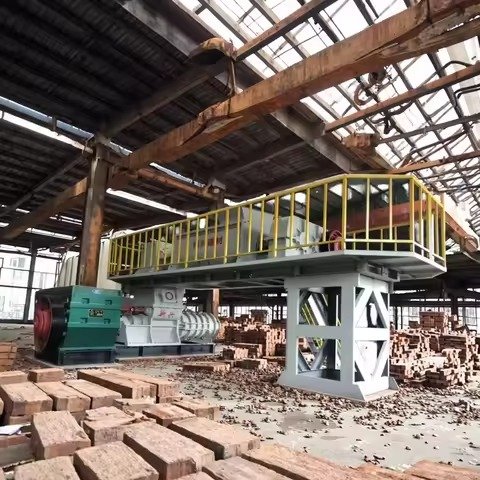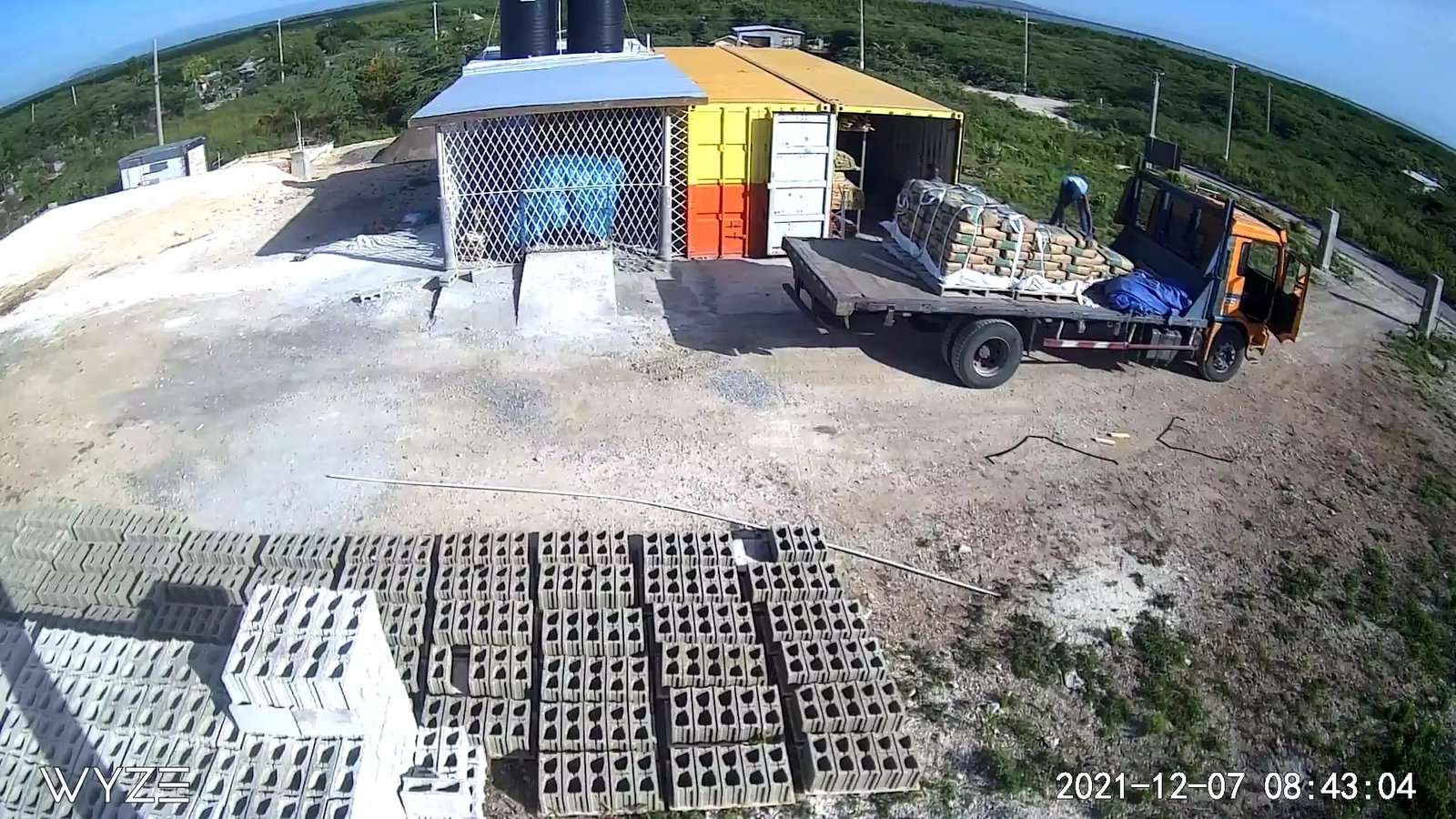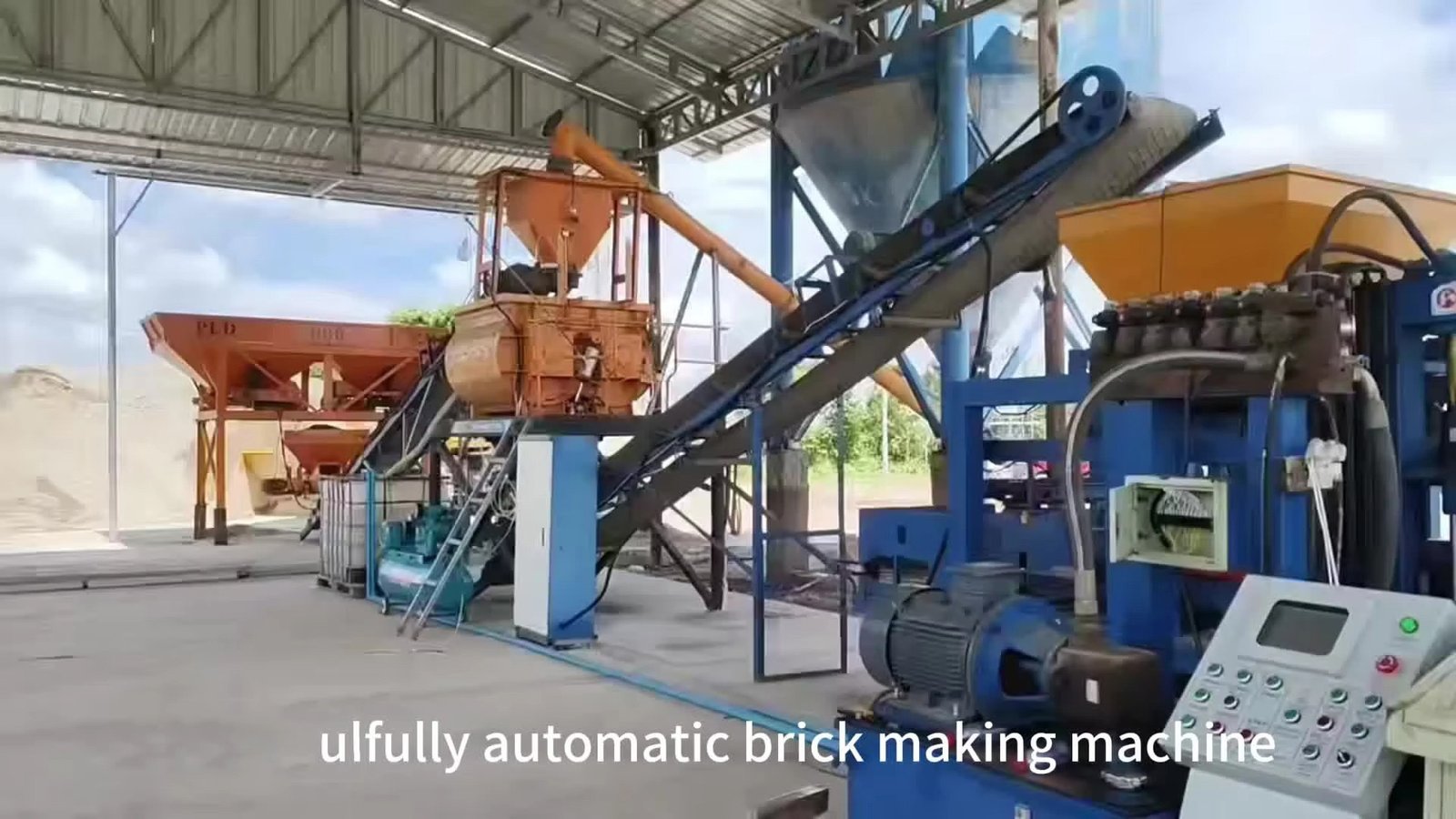
Local production cuts transport expenses. Factory owners control quality directly. Communities create jobs while meeting urgent housing demands. This article explores practical methods for manufacturing Mampara bricks efficiently, covering equipment options, production processes, cost calculations, and proven strategies from African manufacturers.
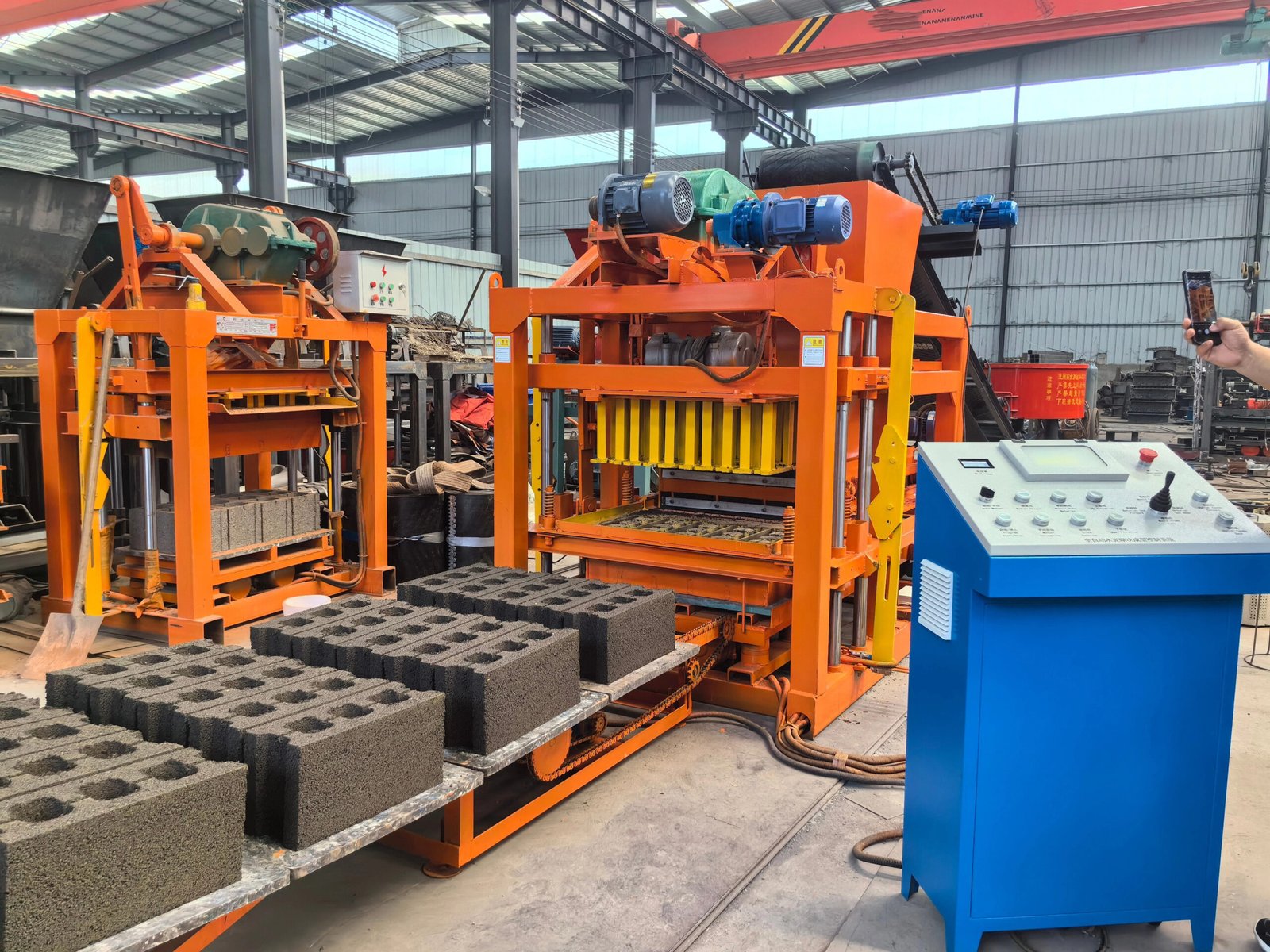
Start Your Low-Cost Brick Production Journey
Discover how South African builders reduce inner wall construction costs by up to 40% through modern brick making machine technology. MAIKONG provides complete solutions for manufacturers of all sizes.
What Are “Mampara” Bricks and Why Choose Them?
The term “Mampara” commonly refers to cement blocks used for non-load-bearing inner walls throughout South Africa. These blocks differ significantly from standard clay bricks or concrete blocks designed for structural walls. Understanding these differences helps builders select appropriate materials for specific construction needs.
Composition and Characteristics
Mampara bricks typically contain cement, sand, and sometimes fly ash or other aggregate materials. The mixture uses less cement than structural concrete blocks, reducing material costs substantially. This composition creates blocks suitable for partition walls where high compressive strength isn’t essential.
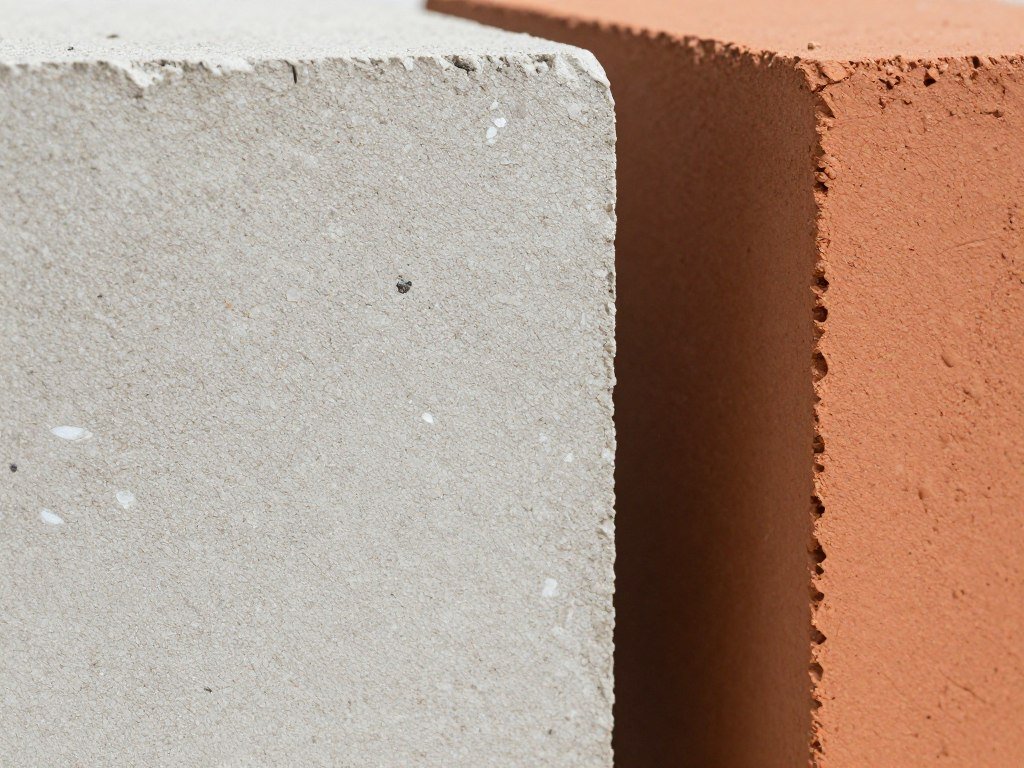
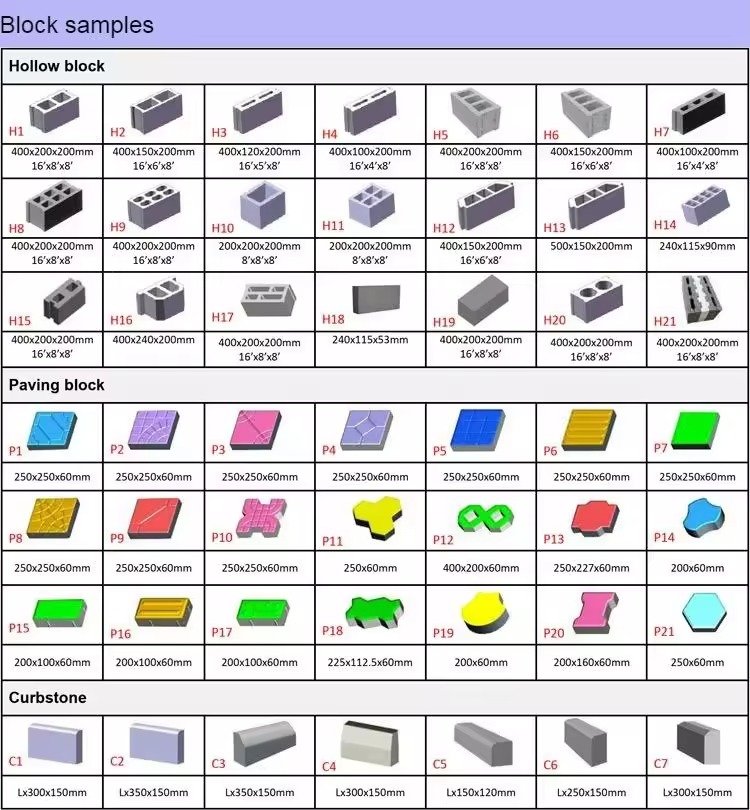
Standard dimensions match common building practices. Most Mampara blocks measure 400mm x 200mm x 200mm, though manufacturers produce various sizes based on market requirements. The blocks often feature hollow cores to reduce weight and material usage while maintaining adequate strength for their intended purpose.
Applications in Modern Construction
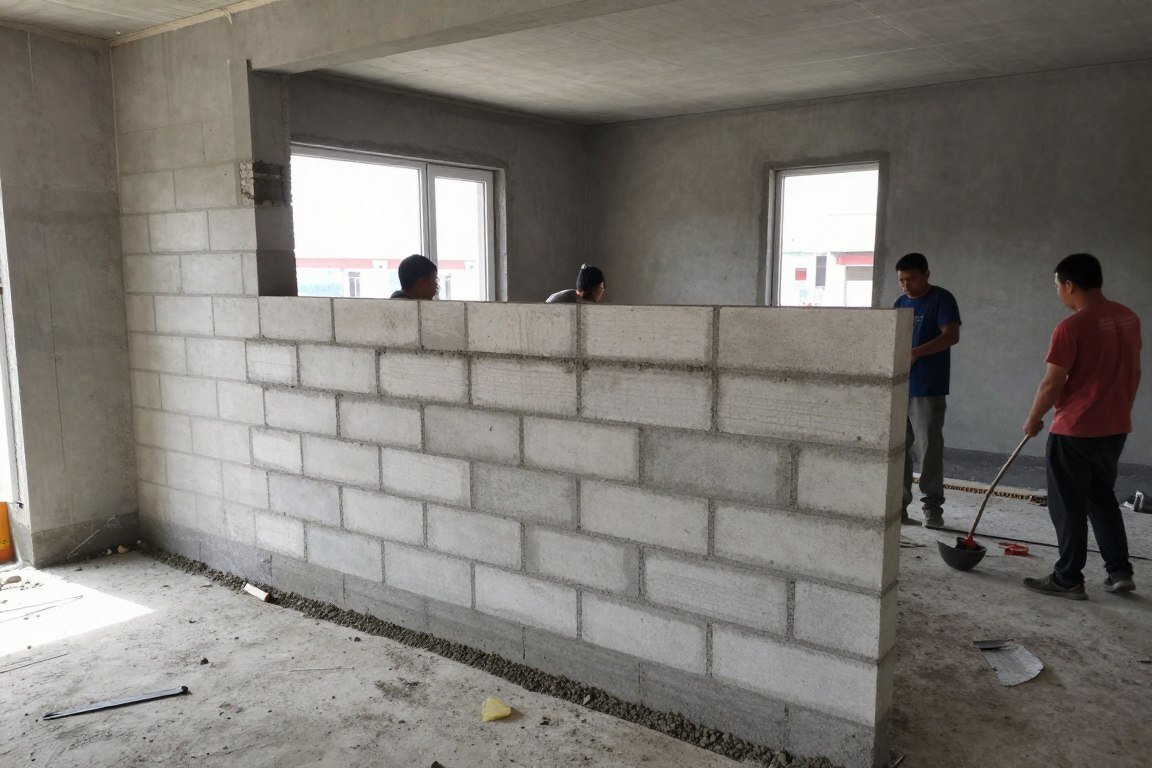
Builders throughout South Africa employ Mampara bricks for interior partitions in residential and commercial buildings. These blocks work well for dividing rooms, creating storage spaces, and separating bathroom facilities. Their lower cost makes them ideal for government housing projects where budget constraints limit material choices.
Typical Uses
- Room dividers in houses and apartments
- Internal bathroom walls
- Storage room partitions
- Office cubicle walls
- Non-structural boundary walls
- Temporary construction site structures
Cost Advantages Over Traditional Materials
The economic benefits drive widespread adoption. Mampara bricks cost 30-45% less than fired clay bricks for comparable applications. Transportation expenses drop because local production eliminates long-distance hauling from major brick kilns.
A standard clay brick in South Africa currently costs R2.50-R3.50 depending on location and quality. A comparable Mampara brick runs R1.20-R2.00 including production and local delivery. For a typical RDP house requiring 3,000 blocks for internal walls, builders save R3,900-R4,500 on materials alone.
Real-World Savings Example: A contractor building 50 RDP houses in KwaZulu-Natal switched from clay to Mampara bricks for all interior walls. Total material cost reduction reached R215,000 across the project while maintaining quality standards and meeting building code requirements.
Environmental Considerations
Unlike clay bricks requiring high-temperature firing that consumes significant energy, Mampara blocks cure naturally or with minimal steam treatment. This process generates far lower carbon emissions. Many producers use recycled materials like fly ash from power stations, reducing waste disposal problems.
Water usage during production stays moderate. A typical small brick making machine consumes 3-5 tons of water daily, easily managed through rainwater harvesting or municipal connections. The curing process requires periodic moisture but nothing compared to traditional brick kiln water demands.
Production Methods for “Mampara” Brick Manufacturing
Several production approaches exist, each offering different investment levels, output capacities, and labor requirements. Manufacturers choose methods based on capital availability, target production volume, and local market conditions.
Manual Production Systems
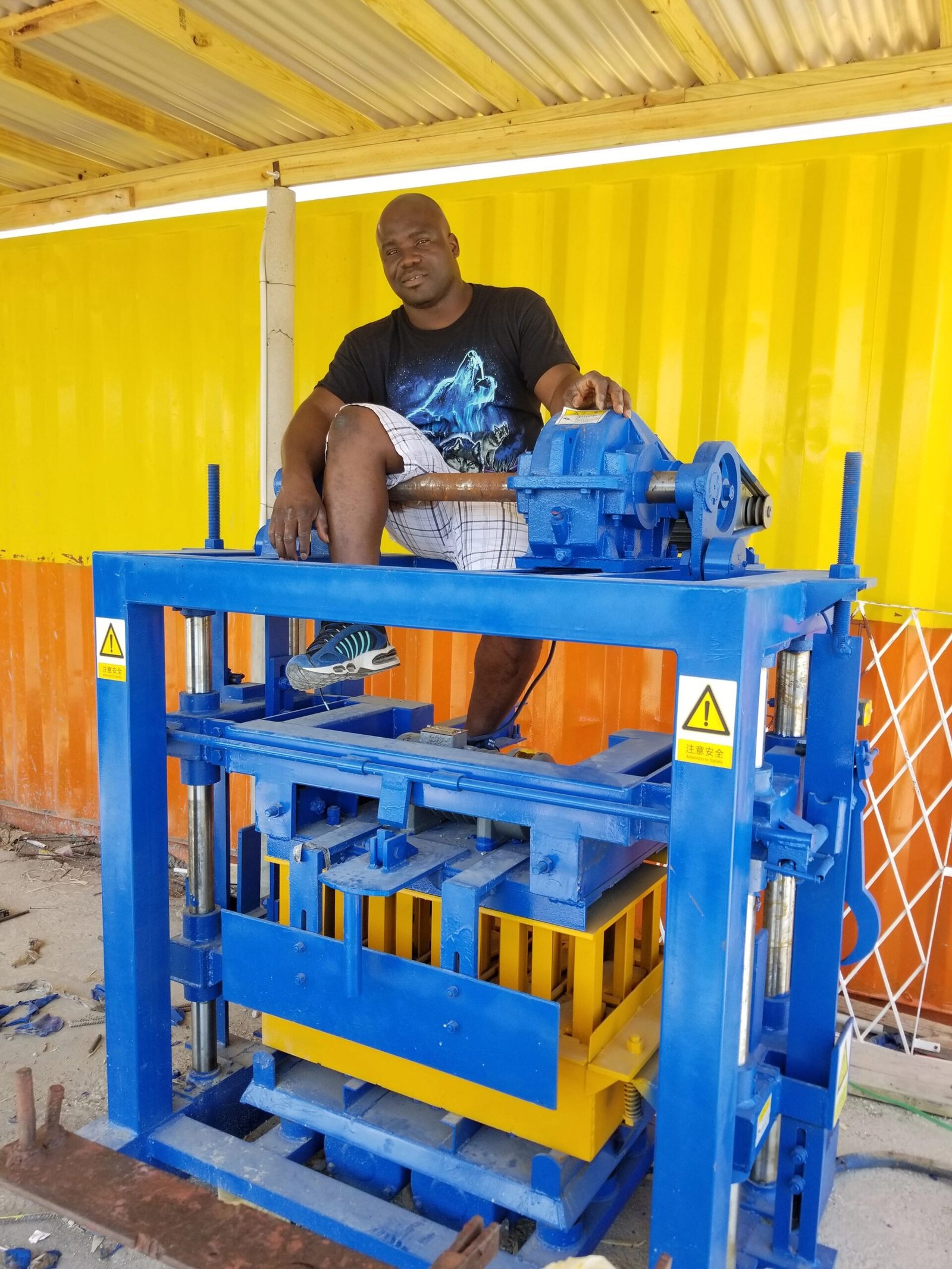
The most accessible entry point involves manual brick making machines. These mechanical presses require human operation but significantly improve consistency compared to hand-molding techniques. Operators load the mold cavity with material mixture, apply pressure through a lever mechanism, and eject the formed block.
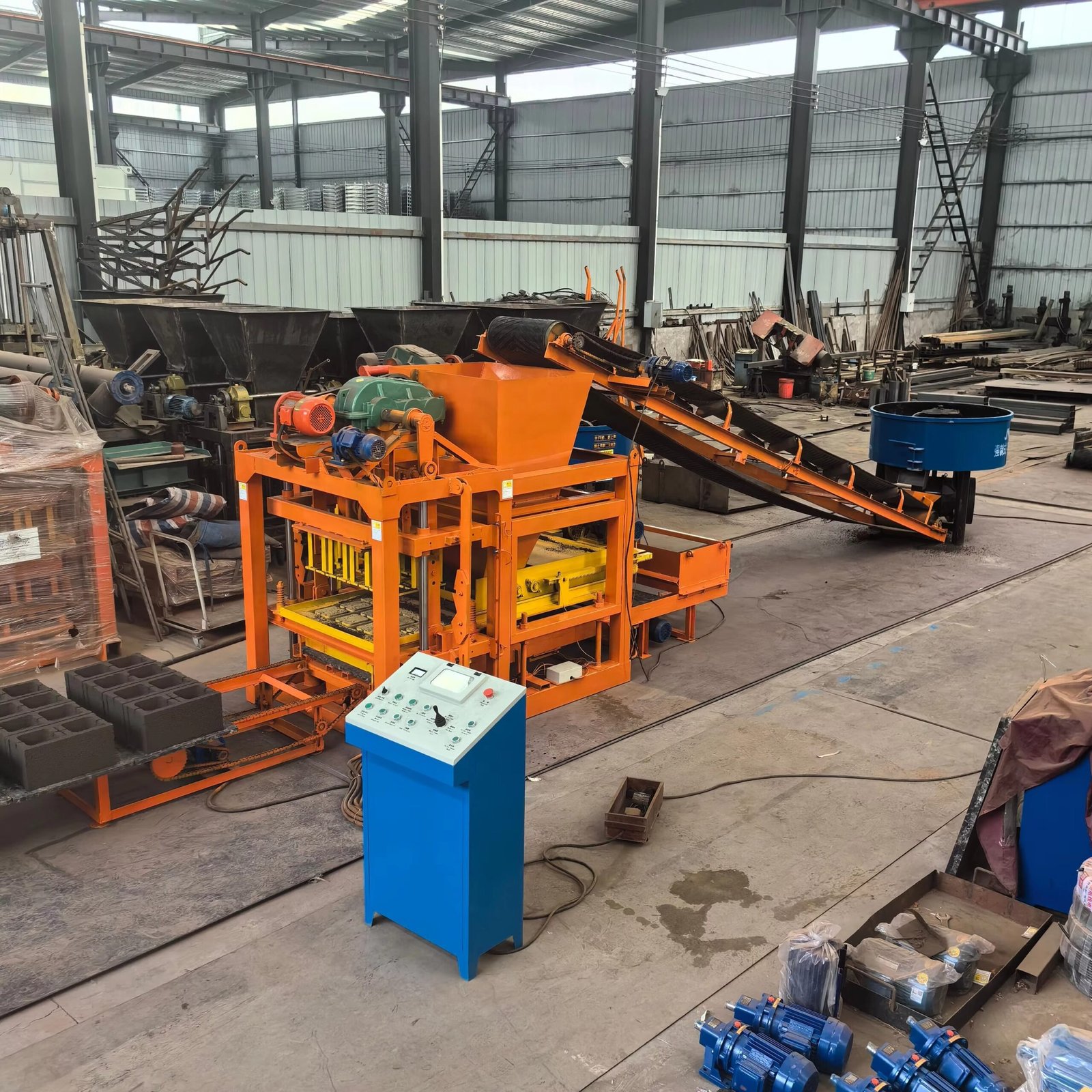
Output ranges from 500-800 blocks per 8-hour shift with 2-3 workers. Initial investment stays low, typically R15,000-R35,000 for a quality manual brick making machine. This method suits small entrepreneurs, farm operations, and community development projects where capital remains limited.
Manual Production Advantages
- Minimal capital investment required
- No electrical power needed for operation
- Easy maintenance with basic tools
- Portable equipment for on-site production
- Suitable for remote locations
- Creates employment in rural areas
Semi-Automatic Equipment
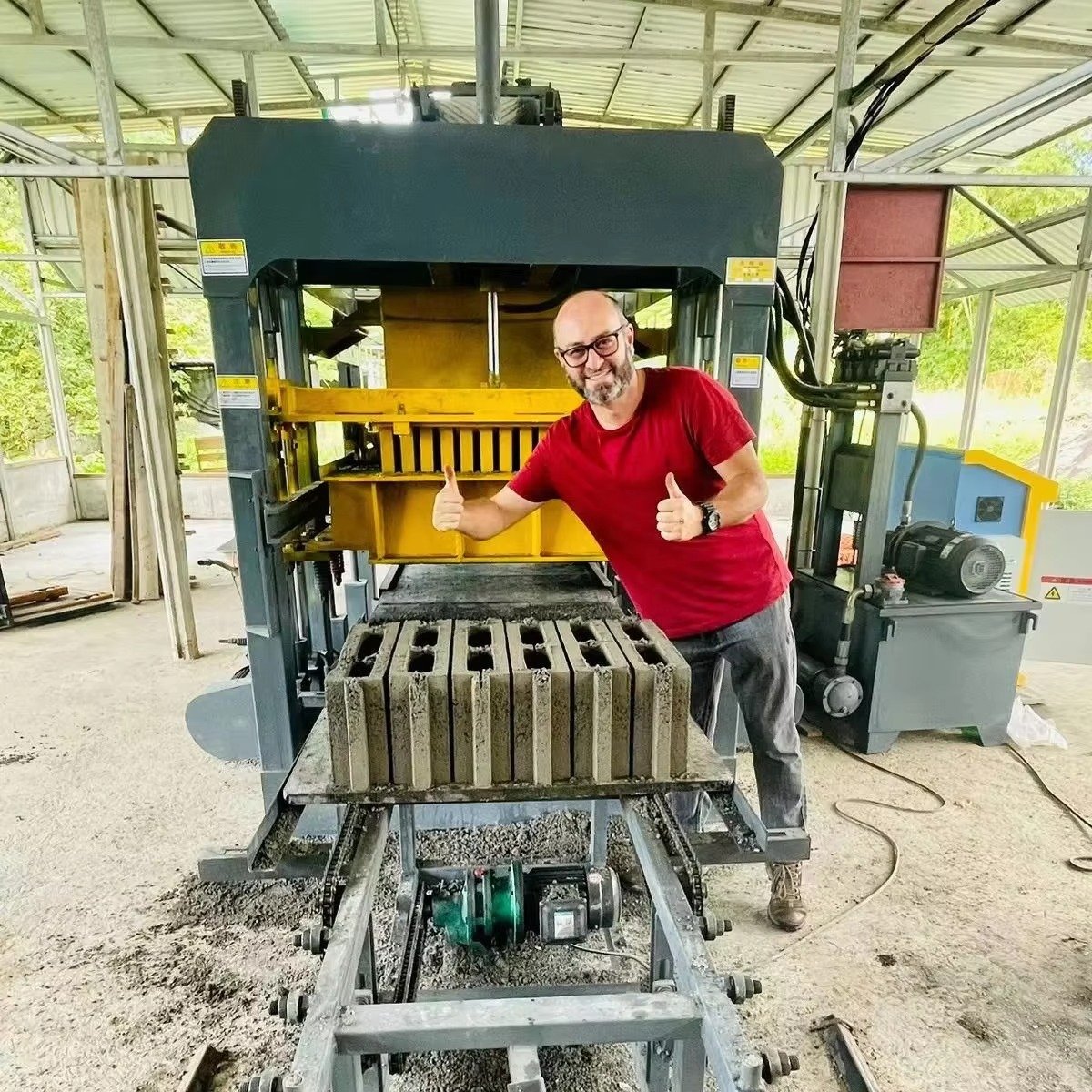
Mid-scale producers often select semi-automatic systems combining mechanical assistance with some manual operations. These machines feature motorized vibration systems for better compaction while workers handle material loading and block removal. The MAIKONG Qt4-26 model represents this category well.
Production capacity increases to 2,000-3,000 blocks daily with just 2-3 laborers. The vibration system improves block density and strength compared to manual compaction. Automatic material feeding systems reduce worker fatigue while maintaining consistent quality throughout production runs.
Semi-Automatic System Features
- Electric motor-driven vibration
- Automatic material dispensing
- Push-pull mold system
- Consistent block dimensions
- Adjustable pressure settings
- Multiple mold options
Operational Requirements
- 380V/220V AC power supply
- 40m² covered workspace
- 600-700 curing pallets
- 3-5 tons daily water supply
- 2-3 trained operators
- Basic cement mixer
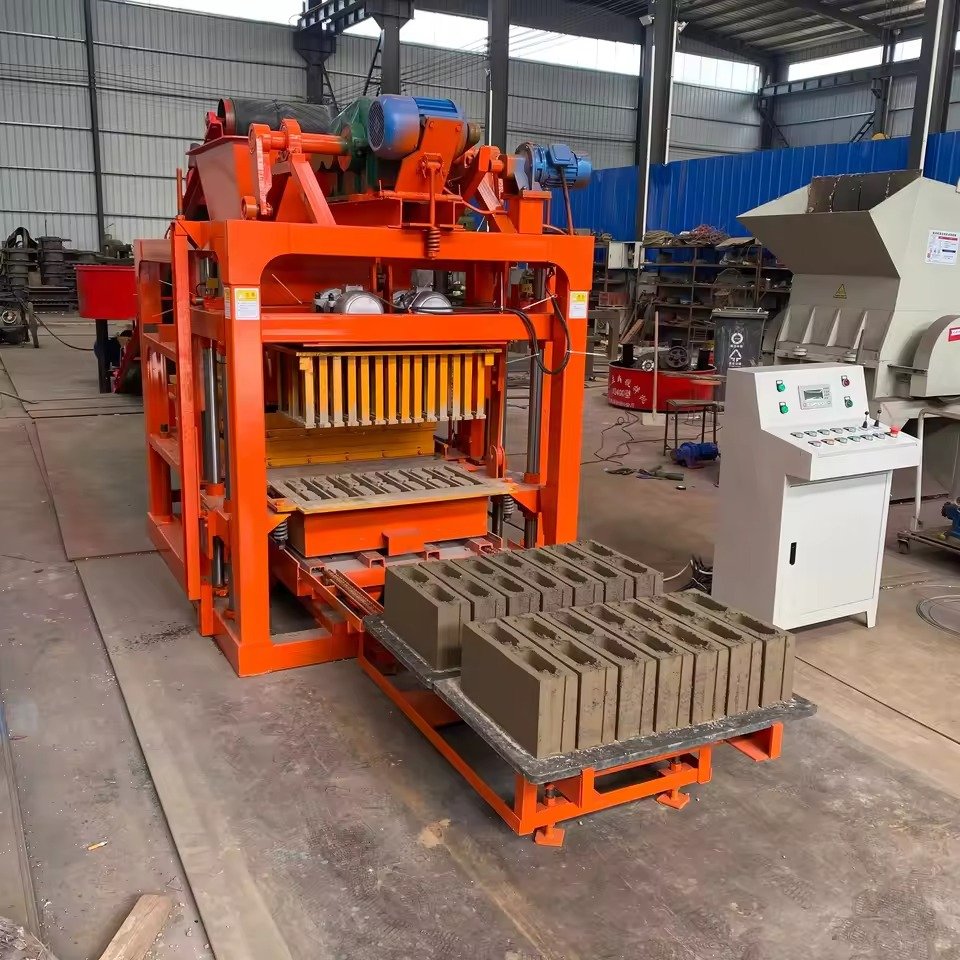
Fully Automatic Production Lines
Large-scale manufacturers invest in fully automatic systems producing 10,000+ blocks daily. These installations feature computerized controls, automatic batching systems, robotic block handling, and integrated curing chambers. Investment ranges from R850,000-R2,500,000 depending on capacity and automation level.
Automatic lines suit established building material suppliers, large construction firms maintaining captive production facilities, and entrepreneurs targeting commercial markets. The equipment handles everything from raw material storage through final product packaging with minimal human intervention.
Choose Your Ideal Production Equipment
MAIKONG offers brick making machines for every budget and production scale. From manual presses at R18,000 to fully automatic lines, we provide solutions matched to your specific needs. Our South African technical team helps you select optimal equipment.
Raw Materials and Mixture Formulations
Material selection and proper proportioning directly impact final block quality, production costs, and manufacturing efficiency. Understanding ingredient roles helps producers optimize formulations for local conditions and material availability.
Essential Ingredients
Basic “Mampara” brick production requires cement, sand, aggregate, and water. Optional additives improve specific properties or reduce costs. The ratio between components determines strength, durability, and appearance characteristics.
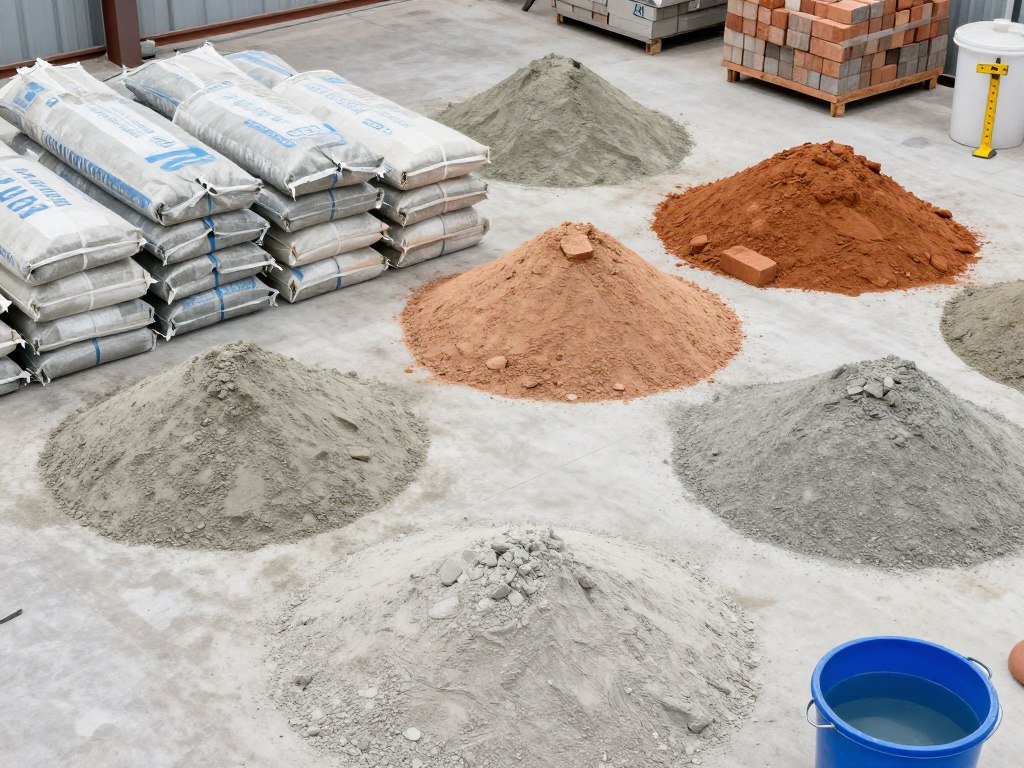
Cement
Portland cement provides binding strength. Most Mampara brick formulations use 10-15% cement by volume, significantly less than structural concrete requiring 15-20%. This reduction delivers the primary cost advantage while maintaining adequate compressive strength for non-load-bearing applications.
Quality matters despite lower quantities. Use 42.5 grade cement meeting SANS 50197-1 specifications. Cheaper cement grades produce weaker blocks prone to cracking during curing or handling. The modest price difference becomes insignificant compared to product failure costs.
Sand and Aggregates
Sand comprises 60-70% of the mixture volume. Clean river sand or manufactured sand work well. Avoid beach sand containing salt that causes efflorescence and corrosion problems. Particle size should range from 0.5mm to 4mm for optimal packing density.
Coarse aggregate (4mm-10mm) fills 15-25% of the volume. Crushed stone or gravel provide dimensional stability and reduce shrinkage during curing. Some producers substitute crushed brick waste or recycled concrete, cutting material costs while supporting sustainability goals.
Water Quality and Quantity
Clean water free from oils, acids, or organic contaminants ensures proper cement hydration. Municipal tap water works perfectly. Borehole water needs testing for dissolved salts potentially affecting strength development.
Water-to-cement ratio critically influences final strength. Target 0.40-0.45 by weight. Too much water creates weak blocks that crumble easily. Insufficient water prevents proper compaction and leaves voids reducing durability. Adjust quantities based on sand moisture content, which varies with storage conditions and weather.
Standard Mixture Formulations
Several proven recipes suit different applications and local material availability. These proportions represent starting points for testing and adjustment.
| Formulation Type | Cement (kg) | Sand (kg) | Stone (kg) | Water (liters) | Yield (blocks) | Strength (MPa) |
| Standard Economy | 50 | 280 | 140 | 22 | 65-70 | 3.5-4.0 |
| Improved Quality | 50 | 250 | 150 | 20 | 60-65 | 4.5-5.0 |
| High Strength | 50 | 220 | 160 | 19 | 55-60 | 5.5-6.0 |
| Fly Ash Blend | 35 | 200 | 140 | 18 | 60-65 | 4.0-4.5 |
Note: Fly Ash Blend includes 50kg fly ash partially replacing cement and sand. Strength develops more slowly but reaches comparable levels after 28 days.
Mixing Techniques
Proper mixing ensures uniform distribution of all components. Inadequate mixing creates weak spots where cement concentration varies. Overmixing wastes energy without improving quality.
Small operations often use tilting drum mixers. Load dry ingredients first – cement, sand, aggregate. Mix for 60-90 seconds. Add water gradually while mixing continues for another 90-120 seconds. The mixture should hold shape when squeezed but crumble when dropped from waist height.
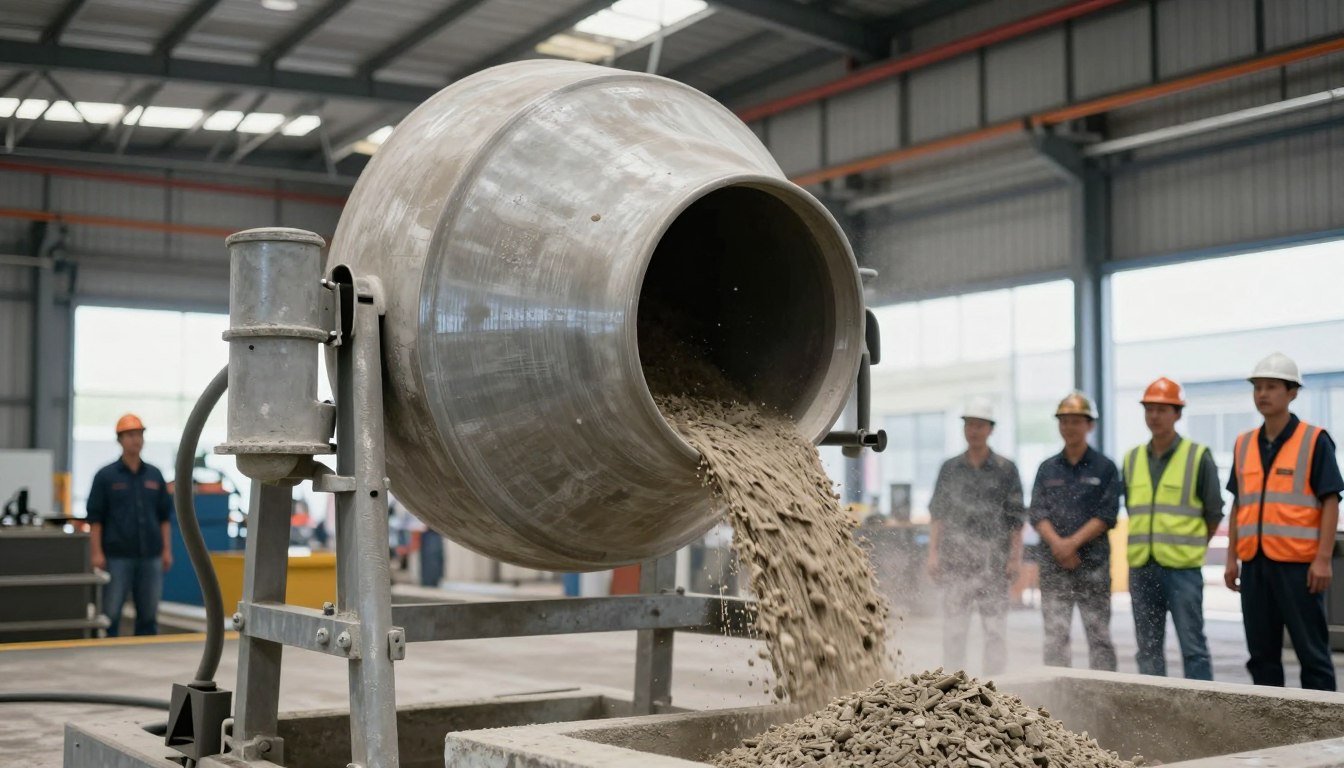
Medium to large factories install automatic batching systems weighing ingredients electronically. These systems ensure consistent proportions batch after batch, eliminating human error that causes quality variation. MAIKONG automatic brick making machines integrate with computerized batching plants for seamless production flow.
Mixing Process Steps
- Weigh all dry ingredients accurately using calibrated scales
- Load cement and dry aggregate into mixer drum
- Run mixer for 60 seconds to blend dry materials
- Add 75% of required water while mixer operates
- Continue mixing for 90 seconds observing consistency
- Add remaining water gradually to achieve target workability
- Mix for final 30 seconds ensuring uniformity
- Discharge immediately into brick machine hopper
Quality Control Testing
Regular testing prevents costly mistakes. Simple field tests catch problems before they affect large production batches.
The squeeze test checks water content. Grab a handful of mixed material and squeeze firmly. Open your hand. The mixture should maintain its shape without crumbling or dripping water. Drop it from waist height onto a hard surface. It should break into several chunks, not remain intact or disintegrate completely.
Periodic strength testing validates formulation effectiveness. Make test blocks from each day’s production. Cure them alongside regular production. Test compressive strength after 7 and 28 days using proper equipment. Results guide formulation adjustments maintaining quality standards.
Step-by-Step “Mampara” Brick Production Process
Understanding each production stage helps manufacturers optimize operations, identify efficiency improvements, and troubleshoot quality problems. The process remains similar across manual, semi-automatic, and automatic systems though specific techniques vary.
Preparation Phase
Successful production begins with proper workspace organization and material staging. Clean, organized facilities improve safety and productivity while reducing product damage during handling.
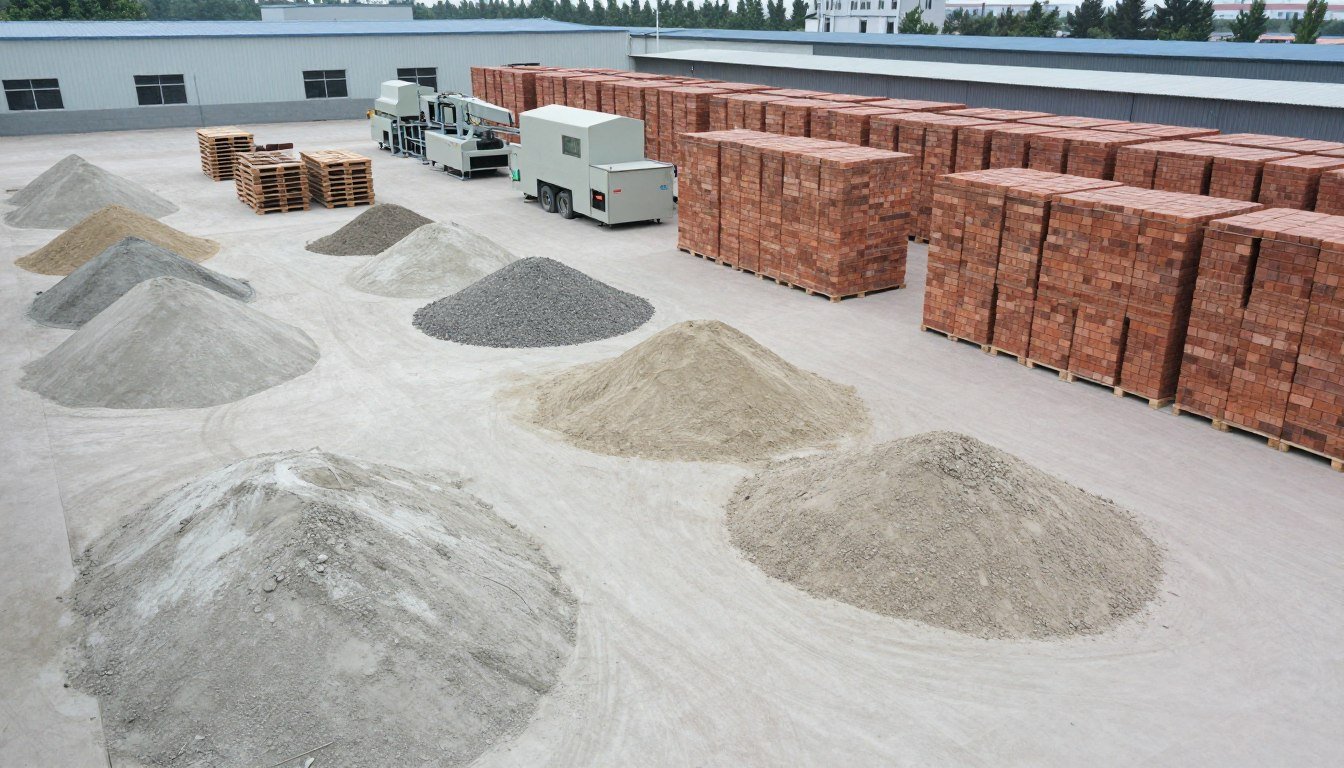
Workspace Setup
Allocate distinct areas for raw material storage, mixing operations, block formation, and curing. Keep materials dry and protected from weather. Cover cement bags completely as moisture exposure ruins cement quality rapidly. Store sand and aggregate in separate bays preventing cross-contamination.
Position the brick making machine on level, stable ground. Uneven surfaces cause dimensional variations in finished blocks. Ensure adequate space around equipment for material handling and maintenance access. Most semi-automatic machines need 40-50m² including material staging areas.
Block Formation
This critical stage transforms mixed material into shaped blocks. Proper technique ensures consistent dimensions, adequate density, and sufficient strength development.
Manual Machine Operation
Workers load prepared mixture into the mold cavity. Fill evenly to prevent density variations. Apply the lever firmly and consistently to compact material. Hold pressure for 2-3 seconds allowing particles to settle before release. Eject the block carefully onto a pallet.
Quality depends heavily on operator skill. Train workers thoroughly on filling techniques, pressure application, and timing. Experienced operators produce 600-800 good blocks per shift. New workers need 2-3 days practicing before achieving acceptable consistency.
Semi-Automatic Process
Equipment like the MAIKONG Qt4-26 model automates several steps. The machine’s vibration box applies consistent compaction force. Automatic material feeding eliminates manual loading variability. The push-pull mold system speeds production cycles.
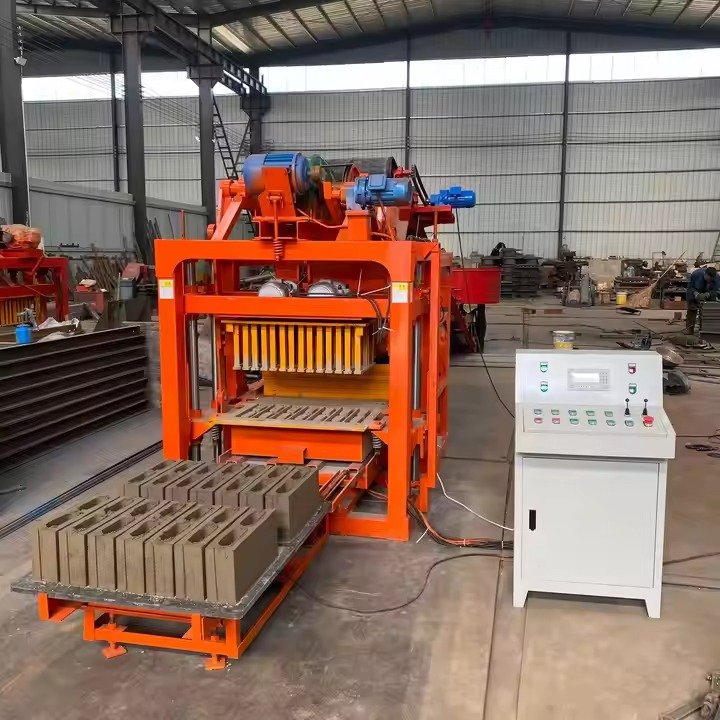
Operators monitor material flow, adjust pressure settings, and handle finished block transfer. Production reaches 2,000-3,000 blocks per 8-hour shift depending on block size and mixture characteristics. The 25-30 second forming cycle allows rapid production without sacrificing quality.
Automatic Production Lines
High-capacity systems handle block formation, transfer, and stacking robotically. Computerized controls maintain precise pressure, vibration frequency, and cycle timing. Production exceeds 10,000 blocks daily with minimal supervision.
These systems justify their higher cost through labor savings, consistent quality, and increased throughput. Large suppliers serving commercial construction projects benefit most from automatic equipment capabilities.
Curing Process
Newly formed blocks contain sufficient moisture for initial cement hydration but require proper curing to develop full strength. Inadequate curing produces weak blocks prone to cracking and durability problems.
Initial Handling
Blocks remain on pallets for 24-48 hours after formation. Handle gently during this period as green blocks damage easily. Stack pallets carefully allowing air circulation while protecting blocks from direct sun and wind causing rapid moisture loss.
Some producers apply light water misting after 4-6 hours if conditions are very hot and dry. Avoid soaking blocks which weakens them. Light misting maintains surface moisture without saturating the blocks.
Main Curing Period
After initial setting, blocks cure for 7-14 days before sale or use. Store in a shaded area maintaining moderate temperature and humidity. Water blocks lightly every 2-3 days depending on weather conditions. Consistent moisture accelerates strength development.
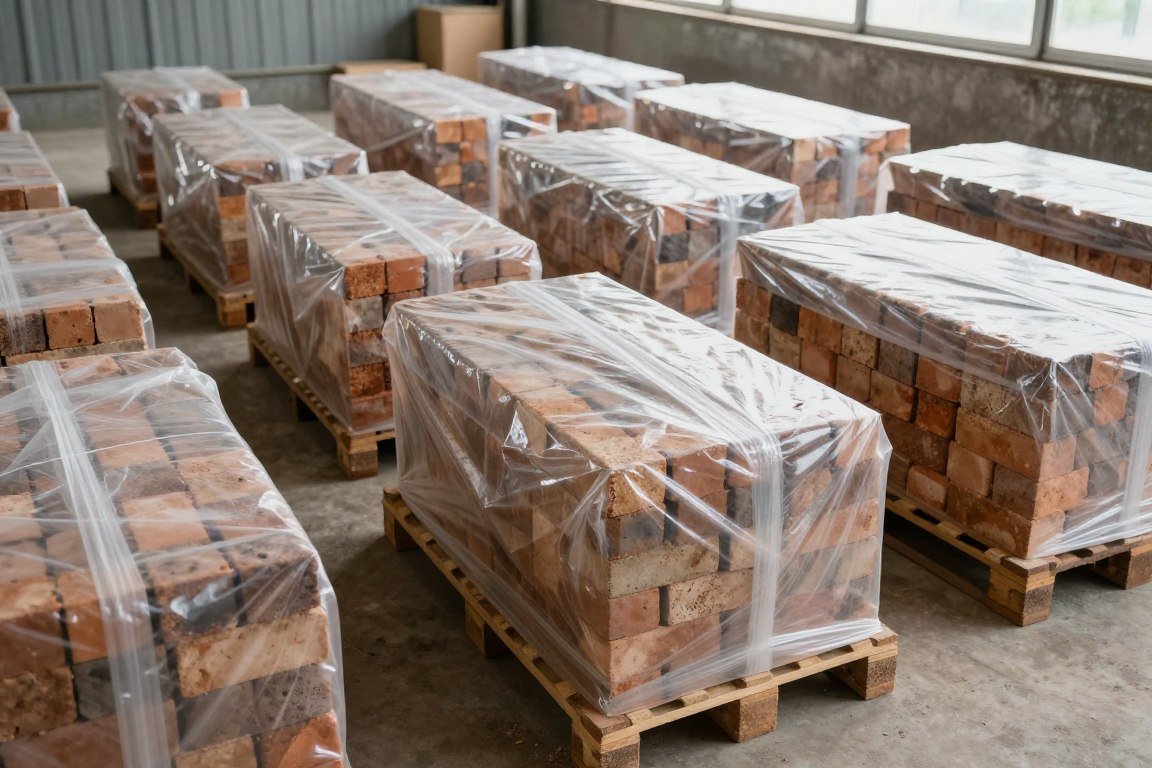
Strength develops progressively. Blocks reach 60-70% of final strength after 7 days, 90-95% after 14 days, and maximum strength after 28 days. Most manufacturers sell blocks after 7-10 days when handling strength is adequate though construction should ideally wait for fuller curing.
Steam Curing Acceleration
Some facilities use steam chambers accelerating strength development. Blocks cure in 24-48 hours reaching strengths equivalent to 7-14 days natural curing. This approach requires investment in steam generation equipment and curing chambers but dramatically increases production turnover.
Steam curing suits high-volume producers with consistent demand. The energy cost adds R0.15-R0.30 per block but faster turnover reduces working capital requirements and space needs.
Quality Inspection
Inspect blocks regularly throughout production and curing. Check dimensions, surface finish, edge condition, and color consistency. Reject blocks showing cracks, chips, or significant dimensional variation.
Visual Inspection Criteria
- Straight edges and square corners
- Smooth surface without major voids
- Uniform color throughout batch
- No visible cracks or chips
- Consistent dimensions within ±3mm
- Sharp edge definition
Common Defects and Causes
- Cracks – insufficient water or poor curing
- Rough surface – inadequate compaction
- Size variation – worn molds or uneven filling
- Color inconsistency – material proportion changes
- Crumbling edges – low cement content
- Surface pitting – entrapped air during filling
Master Efficient Production Techniques
MAIKONG provides comprehensive technical training for your production team. Our experienced African trainers teach proven methods optimizing output, quality, and profitability. Training available in English, Zulu, Xhosa, and Afrikaans.
MAIKONG Brick Making Machine Equipment Specifications
Selecting appropriate equipment determines production success. MAIKONG manufactures machines suited to every scale from individual entrepreneurs through large industrial operations. Understanding technical specifications helps buyers match equipment to their specific requirements.
Qt4-26 Semi-Automatic Model
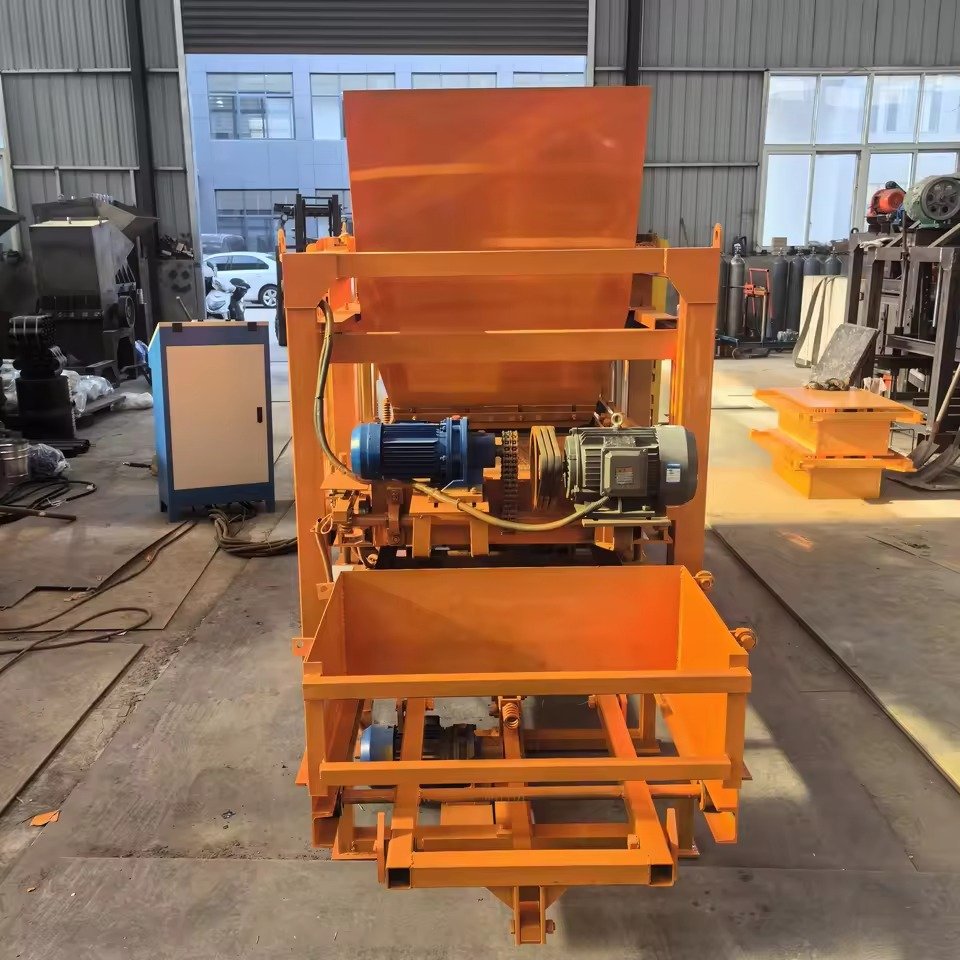
This mid-range block brick making machine delivers excellent performance for small to medium operations. The four-column guide design ensures consistent block formation. The specially developed vibration box provides strong compaction force producing dense, durable blocks.
Technical Parameters
| Specification | Value | Details |
| Total Rated Power | 12.35 KW | Includes motor, vibration system, hydraulics |
| Power Voltage | 380V/220V AC | Adaptable to South African grid standards |
| Daily Capacity | 2,000-3,000 pieces | Based on standard 400x200x200mm blocks |
| Forming Period | 25-30 seconds | Complete cycle from filling to ejection |
| Workshop Area | 40 m² | Minimum covered workspace requirement |
| Labor Quantity | 2-3 people | Operator plus material handlers |
| Pallet Quantity | 600-700 pieces | For continuous production flow |
| Water Consumption | 3-5 T/day | Includes mixing and curing needs |
| Dimensions | 2000x1800x2600mm | Length x Width x Height |
| Machine Weight | 1,700 kg | Requires solid foundation |
Key Features and Benefits
The automatic material dropping system eliminates manual feeding labor. Materials flow smoothly from the hopper into the mold cavity. This automation reduces filling time and improves mixture distribution for better block quality.
Push-pull die technology speeds production cycles. While one block forms and cures briefly, the mold prepares for the next cycle. This overlap cuts dead time between formations. The automatic brick discharging system safely transfers finished blocks to pallets without manual handling reducing breakage.
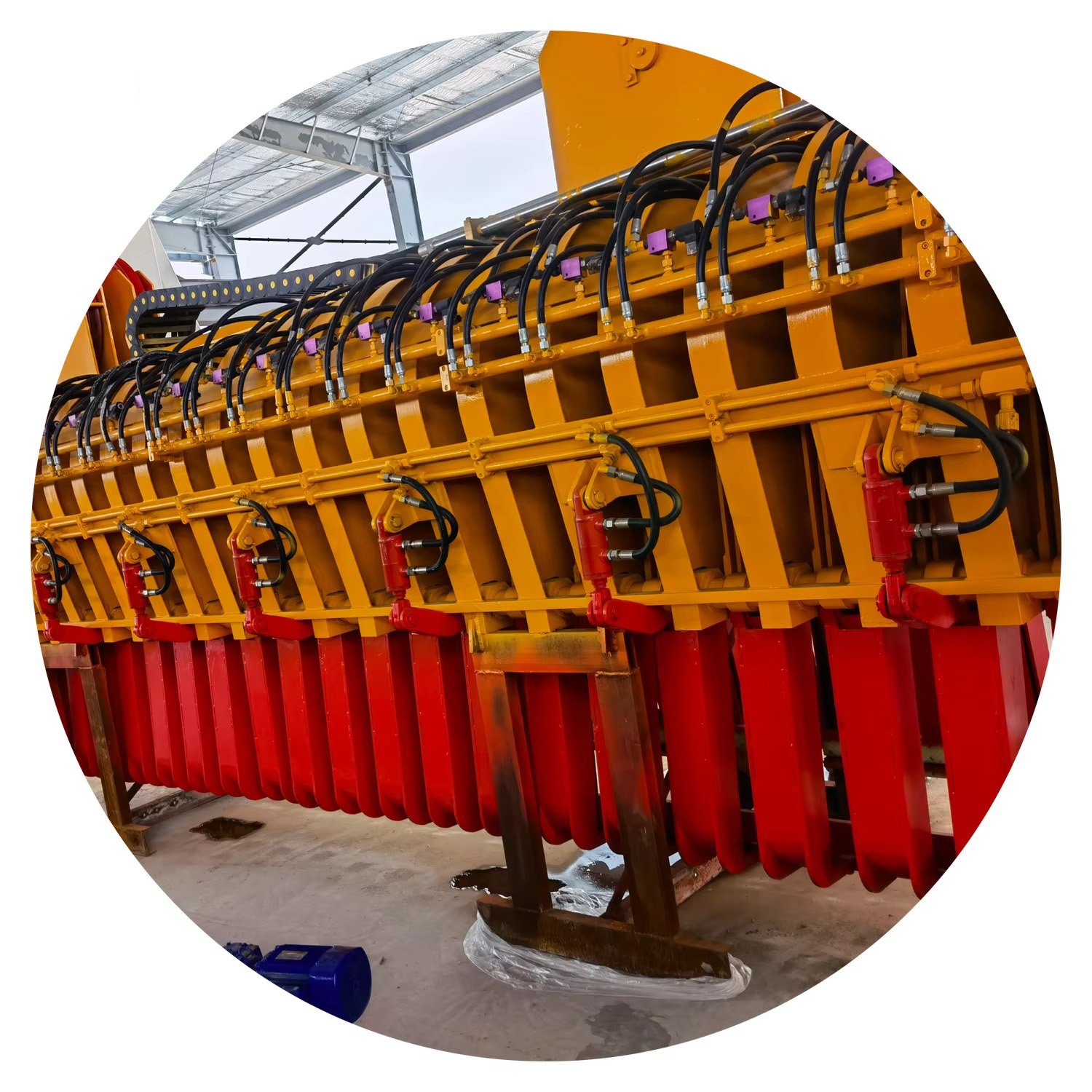
Mold flexibility represents a major advantage. Changing molds takes 15-20 minutes allowing production of hollow blocks, solid bricks, paving stones, and decorative tiles. This versatility helps manufacturers respond to varying market demands without multiple dedicated machines.
Standard Features Included
- Four-column precision guide system
- High-power vibration motor
- Automatic material feeding hopper
- Push-pull mold mechanism
- Hydraulic pressure system
- PLC control cabinet
- Emergency stop safety system
- Standard mold set (one size)
Optional Upgrades Available
- Additional mold sets (various sizes)
- Automatic pallet feeder system
- Block stacking robot arm
- Computerized production monitoring
- Remote technical support connection
- Spare parts startup kit
- Extended warranty coverage
- On-site installation service
Customer Support Services
- 24-month comprehensive warranty
- WhatsApp technical support line
- Video installation guidance
- Operator training materials
- Maintenance schedule templates
- Troubleshooting guides
- Spare parts availability
- Annual service visits option
Manual and Automatic Options
MAIKONG supplies equipment across the entire production spectrum. Manual brick making machines start from R18,000 suitable for small workshops and rural entrepreneurs. Small brick making machines in the R45,000-R85,000 range serve growing businesses ready to mechanize.
Automatic brick making machines handle high-volume commercial production. Complete production lines including batching plants, conveyors, and curing systems range from R850,000 to R2,500,000. These installations suit established building material suppliers and large construction firms.
Comparing Equipment Categories
| Equipment Type | Daily Output | Labor Needed | Power Requirement | Investment Range | Best For |
| Manual Press | 500-800 | 2-3 workers | None | R15,000-R35,000 | Startups, farms, rural projects |
| Small Electric | 1,000-1,500 | 2 workers | 5-7 KW | R45,000-R85,000 | Small factories, contractors |
| Semi-Automatic | 2,000-3,000 | 2-3 workers | 12-15 KW | R95,000-R185,000 | Medium producers, distributors |
| Automatic Line | 10,000-25,000 | 4-6 workers | 75-150 KW | R850,000-R2,500,000 | Industrial suppliers, large firms |
After-Sales Support Structure
MAIKONG maintains technical support infrastructure across Africa. Our South African team responds to WhatsApp inquiries within 2 hours during business hours. Video troubleshooting helps solve most problems remotely without expensive service visits.
Spare parts ship from regional warehouses in Ghana and South Africa. Common wear items like mold plates, vibration motors, and hydraulic seals arrive within 3-5 business days. This quick turnaround minimizes production downtime.

Annual maintenance visits available for large installations. Technicians perform complete machine inspection, replace wear parts, update software, and train operators on best practices. This proactive approach prevents expensive breakdowns during peak production periods.
Get Detailed Equipment Specifications
Download complete technical documentation for all MAIKONG brick making machine models. Includes CAD drawings, electrical schematics, maintenance schedules, and spare parts catalogs. Help your team make informed equipment decisions.
Production Cost Analysis and Profitability
Understanding true production costs separates successful manufacturers from struggling operations. Detailed cost tracking reveals optimization opportunities and supports accurate pricing decisions.
Material Cost Breakdown
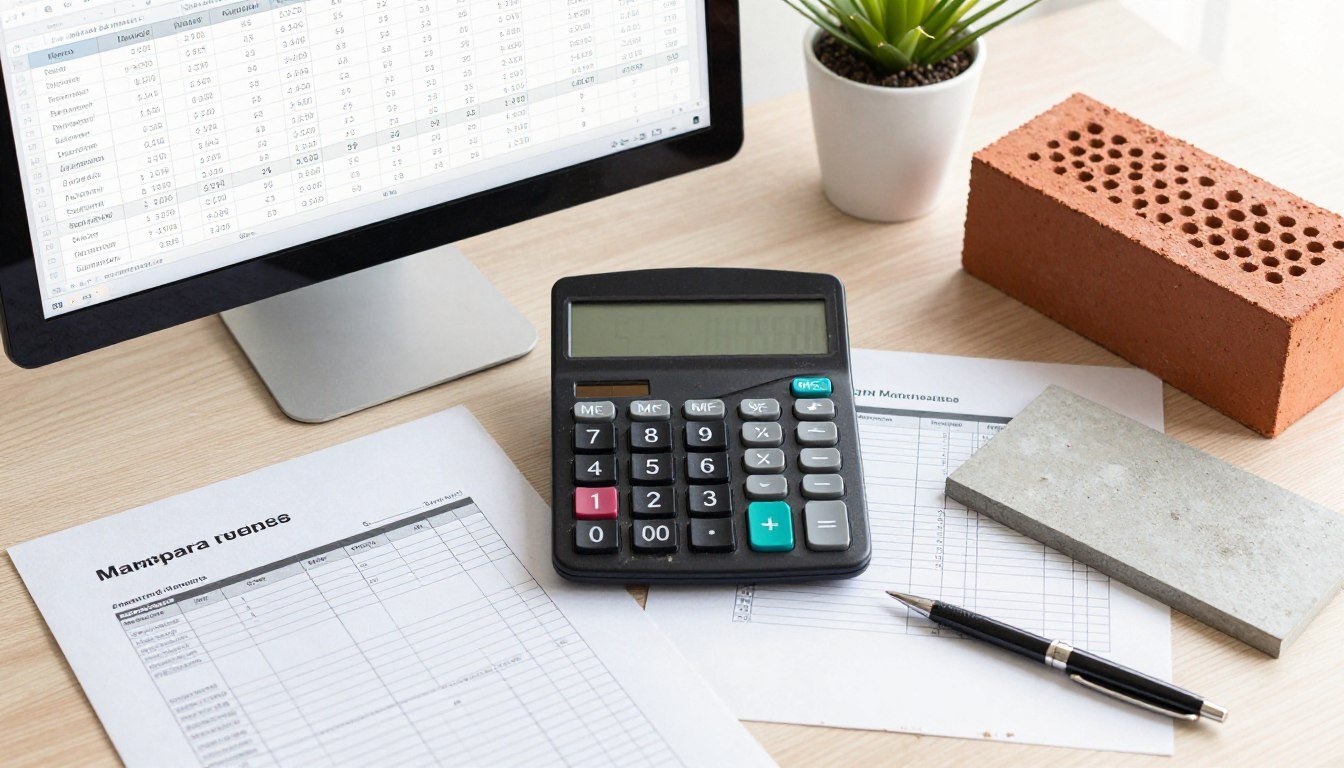
Raw materials represent 60-75% of total production costs. Cement prices fluctuate based on fuel costs and supply conditions. Current South African cement costs approximately R85-R95 per 50kg bag. Sand and aggregate run R180-R250 per ton depending on location and quality.
Standard Economy Formulation Cost
Using the economy mixture producing 65 blocks per batch:
| Material | Quantity | Unit Cost | Total Cost | Cost Per Block |
| Cement (42.5 grade) | 50 kg | R90.00 | R90.00 | R1.38 |
| Sand (washed river sand) | 280 kg | R0.22/kg | R61.60 | R0.95 |
| Stone (10mm aggregate) | 140 kg | R0.24/kg | R33.60 | R0.52 |
| Water (municipal supply) | 22 liters | R0.05/liter | R1.10 | R0.02 |
| Total Material Cost | – | – | R186.30 | R2.87 |
Labor and Operating Costs
Labor expenses vary significantly by production scale. A two-person team operating a semi-automatic machine produces 2,500 blocks daily. At R180 per worker per day, labor adds R0.14 per block.
Electricity costs remain modest. The Qt4-26 machine consumes 12.35 KW. Running 8 hours daily uses approximately 100 KWh. At R2.20 per KWh average industrial rate, electricity adds R220 daily or R0.09 per block for 2,500-block production.
Complete Cost Structure
| Cost Category | Daily Amount | Per Block (2,500 production) | Percentage of Total |
| Raw Materials | R7,175 | R2.87 | 68.5% |
| Direct Labor | R360 | R0.14 | 3.4% |
| Electricity | R220 | R0.09 | 2.1% |
| Equipment Depreciation | R350 | R0.14 | 3.3% |
| Maintenance & Repairs | R180 | R0.07 | 1.7% |
| Transport & Logistics | R450 | R0.18 | 4.3% |
| Overhead & Administration | R750 | R0.30 | 7.2% |
| Packaging & Pallets | R300 | R0.12 | 2.9% |
| Quality Control & Wastage | R680 | R0.27 | 6.5% |
| Total Production Cost | R10,465 | R4.19 | 100% |
Depreciation based on R125,000 equipment cost over 5-year useful life with 250 production days annually.
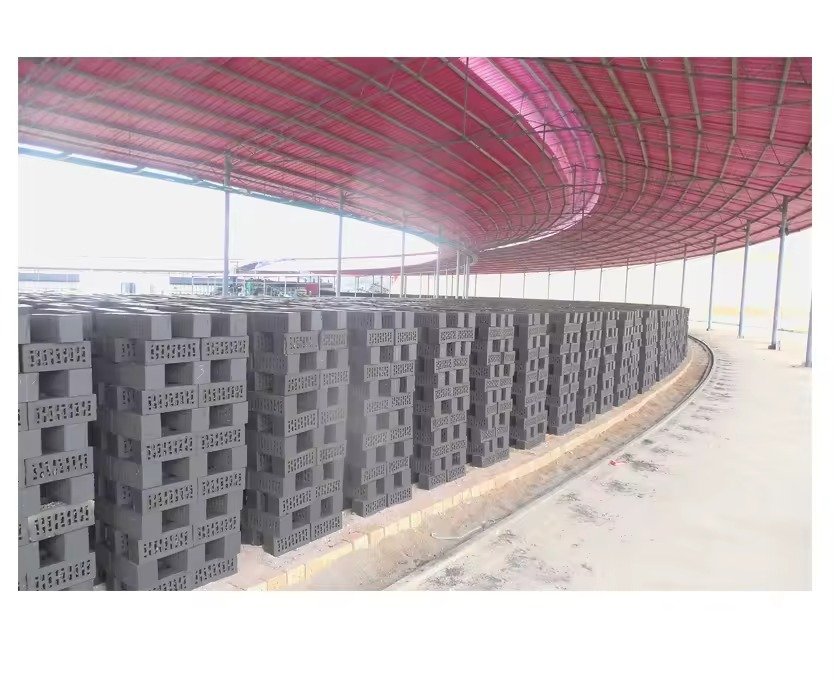
Profitability Analysis
Mampara bricks sell for R6.50-R8.50 depending on quality and local market conditions. Using conservative R7.00 selling price with R4.19 production cost yields R2.81 gross profit per block.
A small operation producing 2,500 blocks daily generates R7,025 gross profit per day. Operating 20 days monthly delivers R140,500 monthly gross profit. After accounting for fixed costs like facility rent, insurance, and administrative salaries, net profit typically reaches R85,000-R105,000 monthly for well-managed operations.
Return on Investment Calculation
Complete semi-automatic setup including Qt4-26 machine, mixer, pallets, and initial working capital requires approximately R185,000 investment.
Investment Recovery Timeline:
- Monthly Net Profit: R95,000 (average)
- Total Investment: R185,000
- Payback Period: 1.9 months (approximately 8 weeks)
- Annual Return: 616% (based on first-year performance)
These figures assume consistent production and sales. Market conditions, raw material price changes, and operational efficiency impact actual results. Successful manufacturers maintain detailed financial records tracking performance against these benchmarks.
Cost Optimization Strategies
Several approaches reduce production costs without compromising quality. Bulk material purchasing saves 8-12% compared to small quantity buying. Establish relationships with cement suppliers for volume discounts.
Optimize formulations continuously. Test different sand sources and aggregate types. Sometimes lower-cost materials perform equally well. A 5% cement reduction saving R0.07 per block adds R4,375 monthly profit for 2,500 daily production.
Reduce waste through better quality control. Each rejected block wastes R4.19. Improving from 8% to 4% waste rate saves R209 daily or R4,180 monthly. Training operators and maintaining equipment properly pays continuous dividends.
Quick Cost Reduction Tactics
- Negotiate cement supplier contracts
- Source local sand and aggregate
- Optimize water usage systems
- Improve operator training programs
- Schedule preventive maintenance
- Reduce electricity off-peak usage
- Streamline material handling
- Minimize transport distances
Revenue Enhancement Options
- Offer multiple block sizes
- Produce specialized products
- Develop direct customer relationships
- Establish delivery services
- Create bulk purchase incentives
- Target commercial contractors
- Participate in government tenders
- Build distributor networks
Successful African “Mampara” Brick Production Case Studies
Real-world examples demonstrate practical application of production principles. These case studies highlight challenges, solutions, and results achieved by manufacturers across Africa using MAIKONG equipment.
Case Study 1: Rural Cooperative – Eastern Cape, South Africa
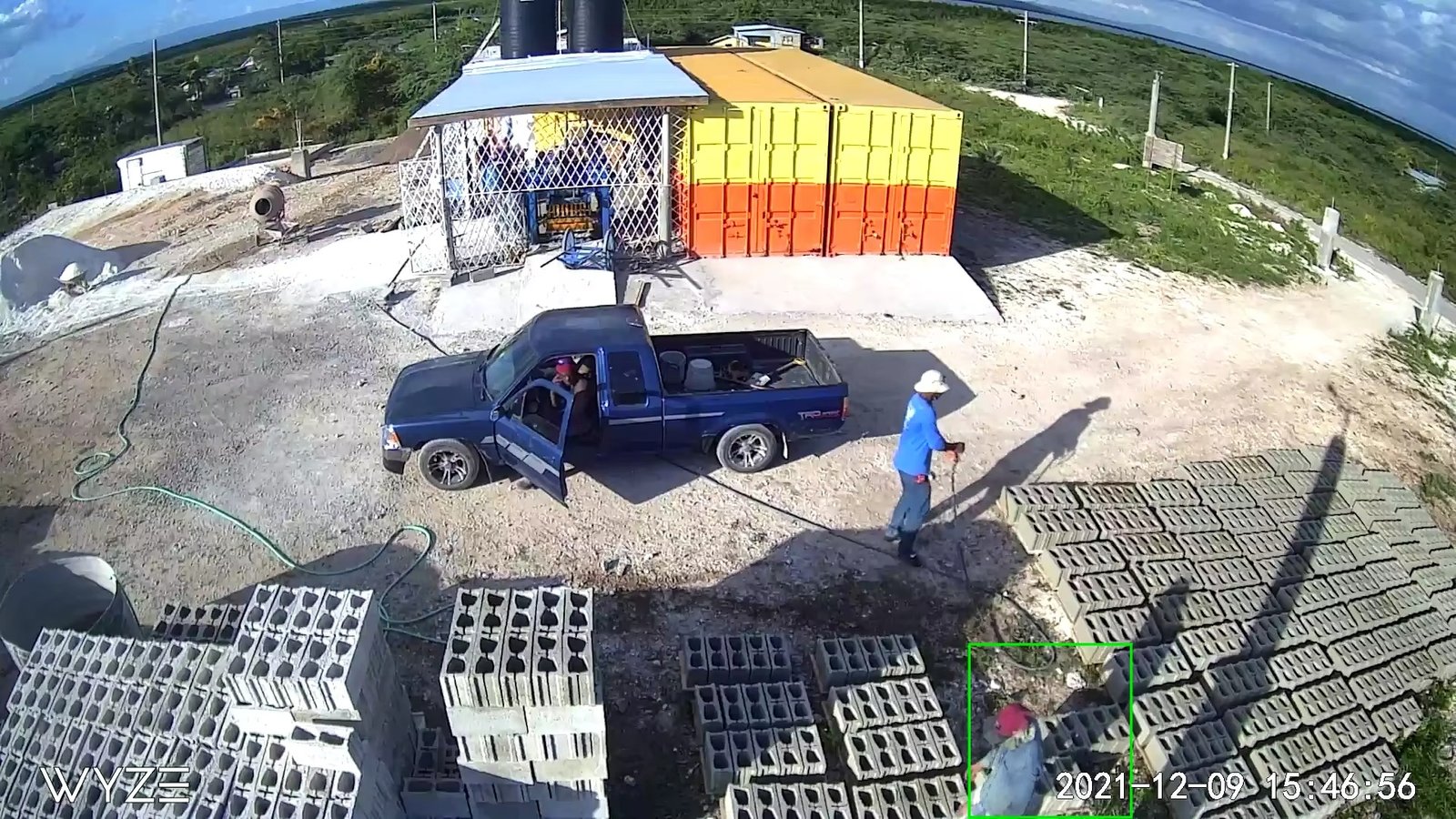
A community development cooperative in rural Eastern Cape established a brick production facility addressing local housing needs. The area suffered acute housing shortages with residents traveling 80km to purchase building materials.
Project Background
The cooperative received R250,000 grant funding from provincial government housing initiative. Fifteen community members received training. The facility would supply materials for local RDP housing construction while creating permanent employment.
Equipment Selection
After consulting MAIKONG technical team, the cooperative purchased:
- One Qt4-26 semi-automatic brick making machine
- One 500-liter tilting drum mixer
- 800 steel block pallets
- Hand tools and safety equipment
- Initial raw material stock (2 months supply)
Total equipment investment: R165,000. Remaining funds covered facility construction and working capital.
Implementation and Results
Production commenced after 3-week setup period. Initial output reached 1,800 blocks daily with 4-person team. After two months, efficiency improvements increased output to 2,400 blocks daily with same crew.
The cooperative sells blocks at R6.80, slightly below commercial suppliers but with immediate availability. First-year performance:
| Performance Metric | Target | Actual Result | Variance |
| Daily Production | 2,000 blocks | 2,350 blocks | +17.5% |
| Monthly Revenue | R272,000 | R319,800 | +17.6% |
| Production Cost/Block | R4.30 | R4.05 | -5.8% |
| Monthly Net Profit | R82,000 | R129,200 | +57.6% |
| Investment Recovery | 3.0 months | 1.9 months | -36.7% |
| Jobs Created | 4 positions | 7 positions | +75.0% |
Success factors included strong community support, effective training, consistent quality control, and reliable equipment performance. The cooperative expanded after 14 months, adding a second production shift and diversifying into paving blocks.
Case Study 2: Commercial Supplier – Lagos, Nigeria
An established building materials distributor in Lagos added Mampara brick production to their existing product range. The company recognized growing demand for affordable inner wall solutions as Lagos residential construction accelerated.
Strategic Approach
The distributor invested R850,000 in automatic production line including:
- Fully automatic block making machine (15,000 blocks/day capacity)
- Computerized batching plant
- Conveyor systems
- Steam curing chambers
- Robotic stacking equipment
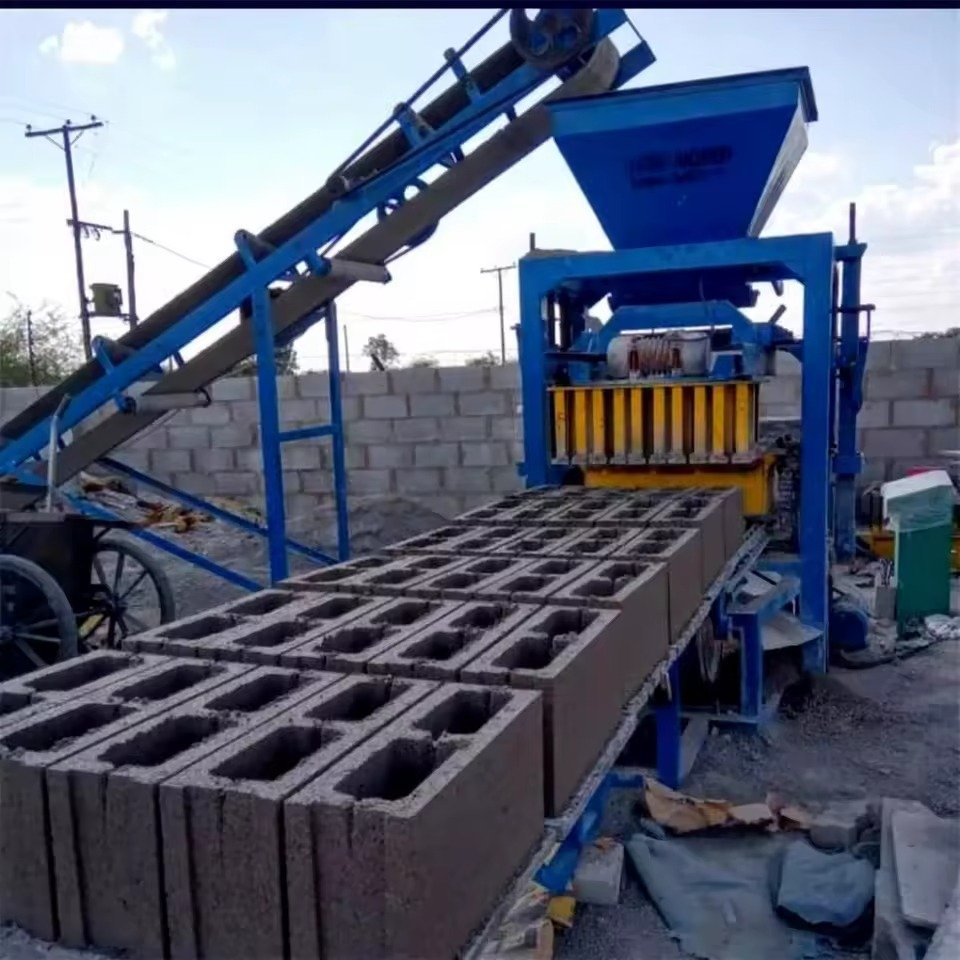
The facility operates two shifts producing 25,000 blocks daily. Eight workers manage the entire operation compared to 25-30 workers needed for equivalent manual production.
Market Impact
The company captured 18% of Lagos metropolitan Mampara brick market within first year. Consistent quality, reliable supply, and competitive pricing attracted major construction firms. Annual performance highlights:
- Total blocks produced: 6,250,000 units
- Annual revenue: R43,750,000
- Production cost per block: R3.85
- Average selling price: R7.00
- Gross profit margin: 45%
- Net profit (first year): R12,800,000
- ROI: 1,506% (first year)
The operation recovered initial investment in 10 weeks. Success stemmed from professional management, automated efficiency, aggressive marketing, and MAIKONG technical support ensuring minimal downtime.
Case Study 3: Contractor Captive Production – Accra, Ghana
A mid-sized construction contractor established in-house brick production serving their project needs. The company builds 200-300 residential units annually across multiple Accra developments.
Business Rationale
Previously purchasing blocks from external suppliers created problems:
- Inconsistent quality between different suppliers
- Delivery delays affecting construction schedules
- Price volatility impacting project budgets
- Limited customization options for specific applications
Captive production eliminated these issues while reducing material costs 35%.
Implementation Details
The contractor invested R195,000 in semi-automatic setup:
- Two Qt4-26 brick machines for production flexibility
- Two mixers allowing continuous operation
- 1,200 pallets supporting larger production runs
- Covered curing area (500m²)
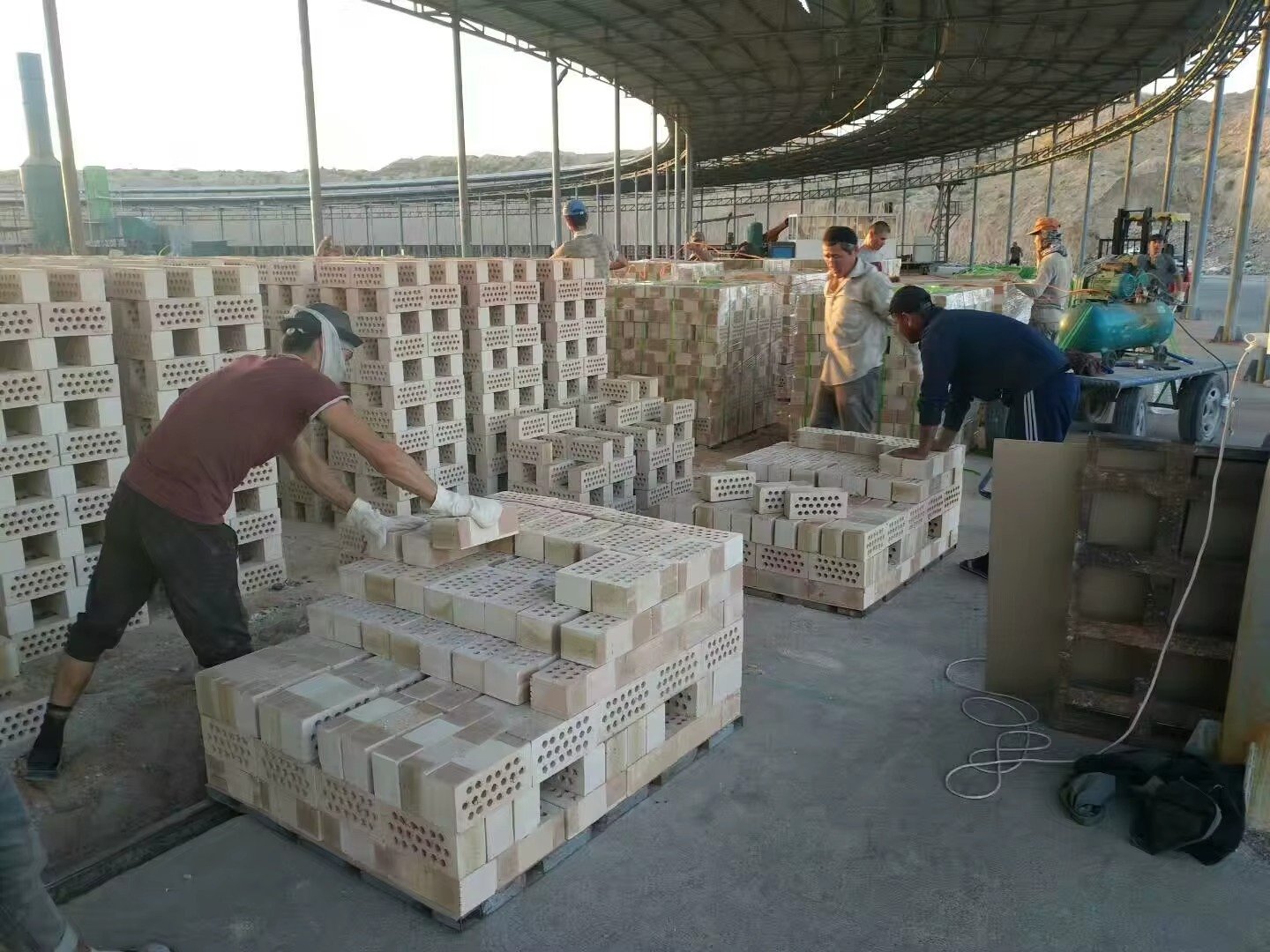
The facility operates adjacent to their main project site. Production scheduling aligns with construction needs. Excess capacity sells to local builders generating additional revenue.
Operational Benefits
Three-year performance demonstrates strategic value:
Cost Savings Achieved
- Material costs down 35% vs. purchasing
- Transport expenses reduced 60%
- Quality rejection rate improved from 12% to 3%
- Schedule delays from material shortages eliminated
- Total 3-year savings: R2,850,000
Additional Revenue Generated
- Excess capacity sold to market
- Custom block production for premium projects
- Special architectural features production
- Material supply contracts with other builders
- Total 3-year additional revenue: R1,920,000
The contractor now considers brick production a core competitive advantage. Quality control, cost predictability, and supply reliability contribute directly to profitability and reputation.
Common Success Factors
Analyzing these cases reveals patterns contributing to successful “Mampara” brick manufacturing:
- Appropriate Equipment Selection: Matching machine capacity to market demand and capital availability
- Comprehensive Training: Investing in operator skills and quality control procedures
- Quality Consistency: Establishing and maintaining production standards
- Financial Management: Tracking costs accurately and optimizing continuously
- Reliable Technical Support: Access to expert assistance preventing extended downtime
- Market Understanding: Aligning production with customer needs and preferences
- Operational Discipline: Following established procedures and maintenance schedules
Learn From Proven Success Stories
MAIKONG maintains detailed case study library featuring 50+ African manufacturing success stories. Access complete project documentation, financial analysis, and implementation guidance. Let experienced manufacturers’ lessons accelerate your success.
MAIKONG Partnership and Distribution Opportunities
MAIKONG actively seeks qualified partners across South Africa and throughout Africa. Our distributor network model creates mutually beneficial relationships supporting regional market development while providing partners excellent profit potential.
Why Partner With MAIKONG?
Our 26-year manufacturing history demonstrates commitment to quality and customer success. Over 100 countries worldwide use MAIKONG equipment. Our African presence grows rapidly with established support centers in Ghana, Nigeria, South Africa, and expanding throughout the continent.

Partner Benefits Package
- Competitive Margins: 25-35% dealer margins on equipment sales
- Exclusive Territories: Protected geographic areas preventing internal competition
- Technical Training: Comprehensive product knowledge and support training
- Marketing Support: Co-branded materials, digital assets, trade show assistance
- Demo Equipment: Display units and demonstration machines available
- Spare Parts Inventory: Consignment stock programs reducing partner investment
- Warranty Support: Factory backing for all warranty claims and service issues
- Business Development: Joint customer presentations and project consultations
Ideal Partner Profile
We seek partners with established presence in building materials, construction equipment, or related industries. Existing customer relationships and market knowledge accelerate success. Financial stability and commitment to professional service standards remain essential.
Partner Requirements
- Registered business entity in good standing
- Minimum 2 years industry experience
- Established customer base in target market
- Service capability including technical staff
- Adequate working capital for inventory
- Professional sales team
- Commitment to brand standards
- References from existing suppliers

Support Infrastructure
MAIKONG provides comprehensive support enabling partner success. Our regional technical teams conduct on-site training at partner facilities. Video conferencing capabilities facilitate real-time problem solving. Regular product updates keep partners informed about new developments and market opportunities.
Training Programs Available
- Equipment Operation and Maintenance (3-day intensive)
- Sales Techniques for Technical Products (2-day workshop)
- Production Process Consultation (5-day comprehensive)
- Quality Control and Testing Procedures (2-day practical)
- Business Management for Manufacturing (3-day seminar)
- Troubleshooting and Repair Techniques (4-day technical)
- Customer Service Excellence (1-day program)
- Market Development Strategies (2-day planning session)
Training occurs at MAIKONG facilities in China, regional centers in Africa, or partner locations. We customize programs addressing specific partner needs and market conditions. Ongoing refresher training keeps teams current with product improvements and industry developments.
Market Opportunities
African construction markets present enormous growth potential. Government housing initiatives across the continent drive demand for affordable building materials. Private residential development accelerates as middle-class populations expand. Infrastructure projects create additional opportunities.
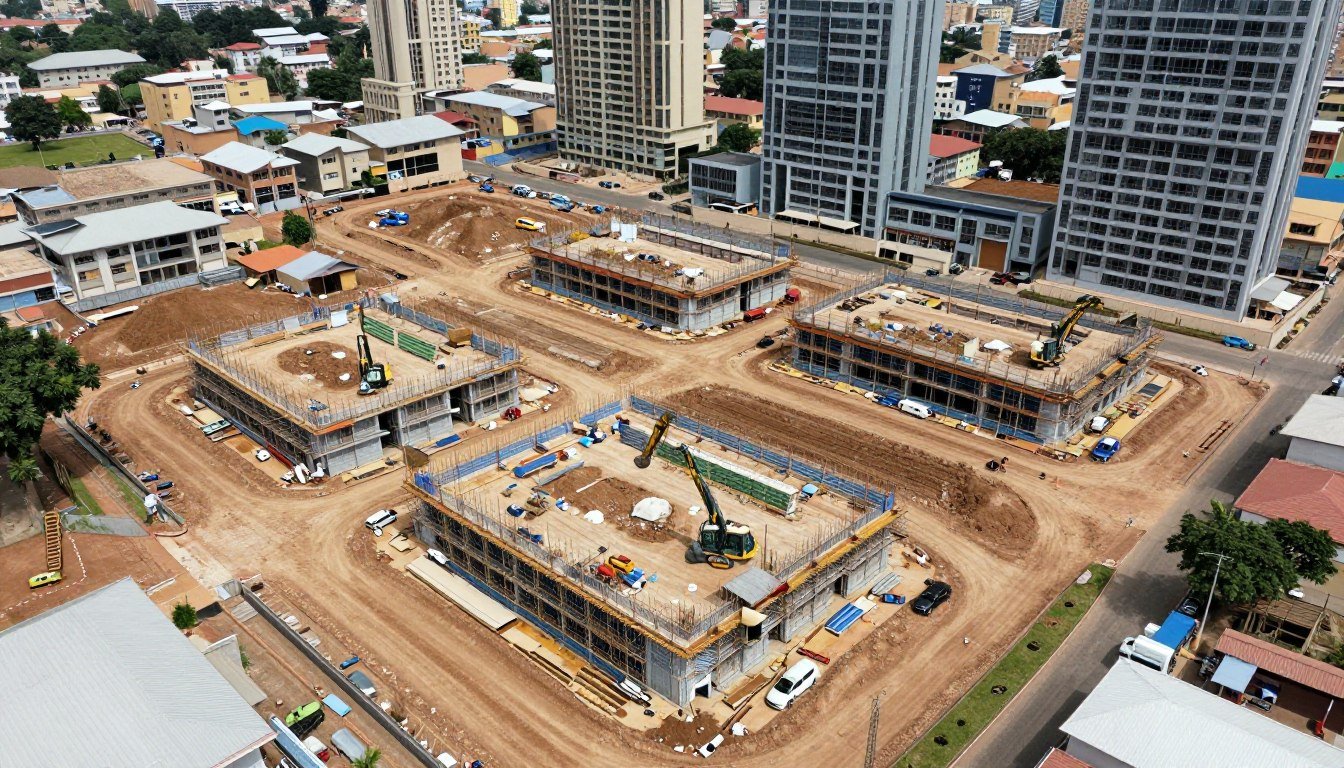
South Africa specifically requires 2.3 million housing units according to recent government estimates. Current production capacity cannot meet this demand creating sustained market growth for brick manufacturers and equipment suppliers. Partners positioned to serve this market enjoy excellent long-term prospects.
Target Customer Segments for Partners
Manufacturing Segment
- Brick factory owners
- Building material producers
- Industrial manufacturers
- Mining companies (rehabilitation projects)
- Agricultural operations
Construction Segment
- General contractors
- Housing developers
- Infrastructure contractors
- Government housing projects
- NGO housing initiatives
Distribution Segment
- Building material distributors
- Equipment rental companies
- Hardware store chains
- Import/export companies
- Wholesale suppliers
Getting Started Process
Partnership development follows a structured process ensuring good fit and mutual success:
- Initial Contact: Express interest through WhatsApp, email, or website inquiry form
- Information Exchange: Share business details, market presence, and growth plans
- Preliminary Discussion: Video conference with regional partnership manager
- Agreement Review: Examine distributor agreement terms and territory parameters
- Due Diligence: Mutual verification of capabilities and references
- Agreement Execution: Sign distributor agreement and establish account
- Training Completion: Attend initial training programs (technical and sales)
- Market Launch: Begin sales activities with MAIKONG support
- Ongoing Development: Regular reviews, additional training, market expansion
The complete process typically requires 4-8 weeks from initial contact through market launch. We maintain realistic timelines allowing proper preparation rather than rushing relationships that underperform.
Become a MAIKONG Distributor in Your Region
Join Africa’s fastest-growing brick making machine distributor network. MAIKONG seeks experienced building material distributors across South Africa. Enjoy 25-35% margins, exclusive territories, comprehensive support, and participation in booming construction equipment market.
Purchasing Your Brick Making Machine: Complete Guide
Selecting appropriate equipment represents a significant business decision. This comprehensive guide helps buyers navigate the selection process, understand pricing structures, and make informed choices aligned with their specific needs.
Needs Assessment Framework
Begin by clearly defining your production requirements. Consider current demand and realistic growth projections. Many buyers purchase inadequate capacity requiring expensive upgrades later, or excessive capacity sitting idle wasting capital.
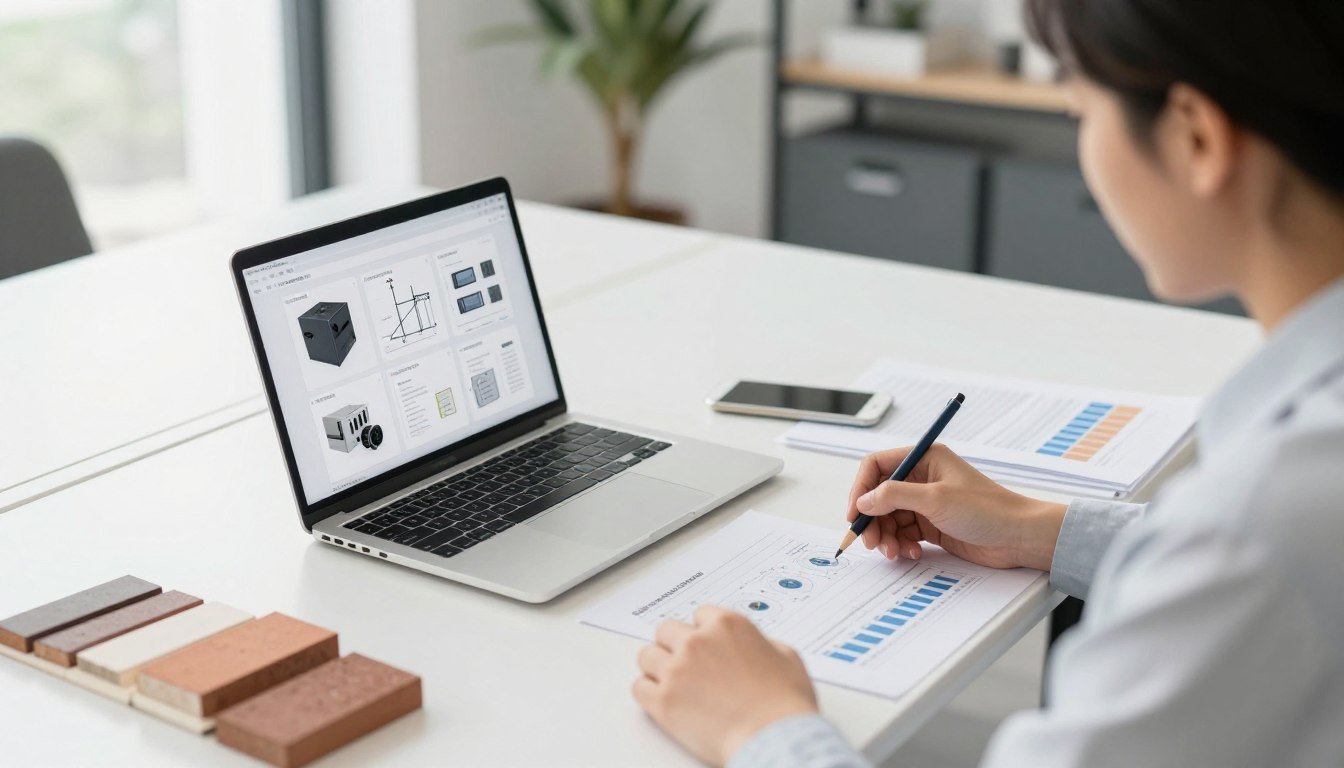
Key Assessment Questions
What is your target daily production volume?
Calculate based on confirmed orders or realistic market demand. Include 15-20% buffer for growth and seasonal variation. Distinguish between maximum capacity needs and sustained average production. Don’t oversize based on theoretical peak demand occurring rarely.
What is your available investment capital?
Determine total available funds including equipment, facility preparation, working capital, and operating reserves. Equipment typically represents 50-65% of total startup investment. Maintain adequate reserves for 3-4 months operation before positive cash flow.
What are your facility constraints?
Assess available covered workspace, electrical supply capacity, water access, material storage areas, and curing space. These practical limitations often determine maximum feasible equipment size regardless of production aspirations.
What is your labor availability?
Consider local labor pool size, skill levels, and wage rates. Highly automated equipment requires fewer but more skilled workers. Manual systems need more workers but accept lower skill levels. Match equipment to available workforce characteristics.
What products will you manufacture?
Define block sizes, types (hollow vs. solid), and any specialized products. Equipment versatility varies significantly. Some machines handle multiple products easily through mold changes. Others optimize for specific product types. Product mix planning informs equipment selection.
Equipment Pricing Structure
MAIKONG maintains transparent pricing reflecting equipment capabilities, capacity, and automation level. Prices include factory testing, technical documentation, and standard warranty coverage. Optional features and customizations affect final costs.
Current South African Pricing Guide
| Equipment Category | Model Example | Daily Capacity | Base Price (ZAR) | Complete Setup |
| Manual Press | MK-M2 | 500-800 blocks | R18,500 | R45,000-R65,000 |
| Small Electric | MK-E4 | 1,000-1,500 blocks | R52,000 | R95,000-R125,000 |
| Semi-Automatic | Qt4-26 | 2,000-3,000 blocks | R125,000 | R185,000-R245,000 |
| Advanced Semi-Auto | Qt6-15 | 4,000-6,000 blocks | R285,000 | R420,000-R525,000 |
| Automatic Line | Qt10-15 | 10,000-15,000 blocks | R875,000 | R1,350,000-R1,650,000 |
| Full Production Plant | Qt15-20 System | 20,000-25,000 blocks | R1,850,000 | R2,650,000-R3,200,000 |
Complete setup includes machine, mixer, pallets, molds, installation, training, and startup materials. Prices valid as of 2024 Q2 and subject to change. Contact MAIKONG for current quotations.
Financing and Payment Options
MAIKONG works with customers accommodating various financial situations. Multiple payment structures support different buyer preferences and capabilities.
Standard Payment Terms
- Full Advance Payment: 3% discount on equipment price, fastest delivery
- 50% Deposit Terms: 50% deposit, 50% before shipment, standard delivery
- 30% Deposit Terms: 30% deposit, 70% before shipment, standard delivery
- Letter of Credit: Accepted from established banks, suitable for large orders
- Installment Plans: Available for qualified buyers on orders exceeding R500,000
Third-Party Financing Partners
MAIKONG maintains relationships with equipment financing specialists serving African markets. These partners offer lease-purchase arrangements, term loans, and specialized manufacturing equipment financing. Approval criteria and terms vary by lender and buyer qualifications.
Typical financing structures include:
- 20-30% buyer down payment
- 24-60 month repayment terms
- Interest rates from 12-18% annually
- Equipment serves as primary collateral
- Business performance guarantees sometimes required
Ordering and Delivery Process
MAIKONG maintains streamlined ordering procedures ensuring clear communication and timely delivery. Understanding the complete process helps buyers plan appropriately.
- Initial Consultation: Discuss requirements with technical team via WhatsApp, phone, or email
- Quotation Preparation: Receive detailed written quote specifying equipment, features, pricing, delivery
- Quote Review Period: Typically 14 days to review, ask questions, request modifications
- Order Confirmation: Sign sales agreement and submit deposit payment
- Manufacturing: Equipment production begins (4-8 weeks depending on model)
- Quality Testing: Factory testing with video documentation provided to buyer
- Final Payment: Complete payment before shipment
- Shipping: Sea freight to South African port (3-5 weeks transit)
- Customs Clearance: Documentation support provided, buyer handles customs
- Delivery: Transport from port to buyer facility
- Installation: On-site setup and commissioning (included or optional)
- Training: Operator training at buyer facility (3-5 days)
- Production Start: Begin commercial production with technical support available
Total process from order confirmation to production startup typically requires 10-14 weeks. Rush orders possible with surcharges for expedited manufacturing and air freight shipping.
After-Sales Support Structure
Comprehensive support ensures long-term equipment performance and customer success. MAIKONG support infrastructure spans multiple channels and service levels.
Warranty Coverage
All MAIKONG equipment includes 24-month comprehensive warranty covering:
- Manufacturing defects in materials and workmanship
- Premature component failure under normal operation
- Electrical system problems
- Hydraulic system leaks and failures
- Structural integrity issues
Warranty excludes damage from improper operation, lack of maintenance, unauthorized modifications, or normal wear items like mold surfaces. Extended warranty available at additional cost covering years 3-5.
Technical Support Channels
Remote Support (No Charge)
- WhatsApp technical hotline: +86-135-1090-7401
- Email technical support: Lucy@ibrickmakingmachine.co.za
- Video troubleshooting sessions
- Online documentation library
- Spare parts identification assistance
- Operation best practices guidance
On-Site Support (Fees Apply)
- Technician site visits
- Major repairs and overhauls
- Production optimization consulting
- Advanced operator training
- Equipment upgrades and modifications
- Annual preventive maintenance programs
Spare Parts Availability
MAIKONG maintains parts inventory at regional warehouses in South Africa and Ghana. Common wear items ship within 3-5 business days. Specialized components ship from China warehouse within 10-15 days. Emergency air freight available for critical breakdowns.
Recommended spare parts inventory for buyers includes:
- Vibration motor bearings (2 sets)
- Hydraulic seals and o-rings (1 complete kit)
- Electrical contactors and relays (1 set)
- Mold wear plates (2 sets for primary production size)
- Conveyor belts and drive components (if applicable)
- Sensor and limit switch replacements (2 each type)
Parts inventory investment typically runs R8,000-R15,000 depending on equipment model. This investment prevents extended downtime awaiting shipments from overseas.
Moving Forward With “Mampara” Brick Production
The “Mampara” brick manufacturing opportunity offers substantial potential for entrepreneurs, contractors, and building material suppliers across South Africa. Growing housing demand, government construction initiatives, and ongoing urbanization create sustained market growth supporting new producers and existing manufacturers.
Success requires more than purchasing equipment. Effective production demands attention to quality control, cost management, customer relationships, and continuous operational improvement. Manufacturers who master these fundamentals build profitable businesses serving essential community needs.
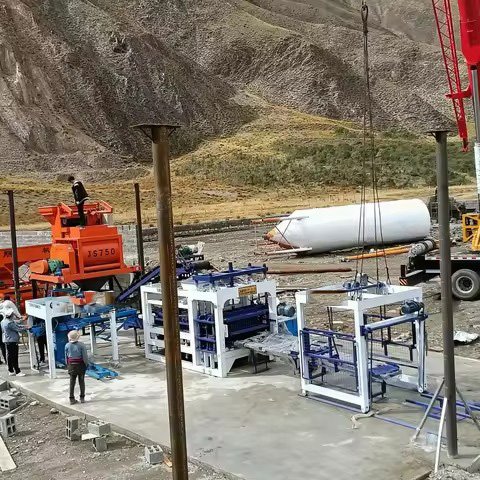
MAIKONG provides the equipment foundation supporting your manufacturing success. Our 26 years manufacturing experience translates into reliable machinery, proven production methods, and comprehensive support infrastructure. Over 100 countries worldwide trust MAIKONG equipment for their brick and block production needs.
Your Next Steps
Begin by assessing your specific situation. Calculate realistic production targets based on confirmed demand or thorough market research. Determine available capital including equipment, facility preparation, working capital, and operating reserves. Identify suitable facility space meeting size, utility, and location requirements.
Contact MAIKONG technical team for professional consultation. Our experienced advisors help you select optimal equipment, plan production layouts, understand operational requirements, and develop realistic business projections. We provide honest guidance based on your actual circumstances rather than pushing inappropriate solutions.
Review the case studies presented earlier. These real-world examples demonstrate that profitable production is achievable across various scales and business models. Success patterns emerge clearly: appropriate equipment selection, thorough training, consistent quality control, and disciplined operations.
Technical Support Available Now
MAIKONG South African technical support team stands ready to assist. Reach out via WhatsApp at +86-135-1090-7401 for immediate response. Our team speaks English fluently and understands South African market conditions thoroughly. We also provide support in Zulu, Xhosa, and Afrikaans through our multilingual staff.
Email inquiries to Lucy@ibrickmakingmachine.co.za receive response within 24 hours. Include your production plans, facility situation, and specific questions. We provide detailed written recommendations you can review carefully and discuss with partners or advisors.
Visit our website at ibrickmakingmachine.co.za for comprehensive product information, technical specifications, customer testimonials, and additional resources. Download brochures, watch production videos, and access our complete equipment catalog.
Special Opportunities for Qualified Partners
MAIKONG actively recruits distributors and dealers throughout South Africa. Our partnership program offers exclusive territories, attractive margins, comprehensive training, and ongoing support. Qualified building material distributors and equipment suppliers with established customer relationships enjoy excellent opportunities joining our growth.
Current open territories include Eastern Cape, Limpopo, Northern Cape, and several metropolitan areas. Partners receive protected regions preventing internal competition while accessing MAIKONG’s full product range and technical resources. Review full partnership details at our distributor page.
Quality Manufacturing Builds Better Communities
Beyond business profit potential, Mampara brick production contributes directly to community development. Affordable building materials enable housing construction for families currently living in inadequate structures. Local production creates employment in areas desperately needing economic opportunities. Sustainable manufacturing practices reduce environmental impact while supporting construction sector growth.
Your manufacturing operation can deliver both financial returns and meaningful social contribution. This combination creates business satisfaction extending beyond simple profit measurement. Many MAIKONG customers report pride in supporting their communities through quality products and good employment practices.
Starting Today
The opportunity exists now. Market conditions favor new entrants with proper equipment and solid business practices. MAIKONG provides the machinery, training, and support infrastructure you need for success. Your commitment, market knowledge, and operational discipline complete the equation.
Take the first step today. Contact our team, ask your questions, review equipment options, and develop your production plan. Thousands of successful manufacturers worldwide started exactly where you are now. Their success demonstrates that profitable brick production remains achievable for dedicated entrepreneurs and established businesses alike.
Let MAIKONG support your manufacturing journey. Our success connects directly to your success. We remain committed to providing excellent equipment, honest guidance, and comprehensive support ensuring your operation thrives long-term.
Start Your Profitable Production Journey Today
Join thousands of successful brick making machine owners across Africa who chose MAIKONG for quality equipment and reliable support. Our South African team provides expert consultation, competitive pricing, and comprehensive training ensuring your manufacturing success.
MAIKONG Contact Information
- WhatsApp Technical Support: +86-135-1090-7401
- Phone: +86-135-1090-7401
- Email: Lucy@ibrickmakingmachine.co.za
- Website: ibrickmakingmachine.co.za
- Office Hours: Monday-Saturday, 8:00 AM – 6:00 PM SAST
- Emergency Support: 24/7 WhatsApp technical assistance available
Your success story begins now. Make today the day you take decisive action toward profitable “Mampara” brick manufacturing. MAIKONG stands ready to support your journey every step of the way.