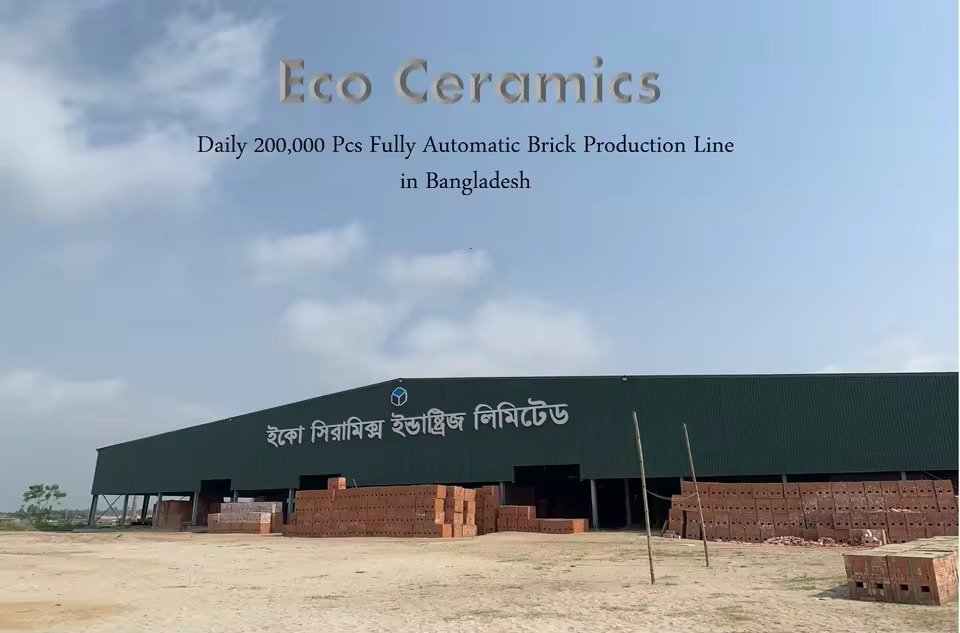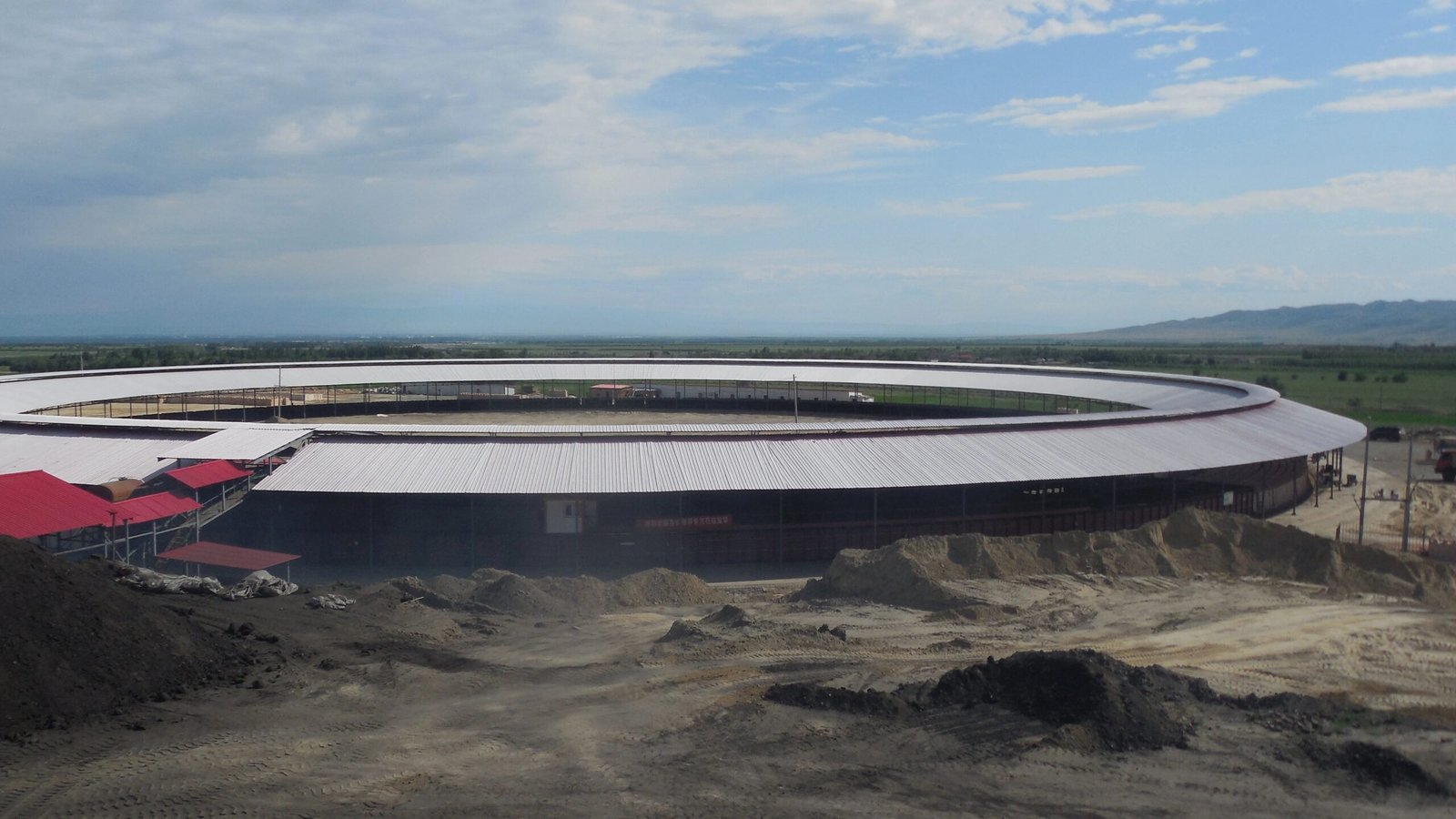
This comprehensive guide walks you through every stage of producing SABS-compliant stock bricks. You will discover the raw material requirements, manufacturing processes, quality control measures, and equipment specifications needed to establish a profitable brick production operation.
Whether you represent a construction company exploring vertical integration, an entrepreneur researching manufacturing opportunities, or an existing factory owner seeking to upgrade operations, this article provides practical insights drawn from successful African production facilities.
SABS Stock Brick Standards and Requirements
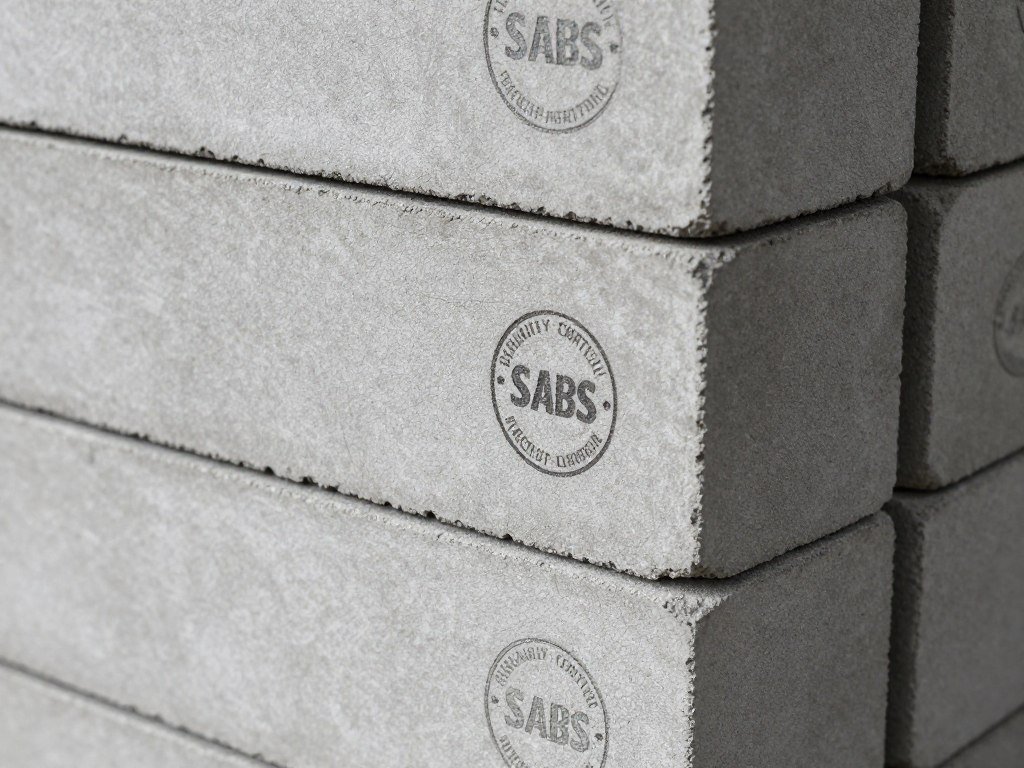
The South African Bureau of Standards establishes specific requirements for cement stock bricks to ensure structural integrity and safety in construction applications. SABS 227 defines the standards for masonry units, including dimensions, compressive strength, water absorption rates, and durability characteristics.
Essential SABS Compliance Parameters for Stock Bricks
A compliant cement brick must demonstrate minimum compressive strength of 7 MPA for standard applications, though higher MPA strength ratings such as 10 MPA or 14 MPA serve specialized structural purposes. The average weight typically ranges between 3.2 and 3.8 kilograms per unit, depending on aggregate composition and moisture content.
Water absorption must not exceed 15% by mass to prevent structural degradation from moisture penetration. Dimensional tolerances typically allow ±3mm variance in length and width, ±2mm in height. These specifications ensure consistent performance across different projects and environmental conditions.
Get Expert Guidance on SABS Compliance
Our technical team helps South African manufacturers achieve and maintain SABS quality standards. WhatsApp support available in your language for immediate technical consultation.
Testing Procedures and Quality Documentation
Regular testing confirms ongoing compliance with SABS standards throughout production. Compressive strength testing requires specialized equipment that applies controlled pressure until brick failure occurs. Seven-day and twenty-eight-day curing tests establish strength development patterns.
Water absorption testing involves weighing dry samples, immersing them in water for twenty-four hours, then weighing again to calculate absorption percentage. Maintaining detailed test records demonstrates consistent quality control to customers and regulatory authorities.
Raw Materials Selection for Premium Cement Stock Production
The foundation of high-quality stock brick manufacturing begins with precise raw material selection and proportioning. Portland cement serves as the primary binding agent, typically comprising 8-12% of the total mix by volume. Type II or Type V cement provides optimal strength characteristics and sulfate resistance.
Aggregate and Sand Requirements
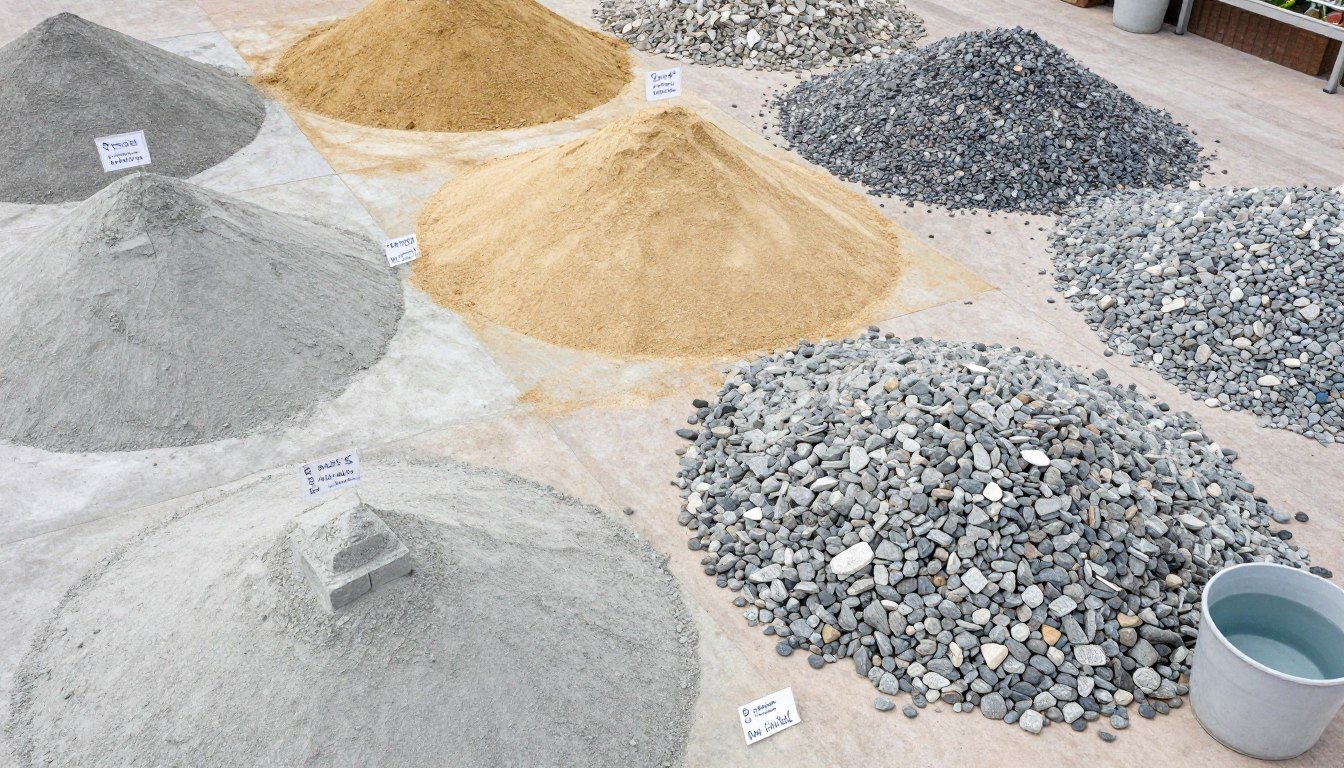
Fine aggregates (sand) should pass through a 4.75mm sieve with grain size distribution following SABS 1090 specifications. River sand or crusher dust with low clay content produces superior results. The sand moisture content significantly affects mix consistency and final brick quality.
Coarse aggregates ranging from 6mm to 13mm improve compressive strength while reducing cement consumption. Stone chips from quarries or crushed concrete provide cost-effective aggregate options. Washing aggregates removes clay particles and organic matter that compromise binding.
Standard Mix Proportions
- Portland cement: 1 part (8-12% by volume)
- Fine sand: 2-3 parts (35-45% by volume)
- Coarse aggregate: 3-4 parts (40-50% by volume)
- Water: 0.4-0.5 water-cement ratio
- Admixtures: 0.5-2% for specific properties
Critical Material Properties
- Cement fineness: minimum 225 m²/kg
- Sand clay content: maximum 3%
- Aggregate crushing value: maximum 30%
- Water chloride content: maximum 500 ppm
- Material storage: protected from moisture
Water Quality and Chemical Admixtures
Clean potable water free from organic contaminants, excessive salts, and suspended solids ensures proper cement hydration. Water pH should range between 6.0 and 8.0. High chloride or sulfate content accelerates steel corrosion in reinforced applications.
Chemical admixtures enhance specific brick properties. Plasticizers improve workability at lower water ratios. Waterproofing agents reduce absorption. Accelerators speed curing time. Color pigments create aesthetic variations. Each additive requires precise dosing to avoid adverse effects on strength.
The Complete Manufacturing Process Using Modern Brick Making Machine Technology
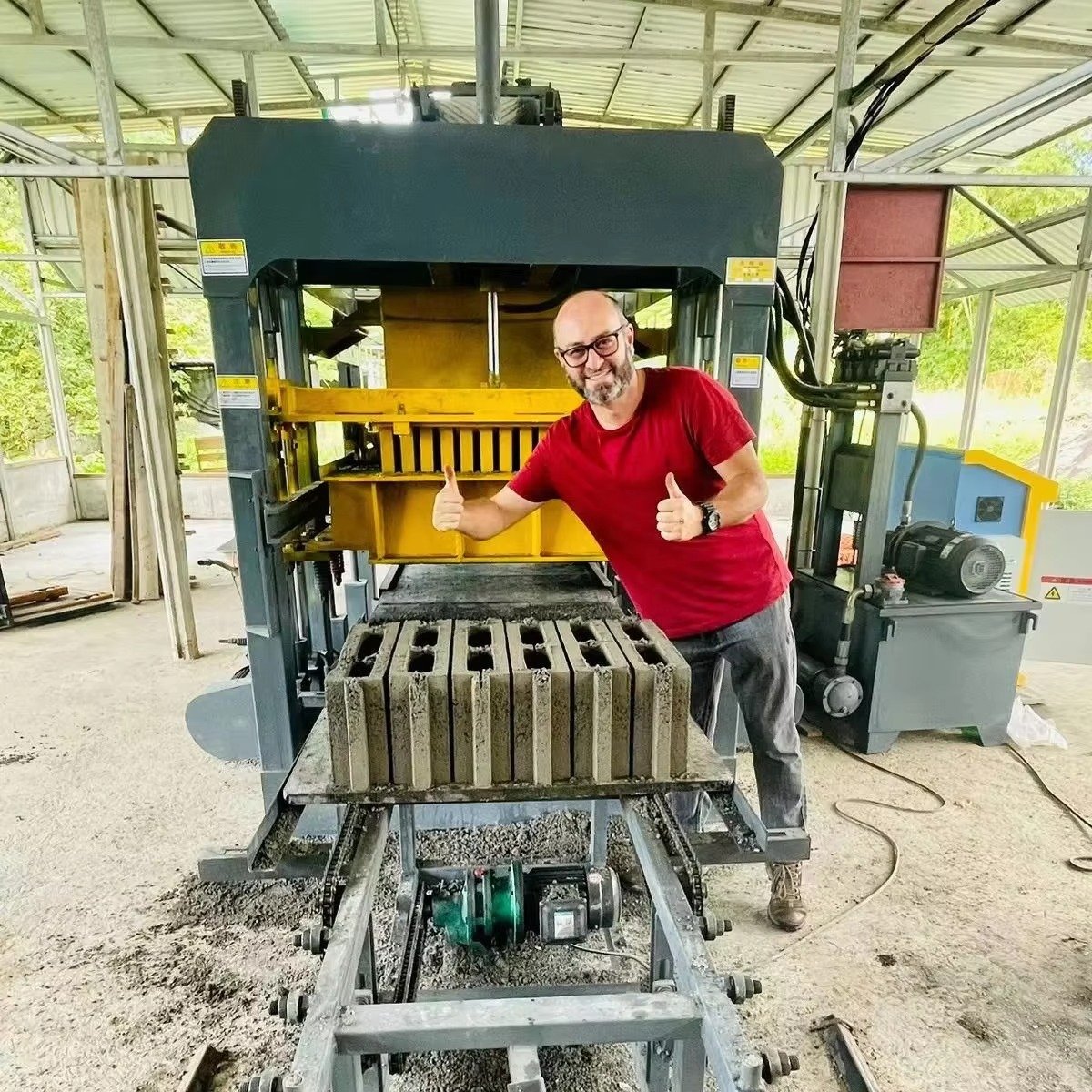
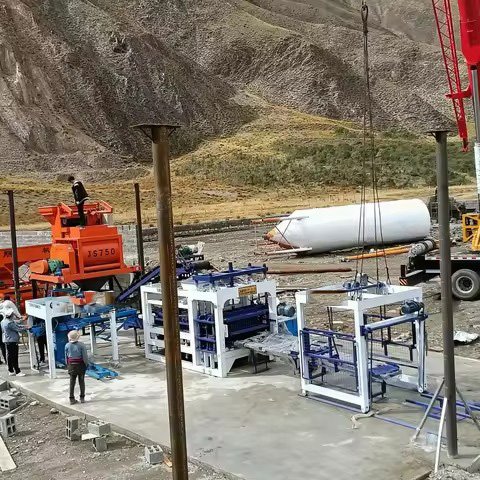
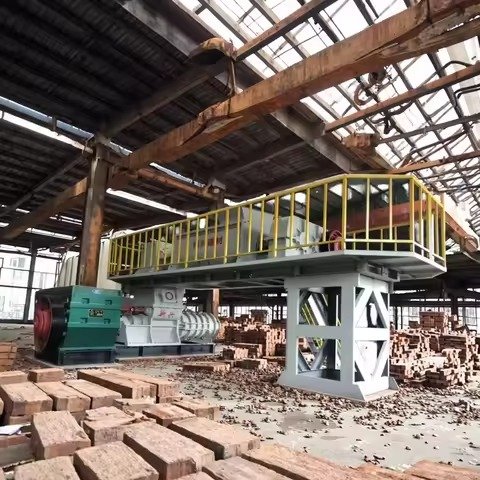
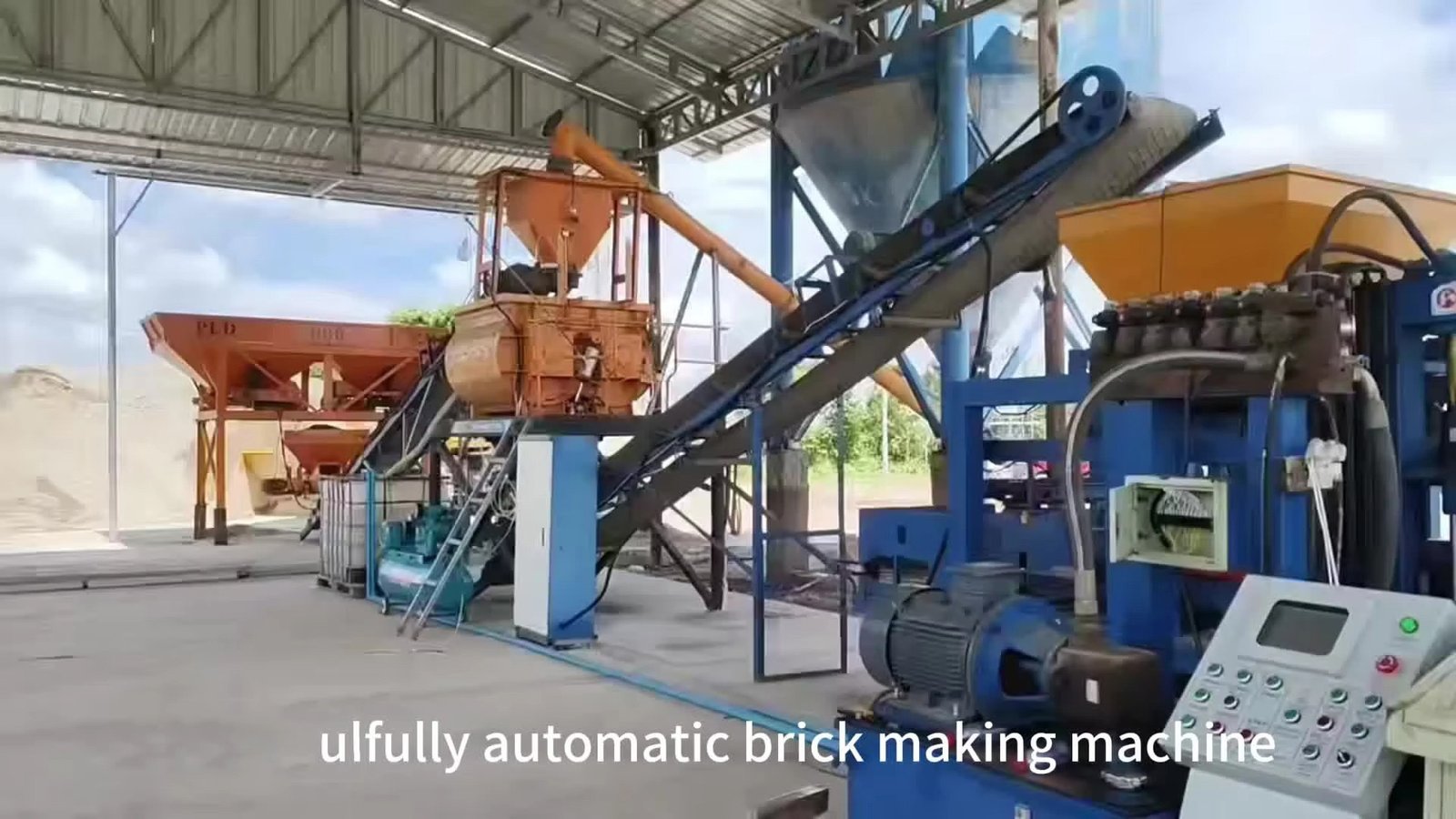
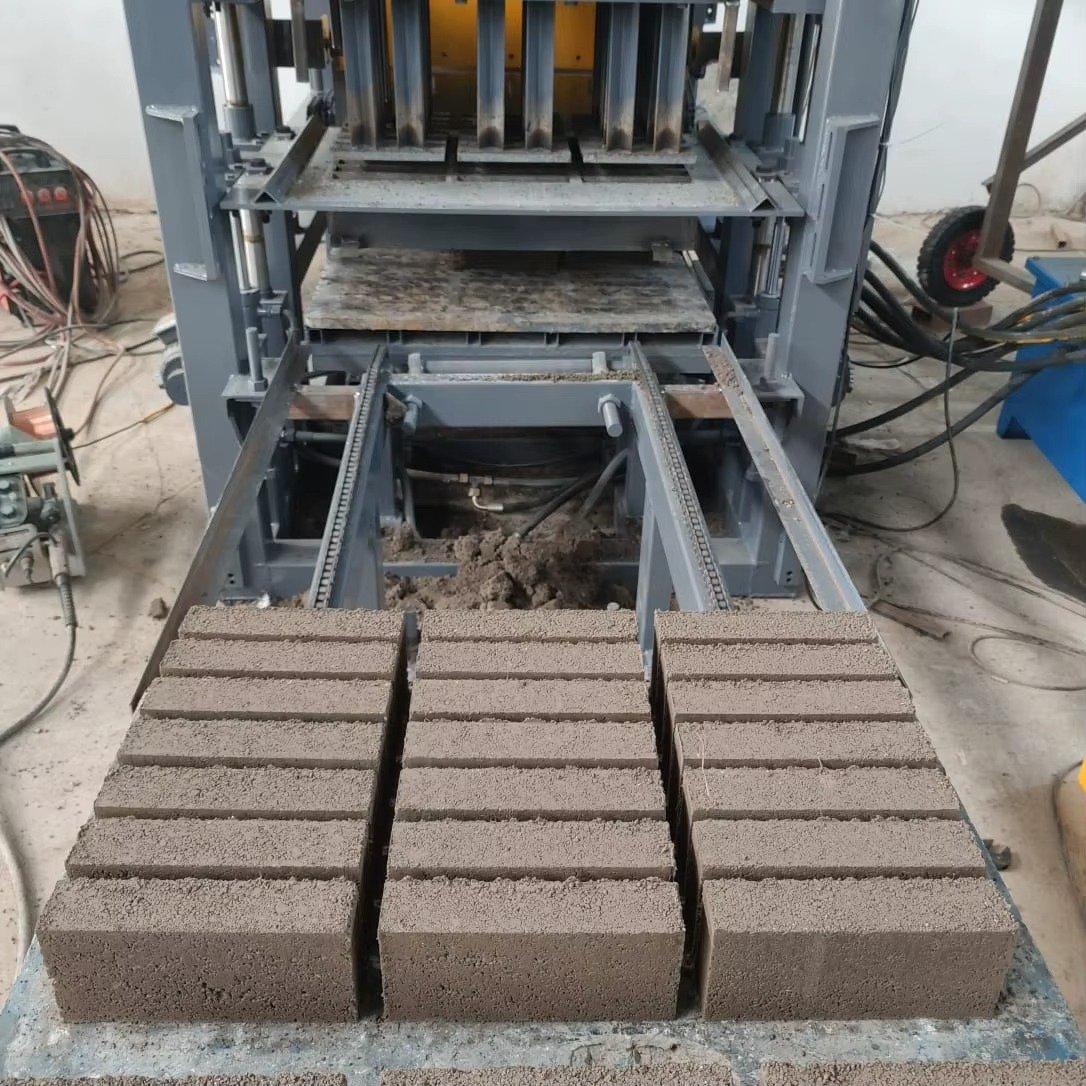
Efficient stock brick production relies on systematic processes and appropriate equipment. Modern brick making machines have transformed what was once labor-intensive manual work into streamlined automated operations capable of producing thousands of units daily.
Material Batching and Mixing
Accurate batching determines final brick quality. Automated batching plants with electronic weighing systems ensure consistent proportions across production runs. Manual batching using volumetric measurements works for smaller operations but requires careful attention to material density variations.
High-efficiency concrete mixers blend raw materials to uniform consistency within 3-5 minutes. Pan mixers or planetary mixers provide thorough homogenization. The mixing time must be sufficient to coat all aggregate particles with cement paste without over-mixing that weakens the final product.
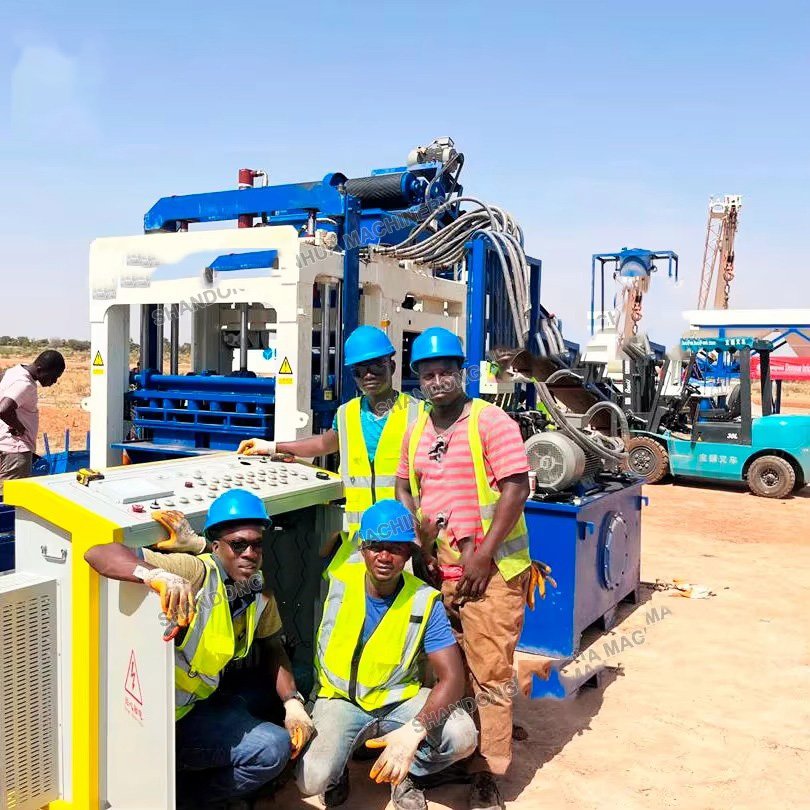
MAIKONG QT4-26 Brick Making Machine Specifications
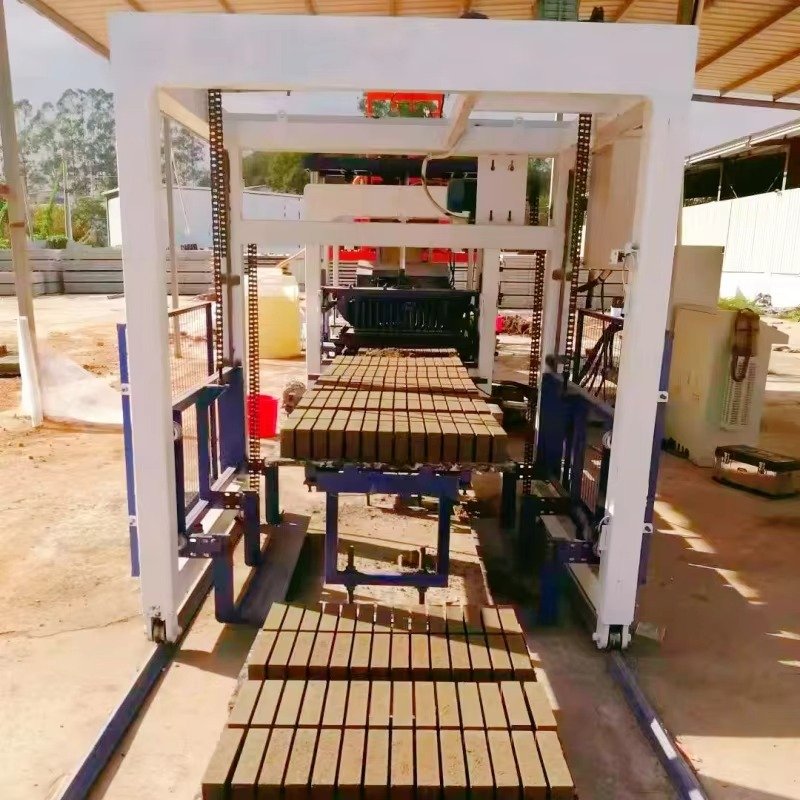
- Daily capacity: 2000-3000 bricks (depending on brick size)
- Power voltage: 380V/220V AC compatible
- Total rated power: 12.35 KW energy-efficient operation
- Labor requirement: 2-3 workers per shift
- Forming cycle: 25-30 seconds per batch
- Workshop area: 40 square meters minimum
- Water consumption: 3-5 tons daily
- Pallet quantity: 600-700 pieces for continuous operation
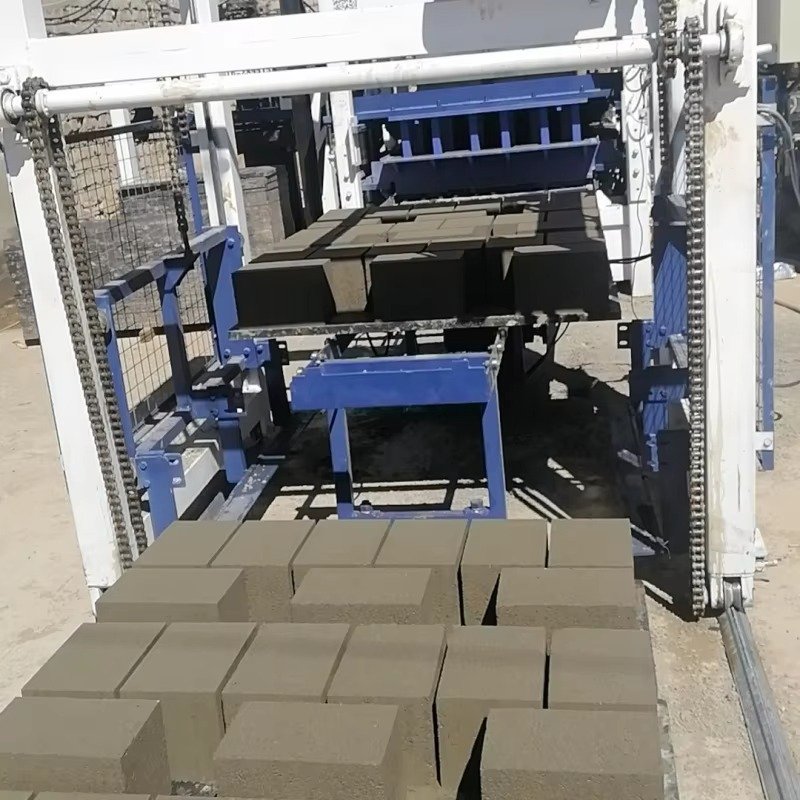
The four-column guiding design ensures precise mold alignment while the specially developed vibration box delivers strong excitation force for rapid forming. Automatic material dropping, push-pull die systems, and brick discharging mechanisms significantly improve production efficiency compared to manual methods.
Molding and Compression Process
The mixed material feeds into the brick machine hopper where automated systems distribute it into molds. Vibration and compression occur simultaneously, eliminating air pockets while achieving optimal density. Pressure ranges from 15 to 25 MPa depending on desired final strength.
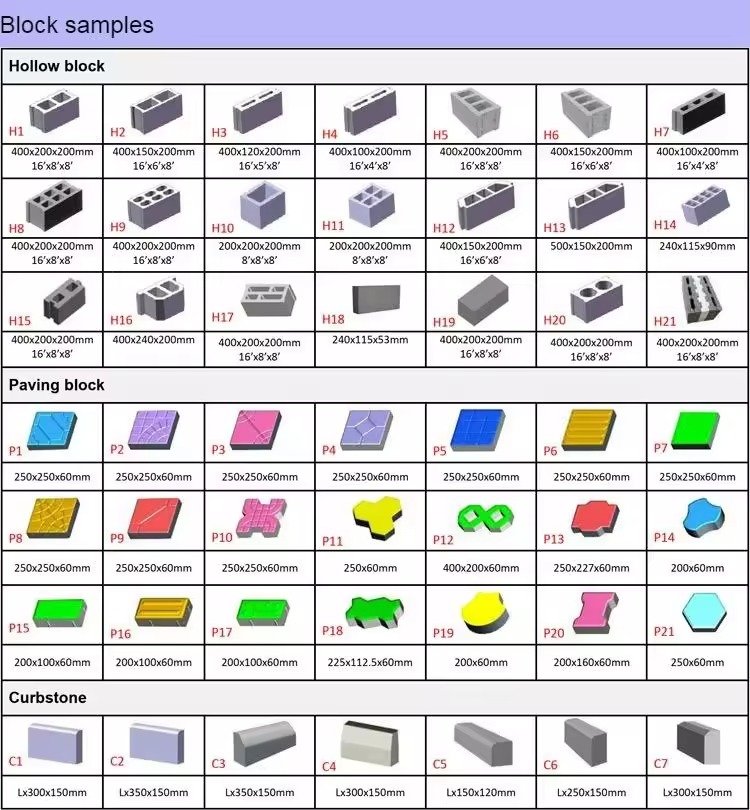
Modern brick moulding machines allow rapid mold changes to produce various sizes and profiles. Standard stock bricks typically measure 222mm length × 106mm width × 73mm height, though regional variations exist. Hollow bricks, solid bricks, and paving blocks all become possible with appropriate molds.
Curing and Strength Development
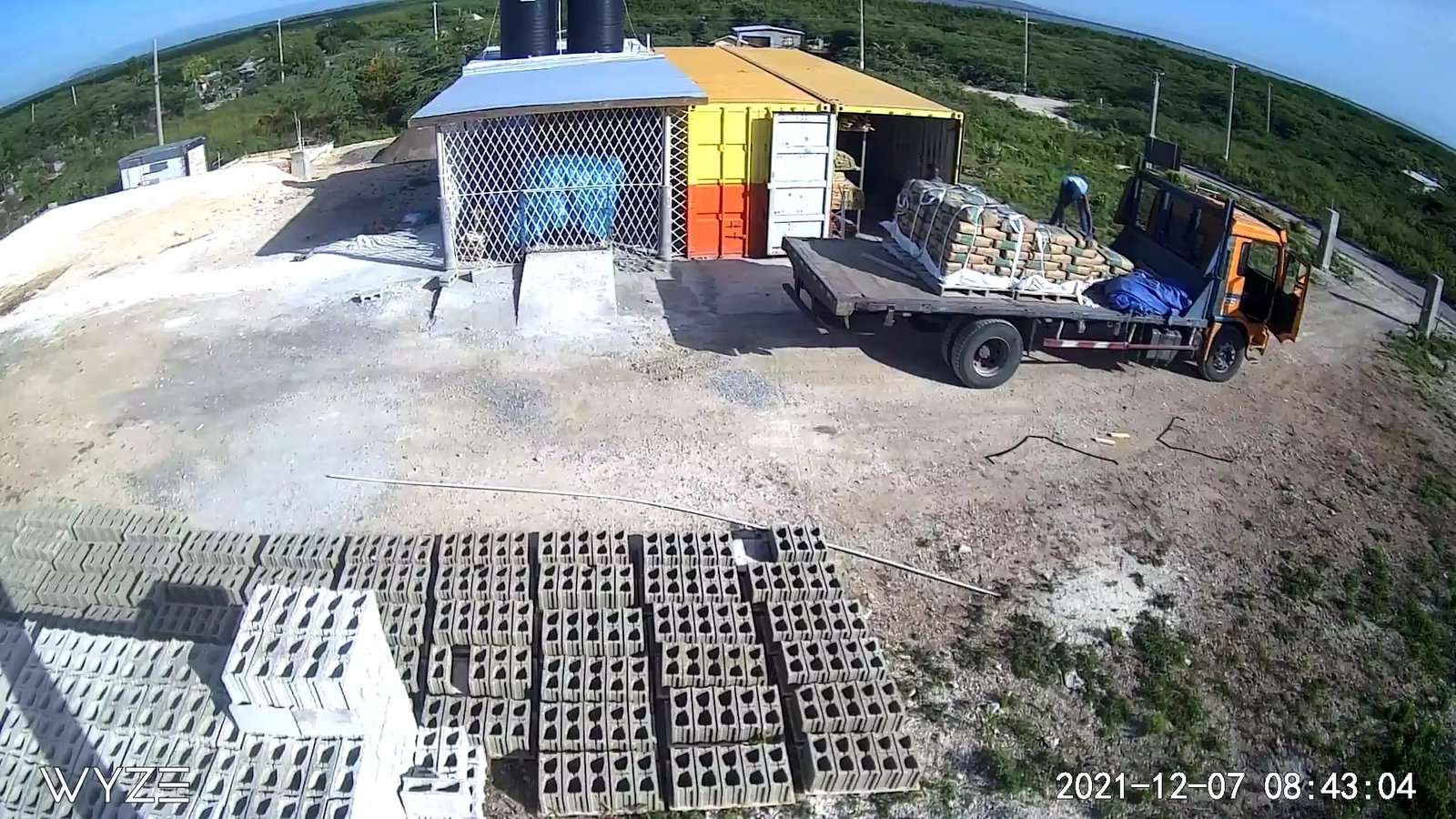
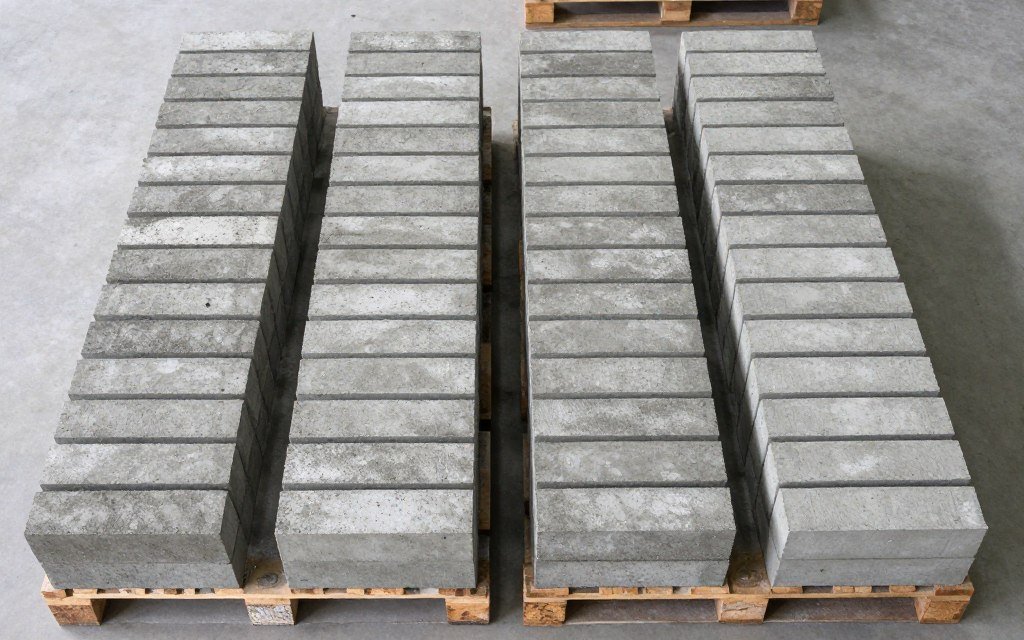
Proper curing determines whether bricks achieve target strength specifications. Initial setting occurs within 6-8 hours after molding. Bricks require protection from direct sunlight and wind during this vulnerable period to prevent surface cracking.
Water curing involves regular sprinkling or submersion for 7-14 days. This maintains surface moisture that enables complete cement hydration. Chamber curing using steam accelerates strength development, reducing curing time to 24-48 hours while consuming additional energy.
Ambient curing under plastic sheeting or in covered areas represents the most economical method for small to medium operations. Strength testing at seven days typically shows 70-80% of final twenty-eight-day strength, allowing earlier evaluation of production quality.
Successful African Brick Making Machine Production Lines
Real-world examples demonstrate how manufacturers across Africa have established profitable cement stock brick operations using modern equipment and systematic processes. These case studies reveal practical insights into startup challenges, operational strategies, and business outcomes.
Ghana Housing Project Supply Operation
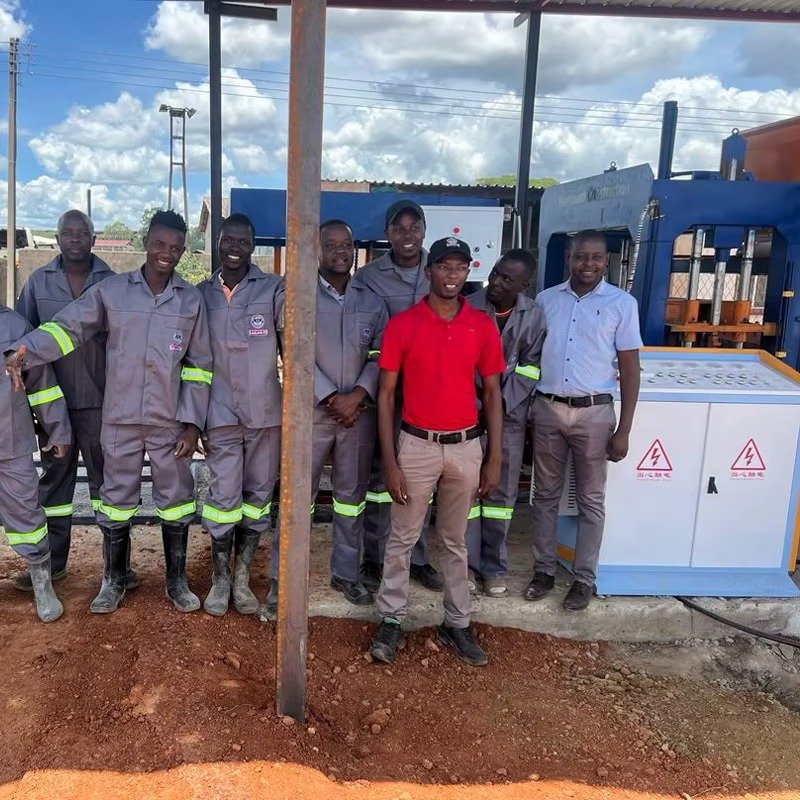
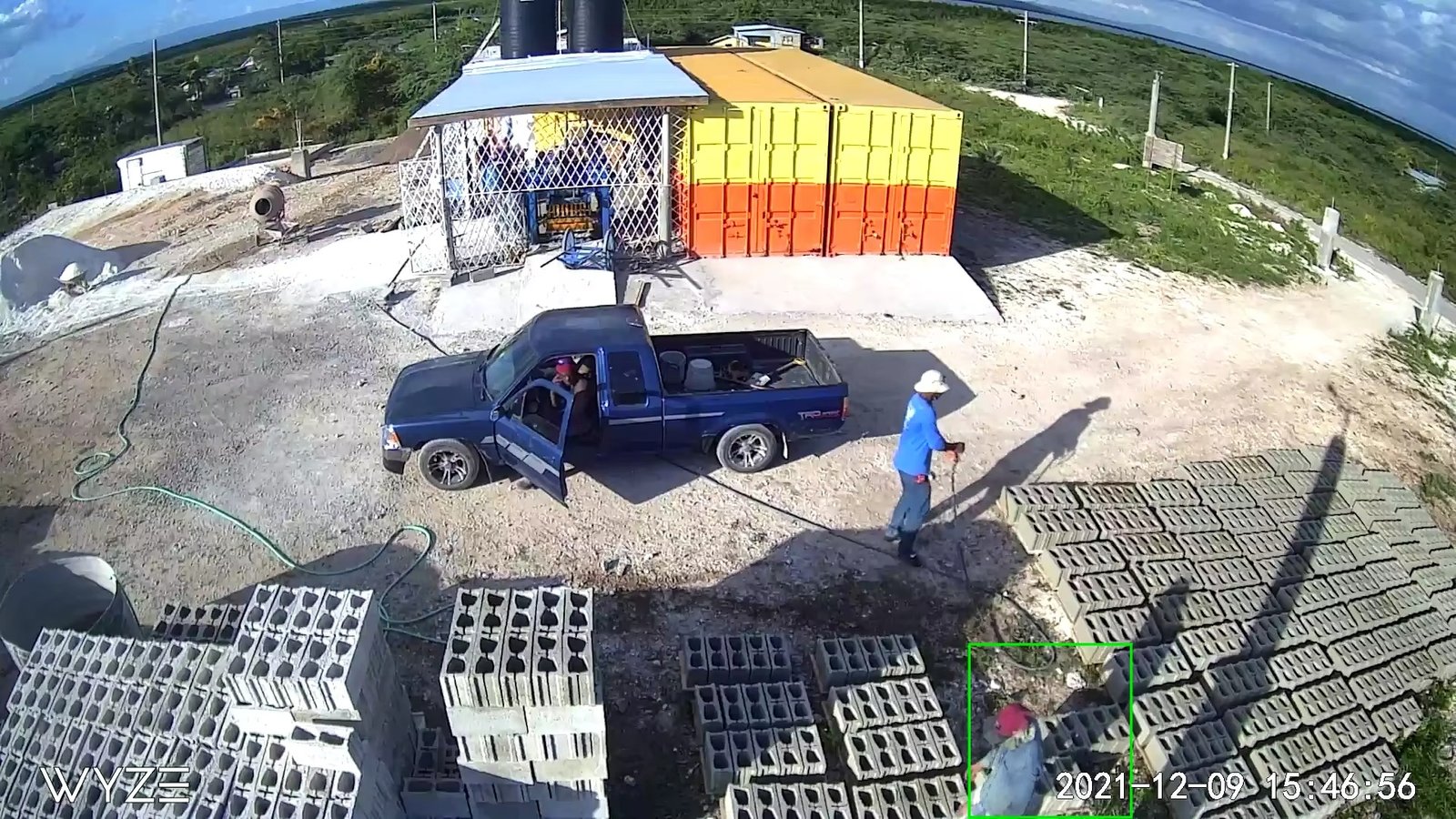
A construction materials supplier in Accra established a brick making machine facility specifically to service government housing initiatives. The operation began with a MAIKONG automatic brick making machine producing 2,500 units daily with a three-person crew.
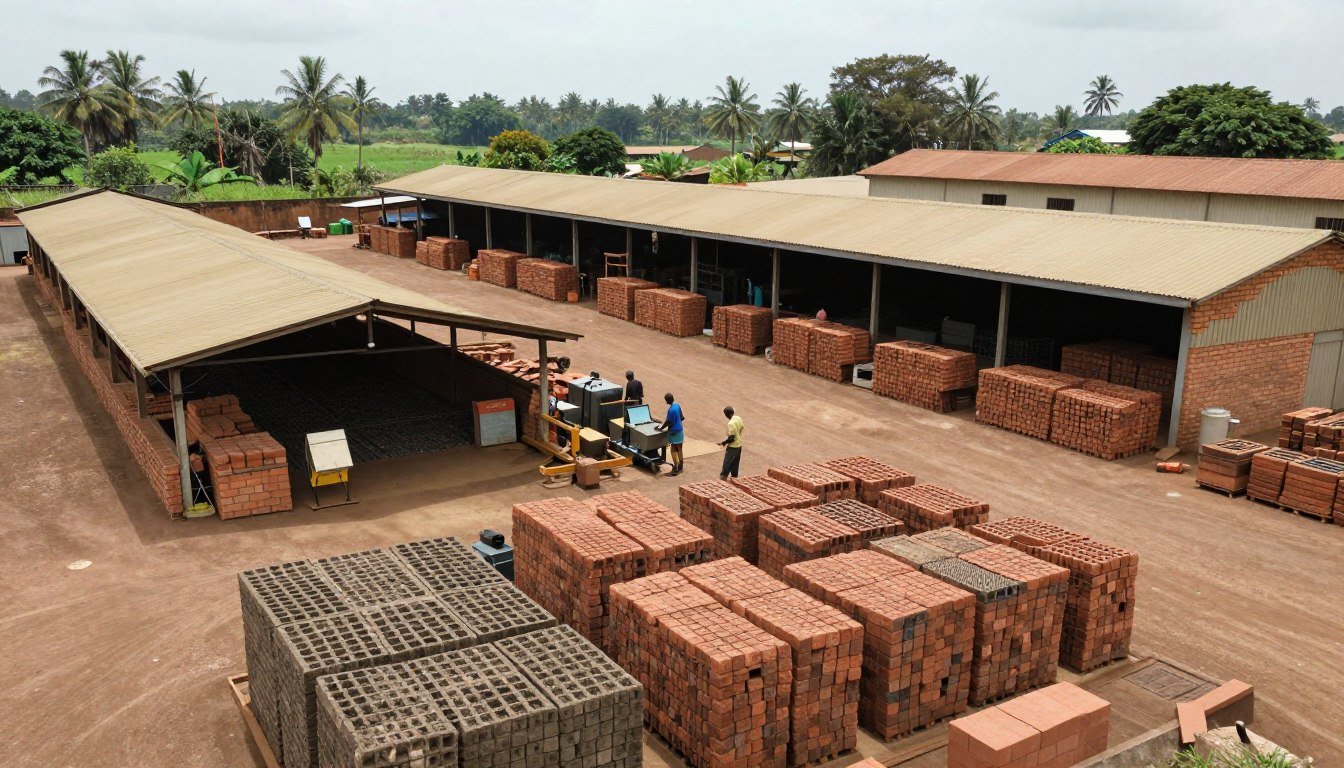
Initial investment covered the brick machine, raw material inventory, and site preparation totaling approximately 450,000 Rand equivalent. Monthly production costs including labor, materials, utilities, and maintenance averaged 0.85 Rand per brick. Local market price of 2.20 Rand per unit generated substantial profit margins.
Within eight months, the operation expanded to two production lines, doubling capacity to meet demand from multiple housing developers. The business now employs twelve workers and supplies over 150,000 bricks monthly to various construction projects.
Nigeria Commercial Block Production
An entrepreneur in Lagos invested in MAIKONG block brick making machine equipment after identifying local supply shortages. The facility produces both standard stock bricks and hollow blocks using interchangeable molds on the same base equipment.
This flexibility allowed the business to respond to market demands, switching between product types based on current orders. During the rainy season when building activity slows, the operation reduced to three-day weekly schedules, minimizing overhead while maintaining customer relationships.
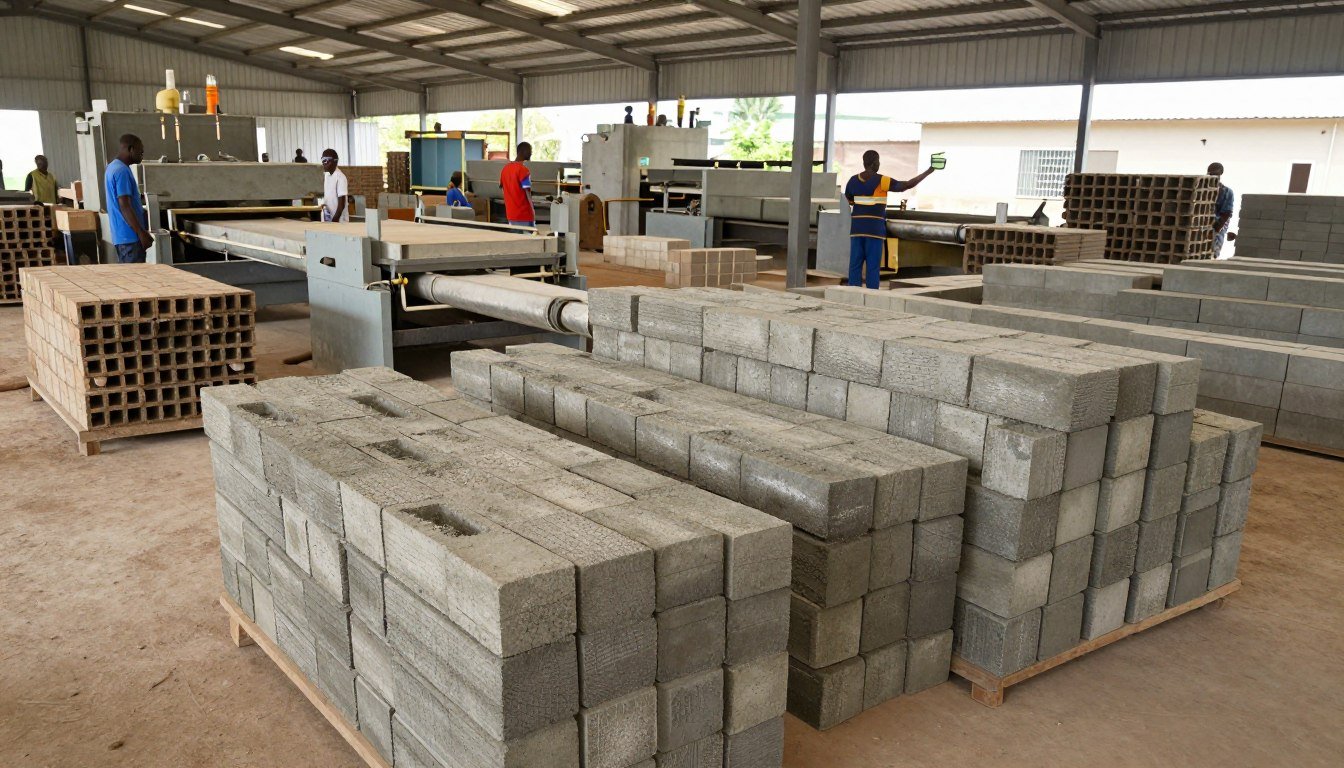
The Nigerian operation demonstrates profitability even in challenging economic conditions through product diversification, efficient resource management, and strong customer relationships with developers and contractors throughout Lagos state.
Replicate This Success in Your Region
Access detailed case studies from Ghana, Nigeria, Kenya, and other African countries. Learn exactly how these operations achieve profitability with specific financial data, operational strategies, and lessons learned.
Kenya Cooperative Manufacturing Initiative
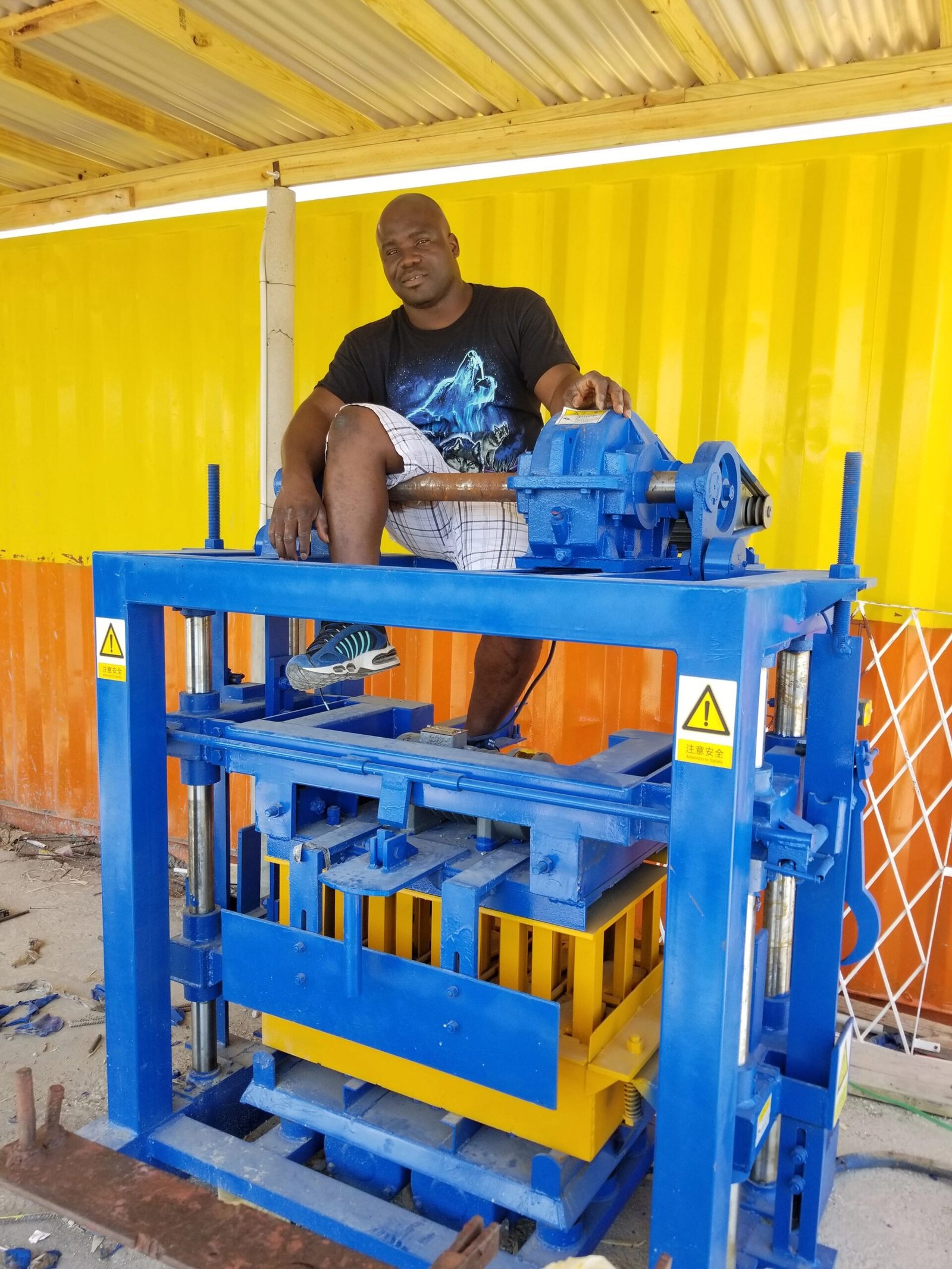
A farmers’ cooperative in rural Kenya established a community-owned brick manufacturing facility using a manual brick making machine initially, then upgraded to a semi-automatic system as demand increased. This model demonstrates how smaller communities can access building materials production technology.
The cooperative model allowed risk-sharing among members while creating local employment. Training provided by MAIKONG technical team ensured proper operation and maintenance. The facility now supplies bricks for schools, clinics, and residential construction throughout the region at prices below imported alternatives.
This approach has inspired similar initiatives in Tanzania and Uganda, where rural communities seek economic development through local manufacturing rather than dependence on urban suppliers with high transportation costs.
Business Model and Profitability Analysis for Stock Brick Manufacturing
Understanding the financial dynamics of cement stock brick production helps entrepreneurs make informed investment decisions. While specific numbers vary by location, raw material costs, and market conditions, the fundamental business model remains consistent across South Africa.
Capital Investment Requirements
Initial capital typically divides into equipment acquisition, facility setup, and working capital for raw materials. A basic semi-automatic brick making machine suitable for small-scale operations requires 180,000 to 350,000 Rand. Fully automatic production lines range from 450,000 to 1,200,000 Rand depending on capacity and features.
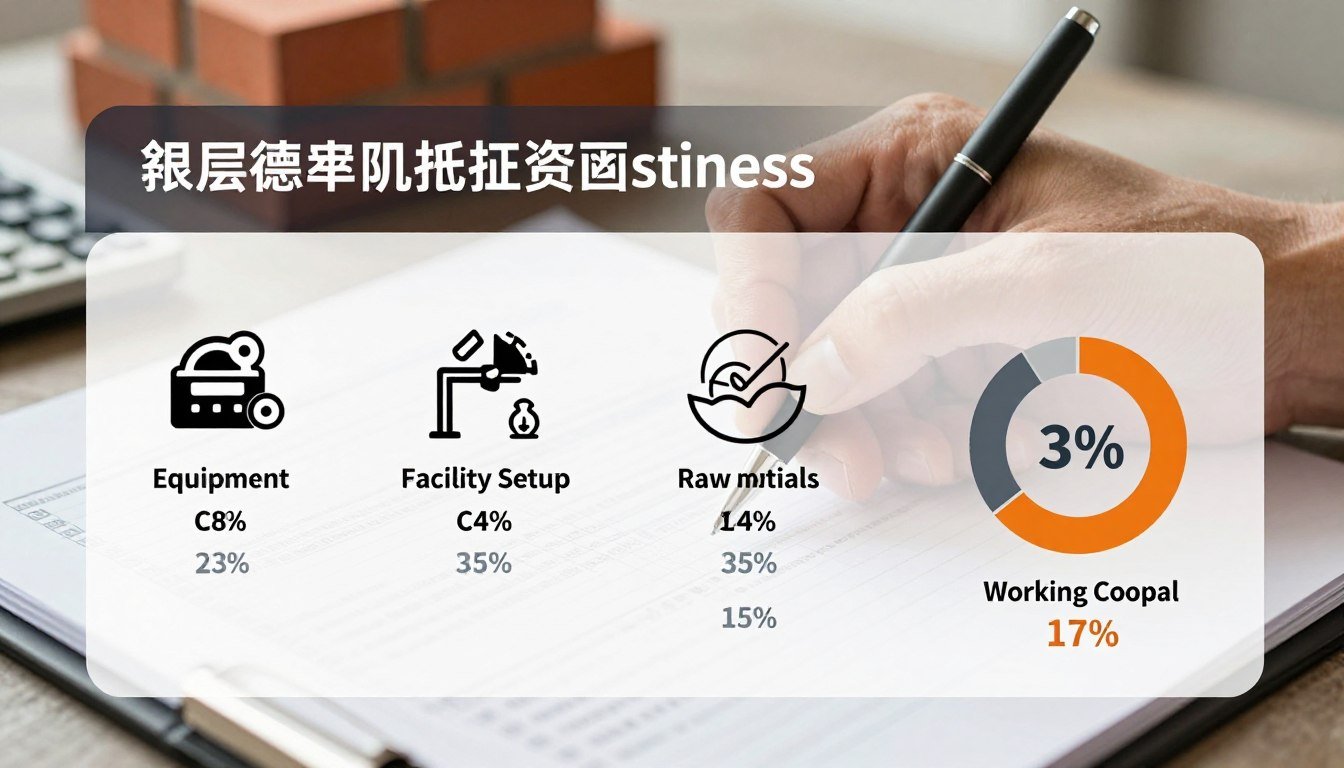
Facility requirements include covered production area, curing space, raw material storage, and finished product storage. Land lease or purchase costs vary significantly by location. Urban areas near construction activity command premium prices but reduce transportation expenses. Rural locations offer lower land costs but increase delivery expenses to customers.
Small-Scale Operation (2000 bricks/day)
- Equipment investment: 250,000-400,000 Rand
- Facility setup: 100,000-200,000 Rand
- Working capital: 80,000-150,000 Rand
- Total initial investment: 430,000-750,000 Rand
- Monthly revenue potential: 110,000-140,000 Rand
- Monthly operating costs: 60,000-80,000 Rand
Medium-Scale Operation (5000 bricks/day)
- Equipment investment: 600,000-900,000 Rand
- Facility setup: 250,000-400,000 Rand
- Working capital: 200,000-300,000 Rand
- Total initial investment: 1,050,000-1,600,000 Rand
- Monthly revenue potential: 275,000-350,000 Rand
- Monthly operating costs: 140,000-190,000 Rand
Operating Cost Structure
Raw materials typically represent 45-55% of production costs. Cement price fluctuations directly impact profitability, making supplier relationships and bulk purchasing important cost management strategies. Sand and aggregate costs remain relatively stable, though transportation significantly affects delivered price.
Labor costs depend on automation level and local wage rates. A semi-automatic system requires 4-6 workers per shift. Fully automatic lines operate with 2-3 workers. Energy consumption ranges from 8-15 Rand per thousand bricks depending on equipment efficiency and local electricity rates.
Revenue Projections and Market Pricing
South African stock brick retail prices typically range from 1.80 to 3.50 Rand per unit depending on region, quality, and market conditions. Wholesale rates to contractors and developers average 1.50 to 2.50 Rand. Direct sales to individual builders command premium pricing but involve smaller order volumes.
A small operation producing 2,000 bricks daily and operating 22 days monthly generates 44,000 units. At an average wholesale price of 2.50 Rand, monthly revenue reaches 110,000 Rand. Production costs of approximately 1.40 Rand per brick (including all expenses) yield 1.10 Rand gross profit per unit.
This translates to roughly 48,400 Rand monthly gross profit before tax and loan payments. Most operations achieve payback on initial investment within 18-30 months depending on capacity utilization and market conditions.
Quality Control Systems for Consistent Cement Stock Production
Maintaining consistent quality requires systematic monitoring at every production stage. Simple quality control procedures prevent defects, reduce waste, and build customer confidence in your products.
Raw Material Testing and Monitoring
Regular testing of incoming materials catches problems before they affect production. Simple field tests include sand silt content (jar test), aggregate grading (sieve analysis), and cement setting time. These procedures require minimal equipment but provide valuable quality assurance.

Maintaining supplier quality records helps identify patterns. If a particular sand supplier consistently delivers high clay content, switching sources prevents downstream problems. Cement from different manufacturers may require minor mix adjustments to maintain consistency.
Production Process Monitoring
Visual inspection during molding reveals problems immediately. Proper mix consistency shows slight moisture sheen without excess water. Under-mixed material appears dry and crumbly. Over-wet mixes produce bricks that slump or deform during handling.
Monitoring forming pressure ensures adequate compaction. Modern electric brick making machines include pressure gauges or electronic monitoring. Consistent pressure readings indicate stable operation. Sudden changes signal equipment issues or material problems requiring attention.
Finished Product Testing Schedule
Systematic testing confirms ongoing compliance with specifications. Compressive strength testing requires samples from each production batch. Most manufacturers test three to five bricks per thousand produced, with increased frequency when introducing new material suppliers or mix designs.
| Test Type | Frequency | SABS Requirement | Typical Result |
| Compressive Strength | 3-5 samples per 1000 units | Minimum 7 MPA | 8-12 MPA |
| Water Absorption | 2 samples per 1000 units | Maximum 15% by mass | 8-12% |
| Dimensional Accuracy | 10 samples per 1000 units | ±3mm length/width, ±2mm height | ±1.5mm variance |
| Weight Consistency | Daily sampling | Not specified | 3.2-3.8 kg |
Recording test results provides documentation for customers and identifies trends. Gradual strength decline might indicate cement storage problems or aggregate quality changes. Prompt corrective action prevents producing non-compliant products.
Equipment Maintenance and Operational Efficiency
Proper maintenance extends brick making machine lifespan while preventing costly production interruptions. Regular servicing proves far more economical than emergency repairs during peak production periods.
Daily Maintenance Procedures
Each production day should begin with visual equipment inspection. Check hydraulic fluid levels, lubricate moving parts, and examine molds for wear or damage. Clean material buildup from mixers and hoppers to prevent contamination of fresh batches.

The vibration system requires particular attention. Excessive vibration or unusual noises indicate bearing wear or motor problems. Addressing minor issues immediately prevents catastrophic failure during production runs.
Preventive Maintenance Schedule
Weekly maintenance includes thorough cleaning of all components, inspection of electrical connections, and testing of safety systems. Monthly procedures add hydraulic system checks, belt tension adjustment, and mold alignment verification.
MAIKONG provides comprehensive maintenance training with equipment purchase. Technical support via WhatsApp enables quick problem resolution without waiting for on-site service visits. This support structure has proven especially valuable for operations in remote areas.
Access Technical Support and Training
Our technical team provides comprehensive training on equipment operation and maintenance. WhatsApp support resolves issues quickly, minimizing production downtime. Local language assistance available for South African customers.
Common Issues and Solutions
Understanding typical problems and their solutions prevents extended downtime. Inconsistent brick dimensions often result from mold wear or improper material distribution. Regular mold inspection and timely replacement maintain dimensional accuracy.
Cracking during curing usually indicates rapid moisture loss. Improved curing procedures—increased watering frequency, better shade coverage, or plastic sheeting—typically resolve this issue without equipment modification.
Low compressive strength may stem from insufficient compaction pressure, poor raw material quality, or incorrect mix proportions. Systematic investigation determines root causes, allowing targeted corrective action rather than guesswork.
MAIKONG Distributor Opportunities in South Africa
The growing demand for brick making machine technology across South Africa creates opportunities for entrepreneurial partners interested in equipment distribution. MAIKONG actively seeks qualified distributors who understand local market conditions and can provide technical support to customers.
Distributor Benefits and Support
MAIKONG distributor partners receive comprehensive support including product training, technical documentation, marketing materials, and attractive profit margins. The company’s 26 years of manufacturing experience and successful installations across more than 100 countries provide strong credibility with potential customers.
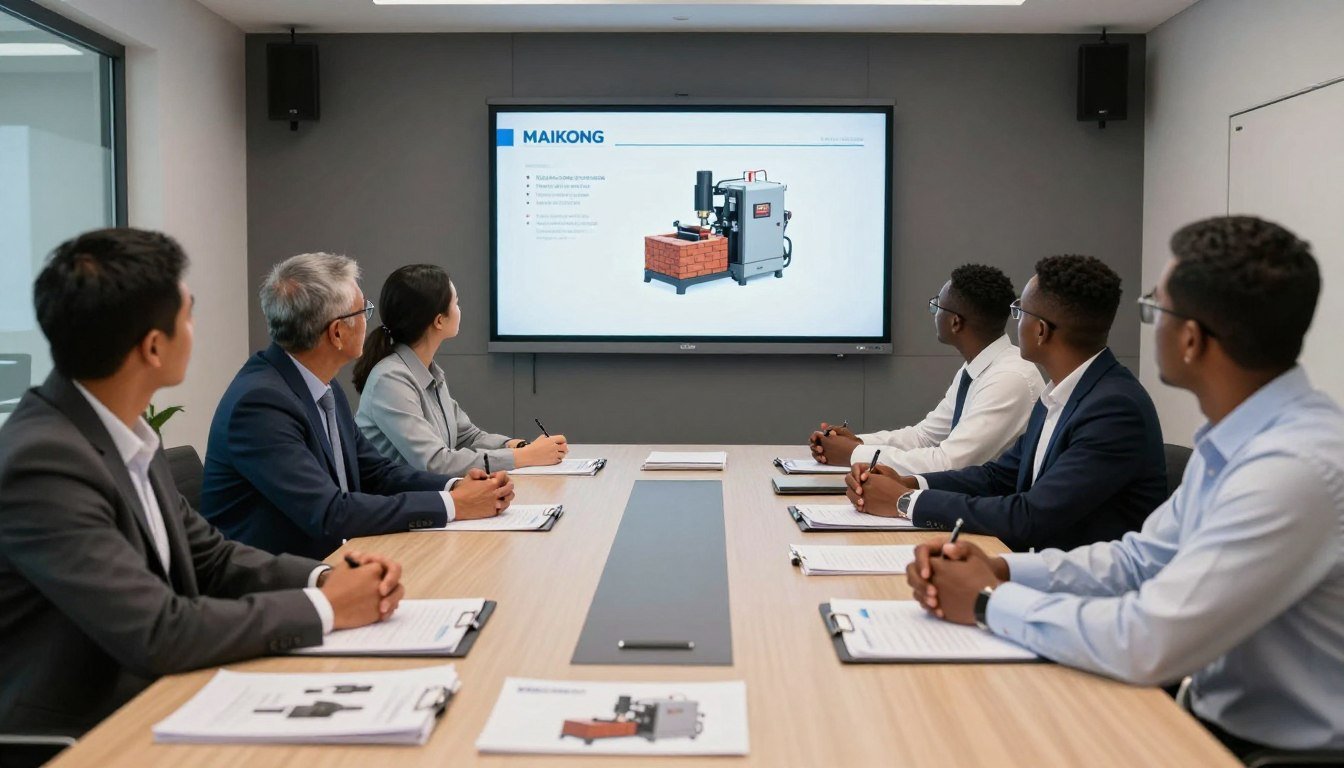
Distributor territories provide exclusivity within defined geographic areas, protecting your investment in market development. The complete product range—from manual brick making machines for small operations to fully automatic production lines—enables serving customers across all business sizes and budgets.
Market Potential in South Africa
South Africa’s housing backlog exceeds two million units according to government statistics. Infrastructure development initiatives, commercial construction growth, and individual home building all drive demand for affordable, locally-produced building materials. This represents substantial opportunity for equipment suppliers.
The shift toward local manufacturing reduces dependence on imports while creating employment. Government support for local production through preferential procurement policies further enhances market prospects for domestic brick manufacturers and their equipment suppliers.
Complete MAIKONG Product Range
- Manual brick making machine — Entry-level equipment for small operations
- Automatic brick making machine — High-capacity automated production
- Block making machine — Hollow and solid block production
- Concrete block making machine — Specialized concrete applications
- Cement block making machine — Cement-based product lines
- Brick laying machine — Automated construction equipment
- Small brick making machine — Compact solutions for limited space
- Brick moulding machine — Specialized forming equipment
Each product category includes multiple models with varying capacities and automation levels. Customization options accommodate specific customer requirements. OEM services available for partners seeking branded equipment solutions.
Technical Support and After-Sales Service
MAIKONG’s commitment to customer success extends beyond equipment delivery. Technical support via WhatsApp enables real-time problem resolution regardless of location. Video consultations, detailed technical manuals, and comprehensive training ensure customers operate equipment effectively.
Spare parts availability through distributor networks minimizes downtime. Common wear components maintain inventory locally while specialized parts ship quickly from manufacturing facilities. This support structure differentiates MAIKONG from competitors who provide minimal post-sale assistance.
Market Trends and Future Outlook for Stock Brick Manufacturing
The South African brick manufacturing industry continues evolving in response to technological advances, environmental concerns, and changing market demands. Understanding these trends helps entrepreneurs position operations for long-term success.
Automation and Efficiency Improvements
The trend toward automation accelerates as labor costs rise and efficiency demands increase. Modern brick making machines incorporate programmable logic controllers (PLCs), automated quality monitoring, and data logging capabilities that improve consistency while reducing operator requirements.
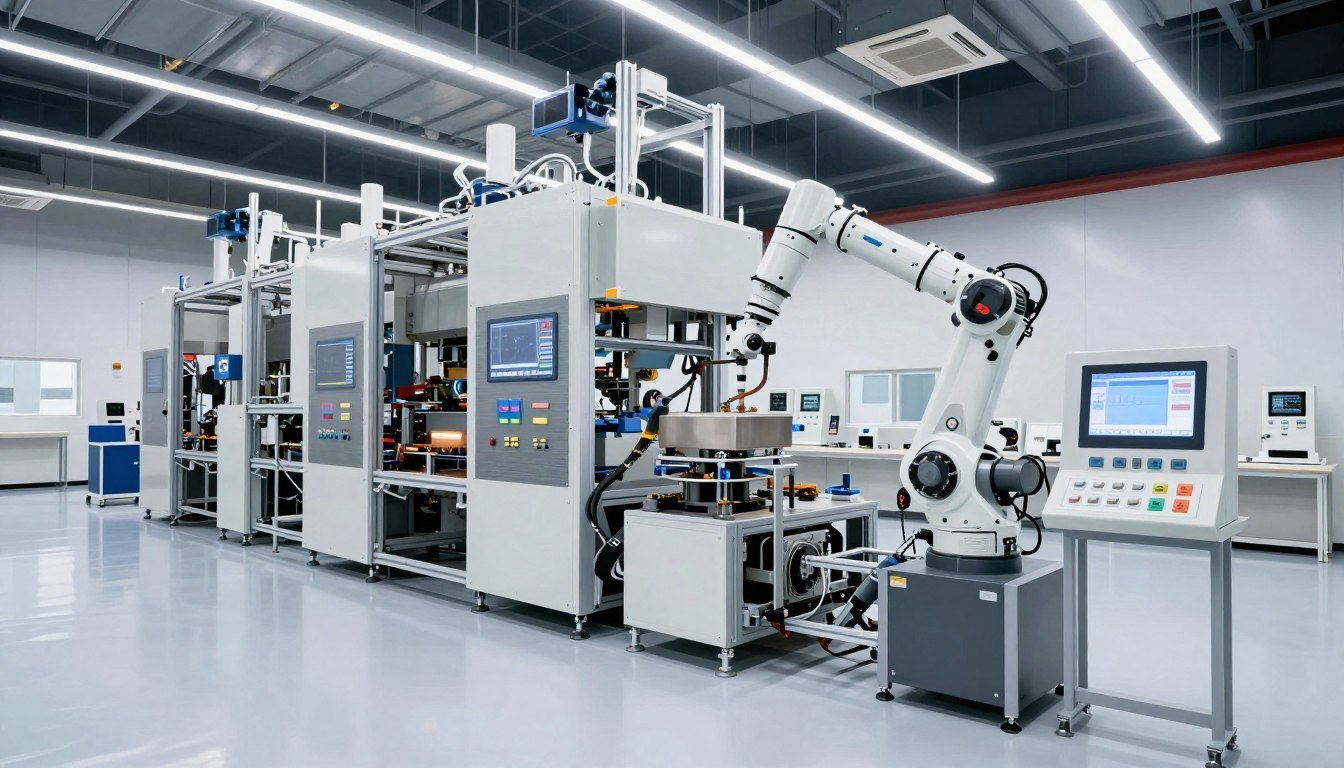
Energy efficiency improvements reduce operating costs while addressing environmental concerns. Variable frequency drives on motors, optimized vibration systems, and improved insulation on curing chambers all contribute to lower energy consumption per brick produced.
Sustainable Manufacturing Practices
Environmental sustainability increasingly influences purchasing decisions. Manufacturers adopting waste material recycling, water conservation systems, and renewable energy sources gain competitive advantage with environmentally-conscious customers and government projects.
Alternative cement formulations incorporating industrial by-products like fly ash or slag reduce cement consumption while maintaining strength characteristics. These innovations lower costs and carbon footprint simultaneously, appealing to multiple stakeholder priorities.
Market Expansion Opportunities
Rural development initiatives create demand in previously underserved areas. Mobile or transportable brick making machines enable on-site production for remote construction projects, eliminating transportation costs for finished products.
Specialized products like interlocking bricks, decorative bricks, and custom-colored units command premium prices. Equipment versatility allowing multiple product types provides flexibility to respond to changing market demands without major capital reinvestment.
Getting Started: Practical Steps to Launch Your Stock Brick Manufacturing Business
Transforming knowledge into action requires systematic planning and execution. These practical steps guide entrepreneurs from initial concept through operational launch.
Step 1: Market Research and Business Planning
Investigate local demand through discussions with contractors, builders, and hardware suppliers. Identify existing suppliers, their price points, and delivery capabilities. Gaps in current supply represent your business opportunity.
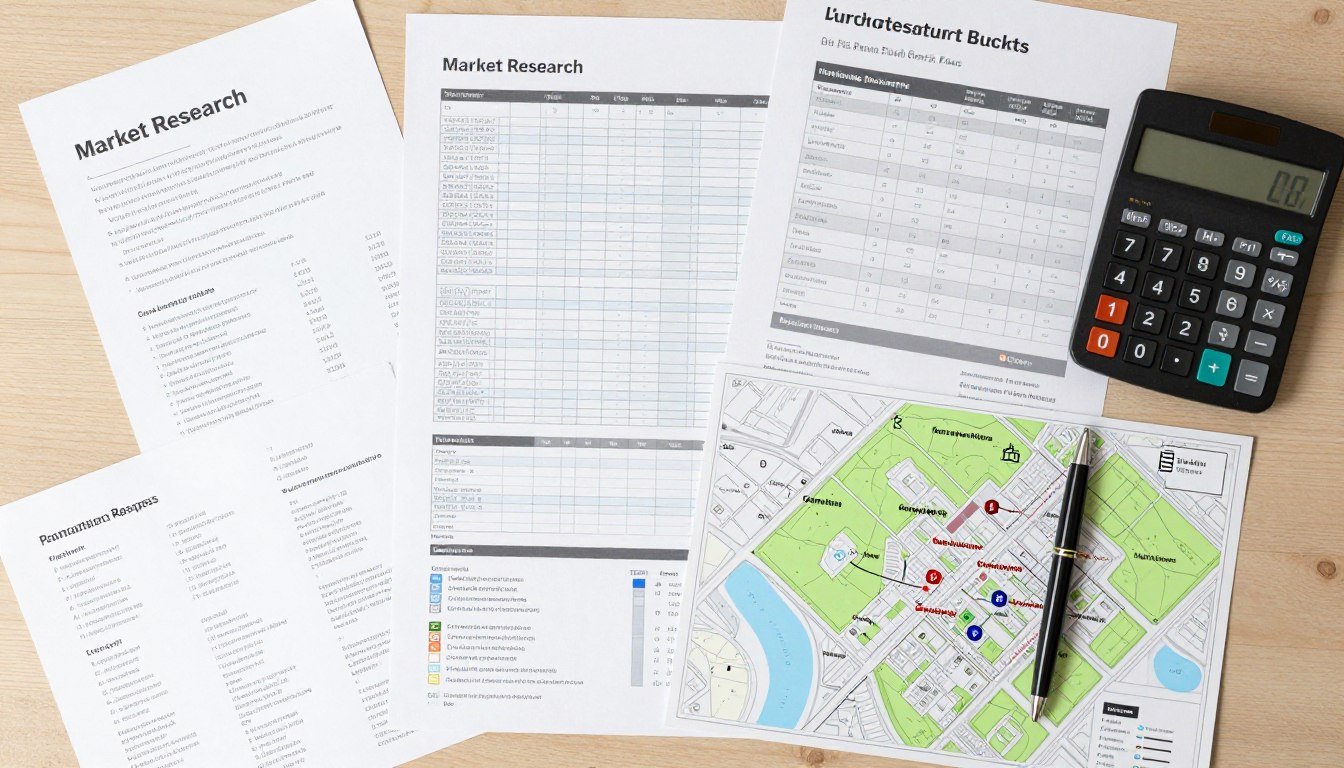
Develop financial projections considering all costs: equipment, facility, raw materials, labor, utilities, and working capital. Conservative estimates prevent undercapitalization that causes many startup failures. Factor seasonal variations in construction activity affecting demand.
Step 2: Site Selection and Facility Setup
Location balances multiple factors: proximity to raw material sources, access to target customers, land costs, utilities availability, and local regulations. Zoning requirements may restrict manufacturing in certain areas.
Facility layout affects operational efficiency. Logical flow from raw material storage through mixing, molding, curing, and finished product storage minimizes handling and movement. Adequate space for equipment maintenance and potential expansion prevents costly relocations.
Step 3: Equipment Selection and Supplier Partnership
Match equipment capacity to realistic production targets based on market analysis. Starting with a small brick making machine and expanding as demand grows reduces initial investment risk. Conversely, inadequate capacity loses sales during peak demand periods.
Evaluate suppliers based on equipment quality, after-sales support, training provision, and spare parts availability. MAIKONG’s proven track record across African markets, comprehensive support structure, and competitive pricing make it a strong partner for South African entrepreneurs.
Start Your SABS-Compliant Brick Manufacturing Journey
Contact our team for personalized consultation on equipment selection, business planning assistance, and technical guidance. We help South African entrepreneurs establish profitable brick manufacturing operations with proven equipment and comprehensive support.
Email: Lucy@ibrickmakingmachine.co.za
Website: ibrickmakingmachine.co.za
Step 4: Raw Material Sourcing and Testing
Establish relationships with multiple suppliers for each raw material to ensure continuous supply and competitive pricing. Conduct sample testing before committing to large purchases, particularly when evaluating new suppliers.
Negotiate payment terms that balance supplier requirements with your cash flow capabilities. Bulk purchasing reduces unit costs but ties up working capital. Finding the right balance requires careful financial management.
Step 5: Staff Recruitment and Training
Hire workers with mechanical aptitude and willingness to learn rather than focusing solely on previous experience. MAIKONG provides comprehensive training on equipment operation, maintenance, and troubleshooting that transforms motivated workers into skilled operators.
Implement standard operating procedures documented in simple, clear language. Consistent processes produce consistent quality regardless of which crew member performs specific tasks. Regular reinforcement training maintains high standards over time.
Step 6: Market Entry and Customer Development
Begin production with small batches while refining processes and training workers. Use initial production for quality testing and process optimization rather than immediate market launch. This approach prevents customer dissatisfaction from startup issues.
Develop customer relationships through direct contact with contractors, builders, and hardware suppliers. Offer samples and competitive introductory pricing to encourage trial. Reliable delivery and consistent quality convert trial customers into regular accounts.
Conclusion: Building Success in Stock Brick Manufacturing
Manufacturing SABS-compliant cement stock bricks represents a viable business opportunity for entrepreneurs across South Africa. The combination of strong market demand, accessible technology, and reasonable capital requirements creates conditions favorable for success.
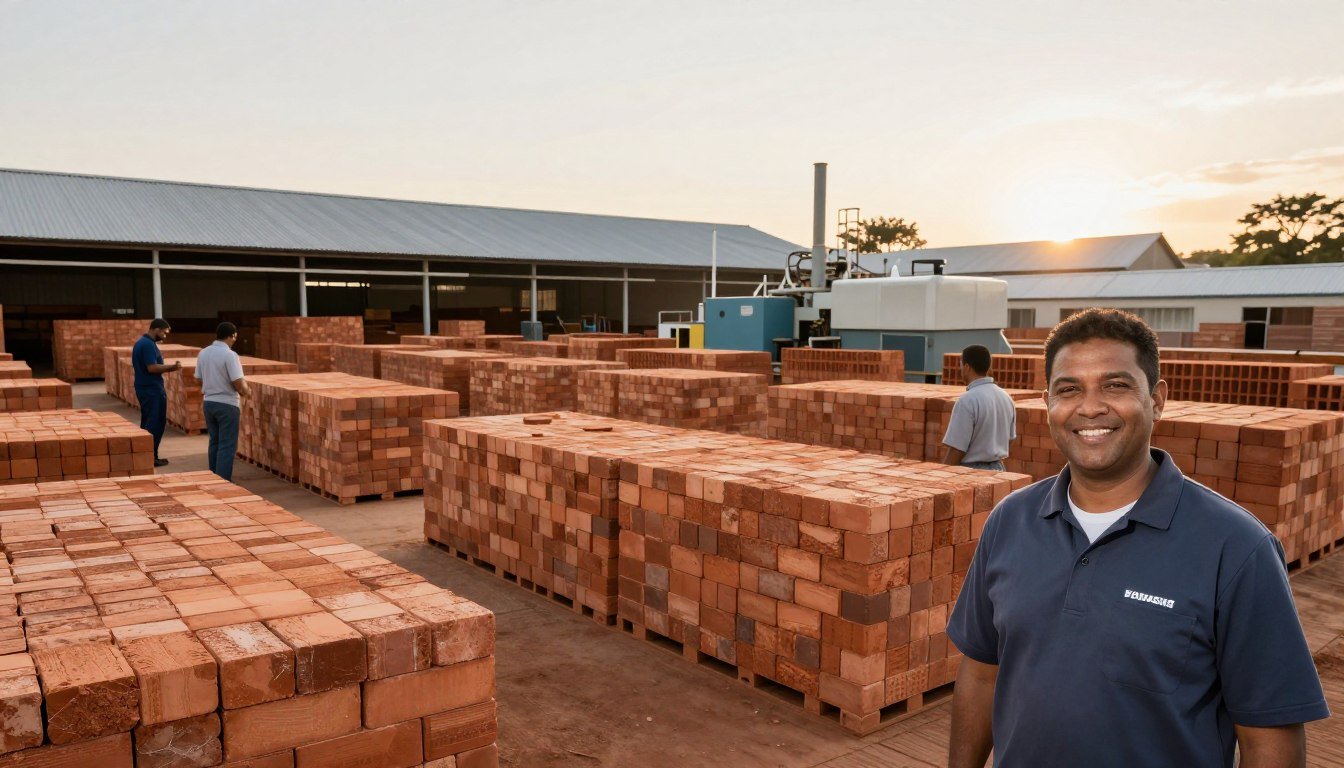
Success requires attention to multiple factors: consistent quality through systematic processes, efficient operations that control costs, reliable equipment properly maintained, and strong customer relationships built on dependable delivery and quality.
MAIKONG provides the equipment, technical support, and partnership approach that helps South African entrepreneurs establish profitable brick manufacturing operations. The company’s experience across African markets, comprehensive support structure, and commitment to customer success differentiate it from competitors focused solely on equipment sales.
Whether you represent an existing construction business exploring vertical integration, an entrepreneur researching manufacturing opportunities, or a community seeking local production capabilities, modern brick making machine technology makes SABS-quality production accessible and profitable.
The journey from concept to operational facility requires careful planning and systematic execution. However, successful operations across Ghana, Nigeria, Kenya, and other African countries demonstrate that dedicated entrepreneurs can build thriving businesses serving their local markets while contributing to regional economic development.
Take the first step by contacting MAIKONG technical team for personalized consultation on your specific situation. Whether you need guidance on equipment selection, business planning assistance, or technical training, our team helps you navigate the path from planning to profitable operation.